DAY ONE
We meet in Scrabster to catch the 1900 ferry crossing to Orkney. We will have dinner on board the ferry and should arrive at our accommodation around 2100. Free lift available from Norfolk the previous day, with overnight in Lockerbie, see below for details.
DAY TWO
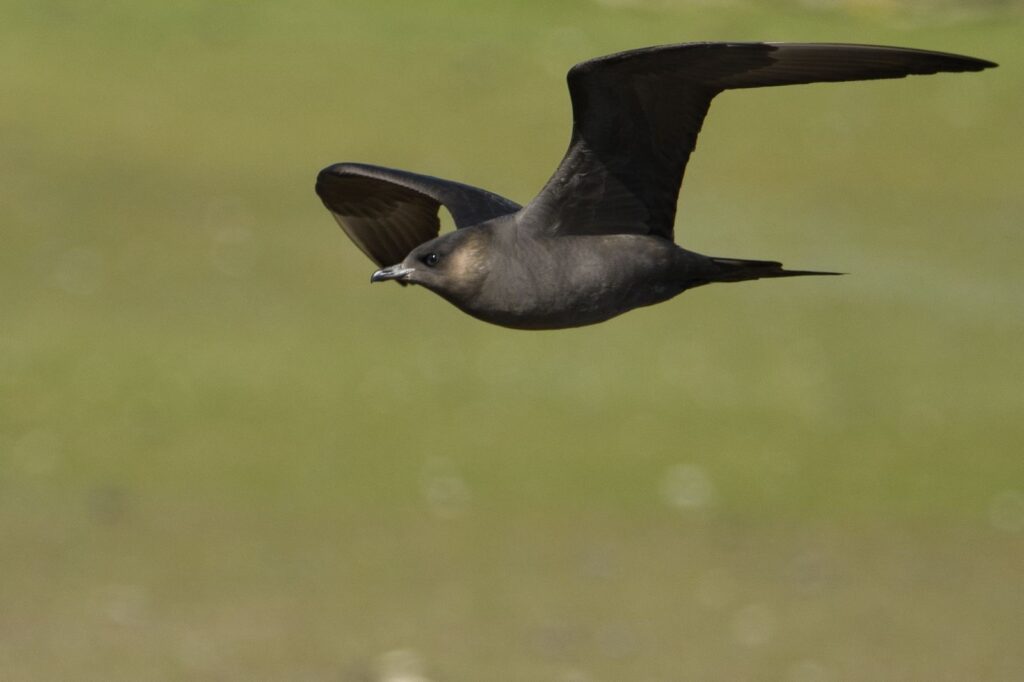
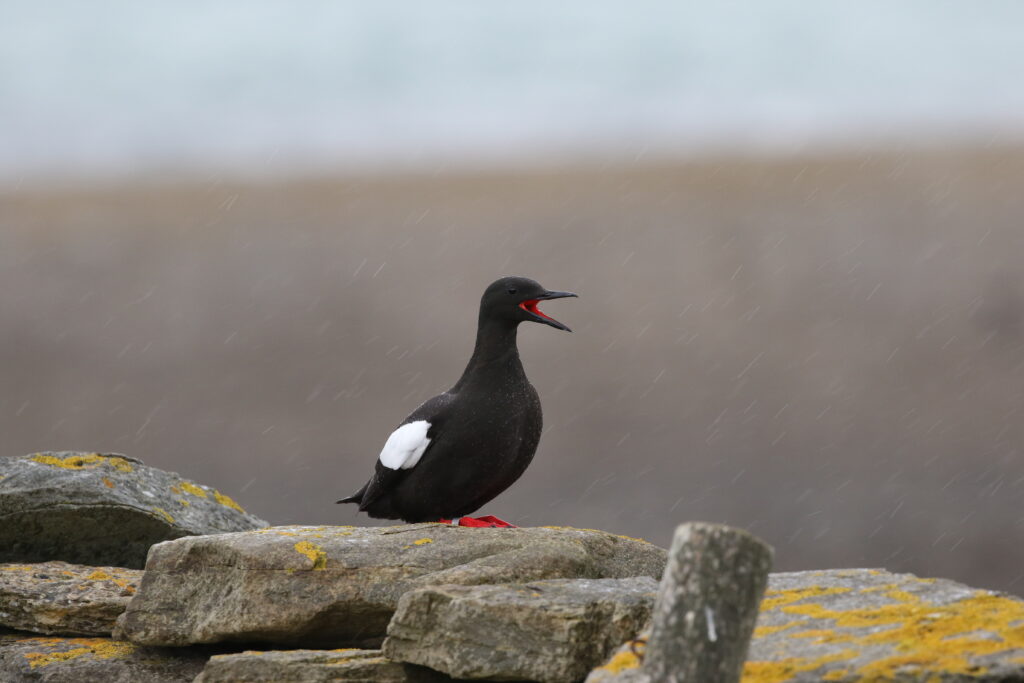
After arriving fairly late at our hotel the previous night, we’ll have a reasonably leisurely breakfast today before enjoying a full day exploring Orkney’s East Mainland and linked south isles. On the way, we will stop to scan Scapa Flow from Echna Bay, where there are often lots of sea ducks such as Red-breasted Merganser, Common Eider and Long-tailed Duck, plus Black Guillemots and the odd lingering Great Northern Diver. Arctic Terns are a common breeding species, and often rest on the beach here in large numbers, while a Little Tern often wanders into the bay from nearby breeding sites. Small lochans and secluded bays should be checked for waterfowl, fields and dunes for migrant wheaters, larks and pipits and sheltered bushes for other passerine migrants. We’ll visit cliff sites and bays for a variety of breeding seabirds – Fulmar, Shag, Black Guillemot, Puffin, Great Skua, Arctic Skua – and then some well-known inland migrant sites such as Hestily Woods, Burwick, Cara bushes and the East Denwick plantation. Orca, pilot whales and several species of dolphin can be seen close in to Orkney’s coastline at this time of year too so we should keep an eye out for these.
DAY THREE
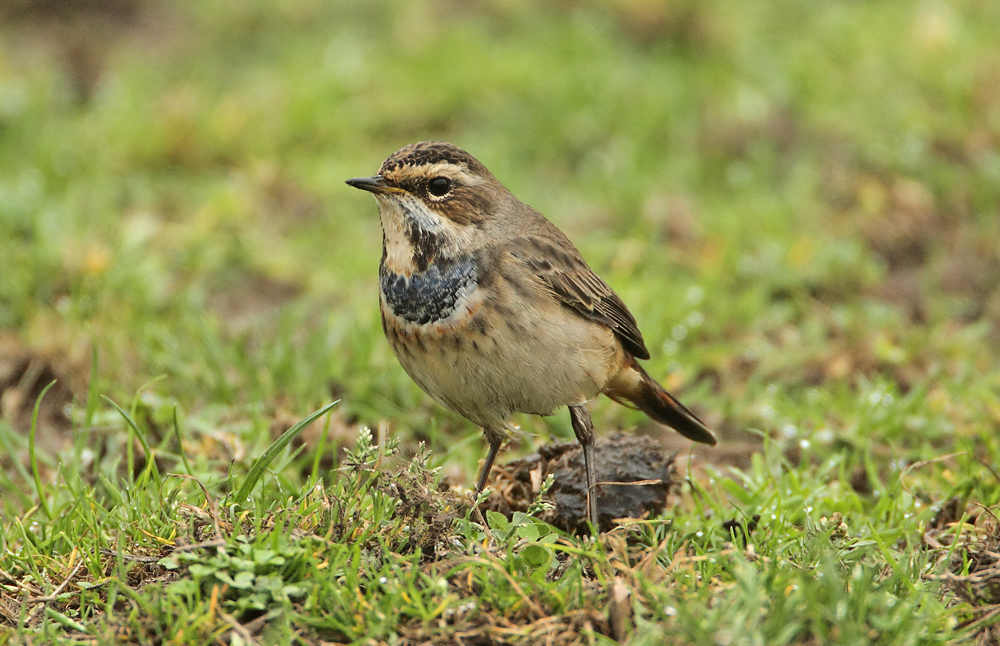
This morning we take the ferry from Kirkwall up to North Ronaldsay. The route passes through the sheltered waters between many of the Orkney Islands and is a great opportunity to spot a variety of seabirds, and cetaceans. Pilot whales and even orka are sometimes seen along with various auks, terns, and divers. The crossing takes approximately 2.5 hours and we get to North Ronaldsay in time for lunch at the observatory. After arrival on the island, we will settle into our accommodation at the world-renowned bird observatory, before we go on foot for our first birding exploration in the late afternoon. Of course, the days are long in the north at this time of year, and perhaps there will be a Bluethroat or Icterine Warbler to see before the end of the day!
DAYS FOUR & FIVE
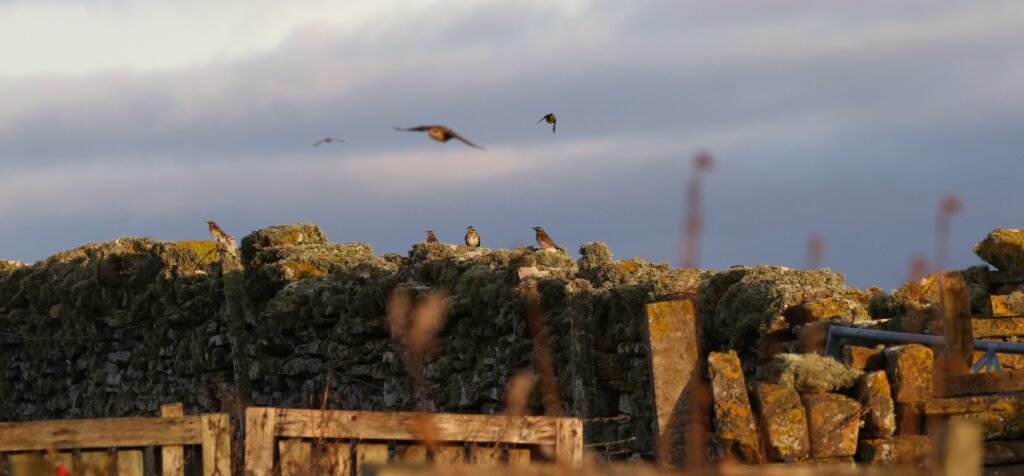
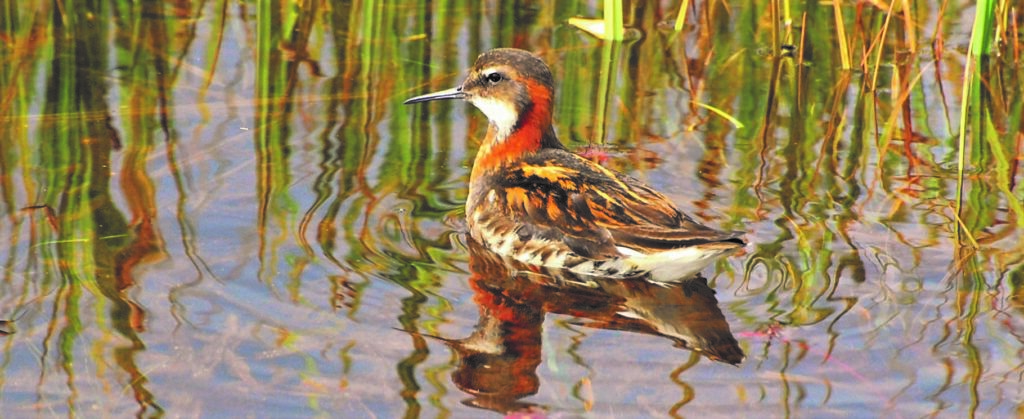
Over these two days we will be exploring this fantastic migration watchpoint, guided by Andy who knows every nook and cranny well after once working here as assistant warden. There will be an opportunity to observe ringing activities carried out by the observatory staff, and our days will be filled with looking for migrants and of course rarities! Late May and early June are peak times here for rare birds in spring, and regular species include Common Rosefinch, Marsh Warbler, Red-backed Shrike, Icterine Warbler and Bluethroat amongst commoner species such as Pied and Spotted Flycatchers, Willow, Wood and Garden Warblers. At this time of year, you can find yourself watching an Iceland Gull one minute and a Dotterel the next as the seasons overlap so far north in the British Isles. Recent springs have brought such rarities as Veery, Rustic Bunting, Red-necked Phalarope and European Bee-eater to the island while seawatching here can produce all four skuas and plenty of Atlantic Puffins and Great Northern Divers. North Ronaldsay is prone to throwing up real surprises, and that’s what we will be hoping for during our action-packed stay – a Nightjar roosting on a dry stone wall or the excitement of a rare bird of prey sweeping across the island – anything can happen.
DAY SIX
We will have an early breakfast this morning before catching the flight back to Kirkwall. The rest of the day will then be spent birding on Orkney’s East Mainland. We’ll visit cliff sites and bays for a variety of breeding seabirds – Fulmar, Shag, Black Guillemot, Puffin, Great Skua, Arctic Skua – and then some well-known inland migrant sites. Cetaceans can feature and we’ll keep up to date with local info; killer whales, pilot whales and several species of dolphin can be seen close in to Orkney’s coastline at this time of year. Some of the smaller lochans can be great for seeing wildfowl and waders such as Black-tailed Godwits and a variety of ducks. Hen Harriers are around too of course, and we will have surely bumped into one or two already by this stage of the tour.
DAY SEVEN
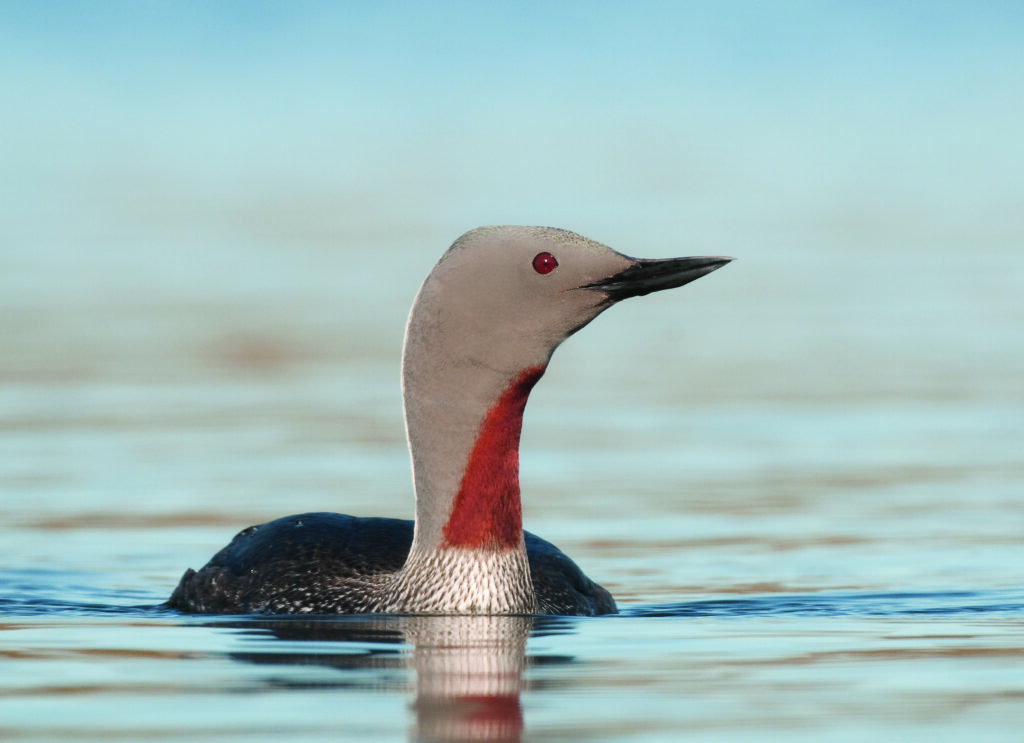
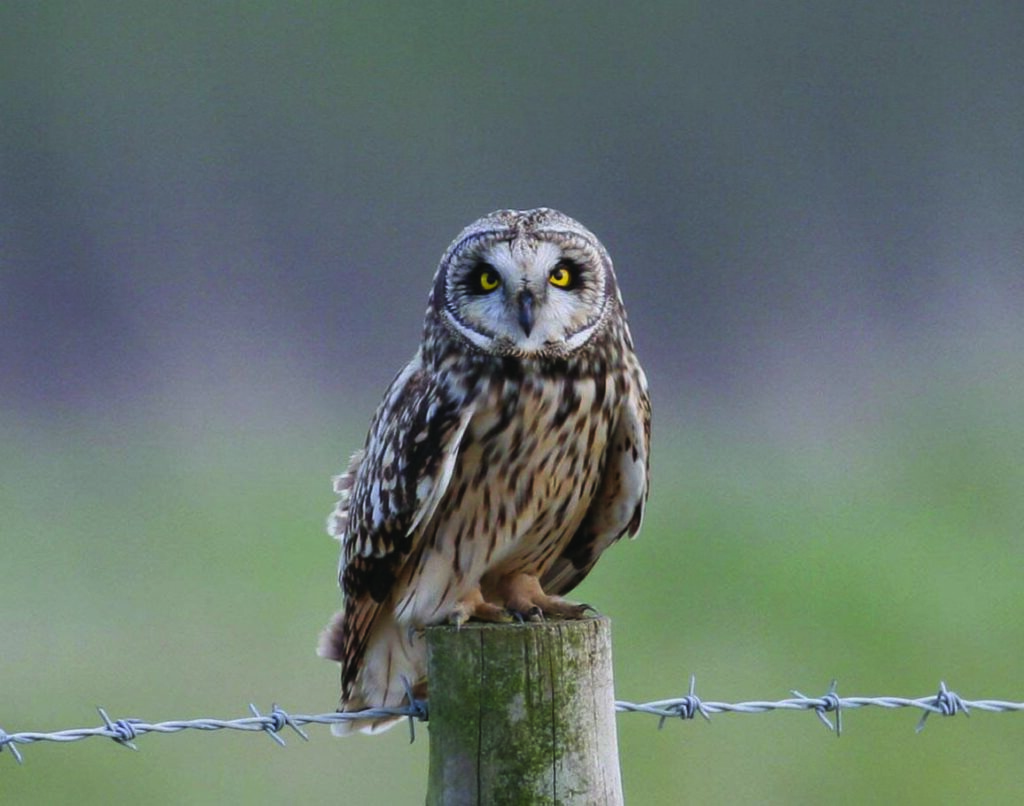
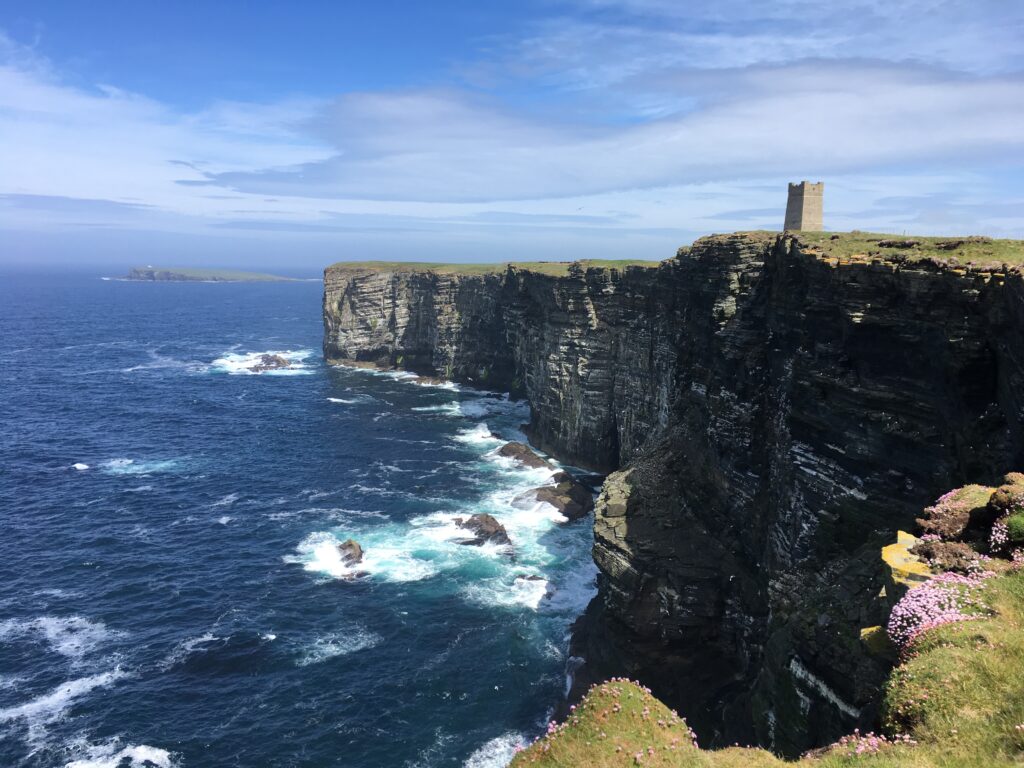
Today we will concentrate on Orkneys West Mainland. There are spectacular west-facing cliffs here including the magnificent seabird colonies at Marwick Head as well as several RSPB reserves for wetland species, raptors such as Hen Harrier and possibly a White-tailed Eagle or Merlin. There are also many large lochs and we can spend an hour or two scoping through for that elusive rare duck! Short-eared Owl will be a target for today also and a visit to Aikerness Beach will allow us to check the sound for close ups of Red-throated Divers and the possibility of cetaceans moving through. Twite, Rock Dove and breeding waders such as Dunlin, Common Snipe and Black-tailed Godwit will also likely be seen among the many boggy pools around RSPB The Loons. In the afternoon we catch the 1645 ferry back to the Scottish Mainland from Stromness to Scrabster, arriving there at 1815. From there, we have a 2.5hr drive south of Inverness where we will overnight.
DAY EIGHT
Depart Inverness at 0900 and continue our journey homeward.
*The tour will begin in Scrabster and end near Inverness. It is the responsibility of participants to ensure that they arrive in plenty of time for the ferry crossing. We will be only too pleased to assist your journey north with railway station or pre-arranged pick up stops along our route [A17/A1/A66/M6/M74] or alternatively you may join us for a complimentary lift from our Norfolk base (travelling the day before and staying overnight in Lockerbie) and park cars there free of charge for the duration of the tour. Contact us for details.*