DAY ONE
The tour begins at Mallaig or Oban for the afternoon ferry crossing to Lochboisdale, which takes approximately three and a half hours (five and a half if from Oban). The crossing is good for seeing a range of seabirds including Manx Shearwaters, Puffins, Great Skua and Arctic Terns, while both Golden and White-tailed Eagle can be seen over the adjacent islands. On arrival on South Uist, we will make the transfer our hotel and check in.
*If you have opted for a lift from Norfolk to the ferry terminal then we will have departed the day before, staying overnight at a hotel en route. We will try and make a birding stop on the road to Mallaig, time permitting, on ‘day one’. This could give a chance for Dipper, Spotted Flycatcher, Wood Warbler, Redstart, Siskin, Osprey, Tree Pipit and Whinchat, if the ferry goes from Mallaig. This does depend on the timing of the departing ferry.
DAY TWO
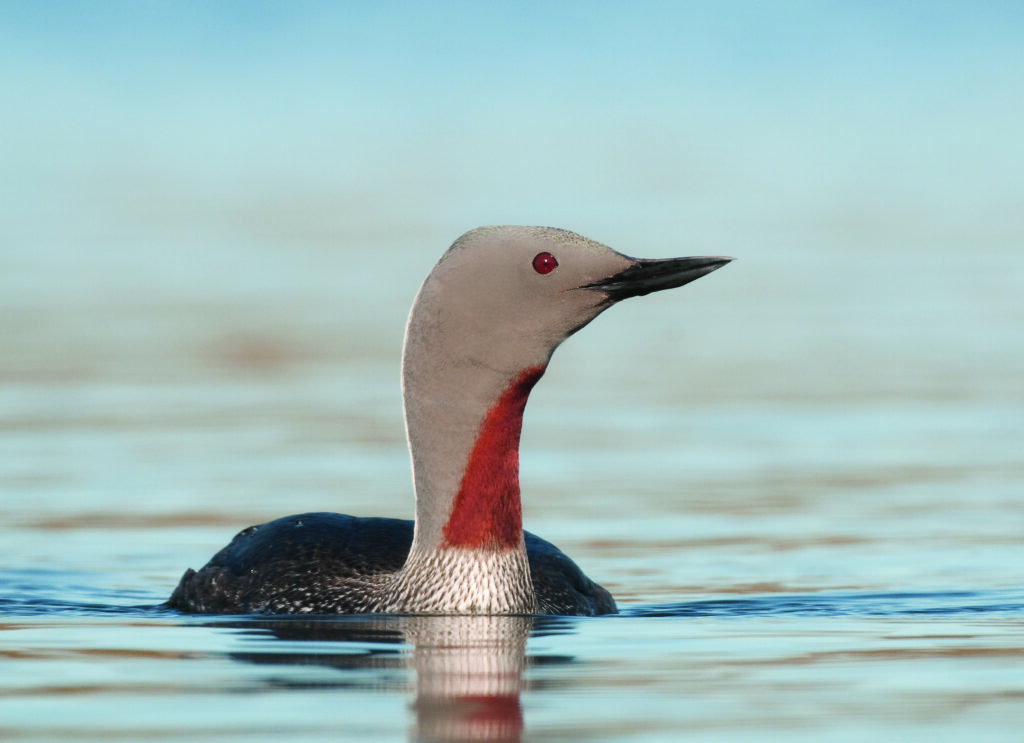
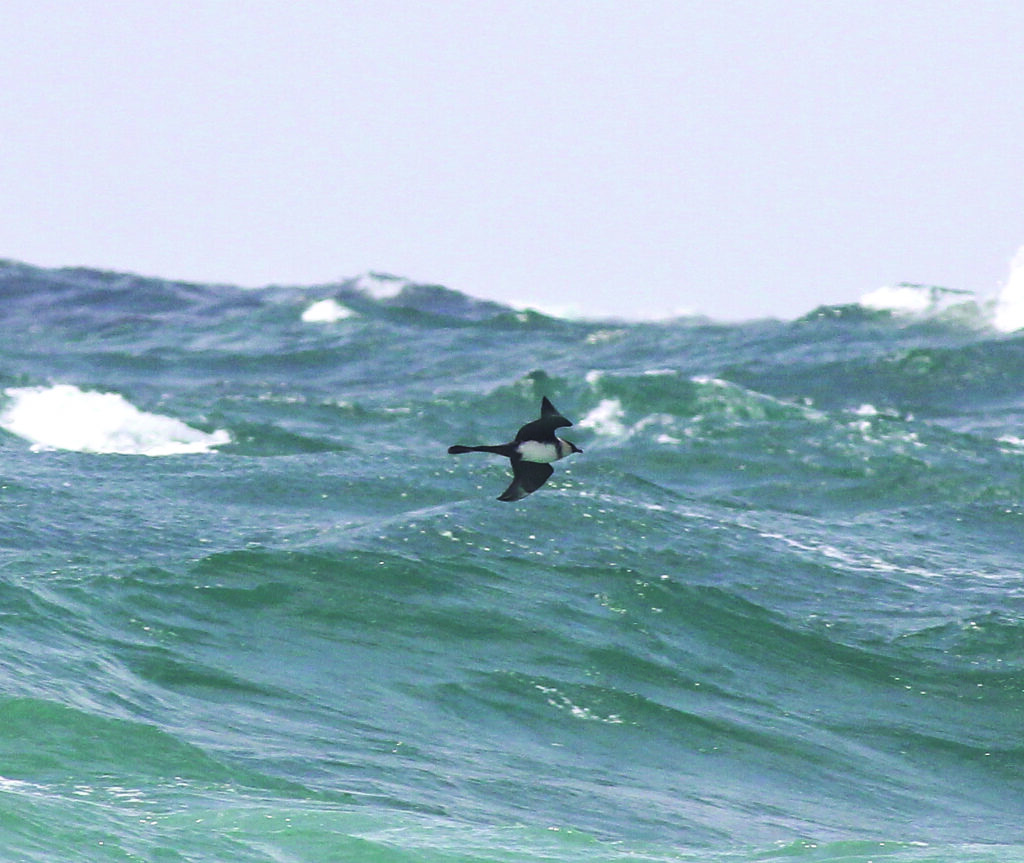
Our first full day will be full of excitement as we begin to explore the isles. We will head south to explore the environs of Loch Bee. This large loch is likely to hold a selection of wildfowl and maybe the odd Slavonian Grebe as well as displaying Little and Arctic Tern. The machair to the west is full of breeding Northern Lapwing, Common Redshank, Common Snipe, Ringed Plover and Dunlin as well as large numbers of Sky Lark and a few pairs of Corn Bunting. We will probably also encounter flocks of Whimbrel and Eurasian Golden Plover along the coastal plain. Ardivachar Point is a great spot to pick up a good selection of waders including Purple Sandpiper and Bar-tailed Godwit. There’s likely to be the odd Great Northern Diver off shore and we will be constantly vigilant for hunting Peregrines here. From here, we head round towards the South Ford and add to our shorebird list with Grey Plover and Red Knot. We are likely to hear our first Corncrakes calling from iris beds on the edge of the machair and we will spend a bit of time trying to locate one of these secretive summer visitors. From here we will head south to Loch Eynort, where we have a good chance of adding both Golden and White-tailed Eagle to our list. The wooded garden here often holds migrants at this time of year and provides a haven for Hebridean Dunnocks, Robins and Common Redpoll. Back to the raptors, from a view point and a short walk along the good path, we may also be able to spot Hen Harrier, Merlin and Peregrine Falcon. The sea loch usually has Red-throated Divers, as well as Black Guillemot and Arctic Tern. This is also an excellent spot for Otters and we will almost undoubtedly see Common Seals. After a packed lunch here, we will head for Ardvule to see what this headland and adjacent machair has to offer; maybe a lingering Glaucous Gull or a stunning flock of Icelandic Black-tailed Godwits. The point itself is a good location to observe seabird migration and we may see Pomarine Skua as well as Great and Arctic Skuas.
DAY THREE
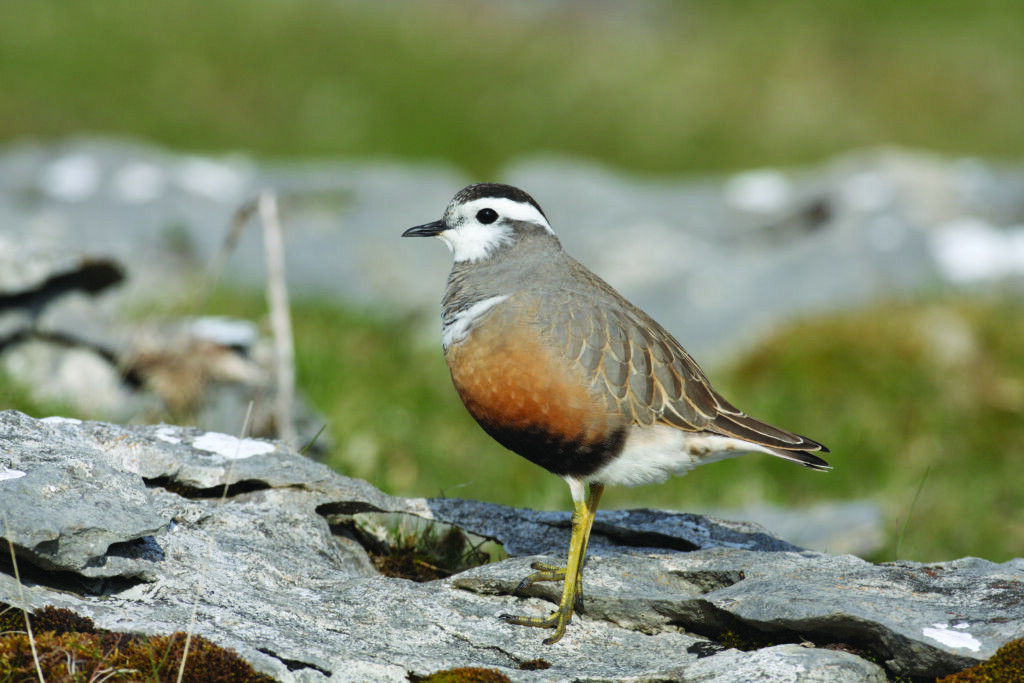
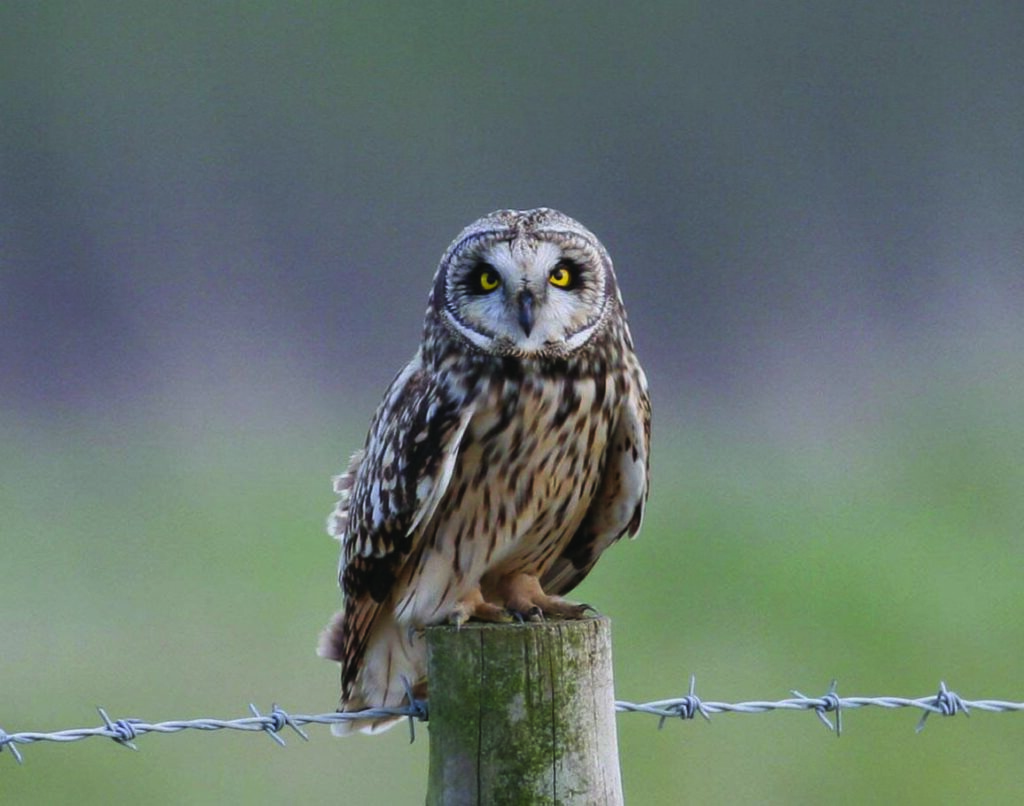
An early morning start will take us north to Balranald Nature Reserve. It’s an excellent area with good numbers of breeding shorebirds and we have a good chance of picking up Corncrake in the developing vegetation. An early morning start means that we often catch the birds out in the open as the males’ scurry between patches of iris, occasionally stopping to call the charismatic “crex crex”. We will then head to Aird an Runair on the west side of the reserve and spend some time looking for skuas although the numbers passing are largely weather dependent so the amount of time, we spend here will be dependent on wind direction and strength. Other birds we will encounter here include Corn Bunting, Purple Sandpiper, Great Northern Diver, Red-throated Diver, Great Skua, Arctic Skua and possibly a trip of Dotterel. As well as the ever-present possibility of Otter sightings we also have the chance of catching up with an intriguing moth; the Belted Beauty where the females are flightless, yet the UK population is widely scattered. Once we’ve finished with this fascinating area we will head for the hills, well at least we’ll drive along the Committee Road that will take us through prime raptor country and give us the chance of encountering Hen Harrier, Golden Eagle and Merlin as well as Short-eared Owl. We will then head for Berneray, a small island to the north of North Uist which was connected by a causeway as recently as 1998. The machair is excellent and holds plenty of breeding shorebirds and both Arctic and Little Tern. We should also hear and hopefully see a Corncrake or two and the small birds are represented by Corn Bunting and a plethora of Sky Larks. The waters surrounding the island are good for divers and we may see Great Northern, Red-throated and Black-throated Divers as well as Common Eider, Long-tailed Duck and possibly a lingering Slavonian Grebe. Merlins frequently zip across the machair and both Hen Harrier and Golden Eagle are regular.
DAY FOUR
This morning, we will head south to Eriskay and across to Barra. From the ferry, we have a good chance of seeing all three regular species of divers: Great Northern, Black-throated and Red-throated Diver. We will also see Black Guillemot, Great Skua, Arctic Skua, Black-legged Kittiwake and Northern Gannets. A tour of Barra will take us right around this lovely isle and allow us to look for Golden Eagle, Corn Bunting and Corncrake amongst other species. We will follow the circuitous road around the isles stopping to check Loch Tangasdale before reaching our most southerly point on Vatersay (attached to Barra by a narrow causeway). Vatersay has breeding Corn Buntings and the bays will hold Black Guillemots and divers. If conditions have been favourable, we’re likely to pick up a few migrants in favoured locations around the island. We will leave Barra in the late afternoon to sail back to Eriskay and head back to our hotel.
DAY FIVE
Today, we will explore Benbecula; a trip around the west side of the isle will take us to a number of productive lochs for wildfowl and shorebirds. We will stop to check Coot Loch (the only breeding location for this species in the Outer Hebrides), which is often excellent for wildfowl and the adjacent machair for migrant and breeding shorebirds. The area around Coot Loch has calling Corncrake as well. We will move on to Stinky Bay which often holds masses of birds feeding on invertebrates that thrive on the masses of kelp washed up here. Purple Sandpiper, Ruddy Turnstone, Dunlin and Ringed Plover will all be in fine breeding plumage and there’s likely to be the odd Long-tailed Duck, Red-breasted Merganser and Great Northern Diver here too. Loch Mor and Loch Fada often hold an interesting selection of birds with scarce migrants such as Garganey and Little Egret seen occasionally. We’ll head for Peter’s Port for a packed lunch where there are a few nesting Grey Herons and a good chance of birds of prey such as Golden Eagle, Hen Harrier or Merlin. This is also a good spot for Otters and there’s usually the odd Great Northern Diver and Black Guillemot in the bay.From here will head back to the South Ford and the area around Loch Bee as it is a very productive area and species are constantly changing. We should see a good selection of shorebirds in fine summer plumage such as Ruddy Turnstone, Sanderling, Dunlin, Whimbrel, Black-tailed Godwits and Grey Plover amongst others.We’ll also take a trip out in the evening to look for Corncrakes and Short-eared Owls.
DAY SIX
This morning we’ll head to Bornish and Ardvule for a spot of sea-watching. We should see Great Skua, Arctic Skua, Manx Shearwater, Northern Gannet, Northern Fulmar, Black-legged Kittiwake and possibly Pomarine and Long-tailed Skua. The seabird passage is largely weather dependent, but we should at least see the former two skuas as well as Great Northern Diver, Common Eider and Red-breasted Merganser. The machair and shore here is also good for shorebirds and besides the usual Sanderling, Dunlin and Ruddy Turnstone we’ll probably catch up with Whimbrel, Black-tailed Godwits and possibly something scarcer like a Curlew Sandpiper. From here we’ll head towards the east coast and Loch Eynort to see if we can enjoy some more eagle activity or maybe an Otter or migrant warbler in the wooded garden. Heading back north, we’ll call in at Howmore to check for any calling Corncrakes as well as Corn Buntings and whether there are any new arrivals along the shore. From here it’s just a short hop across to Drimsdale and Grogarry. We shall take a short walk here along the machair to scan a number of excellent lochs before driving around to the north side to see if there are any migrants in the relatively “tall” trees surrounding Grogarry Lodge. Grogarry lies on the western side of the Loch Druidibeg National Nature Reserve and after exploring the west side we will head to the east side to see if we can spot a number of species including Golden Eagle, Hen Harrier, Black-throated Diver and both the Hebridean race of Song Thrush and Dunnock. From here we’ll head to the tidal Loch Paible, which frequently holds a good selection of birds and has turned up some unusual species in recent springs including a pair of Pectoral Sandpipers and a Broad-billed Sandpiper. Not far from Paible is Loch Sandary, which we’ll have a quick look at to see if there’s anything interesting lurking here and we should see nesting Little Grebe and Tufted Duck. Another trip along the Committee road to catch up with more birds of prey such as Golden Eagle, Hen Harrier, Merlin and Short-eared Owl before dropping down to the Sollas/Grenitote area to explore the tide line and machair for shorebirds. The coast should hold some fine Bar-tailed Godwits in summer plumage as well as Grey Plover and the usual assortment of by now familiar species.
DAY SEVEN
Tearing ourselves away from these magical islands, we take the morning crossing to Mallaig, where the tour will conclude. For those opting for a lift back south, we overnight again at the Lockerbie hotel and returning to Norfolk the following day.
**Please note that your guide will travel north the day before the tour starts, staying in Scotland overnight ready for the final leg of the journey to Mallaig/Oban on ‘Day One’. There will be a limited number of spaces in the minibus (due to luggage) if you wish to travel with your guide from Norfolk, where cars can be parked at our office free of charge. These spaces will be made available on a first come first served basis. Likewise, the journey back on Day Seven will be broken with an overnight stop, arriving back in Norfolk the following day**