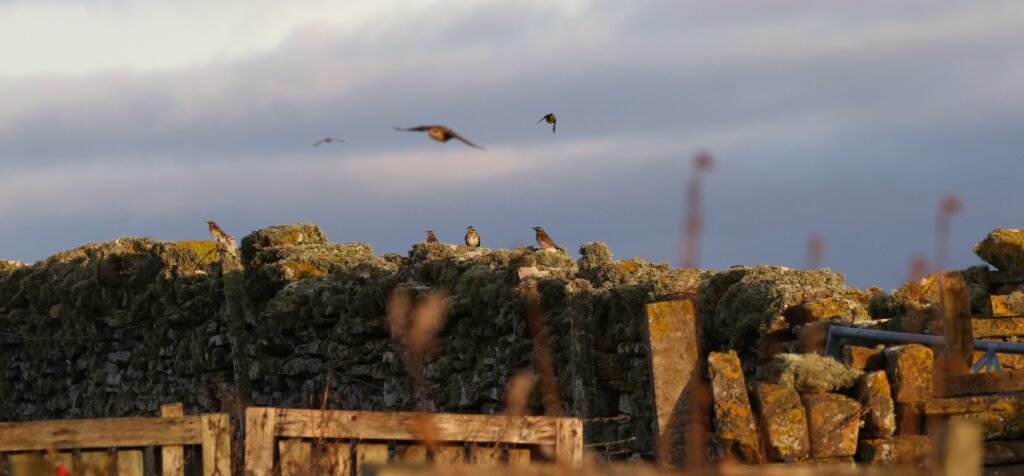
Approximately ninety miles long and situated at the North-eastern tip of the British Isles, Shetland is a birders paradise. Following the great success of our recent autumn tours, it was only a matter of time before our clients started asking when we would visit in spring, so here is our exciting Shetland Spring birding tour! Spring arrives late in Shetland, and we time our visit perfectly to coincide with the return of all its breeding specialties, as well as the height of activity at its bustling seabird cities. With long daylight hours we can maximise our time in the field, taking in everything from pre-breakfast migrants to post dinner petrels!
We use two different bases for our tour, in South Mainland at Sumburgh and in the north at Hillswick. This is a great birding base being close to birding spots in North Mainland such as Esha Ness and being conveniently situated for the ferries to Unst and Fetlar. We can also enjoy hunting for migrants in the superb habitats around the village. The terrain is undulating, and involves a reasonable level of physical fitness as walking moorland, ditches and fields is often necessary for finding migrant passerines and reaching seabird colonies. Your tour leaders will be Jonathan Farooqi, you can expect to see around 120 species.
DAY ONE
The tour meets at Aberdeen ferry terminal at 17:30 for check in for the 19:00 sailing to Lerwick on Shetland. We have cabins for the journey and the ferry is well equipped with restaurants, bars and cinema.
DAY TWO
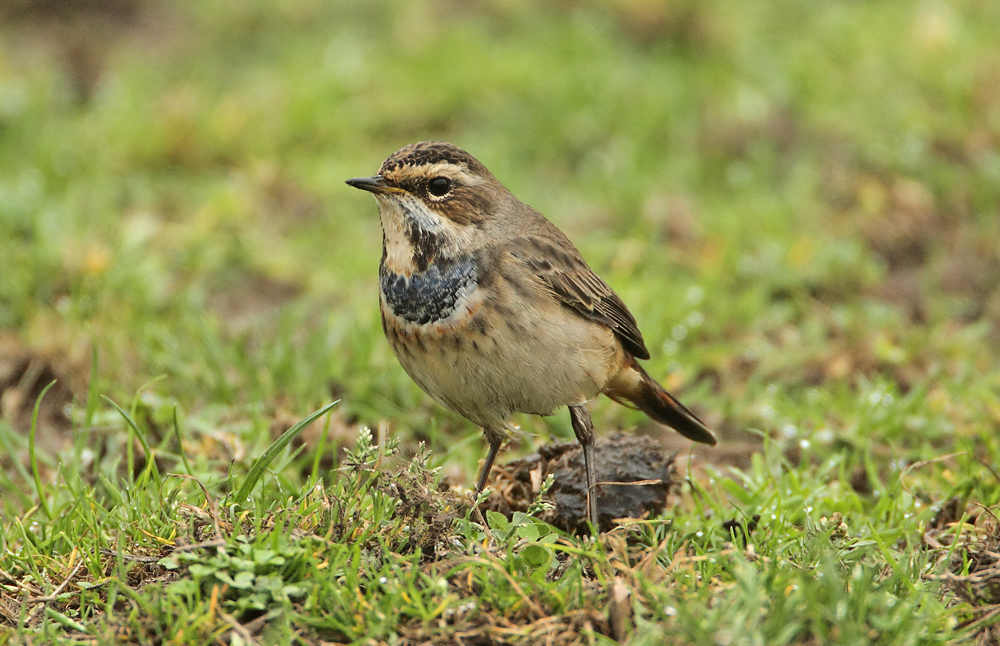
We arrive in Lerwick at 07:30 and after breakfast on board we travel North towards our first base in Hillswick, in the north-west mainland area. Calling at a couple of beautiful spots along the way and of course keeping tabs on the presence of any scarce migrants such as Bluethroat, Red-backed Shrike or Icterine Warbler, we will observe spectacular cliffs and geos around Esha Ness where our first seabirds and cetaceans might be seen, and check the wild moorland of Northmavine for breeding waders, skuas, Arctic Hare and even Red Grouse. Our hotel in Hillswick is perfectly placed to explore these areas, but also has some superb birding spots around the village to look for migrants too.
Overnight Hillswick
DAY THREE
After a pre-breakfast excursion to check the nearby gardens and crops for any interesting migrants (another chance of Bluethroat or Marsh Warbler perhaps?!) we catch a morning ferry to the island of Fetlar. Two breeding species stand out here, with the bulk of the British breeding population of delightful Red-necked Phalarope the undoubted highlight at the RSPB reserve at Loch Funzie. The whole island is fabulous for breeding waders, and in addition to the Phalarope we should also see Common Redshank, Eurasian Curlew, Northern Lapwing, European Golden Plover, Dunlin, Common Snipe, European Oystercatcher, Black-tailed Godwit and of course Whimbrel. Arctic and Great Skuas nest on the moorland, and we should also be able to observe Manx Shearwater offshore.
Overnight Hillswick
DAY FOUR
The island of Unst will be our destination today, the most Northerly in the British Isles and the wildflower meadows, overgrown ditches and sheltered gardens and crops are a potential haven for migrants. We spend the morning birding in these areas, hoping to chance upon a Red-backed Shrike or possibly something rarer! Subalpine Warbler, Golden Oriole, Common Rosefinch, Red-breasted Flycatcher, Wood Warbler and Rustic Bunting are all regular on Shetland in Spring, along with commoner migrants such as Pied and Spotted Flycatchers, Northern Wheatear and Common Redstart. In the afternoon we visit the renowned RSPB reserve at Hermaness, where we will be dive bombed by Bonxies (Great Skuas) as we cross the moorland to view the seabird cliffs! A fabulous all round experience and a few more thousand seabirds to observe at this northerly outpost. In fact, we will see Muckle Flugga, the group of rocks forming the most Northerly point in the British Isles – bring your camera!
Overnight Hillswick
DAY FIVE
We now head south towards our next base at Sumburgh Head. We’ll head straight out into the field, hoping to catch up with any rarities already present in South Mainland before checking into the hotel around lunchtime to relive ourselves of the luggage and freshen up. Quendale is a fabulous valley for attracting scarce migrants and the irises and fields here should be checked carefully, while at Scatness close to the hotel, we can also observe breeding Arctic Terns and check the pools and clifftop for waders. A quick check of the garden at the hotel after lunch before heading back out could well turn up some interesting migrants too though! Icterine Warbler, Bluethroat, Marsh Warbler and Red-backed Shrike are regular Shetland spring migrants and could well be present during our stay. In the afternoon we visit Sumburgh Head, a fabulous seabird city, and here we will see our first Atlantic Puffins among a host of other seabirds. We mustn’t forget to scan offshore if the sea is calm – this is one of Shetland’s premier locations for spotting Killer Whale! Minke Whale, Harbour Porpoise and dolphins are more likely though.
DAY SIX
The island of Noss has one of the biggest seabird colonies in the British Isles and we take a specially arranged boat trip around the tip of the island to witness the spectacle and smell of the 80,000 breeding birds jostling for position on the 200 metre high sandstone cliffs. Expect Black and Common Guillemots, Razorbill, Atlantic Puffin, Northern Fulmar, Northern Gannet, Black-legged Kittiwake, Arctic and Great Skuas as well as close views of Common and Grey Seals and the chance of cetaceans. Weather permitting, we will sail close into the Orknis Geo and view fish, sea urchins, coral, jellyfish, crabs, starfish and plankton using a special underwater camera. After this morning trip, we will return towards Sumburgh via Loch Tingwall, set in an interesting moorland area that holds Arctic Hare as well as breeding Red-throated Diver and Red-breasted Merganser. Lochs Spiggie and Hilwell will add further opportunities to view breeding wildfowl and waders, such as Common Redshank, Eurasian Curlew, Common Snipe and Northern lapwing, while Whooper Swans also nest here at their only regular British outpost. After dinner we take an boat trip to the island of Mousa. Under the Simmer Dim, we will visit the Iron Age Broch where these enigmatic little seabirds return to their nests under the safety of nightfall. We’ll hear their strange calls and be just inches away from the birds as they flutter back to their nests among the walls of the broch.
Return to the Sumburgh around midnight.
DAY SEVEN
A leisurely day after the late finish yesterday, will see us exploring South Mainland. We’ll have time to check secluded spots for Otters, and scan the sea for lingering Great Northern Divers and seaduck. White-winged gulls often linger well into summer too, so we should look out for Iceland Gulls in particular around the harbours. If the weather is fair, we may take ride up to Mossy Hill to enjoy the spectacular views to Fair Isle and Foula. Otherwise Sumburgh Head, Grutness and Virkie areas will be explored for migrant passerines and waders, with hopefully one or two surprises to go and look for and maybe even news of a pod of Orca nearby!
DAY EIGHT
A relaxed day birding South Mainland today. We may return to Sumburgh Head to check for migrants, and revisit Quendale. Pool of Virkie is also well worth checking on the rising tide, as this is one of the premier spots in Shetland for rare waders. Perhaps a Short-eared Owl will be lingering in this area and other raptors include Merlin, Peregrine and Hen Harrier. Perhaps we will lunch on the west coast, overlooking the idyllic setting of St Ninian’s Isle where we can check the beaches and bays for waders and fishing terns. Working our way North, further spots to check include the vegetated burn at Geosetter and the sheltered copse at Wester Quarff, which all present further opportunities to find migrants. Finally we reach Lerwick at 15:30 for check in, catching the 17:00 sailing back to Aberdeen.
DAY NINE
We arrive back in Aberdeen at 07:00 where the tour will conclude.
**Please note that travel plans may be disrupted at short notice due to adverse weather conditions and we therefore recommend that your travel insurance adequately covers any additional expenses that may be involved**
**Visiting the off-islands will depend on ferry availability and weather and any trips to twitch rarities will be solely at the leaders discretion (though we always do our best!)***
*NB – The tour will begin and end in Aberdeen and it is the responsibility of participants to ensure that they arrive in plenty of time for the ferry crossing. We will be only too pleased to assist your journey north with railway station or pre-arranged pick up stops along our route (A17/A1/A66/M6/M74) or alternatively you may join us for a free lift from and to our Norfolk base and park cars there free of charge for the duration of the tour.
Contact us for details.
GROUP SIZE
Seven plus Leader
TOUR CODE
A fair amount of walking is required to get the most from your holiday. The terrain is varied and therefore a reasonable level of physical fitness is required. Expect some early starts and long days in the field.
WHATS INCLUDED
Six nights accommodation on Shetland, return overnight ferry crossings from Aberdeen to Shetland including cabins, all inter-island ferries, all meals on Shetland from lunch on day two to lunch on day eight, transport on Shetland and services of tour leader. Also included are boat trips to Noss and Mousa. Complimentary lifts to and from Aberdeen from pre-arranged pick up points en route are also possible, enquire when booking.
NOT INCLUDED
Any overnight stay that may be required en route, travel insurance, drinks and any items of a purely personal nature. Meals on board the ferry (dinner and breakfast).
WHAT TO BRING
Binoculars, telescope (optional), camera, clothing for all weathers, walking boots, small rucksack, alarm clock, torch and field guides.