DAY ONE
Arrival at our accommodation at Briarfields in Titchwell. Ashley will be present to welcome you for introductions at 18.00, as well as a chat about the days ahead, followed by your evening meal. Collection from Kings Lynn station can be organised by prior agreement.
DAY TWO
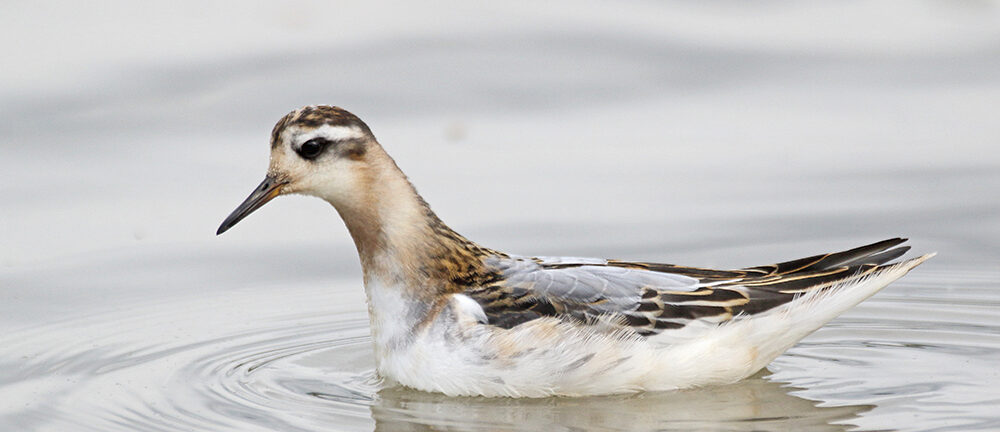
Our first day is spent exploring the RSPB reserve at Titchwell and its environs. Anything can turn up here, but we are especially hoping for shorebirds. Late flushes of passage waders can produce species such as Little Stint, Curlew Sandpiper, Ruff and Green Sandpiper while we expect Pied Avocet to be present in good numbers. Smaller numbers of Spotted Redshank, Common Greenshank and even a Jack Snipe can also be expected while Pectoral or White-rumped Sandpipers can occur. On the beach, species such as Bar- tailed Godwit, Grey Plover Knot and Sanderling should be present. Bearded Tit, Marsh Harrier and Water Rail are resident and a passing Peregrine is likely to cause panic over the marsh. Little Egret and Eurasian Spoonbill are both regulars here and this is a good time for a passing Grey Phalarope to be blown onto the reserve. Offshore, correct winds can still produce movements of skuas, gannets, fulmar, kittiwake and wildfowl, with large flocks of Common Teal and Eurasian Wigeon in particular making their way by. These returning wildfowl will also include Brent Goose, Common Eider, Red-breasted Merganser and Common & Velvet Scoter. We also take time to visit the nearby farmland for Corn Bunting, Yellowhammer, Stock Dove and Grey and Red–legged Partridges, while Little Owl is sometimes seen here. At Flitcham Abbey Farm, a Water Rail may be feeding by the hide and the Common Kingfishers should still be buzzing up and down the river. Little Owl is on the cards here along with Bullfinch, Tree Sparrow, Marsh Harrier, Common Buzzard and flocks of geese feeding in the fields. Rough-legged Buzzard has been seen in this area in the past.
DAY THREE
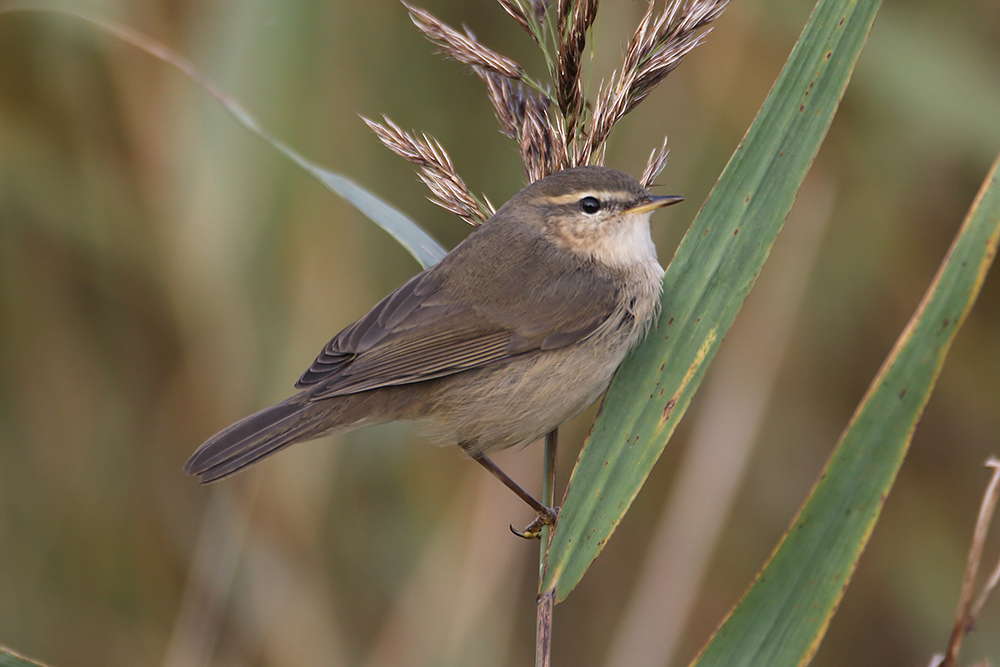
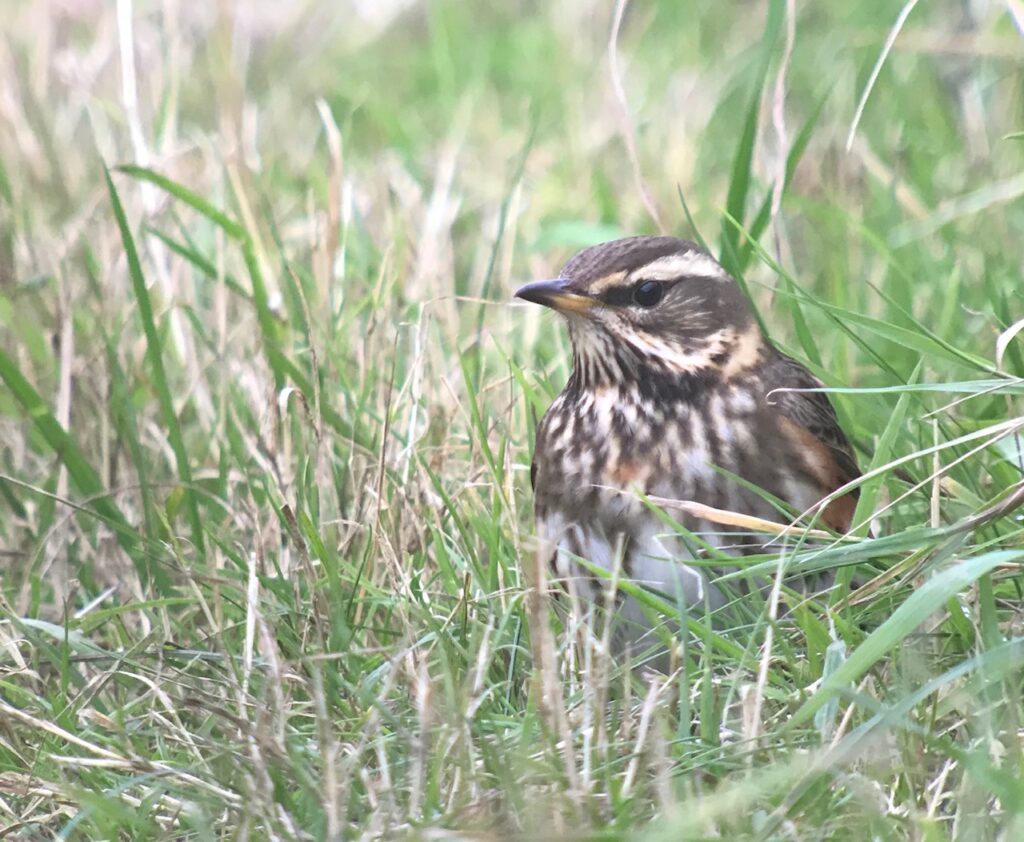
Heading south into Thetford Forest, we visit Lynford Arboretum for a variety of woodland species. Our target bird here is Hawfinch, though they can still be very difficult to locate this early in the season. Common Crossbill is a real possibility and groups of Eurasian Siskin, Brambling and Redwing are often present. Perhaps if the season is late we may also be able to find one or two Stone Curlews prior to their southbound migration. The rest of the day will depend on the appearance of any rare birds at the coast and we may visit the excellent, but rather understated area at Stiffkey. Brent Goose should be arriving in good numbers and several species of common shorebirds can be expected. Vagrants along this stretch of coast have included both Dusky and Radde’s Warblers at this time of year, while we saw Little Bunting here in 2005 and a late scarce migrant could appear especially around the campsite wood and west to the ‘whirligig’. We will also visit Stiffkey Fen, an area of open water that often attracts large numbers of wildfowl and shorebirds such as Green Sandpiper, Common Greenshank and Common Snipe. Black Brant has become annual here while a Lesser Yellowlegs over wintered in recent years. The nearby salt marshes of Warham and Wells provide an excellent opportunity to look for Hen Harrier in late afternoon with a superb male often present, while Short-eared Owl and Merlin are again possibilities.
DAY FOUR
Today, we head along the coast to the splendid reserve at Cley. Anything can and often does turn up here. Wildfowl should include Gadwall, Northern Shoveler and Egyptian Goose and skeins of geese often move through at this time of year. Other resident species that we hope to encounter include Bearded Tit, Marsh Harrier and Barn Owl. Shorebirds should also be present in good numbers with species similar to Titchwell likely to be seen. Along the shingle ridge late Wheatears should be scrutinised as both Pied and Desert have been recorded here! Offshore, we have more opportunities to look for passing seabirds which in the right conditions can include the odd skua, good movements of wildfowl and waders and perhaps something rarer! Flocks of Dunlin and the first groups of European Golden Plover are typical here at this time and again we will be keeping an eye out for anything unusual such as American Golden Plover which has been seen in the past. Whatever happens, it is likely to be an interesting day. Whilst in the area, we also pay a visit to Kelling Water Meadow, which has held several vagrants over the years, and Salthouse where we may encounter an early Shore Lark or Snow Bunting as well as more shorebirds and gulls.
DAY FIVE
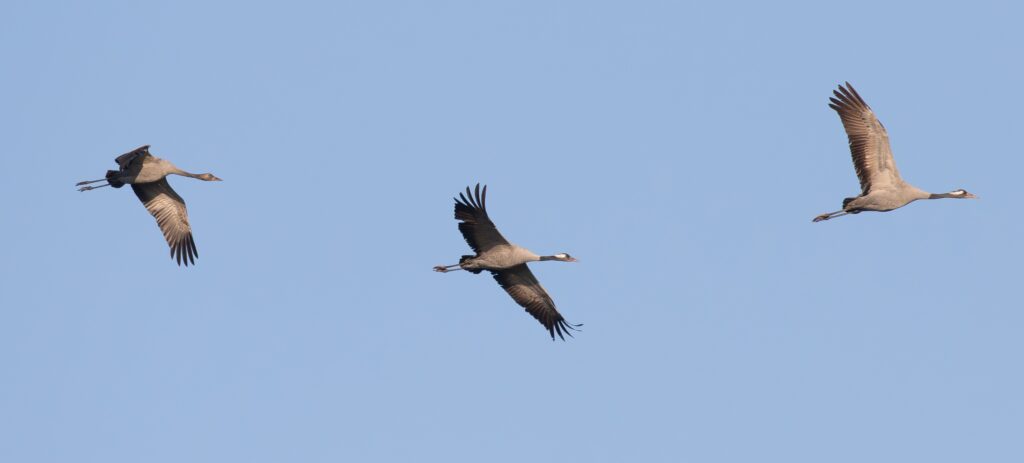
We head to the East Coast of Norfolk visiting various sites. Common Crane is our target bird with the small resident population supplemented by continental birds at this time. They often feed quietly in the fields in family groups and we know their favourite spots well, though they can be surprisingly difficult to find for such a large bird! At Waxham the clumps of wind stunted trees along the dune network have hosted Pallas’s and Hume’s Yellow-browed Warblers on previous late autumn visits, while Black Redstart, Firecrest and Yellow-browed Warbler are reasonably regular and Red-flanked Bluetail has also been recorded in exceptional fall conditions. In the Yare Valley we may visit Strumpshaw or Buckenham reserves where large flocks of wildfowl may be found, and a hunting Peregrine or Merlin is regular. Water Pipit over winters and Cetti’s Warbler may be heard delivering its explosive song from riverside scrub. The finale to our day in east Norfolk will be provided by our visit to a raptor roost in late afternoon when large numbers of Marsh Harriers will be coming in to roost. Up to thirty birds can appear here later in the winter though a dozen is normal and we may also see Hen Harrier, Merlin, Barn Owl, Great Bittern and Chinese Water Deer, with hopefully a group of Common Cranes bugling overhead as they gather at their roosting spot for the night. *Please note we may decide against a visit to the roost if the season is mild and few birds are being seen there. Instead we will work other sites along the coast between Horsey and Winterton, or visit the excellent new reserve at Potter Heigham Marshes.*
DAY SIX
In Holkham Bay, we may be lucky enough to find Shore Lark though they have become very scarce in recent years – it would be more likely to find a Snow Bunting or two. Rock Pipit is regular while offshore we will be checking for sea ducks. Eider, Red-breasted Merganser, Great Crested Grebe and Red-throated Diver are regular, while with luck we could encounter both Red-necked and Slavonian Grebes here at this time of year. Out on the fresh marsh, the Pink-footed Geese numbers will be well into the thousands and we will be checking through them for a scarce Tundra Bean Goose, Barnacle Goose or Russian White-front. Snow and Red-breasted Geese have both been recorded here while the massive flocks of Eurasian Wigeon and Common Teal too should be checked for their respective American cousins. Black-tailed Godwit and Northern Pintail often frequent the pools and this is another very good area for raptors, particularly Marsh Harrier and Peregrine. Barn Owl is common and often hunts during the day, while a spectacular Short-eared Owl often puts in an appearance here in late afternoon. In Wells Woods and/or Holkham Pines, migrants could include Yellow-browed and Pallas’s Warblers [both annual here] while Firecrest is likely. This is a great place to witness large arrivals of winter thrushes from Scandinavia in the right conditions, as well as enormous roving flocks of Goldcrest recently arrived from the continent. Ring Ouzel could still appear while Lesser Redpoll, Eurasian Siskin and Brambling pass overhead. Common Crossbill too, has become more reliable here at this time of year and small groups are often encountered in the pines. Many rare birds have been noted here including Radde’s and Dusky Warblers, Olive–backed Pipit and Red-flanked Bluetail. Whatever the weather, the area usually turns up something of interest and we have recorded Red-breasted Flycatcher and Yellow-browed Warbler regularly on previous tours.