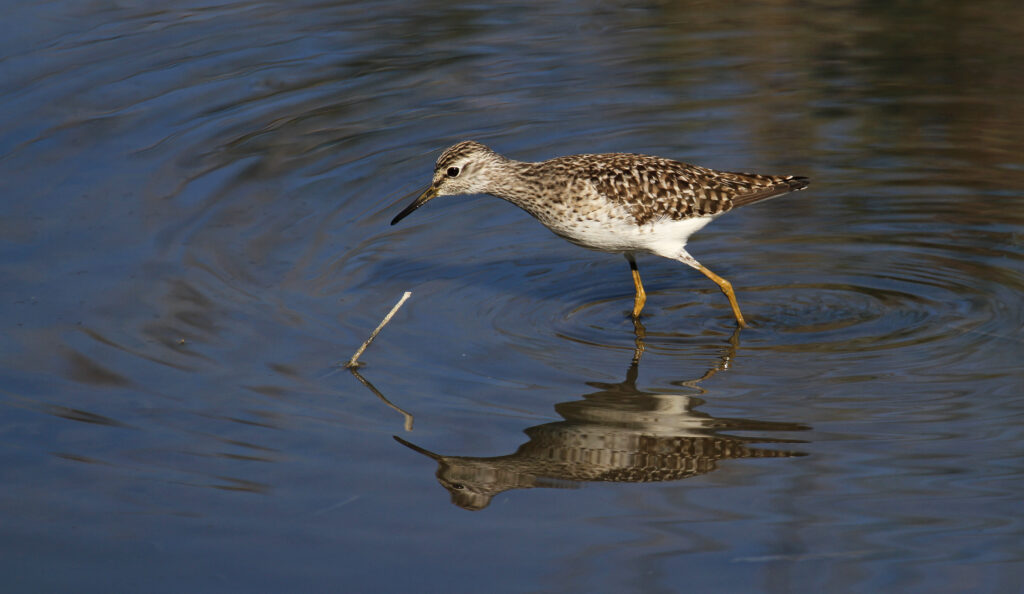
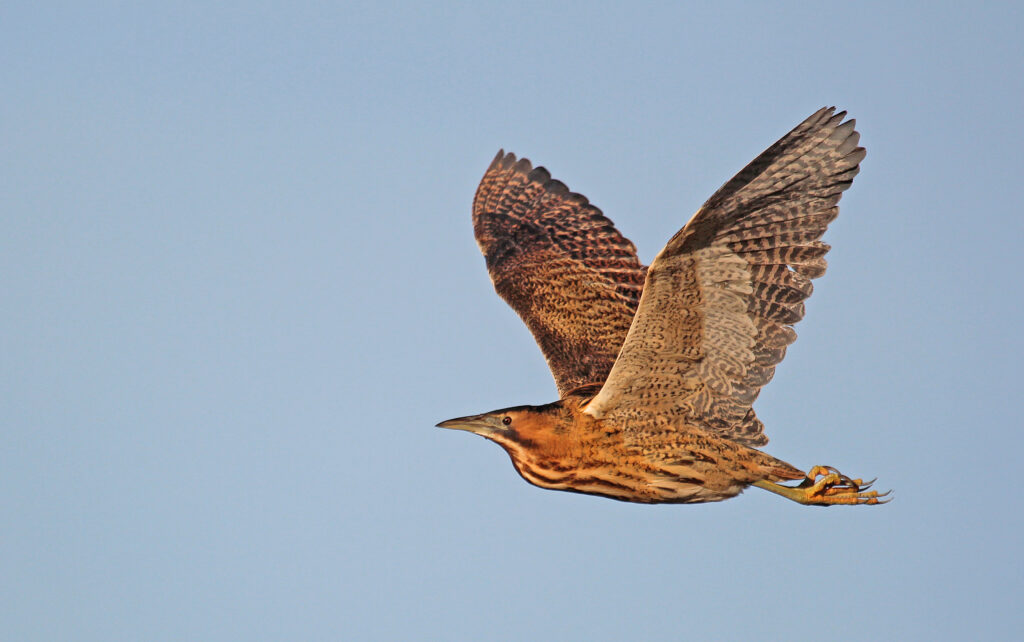
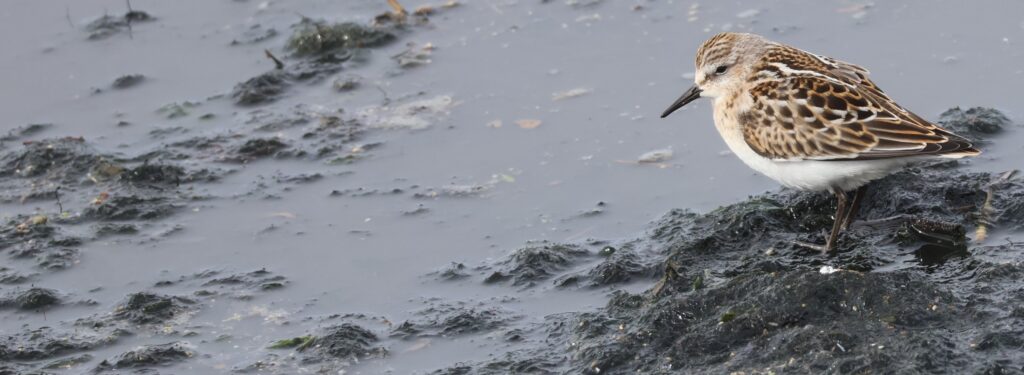
We are pleased to introduce this new spring tour to be based at the excellent Dairy Barns on the edge of Hickling village. Early May is a superb time to be birding in Norfolk and Suffolk with the breeding season in full flow and many species in full song. Reedbeds come alive with the sound of Cuckoos, booming Bitterns and singing warblers. Freshwater pools are visited by passage waders such as Wood and Curlew Sandpipers and Little and Temminck’s Stints. We have designed this new itinerary to take in as much of Norfolk and Suffolk’s excellent spring birding as possible.
One of the stand-out highlights of the tour will include a day in Minsmere area of Suffolk. Here we’ll visit heathlands frequented by Nightingales, Dartford Warblers and Woodlarks, and spend time on the famous Minsmere RSPB reserve with its extensive reedbeds and freshwater pools covered in breeding waterbirds and passage waders. We will spend a day in the Norfolk Broads, birding some of the excellent nature reserves including Strumpshaw Fen and Hickling Broad. And our final day will be on the North Norfolk coast around Cley Marshes and its excellent wetland and coastal birding. Throw in a visit to Norfolk’s only breeding Ospreys, Nightjars, and a good chance of a rarity or two, it’s sure to be a memorable tour! Jonathan Farooqi will be your leader.
DAY ONE
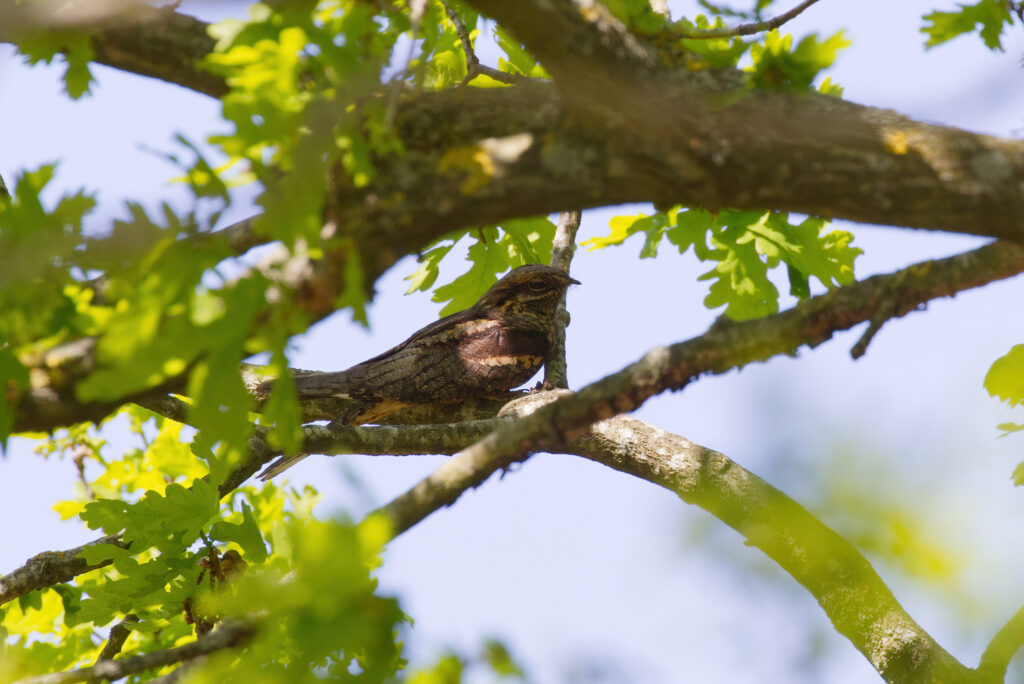
Check in late afternoon at Dairy Barns on the edge of Hickling. Your guide will meet you for pre-dinner drinks and a chat about the birding days ahead at 18:00. After dinner we will make our first excursion of the tour to Winterton where we will look and listen for Nightjars along the edge of the dunes.
DAY TWO
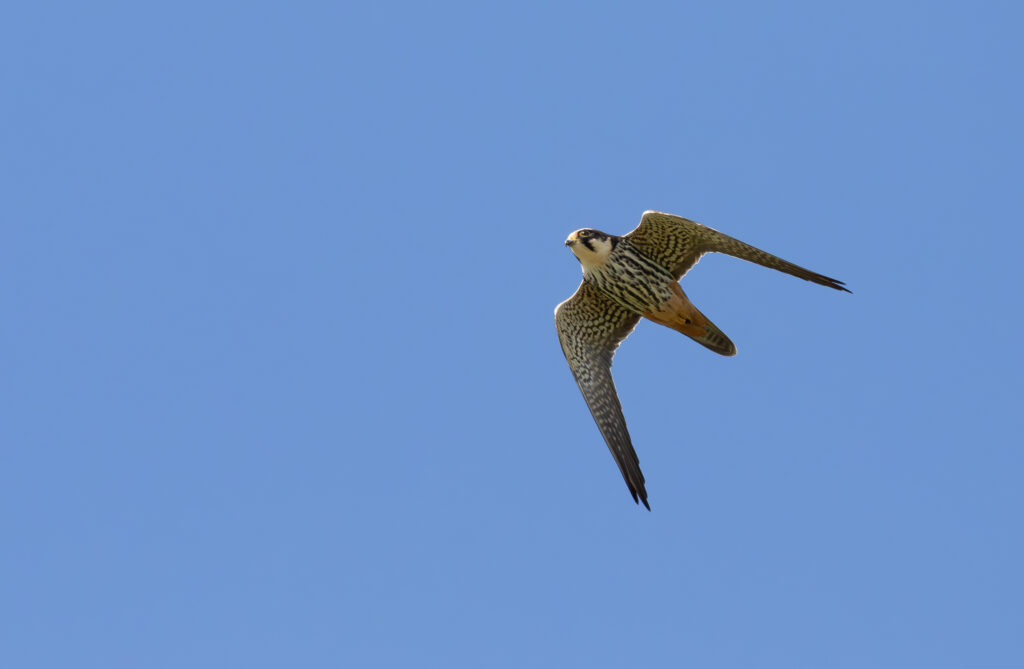
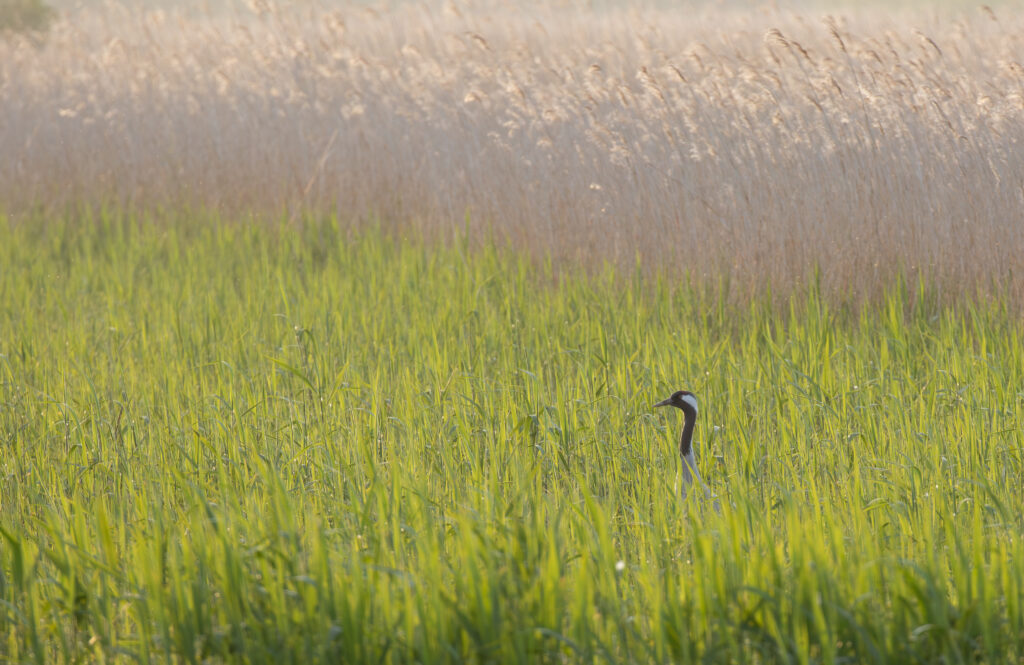
We will begin the day in the Mid Yare Valley, in particular at Strumpshaw Fen RSPB reserve. At this time of year, the reserve’s reedbeds come alive with the sound of singing warblers, cuckoos and booming Bitterns. We will watch Marsh Harriers soaring over the reeds and will keep an ear out for a singing Grasshopper Warbler or two. In the woods we stand a good chance of seeing Marsh Tit, and we may get lucky with an early Spotted Flycatcher. Having finished up at Strumpshaw, we will make the short journey around to the neighbouring RSPB reserve at Buckenham Marshes. The extensive wet grasslands here are excellent for waders and frequently produce scarcer species such as Wood Sandpiper, Ruff and Garganey in early May. Later in the day we will visit Ranworth Broad where Ospreys bred successfully in 2025 for the first time in East Anglia for over 250 years, and then head onwards towards Hickling Broad. At Hickling we will spend some time birding Brendan’s Marsh which is one of the best places for rare waders in the county. Little and Temminck’s Stints often call-in during early May and there is always a chance of something even rarer such as the White-tailed Lapwing which turned up in 2022. The reedbeds are home to Cranes, Bitterns and Bearded Tits, and Hobbies often hunt overhead. After dinner there will be time for to explore the hotel and farm’s 360 acres of land.
DAY THREE
Our third day will be spent down in Suffolk where we will bird the superb mosaic of habitats around Minsmere. We will begin at Westleton Heath where Nightingales sing from the scrub, and we will search for Dartford Warblers and Woodlarks among the heather. We may also be able to find one or two of the Stone Curlews which breed in the area. Next, we will make the short journey to the famous Minsmere RSPB reserve. There are few better places to spend the best part of a day’s birding at this time of year. The extensive reedbeds hold excellent numbers of Bitterns which we stand a good chance of seeing, along with Bearded Tits, Marsh Harriers and breeding warblers. On the scrapes, we will watch the breeding gulls, terns and waders and the reserve is good for species such as Wood Sandpiper, Garganey, Little Gull and Spotted Redshank. This is another locality which often produces rarities during the spring, and you never know what might turn up. We will also walk through the reserve’s woodlands and dunes and keep an eye out for the interesting other wildlife which calls the reserve home. We will spend much of the day making the most of our visit to Minsmere but, if time allows on the journey back to Hickling, we may call in to scan the Blyth Estuary for waders and other waterbirds.
DAY FOUR
Our final day will be spent birding the North Norfolk coast. On our drive up there, we will call in at one of the few sites in central Norfolk which still hosts breeding Turtle Doves and may have another chance to find them around Kelling Heath. Here we hope to see more Dartford Warblers and Woodlarks before driving down to Cley Marshes. We will scan the pools for breeding and passage waders and herons. Perhaps a summer plumage Curlew Sandpiper or Temminck’s Stint may make an appearance. There may be a few Brent Geese still waiting to depart for their Siberian breeding grounds, and we will scan offshore for seabirds. Nearby Blakeney Point holds good numbers of breeding Little and Sandwich Terns and we should see some commuting between feeding trips. It really promises to be a superb few days of spring birding! The tour concludes around 15:00 to allow for the onward journey home.