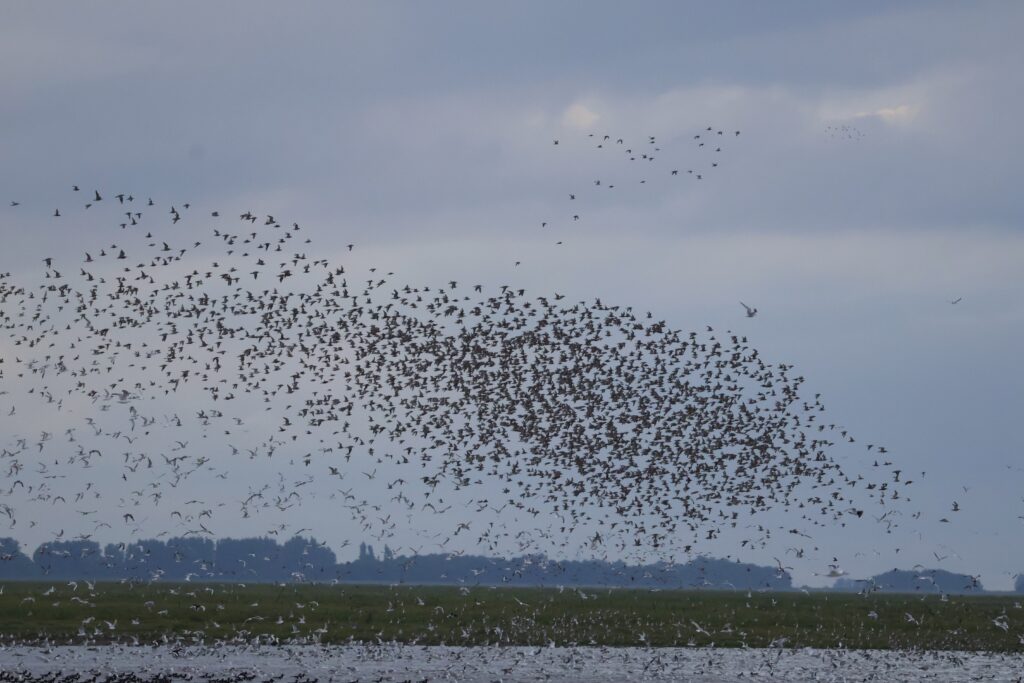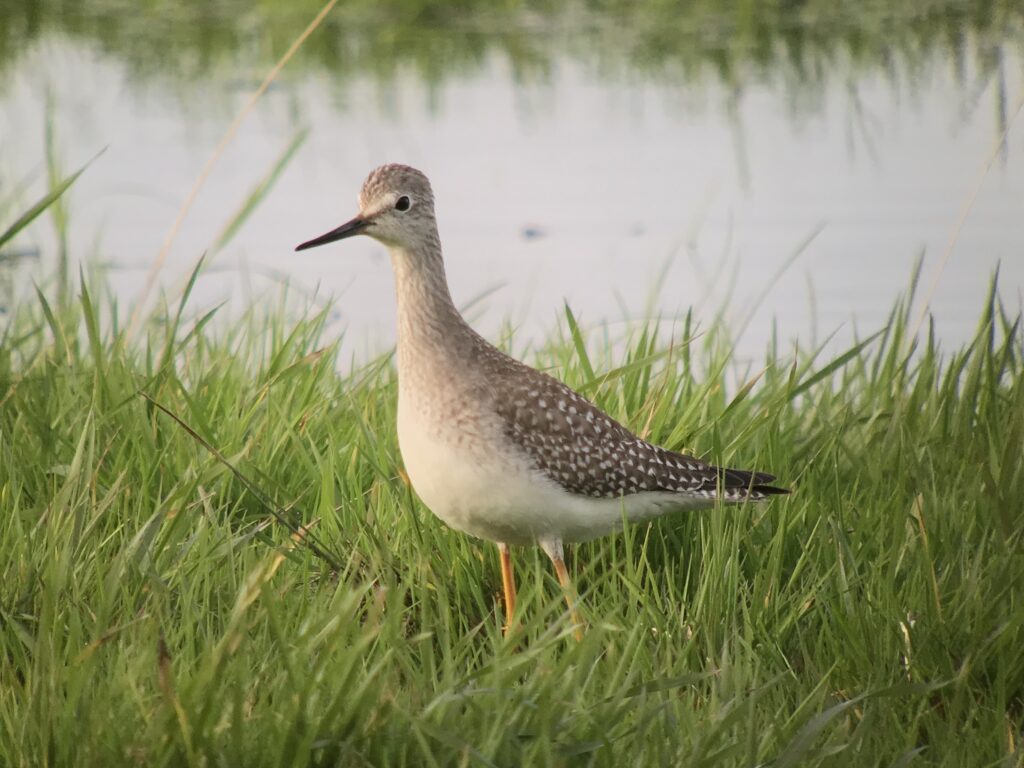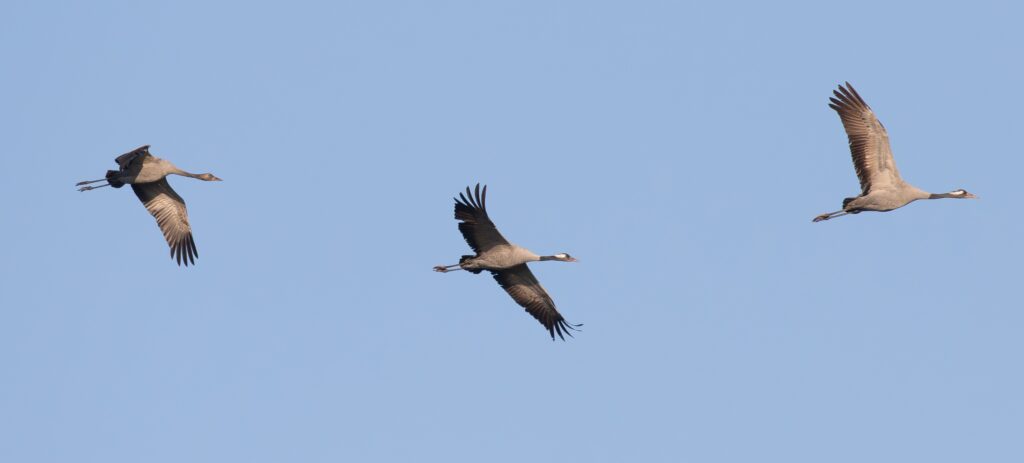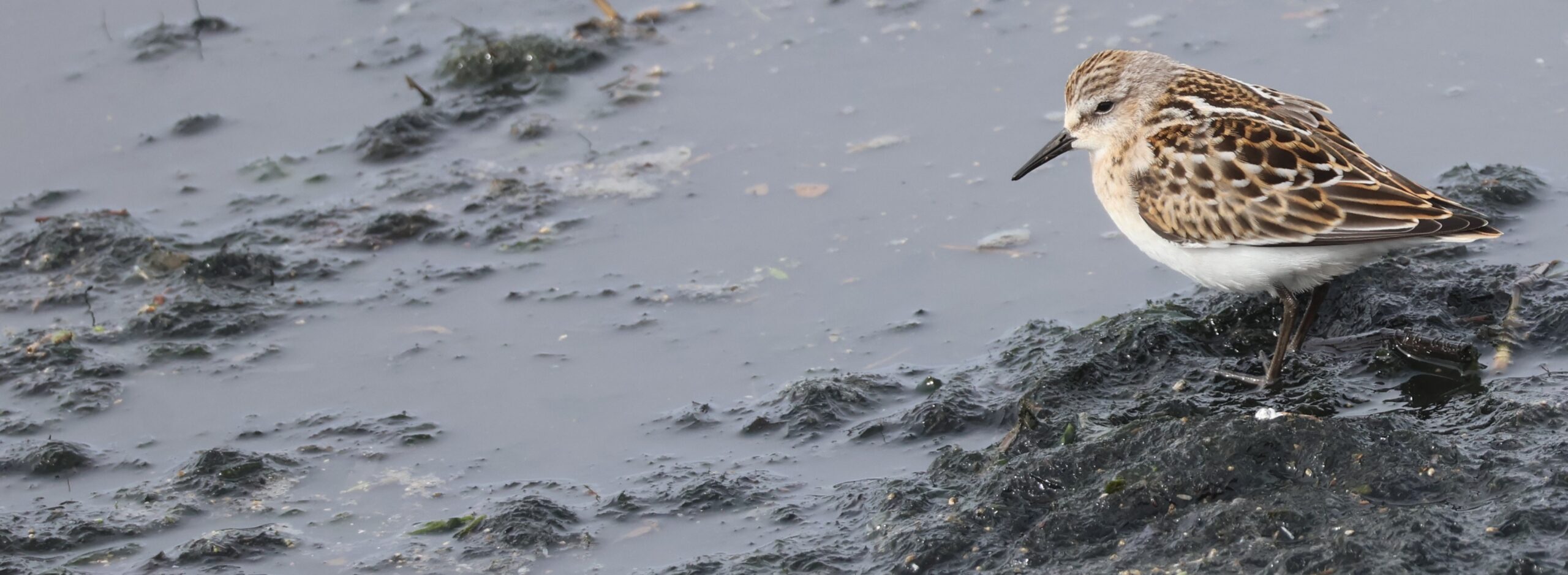
Late summer in Norfolk is a time of plenty as balmy summer days offer great birding opportunities during the start of the southbound autumn passage. For many birdwatchers, this is thought of as a quiet period in the avian calendar but with Norfolk’s diverse range of habitats, vast coastal marshes and strategic geographical position, scarce and rare shorebirds often occur at this time as huge numbers of birds start to head south. Our itinerary on this Norfolk birding tour will be flexible to take into account the weather and presence of anything unusual, but we are bound to spend a great deal of time observing the vast concentrations of shorebirds that congregate on the pools at Cley Marshes and Titchwell RSPB reserve. This gives participants a chance to get to grips with this, one of our trickiest groups of birds to identify, as the waders pass through in their variety of guises both adult and juvenile.
The sea can be rewarding at this time and if the tour coincides with onshore winds, skuas, shearwaters, terns, ducks and waders can pass by. Throw in excellent birding on the Wash at Snettisham for the whirling flocks of shorebirds over the high tide roost and you can see why we are passionate about Norfolk at this time of year! You can expect to walk four to five miles per day on mostly easy terrain, though the walk at Snettisham is of about five miles on mainly shingle. Your tour leader will be Ashley Saunders and you can expect to see approximately 120 species on this exciting Norfolk birding tour.
Check into your accommodation at Briarfields in Titchwell late afternoon and meet your guide at 1800 for pre-dinner drinks and a chat about the plan for the days ahead.
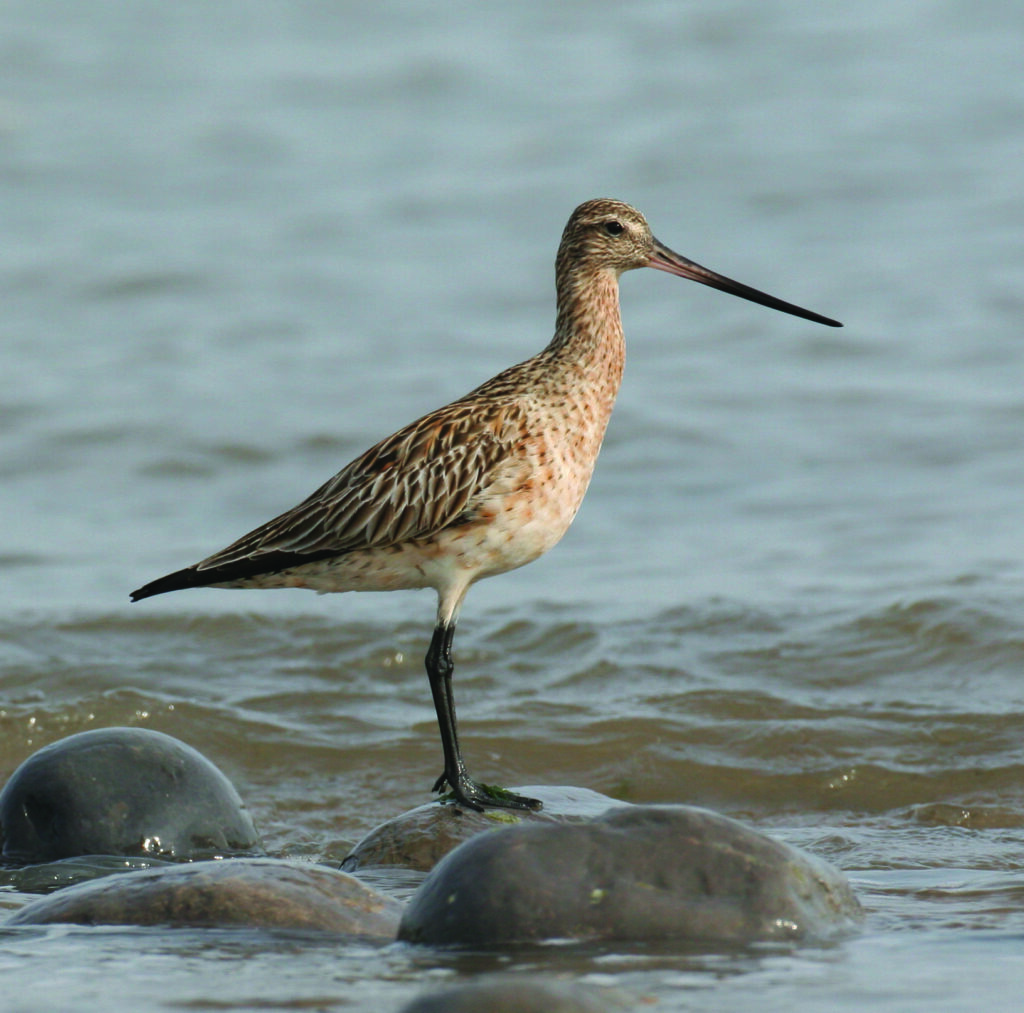
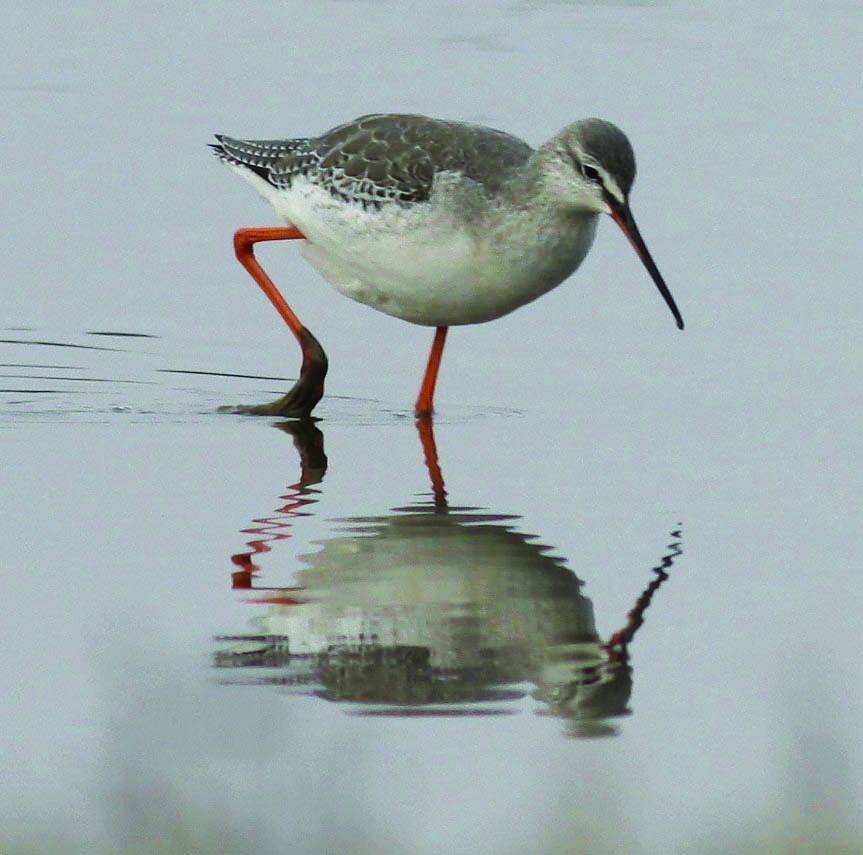
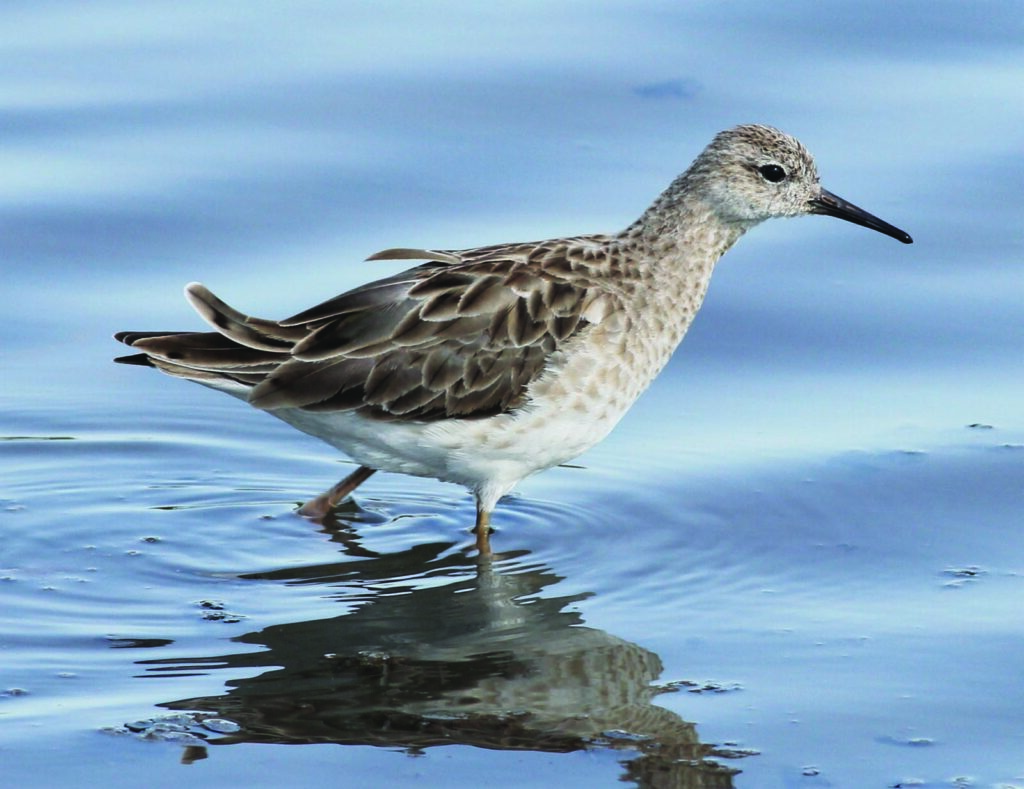
We spend our first day exploring the pools, scrapes and reed beds around the Cley reserve. Passage is in full swing and over twenty five species of shorebirds could be recorded on this tour. From the hides, close views may be had of large flocks of Black-tailed Godwit and Dunlin, with smaller numbers of Ruff, Spotted Redshank, Common Greenshank, Common, Green and Wood Sandpipers, Curlew Sandpiper, Little and sometimes Temminck’s Stints, European Golden Plover and Pied Avocet. In late summer, duck numbers build dramatically and this is one of the best times of year to connect with Garganey. Bearded Tits are very conspicuous in the reed beds now as they have parties of young on the wing and Marsh Harriers too can be seen in large numbers. Reed and Sedge Warblers are just departing, and on Arnold’s Marsh, terns congregate in large numbers before their journey south. In recent years, this has included the beautiful Roseate Tern, though Lesser Crested has also been seen more than once. Gull flocks include frequent Little, Caspian, Mediterranean and Yellow-legged at this time of year and other species noted around the reserve might include Cetti’s Warbler, Common Kingfisher and Water Rail. Seawatching from Cley coastguards can be very productive in onshore winds but even when conditions are not favourable; it is possible to get good views of loafing Arctic Skua and passing Little Tern.
Our final day will be spent according to the presence of any rarities, and hopefully we will have the opportunity to do some seawatching in north or north-westerly winds. August is prime time for skua passage and Arctic and Great can pass in good numbers in the right conditions along with small numbers of Pomarine and Long-tailed. Manx, Sooty and even occasional Balearic Shearwaters are noted and Cory’s was noted in 2007. August seawatching also produces a good species range as ducks including Greater Scaup, Common Eider and Common Scoter, shorebirds such as Whimbrel and godwits and Little, Arctic, Sandwich, Common and sometimes Black Terns pass by. Alternatively easterly winds could see us visiting Wells woods or Holkham meals in search of migrant warblers, often including good numbers of Willow Warbler, Common Chiffchaff and Blackcap. Small arrivals of continentalt drift migrants can start occurring from the first week in August, and this is the time we normally see the first Pied Flycatchers of the autumn, as well as Common Redstart and sometimes Greenish Warbler. The tour will conclude around 1600, with transfers back to King’s Lynn railway station and Titchwell.
Briarfields Hotel at Titchwell with en suite rooms throughout.
Three nights accommodation, meals from dinner on day one to lunch on final day, services of leader, transport and reserve entrance fees.
Transport to/from Norfolk and any overnight stay that might be involved, travel insurance, drinks and any items of a purely personal nature.
Kings Lynn