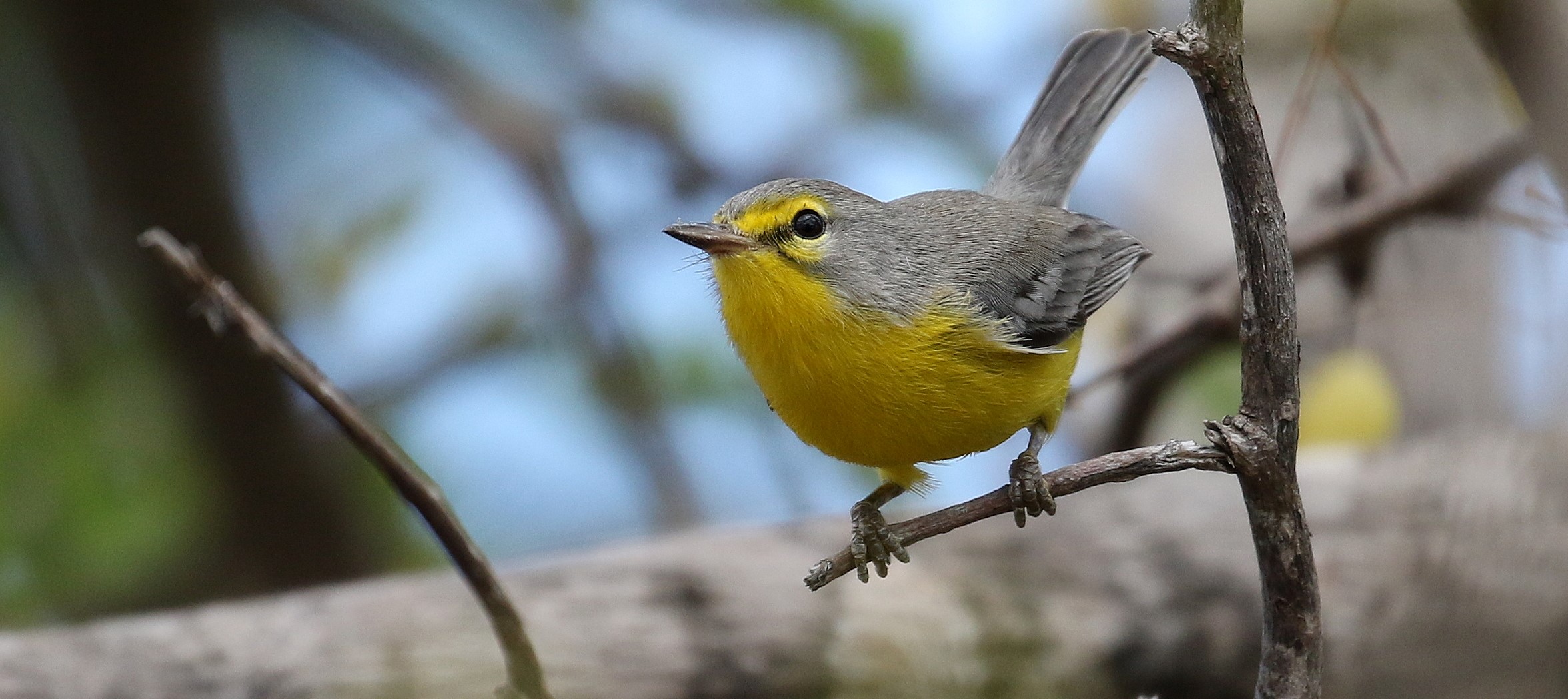
A single birding trip targeting the many varied and wonderful endemics to be found in the magical islands of the Lesser Antilles has long remained out of many birders’ reach – until now. We are delighted to team up with Caribbean birding expert Ryan Chenery to deliver this most audacious and exciting of tours to mop up the endemics of the Lesser Antillean island chain. These 10 stunningly beautiful Caribbean islands form the eastern border between the placid Caribbean Sea and the mighty Atlantic Ocean. Each tropical island gem is separated by sparkling turquoise seas and boasts rich wetlands, vast open grasslands, dynamic coastlines and lush tropical rainforests. These diverse and varied habitats are home to a lengthy list of highly threatened single-island endemics and near endemics, along with a host of indigenous regional specialities unique to the Southern Caribbean.
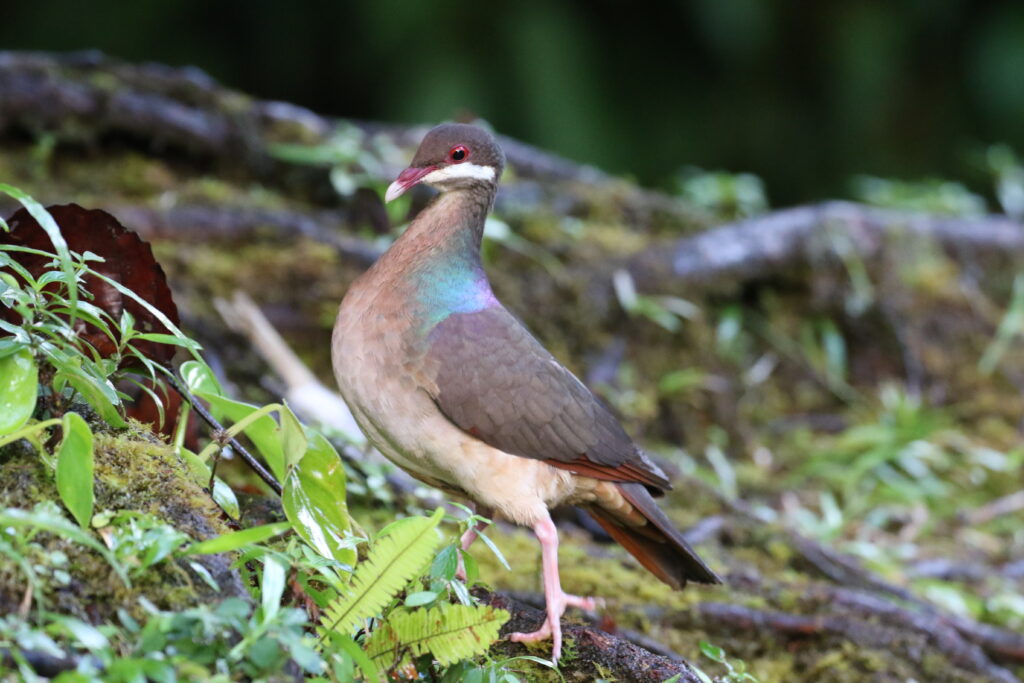
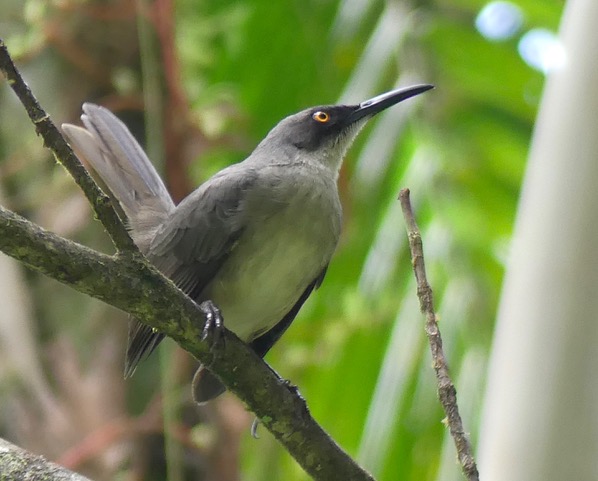
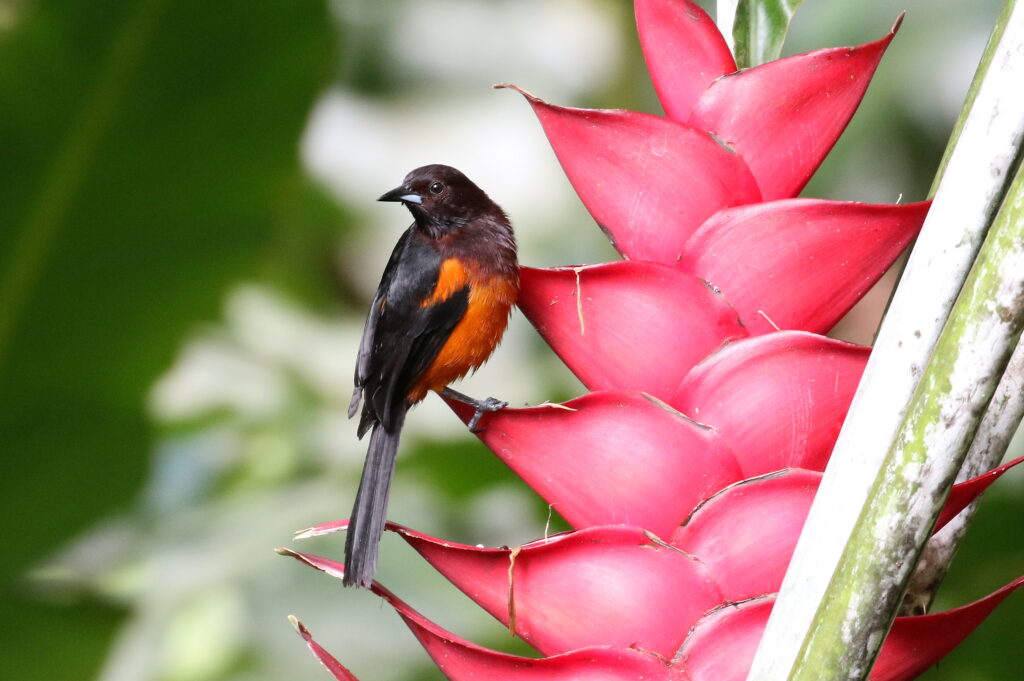
We’ll get you close to stunning and often critically endangered single-island endemics and range-restricted regional endemics such as the Whistling Warbler in St.Vincent; the majestic Imperial Amazon in Dominica; the dazzling Purple-throated Carib and bemusing Gray Trembler on St.Lucia; the flame-breasted Montserrat Oriole on the “Other Emerald Isle”; and rarest of them all, the gentle, unassuming Grenada Dove, still found serenely walking the pathways in the only area of suitable habitat remaining on the “Spice Isle” of Grenada. We also have the potential for encounters with whales, dolphins, marine turtles and several pelagics while crossing the crystal clear waters between islands… and do all this while travelling to some of the most sought-after holiday destinations on the planet.
This truly is an epic birding adventure quite unlike any other on the planet and is sure to yield spectacular sightings and leave you with long-lasting memories. Add to this the fact that the region has long remained off the birding map, leading to numerous species splits only now being researched and / or proposed for future classification – and this promises to be a trip which has the potential to keep on giving for years to come! Ashley Saunders will team up with Ryan Chenery for this tour, joining Ashley’s knowledge and enthusiasm for Neotropical birding with Ryan’s unrivalled local knowledge of the birds and logistics.
DAY ONE
Fly London/Barbados and meet with Ryan on his native island – an island renowned the world over for its breathtakingly beautiful white sand beaches and crystal clear turquoise seas. After making the short 15 minute drive from the airport to our beachfront hotel located on the glittering southern coastline, we enjoy a stroll along the beach or lounge by the pool (cocktail in hand should you so desire).
As dusk approaches, the West Indian mahogany trees that surround our hotel are filled with the calls of Scaly-naped Pigeons selecting their favored roosts, and the fluttering wings of Velvety Free-tailed Bats and the regional endemic Myotis nyctor as they set out to feed. Food is also on our minds, and we’ll set off from our hotel on a sunset stroll along the beach to the small fishing village of Oistins, where we’ll tuck into a delicious dinner of freshly caught grilled fish, shrimp, or lobster (other meats and veggie-only options also available).
DAY TWO
Located a mere 5 minutes from our accommodation is one of the most productive wetlands on the island. Here we have the opportunity for sightings of many of the island’s unique birdlife, including nominate Yellow “Golden” Warbler, near-endemic subspecies of Carib Grackle (and likely split to Barbados Grackle), endemic subspecies of Caribbean Elaenia, and of course the plucky Barbados Bullfinch. Long dangling aerial roots of Rhizophora mangle in the thickets at the water’s edge provide
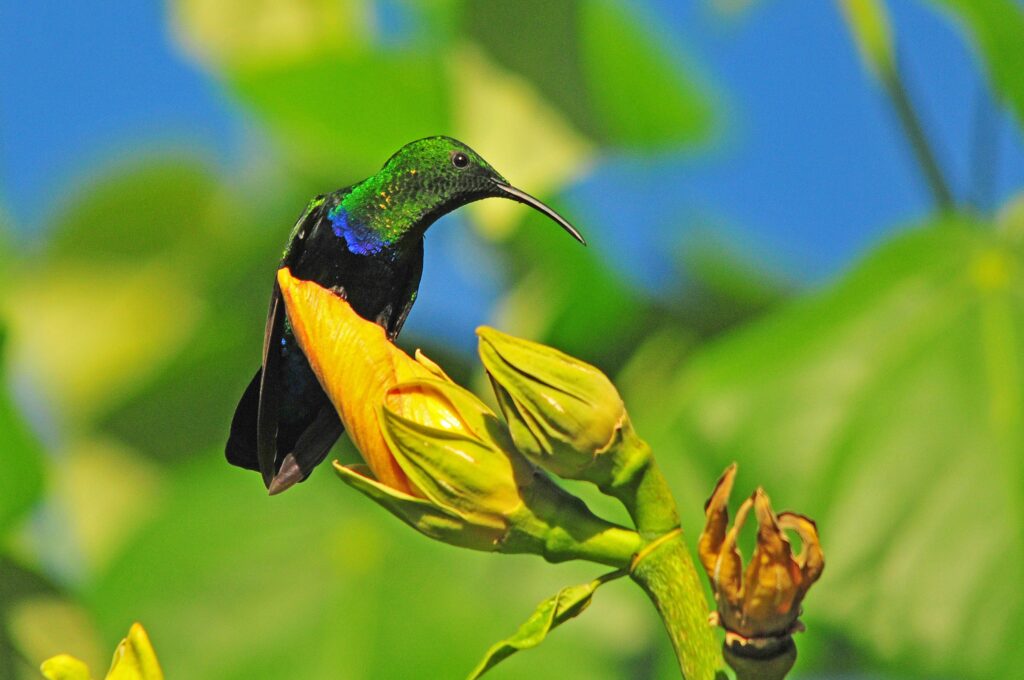
shelter for skulking Green Herons and Barbados Anoles along with armies of fiddler crabs. While birding the wetland, we’ll also have excellent opportunities for views of Grey Kingbirds, as well as up-close encounters with dainty Antillean Crested Hummingbirds and stunning Green-throated Caribs. This is also prime habitat for troops of Vervet monkeys (“Barbados Green Monkey”).
After returning to our hotel for an elaborate buffet breakfast enjoyed on an open air verandah perched over the sea, we take pre-arranged transport into the heart of the island, where idyllic and little-known lily ponds harbor Masked Duck, the endemic subspecies of Common Gallinule and Black-bellied Whistling
Duck. On an island this small nothing is very far away, and following birding, we make the short 15 minute drive to the airport and a 45-minute flight into the wilds of Dominica.
With its innumerable waterfalls and a river for every day of the year coursing through her vast tracts of primary rainforest, Dominica is affectionately known as “the Nature Island of the Caribbean,” and offers a snapshot into what many of the more developed islands of the region would have resembled in years gone by. Upon arrival, we are collected by pre-arranged transport, and taken to our family-run hotel perched atop a sea cliff overlooking rugged black sand beaches. Here, we enjoy a light lunch at the hotel’s cliff-top restaurant before setting out in the afternoon into the Northern Forest Reserve.
We likely won’t have to travel far before the calls of an array of wondrous Lesser Antillean species give our van cause to pull off the dirt track to investigate. Species possible during a veritable barrage of sightings of near-endemics and birds indigenous to the region include Lesser Antillean Pewee and Zenaida Dove, pairs of delicate Plumbeous Warblers dancing delightfully amongst the creeping vines dangling tantalizingly close to our heads, the deeply rufous endemic subspecies of House Wren (likely to
soon be upgraded to full species status), and the always inquisitive Lesser Antillean Saltator. As our van climbs ever higher along the track, we scan the roadside for the albiventris subspecies of the Eastern Red-legged Thrush. We should also see Tropical Mockingbird (subspecies antillarum). Upon arrival back
at our clifftop accommodation, we have a fabulous view of the setting sun and enjoy a well-earned cocktail before tucking into a Creole-inspired dinner.
DAY THREE
This morning we’ll wake to the aroma of rich Dominican coffee as we set off before dawn in order to give ourselves the best opportunity to see one of the rarest species not only in the region, but on the entire planet: the majestic Imperial Amazon. Interestingly Dominica is one of only two countries in the Caribbean that is home to two endemic Amazona parrot species: the Imperial and the Red-necked Parrot (Jamaica, almost 15 times the size of Dominica, being the only other). Deep in the cloud forest, overlooking richly forested valleys with the distant sound of thunderous rivers coursing far below us, we’ll scan the towering emergent trees for the undisputed avian monarch of this
land. Its more gregarious cousin, the Red-necked Parrot, should provide far more frequent entertainment, as small flocks awaken to flutter from one fruiting tree to another. A bit later, as the sun’s
rays begin to filter down towards the forest floor, the trapline habits of the near-endemic Blue-headed Hummingbird will ensure that we regularly turn our attention to small groves of Costus spictatus and
flowering bromeliads. Fifty-five species of butterfly—including regional endemics such as Dominican and Godman’s Hairstreaks, Godman’s Leaf, and St. Lucia Mestra—have been recorded on Dominica. These, along with the more wide-ranging West Indian Mangrove Buckeye and Cassius Blue, will ensure that we won’t ignore other sunlit areas of forest floor during our time in the forest. We spend as long this morning as needed awaiting the odd creaky metallic call of the mighty Imperial – one of the most reliable
means of honing in on its position. Lunch will be taken in the field at the recently renovated Visitor Center, before returning into the cloud forest to again target the Imperial (if we were not fortunate enough to see it in the morning). These well maintained forest trails are also home to a number of other species of interest including Lesser Antillean Bullfinch and the dazzling and positively gigantic Purple-throated Carib. On our drive back along the coast, we will stop at a small village, where we have a very good chance of seeing a bird currently classed as an endemic subspecies of Ashy-faced Owl, but one that is almost certain to be elevated to a full Lesser Antillean endemic species in the near future. Dinner will then be taken back at our hotel.
DAY FOUR
After a delicious breakfast enjoyed atop the towering cliffs, we take a leisurely stroll down to the black sandy shores below and here are treated to flybys of Brown Pelican, Roseate, Royal and Cayenne Tern; and in the dry forests and coastal scrub, enjoy views of resting Yellow-crowned Night Heron and Little Blue Heron along with frantically flitting Black-faced Grassquits and Common Ground Dove. A late morning flight to the French Overseas Territory of Guadeloupe follows. This is a remarkable island
for birding, for its forests provide glimpses of some of the more secretive species rarely seen on other islands. Bridled Quail Dove can often be seen walking at our feet, and within the Parc national du Guadeloupe, the otherwise often elusive Forest Thrush frequents roadside verges and feeds beneath picnic tables!
The Guadeloupe Woodpecker (sole endemic woodpecker in the region) has somewhat unconventional habits, with birds often seen dangling upside down directly above roadsides while clinging to slender swinging branches and plucking ants from clusters of berries. Odd? Yes. But they certainly provide a fabulous show!
Other species that frequent the lush forests of Guadeloupe include the Lesser Antillean endemic Brown Trembler – often seen displaying by lifting their wings, cocking their heads and tail, and trembling; the often brazen and always opportunistic Pearly-eyed Thrasher, and the Lesser Antillean endemic Scaly-breasted Thrasher .
Following a picnic of charcuterie, fromage and pâté, accompanied by freshly-baked crusty french baguettes and washed down with a local Ti’Punch (Guadeloupe’s take on a Caipirinha) we make our way back to our hotel. Here, we can relax around the pool for the remainder of the afternoon, or take a 20-minute walk to the white-sand beach for a dip in the refreshing turquoise waters before dinner.
DAY FIVE
Today we arrive on the heavily forested island of Martinique. Already, by this stage in our travels along the island chain, any prior belief that a visit to one Lesser Antillean island is akin to visiting another is likely to have vanished. The stark differences in topography, culture, industry and development, along with the varied socio-economic differences in populations, ensure that a visit to the islands of the Lesser Antilles is very much an exploration of 10 very individual and unique islands.
The small bistros and cafes that line the main courtyard of the thriving capital city of Fort-de-France and the feverish games of boules played on well-manicured pitches are unlike anything we will have seen on previous islands.
Martinique is the oldest of the islands in the Lesser Antilles, and it therefore follows that it is here that we’ll encounter the nominate of three of those species that have filtered out to other islands over
millennia – the Lesser Antillean Bullfinch, Gray Trembler and Rufous-throated Solitaire. But the island also boasts a stunning single-island endemic in Icterus bonana, the Martinique Oriole. While in some truly spectacular primary forest, we’ll also be looking for Black-whiskered Vireo and Blue-headed Hummingbirds (in case this delightful near-endemic hummer has proven elusive in Dominica) as well as targeting the striking rufous-hooded “Mangrove Warbler” and Ruddy Quail Dove. After lunch we trade lush tropical forest for dry coastal forest and an audience with an entirely new cast of characters – headlined by the near-endemic White-breasted Thrasher. Returning to our hotel, there is
time for a relaxing swim in the pool before dinner.
DAY SIX
A late start today, sees us enjoy a leisurely breakfast (as ever in the company of Bananaquits and Bullfinches) before boarding our flight to the popular tourist destination of Antigua. A stunning gem in the region’s crown, the island of Antigua is a land of myriad crystal-clear bays and coves, and its residents boast of their being able to go to a different beach every day of the year and still not be able to visit them all! Upon arrival in the early afternoon, you’ll be collected by pre-arranged transport and taken to our accommodation for the next two nights of our trip – a delightful country inn just outside of the capital city of St. John’s.
After checking-in, you have time to enjoy the property’s spacious tropical gardens – perhaps picking up a selection of new species for the trip, including White-crowned Pigeon, American Kestrel (subspecies caribaerum), endemic subspecies of Caribbean Elaenia, and the introduced Scaly-breasted Munia.
Alternatively you may wish to take a dip in the large pool and enjoy a cocktail in the spacious open air lounge before tucking into another sumptuous Caribbean dinner.
DAY SEVEN
With our packed breakfast, we’ll head to Antigua’s main port (a short 10-minute drive away), where we’ll embark on a day trip to the smaller sister of this twin-island state: Barbuda. We’ll board our vessel and soon be jetting across some of the most beautiful waters in the Caribbean Sea.
Arriving on Barbuda an hour and a half later, one can immediately see the stark contrast between the heavily developed and well-established tourist destination of Antigua and this little-visited island, where vast stretches of undisturbed beaches, sheltered coves, and dry coastal forests support a bevy of species.
Our main target here will be the diminutive Barbuda Warbler. This charming warbler is perfectly at home in the dry scrublands of one of the Lesser Antilles’ driest islands and shares the habitat with species such as: Eared and White-winged Doves; Black-faced Grassquit; Lesser Antillean Iguanas; and, bizarrely, herds
of feral donkeys!
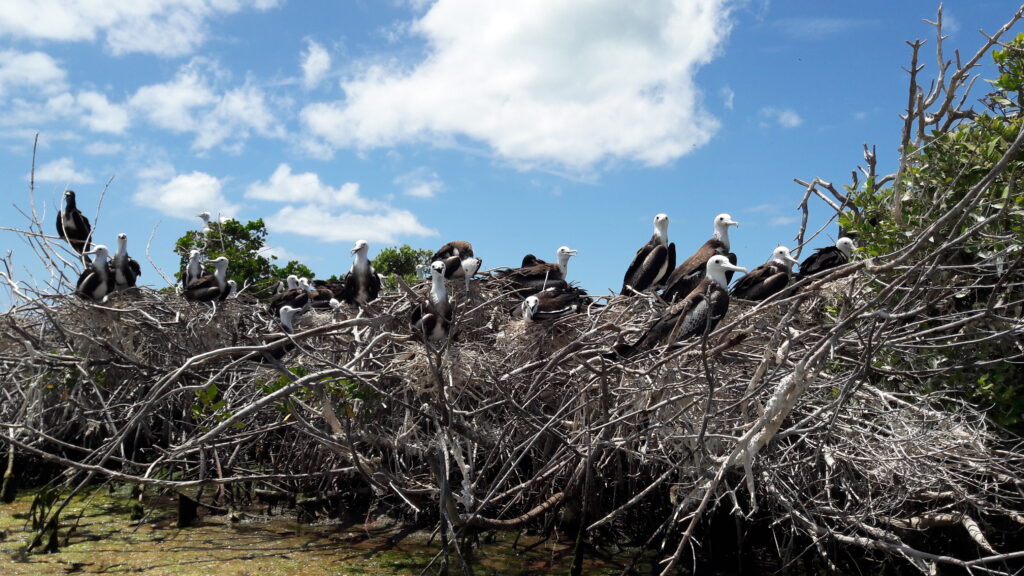
Barbuda is also home to the largest Magnificent Frigatebird colony in the Caribbean. These giants are most commonly seen soaring high above the ocean, carefully scanning the waters for food floating on or close to the surface. It is a wonderful treat to board a dinghy that will take us across a shallow lagoon teeming with marine life – as evidenced by the hundreds of jellyfish of every shape and size floating beneath us and clearly visible from our boat. We’ll spend time in the presence of these incredible birds,
observing their behavior and watching as squadrons of adults manipulate their impressive six-to-seven-foot wingspan to return to their perches with food for their young. Several other birds nest
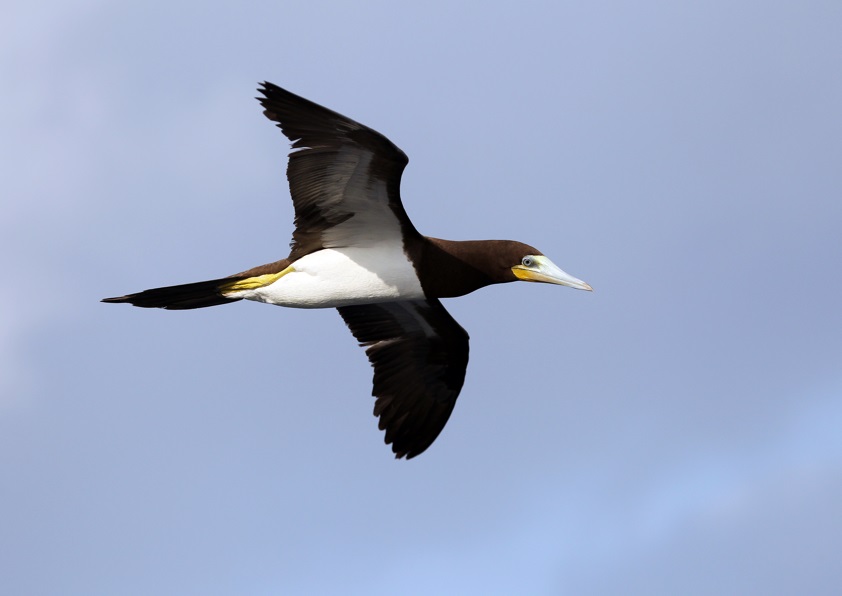
within the colony, and it is not uncommon to see Red-footed Booby, Brown Booby and Laughing Gulls in the low-lying mangrove islands that surround us. Driving around the island, one cannot help but be struck by the spectacular and unspoiled natural beauty of Barbuda. The water is a glistening turquoise blue, and the colors of the sands effortlessly blend between brilliant whites and varying shades of pink. With some of the most untouched beaches in the Caribbean literally on either side of us, what better way to spend the rest of the day than to head to a charming “Robinson Crusoe-esque” setting and enjoy a freshly-prepared meal of mahi mahi, chicken, (or lobster if you’re feeling indulgent), followed by a relaxing swim or snorkel in shallow waters, and a stroll along an idyllic white-sand beach known to be frequented by Royal and Least Terns. On our return leg across the seas to Antigua, we may have the opportunity for dolphin and whale
encounters. Sightings of shearwaters and storm-petrels are also possibilities.
DAY EIGHT
Montserrat is widely known as the Second Emerald Isle, and is so unspoiled that one can circumnavigate it on foot and never leave the lush expanse of dense primary forest. A volcanic eruption in the mid-90s rendered half of the island uninhabitable, covered it in magma, and caused a significant proportion of the population to emigrate…but what remains is simply stunning. The volcano itself still smolders and is constantly monitored by volcanologists who have declared the sparsely populated portion of the island
safe for residents and visitors alike. This is also the half of the island where we’ll find our target bird species. The striking Montserrat Oriole will be our number one target, and we’ll walk the paths of this ancient forest, dominated by huge emergents and long swinging lianas, until we come to reliable stands
of giant heliconias, our best site for seeing orioles.
We’ll continue our walk through this picturesque habitat, where it is clear that the forest floor can be just as alive as the trees above. Leaves rustle everywhere; Montserrat’s Anolis lizard scuttles across the ground and clambers up tree trunks; the non-venomous and exceptionally rare Montserrat Racer warms itself in patches of sunlight; and unbelievably tiny Dwarf Geckos no bigger than the tip of your thumb study us with big googly eyes as they peek out from beneath the fallen leaves on the path before us.
Back at our local lunch spot, we’ll sit back, relax, and celebrate the day’s birding with a hearty meal and wash it down with a local specialty—Bush Rum! No sugar cane is used in this one—only select local herbs and plants gathered from the forest.
DAY NINE
This morning, we’ll fly to St. Vincent with its black-sand beaches and vast sprawling wilderness. At the recently built international airport, we’ll board pre-arranged transport and head into lush primary forests – the best sites to see the critically endangered Whistling Warbler—one of four single-island endemic species of warbler in the region—along with a wonderful selection of near-endemics and indigenous regional species such as Grenada Flycatcher, Cocoa (Lesser Antilles) Thrush, and intriguing all-black
Bananaquit – one of five distinct subspecies of Bananaquit found in the region. We’ll end our walk at a dry riverbed above which circle Common Black Hawk, as well as Broad-winged Hawk – subspecies
antillarum known only to St. Vincent and Grenada. Periodically, we may have to lower our eyes from the skies to guard our snack of freshly picked fruit and plantain chips from inquisitive sapphire-headed St. Vincent Anoles!
After our day in the forest, we’ll head to a local family-owned hotel on the southwestern and only white-sand shoreline of St. Vincent. Here we dine in a beautifully decorated open air restaurant
overlooking the swaying masts of countless yachts moored just offshore.
DAY TEN
This morning, we’ll have the privilege of being one of the few groups of people on the planet to observe large numbers of St. Vincent Parrots filling the skies above us. We’ll leave our hotel before dawn with packed breakfast in our bags to drive to a ‘secret spot’ that requires our vehicle to cross the same river seven times at different locations before ascending into the realm of the mighty Amazona guildingii.
We’ll strategically select our spots atop a ridgeline and from there wait for the raucous parrots to emerge from their roosts in the forests around us. The St. Vincent Parrot is a species that was long on the verge of extinction and is still listed on the International Union for Conservation of Nature’s (IUCN) Red List of the most-threatened species on the planet. So the opportunity to have incredibly close views of this number of wild birds in their natural habitat will be one of the highlights of the trip.
After our wonderful dawn encounter with the parrots, we’ll descend the mountain, pulling over at select sites where the ever-present mangoes and guavas prove an irresistible lure to the soon to be split Lesser Antillean (St. Vincent) Tanager, Spectacled Thrush, Smooth-billed Ani, and even Yellow-bellied Elaenia, feasting on fruit flies drawn to the ripening fruit. After the early start, by mid-morning our birding is mostly over for the day, so we’ll return to our hotel for a swim in the pool, or stroll along the spectacular
beaches that line this coast. We’ll have lunch at the beachside restaurant and gaze out across the turquoise waters at Brown Pelicans, Royal Terns, and Brown Noddies before making the short 15-minute drive to the airport.
Following a short mid-afternoon flight, we’ll touch down in spectacular St. Lucia, where upon arrival, we are collected by pre-arranged transport and taken to our locally-run accommodation. After checking into our rooms, you have the option of participating in a guided stroll of nearby coast and woodland or heading for a swim at sunset. A wonderful dinner is enjoyed, during which we will be serenaded by a chorus of Lesser Antillean Whistling Frogs.
DAY ELEVEN
After an early breakfast, we head out to see one of the last thriving populations of the threatened near-endemic White-breasted (St.Lucia) Thrasher (likely a future split from the nominate on Martinique), and other inhabitants of the dry Atlantic forest in which it resides, such as the near-endemic subspecies of Lesser Antillean Saltator and curious Mangrove Cuckoo. We then continue into the mountainous interior and island’s showpiece natural attraction: the sprawling Des Cartiers Rainforest. Des Cartiers is dominated by numerous trees endemic to the region including the majestic and aromatic Lansan along with gargantuan tree ferns, tiny bromeliads, and orchids. We’ll spend the rest of the morning here, walking the trails and identifying the wondrous diversity of flora all around us. Our forest walk culminates at an observation area where we’ll be afforded excellent views of the
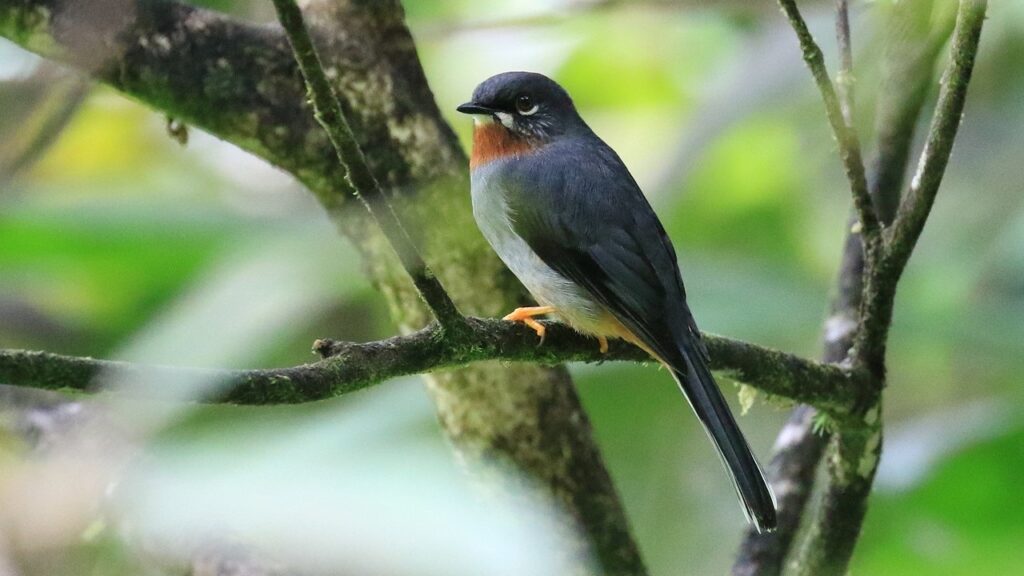
island’s national bird and most colorful of all Amazonas: the magnificent St. Lucia Parrot. At this site, we will also be in the presence of a number of other deep-forest dwellers. With luck, the ethereal song of the Rufous-throated Solitaire and the high-pitched note of the recently split Lesser Antillean Euphonia will reveal their location, and will be intermingled with appearances by Grey Tremblers and Lesser Antillean Flycatchers.
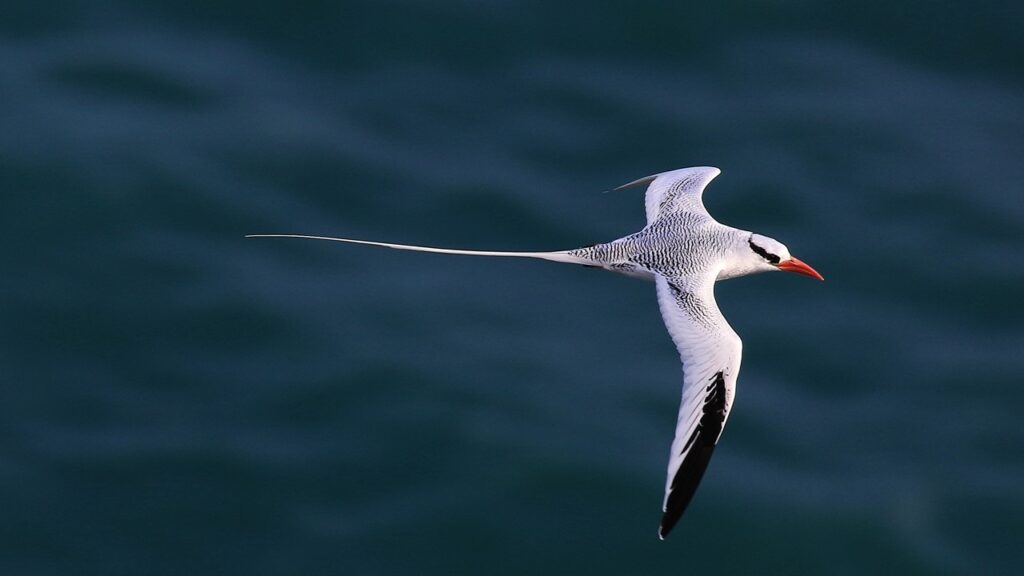
From the forest, we’ll make for the small coastal village of Micoud, where we will have a late lunch at a local spot. We finish the day atop one of the island’s highest peaks, where we are treated to the
spectacular aerial acrobatics of a colony of Red-billed Tropicbirds.
DAY TWELVE
Following a lavish buffet breakfast, we make for the UNESCO World Heritage Site of Soufrière, pausing at a reliable location for Short-tailed Swift. Once in Soufrière, isolated groves of drought-tolerant trees line the small secondary roads of this coastal habitat, and here we’ll target the endemic St. Lucia Black Finch, and another of the four subspecies of Antillean House Wren endemic to individual islands in the Lesser Antilles; on St. Lucia it is Troglodytes aedon mesoleucus – as with several birds currently listed as subspecies, ever-increasing research in the region is likely to elevate each of these House Wrens to full species status.
Lunch today is at what is surely the restaurant with the best view of Les Pitons – the island’s signature twin volcanic plugs which rise majestically out of, and contrast well with, the calm waters of the
Caribbean Sea. We’ll then continue on to a unique ecotone, known to harbor many of the island’s indigenous and endemic species. It is no exaggeration to state that here numerous target species of birds will join the myriad Gulf Fritillaries, Cloudless Sulphurs, and Great Southern Whites flitting all around us. Overhead, we may see Lesser Antillean Swifts effortlessly manipulating the air currents; amongst the trees, colorful St. Lucia Warblers peering underneath leaves in search of caterpillars; overhanging tree limbs
representing perfect vantage points for St. Lucia Pewees to launch attacks on winged insects; and an abundance of fruits ripening in the tropical sun proving an irresistible lure for opportunistic St. Lucia Orioles.
DAY THIRTEEN
Today, we arrive in Grenada, the southernmost island visited on the trip. From the air, the densely populated southern coastline of this tiny island might seem an unlikely destination on a birding trip.
However, by virtue of our visiting one of the last remaining vestiges of suitable habitat along this coast, we’ll be provided with the opportunity to see the rarest species of the entire tour: the Grenada Dove. Latest counts estimate the surviving number of Grenada Doves to be as low as 90 individual birds. However, by drawing on experience and knowledge amassed over numerous previous trips, we should be treated to a sight few people have experienced. After visiting the last stronghold of this delicate,
unassuming dove, we’ll explore the dry woodland that represents its natural habitat. Later, we’ll also be treated to views of the “Spice Isle’s” other inhabitants, including the Rufous-breasted Hermit, an endemic subspecies of Green-throated Carib (chlorolaemus), the last of the four endemic subspecies of House Wren, and the soon-to-be split Lesser Antillean (Grenada) Tanager.
We’ll finish the day by climbing a well-positioned observation tower to scan the skies for the local race of Hook-billed Kite, before returning to our vibrantly-colored and newly refurbished resort for dinner. Returning to the hotel, what better way to draw to a close our two-week journey through the enchanting islands of the Lesser Antilles than to stand on the veranda after yet another delicious creole dinner and gaze out across the exquisite moonlit Caribbean Sea.
DAY FOURTEEN
Our time in the islands ends with a Caribbean-themed buffet breakfast, before we say our farewells and take our pre-arranged airport transfers for our flights back home (this will probably involve an internal flight back to St Lucia, Antigua or Barbados depending on how the exact order of islands visited has panned out, depending on local conditions).
DAY FIFTEEN
WHAT’S INCLUDED
Thirteen nights accommodation, return flights London – Barbados – Antigua – London, inter-island flights and ferries, meals from in-flight on day one to in-flight on day fifteen ground transport, services of leaders and reserve entrance fees.
NOT INCLUDED
Transport to/from London airport and any overnight stay that might be involved, travel insurance, drinks, tips and any items of a purely personal nature. Please remember that it is expected to tip for services in hotels etc as people earn a very low wage. Please remember to carry small notes/coins for tipping porters etc as we go along. Budget around £100 per person overall for tips.
PASSPORT, VISA & HEALTH