DAY ONE
We fly from London to San Jose, arriving late afternoon. We will be met by our guide/driver and transferred the short distance [around thirty minutes] to our overnight hotel on the edge of the city. It will be getting dark as we arrive there, so we will not have time to see too many birds today. A good meal, and an early night, will be on the cards in order to prepare for our first taste of Costa Rican birds tomorrow! Overnight Hotel Bouganvillea.
DAY TWO
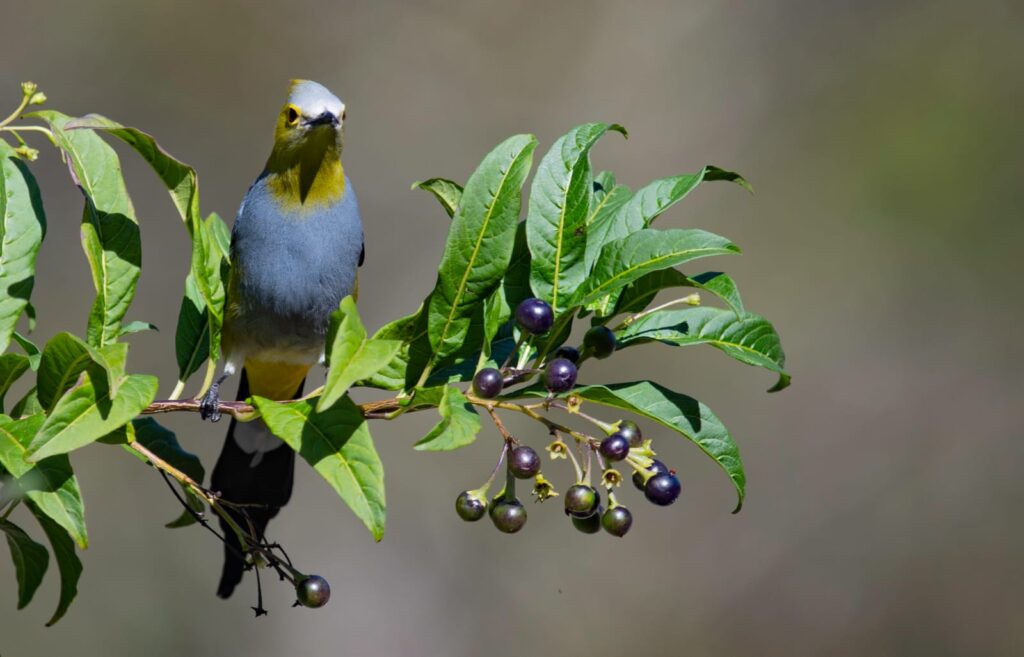
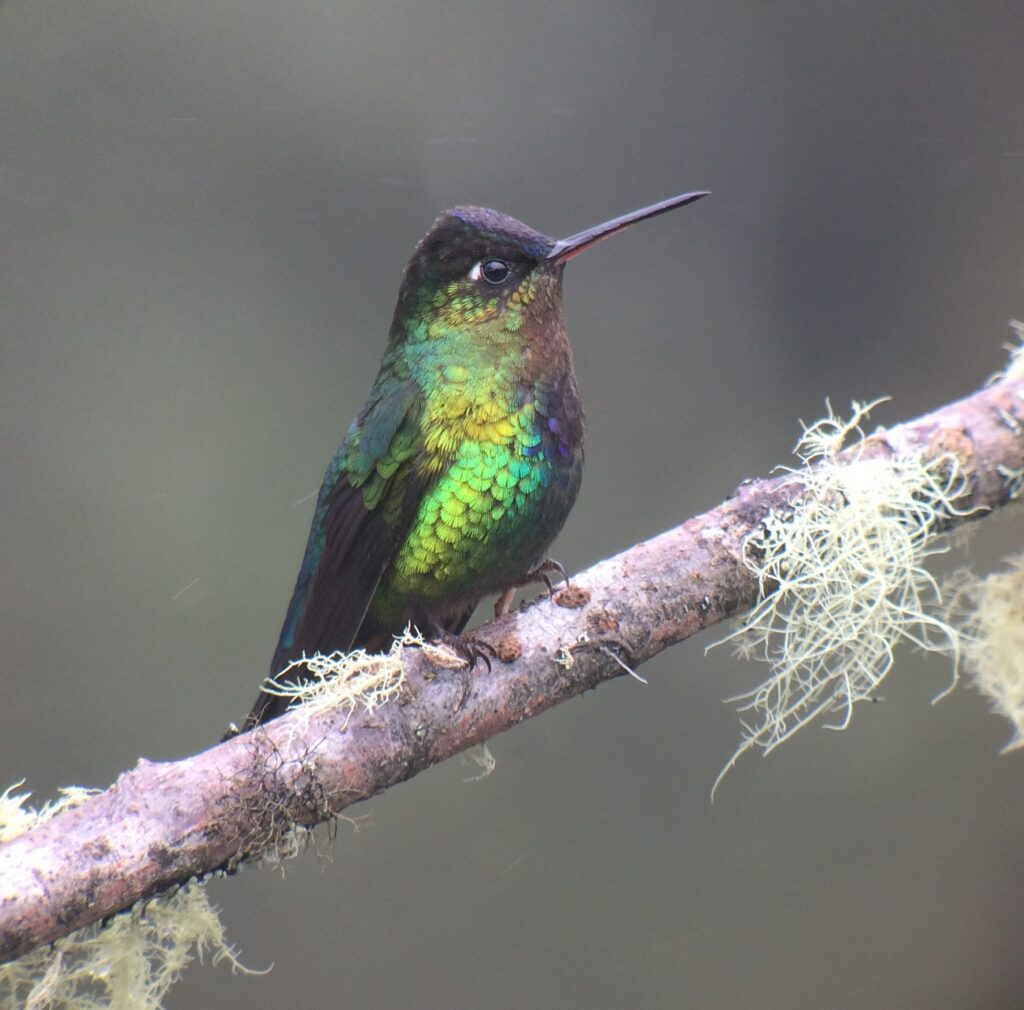
We rise at dawn, as we will every day on this trip, in order to make the most of that wonderful period of activity and crisp light. This will mean being out around 6am, after a coffee of course, and exploring the extensive and lush hotel grounds. Here we will find our first common Costa Rican birds such as Great-tailed Grackle, Inca Dove, Scarlet-fronted Parakeet, Summer Tanager, Baltimore Oriole and Hoffman’s Woodpecker, but also have a chance of more interesting species such as Blue-crowned Motmot, Rufous-naped Wren, Golden-browed Chlorophonia and sometimes the rare Prevost’s Ground Sparrow. After breakfast, we will set off for the mountains, a drive of around two hours on good roads. This will see us arrive at Paraiso de Quetzales in time for morning coffee and some time watching the fantastic hummingbird feeders! Magnificent and Fiery-throated Hummingbirds whizz in and out at touching distance, and with a commanding view of the forest from the verandah, we can keep a look out for our first chance of Resplendent Quetzal! This iconic species will be top of our list of targets while in this area, and hopefully they will be visiting Wild Avocado trees in the area allowing us a good chance of close views. Around the lodge, many great birds can be seen. Black-billed Nightingale-thrush, both Long-tailed and Black & Yellow Silky Flycatchers, Collared Whitestart, Large-footed and Yellow-thighed Finches, Crimson-coloured Tanager, Sooty Thrush and Black-capped Flycatcher can be found right around the gardens. After lunch, we take a circular walk through the forest here, looking for Wrenthrush, Spotted Wood-quail and Black-cheeked Warbler, among others. There will be further opportunities to look for quetzals too, before we retire to our nearby lodge for dinner. Dusky Nightjar, a central American endemic found in these mountains, is often calling around the area at dusk, while Costa Rican Pygmy-owl is also possible. Overnight Savegre Lodge.
DAY THREE
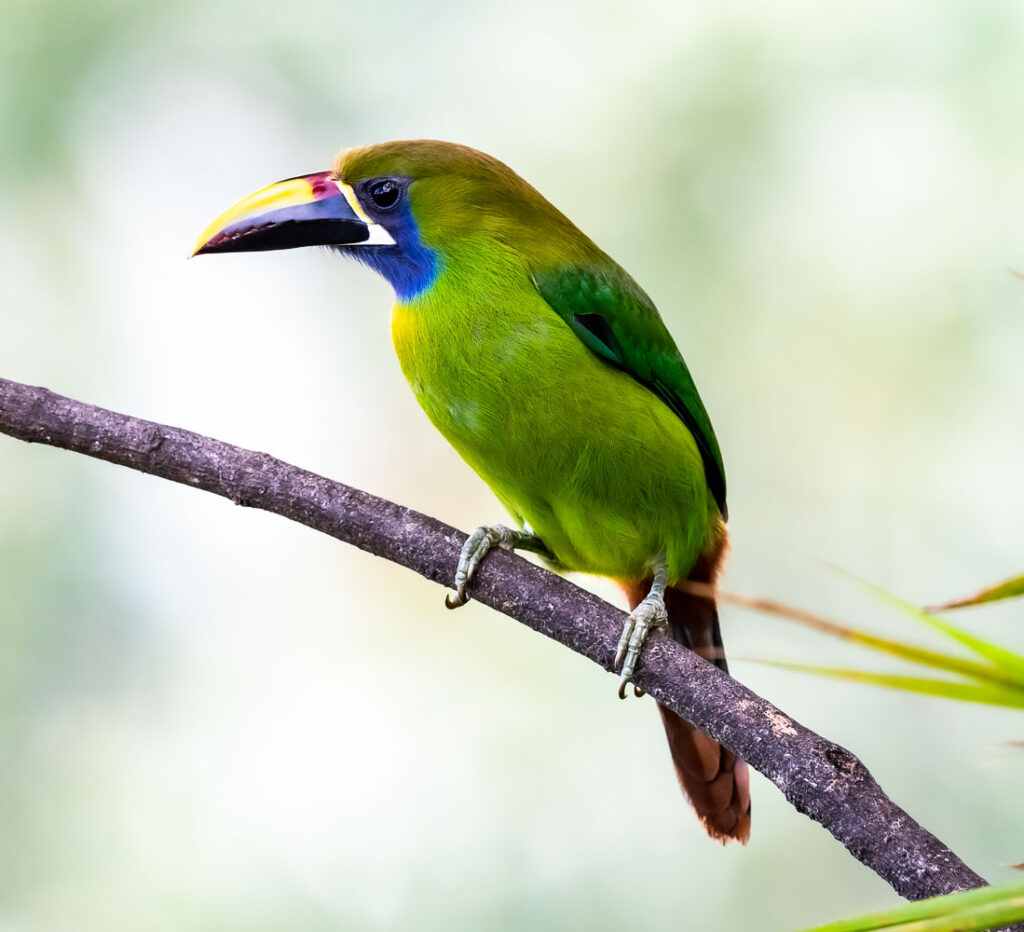
Our pre-breakfast birding this morning will be around the lodge grounds, taking the opportunity to watch and photograph many of the species seen yesterday, and of course find a few new ones! The hummingbird feeders here are hard to move away from – there is something really special about watching these remarkable little birds. After breakfast, we take the track back out towards the main road, birding along the way and looking for Emerald Toucanet, Resplendent Quetzal, Black-faced Solitaire and roving mixed flocks. We spend the main part of the morning at Savegre, along the river in the valley bottom. Torrent Tyrannulet and American Dipper can sometimes be found along the river, while up in the forest above our lodge, there is more good birding to be had. Here we will seek Flame-throated Warbler, Spot-crowned Woodcreeper, Buffy Tuftedcheek, Ruddy-capped Nightingale-thrush, Spangle-cheeked Tanager, Ruddy Treerunner, Acorn Woodpecker and Red-headed Barbet on the forest trails, plus another good chance of Black-faced Solitaire and Spotted Wood-quail. American warblers are also well represented by Tennessee and Black-throated Green-warblers, Philadelphia Vireo and Louisiana Watertrhush and the feeders around the lodge offer more great opportunities for close observation of many species. After lunch we return to the forest again, and each time we find mixed flocks there is a great chance to add new species. Buff-rumped Warbler is quite easy to find, and among the thickets Grey-breasted Wood-wren can be seen. Black Guan, Scintillant and Stripe-tailed Hummingbirds, White-throated Mountain-gem and Spotted Barbtail might also be found. After dinner, we have another chance to look and listen for owls and Dusky Nightjar around the lodge. Overnight Savegre Lodge.
DAY FOUR
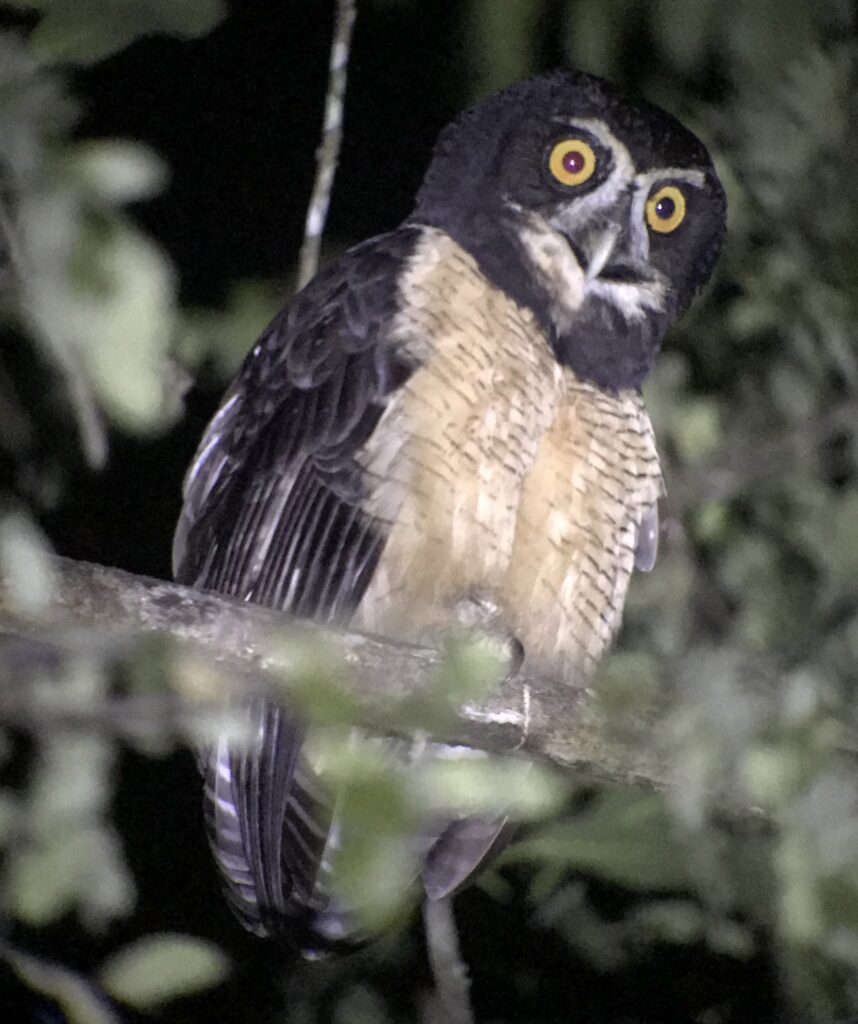
Today is our longest travelling day, but the plan is to take it easy and make lots of birding stops along the way, to break up the journey nicely and make the experience more relaxed. So after pre-breakfast birding around the lodge and a hearty ‘desayuno’, we will set off south. The total time spent on the road will total about three hours, but it will take us all day to reach our next destination at Carara National Park on the Pacific Coast! On our way out of the lodge, we may stop to bird along the track to look for mixed flocks and quetzals. Barred Becard is a scarce speciality here, and we might also find Mountain Elaenia, Olive-striped Flycatcher, Paltry Tyrannulet and more Long-tailed Silky Flycatchers. After about 45 minutes drive we arrive at the mountain top high above, in a sparse habitat known as ‘paramo’. If the weather is clear, we will be able to see the caldera of Turrialba Volcano, and to the south, Costa Rica’s highest mountain peaks. We will be at 11,000ft here, and while it won’t feel particularly cold, the air is a bit thin! We have three birds to look for here, after drinking in the views – Volcano Hummingbird, Timberline Wren and Volcano Junco. Hopefully, with good views of all of them in the bag, we can continue towards the town of San Isidro which will be our next stop. Turquoise Cotinga is a species whose range is confined to the southern part of the country, and so a short detour at the edge of town represents our only chance to find it on the trip. Nearby some small sewage ponds offer our first taste of Neotropical waterbirds – Anhinga, Green Heron, Southern Lapwing, Northern Jacana, Least Grebe, Black-bellied Whistling Duck and Blue-winged Teal. Lunch will be overlooking the Pacific Ocean, with Brown Pelicans and Magnificent Frigatebirds for company, and now we have reached the coast it takes us around one hour to complete our journey north to Villa Lapas in the Carara National Park. A couple more stops should produce Ringed and Amazon Kingfishers, Grey and Roadside Hawks, American Swallow-tailed Kite and more before we reach the lodge. Perhaps we will see our first Scarlet Macaws drifting over as dusk approaches, or a Spectacled Owl in the lodge grounds after dinner. Overnight Hotel Punta Leona.
DAY FIVE
Pre-breakfast around Villa Lapas brings a whole new set of pacific slope species to our growing list. Fiery-bellied Aracari, Grey-headed Tanager, Rufous and White Wren, Dusky Antbird, Slaty-tailed Trogon, Yellow-throated and Spot-crowned Euphonias, Dusky-capped Flycatcher and White-whiskered Puffbird are all right around the gardens here. After breakfast, we make the five minute drive to the start of the Carara National Park trails and spend the morning birding the primary tropical forest. Tinamous, antbirds, trogons, tyrant-flycatchers and manikins are all typical groups of such habitat, and we slowly amble along listening and looking for some of the trickier species. Great Tinamou can be found here, while mixed flocks might contain Sulphur-rumped and Ruddy-tailed Flycatchers, White-winged Becard, Dot-winged Antwren, Golden-crowned Spadebill, Blue-crowned Manakin and Long-billed Gnatwren. Scarlet Macaws are quite common, and often to be seen and heard flying overhead where gaps in the canopy allow. Woodcreepers are well represented here with Streak-headed, Black-striped, Cocoa and Wedge-billed all possible, while the rarer Long-tailed Woodcreeper is sometimes also seen. New hummingbirds might include Blue-throated Goldentail, Long-billed Starthroat, Stripe-throated and Long-billed Hermits, and the forest floor could yield a Chestnut-backed Antbird or Black-faced Antthrush if we are vigilant. More gaudy Orange-billed Sparrows, Rufous-winged Woodpecker, Black-throated Trogon and Crested Guan, could also be found. After lunch back at the lodge, we head down to the Tarcoles River for one for one of the trip highlights – a two hour river cruise which offers amazing close up views of wildlife. American Crocodiles give the boatmen their living when not accommodating birders, and we will see several of these stealthy reptiles hauled out on the sand banks. Tricoloured, Boat-billed, Great Blue, Little Blue and Green Herons, Great and Snowy Egrets, Anhinga, Neotropic Cormorant, Hudsonian Whimbrel, Spotted and Least Sandpipers, Black-necked Stilts and Royal Terns are just some of the species we might see. Mangrove, Southern Rough-winged and Blue and White Swallows join Costa Rican Swifts overhead and in the surrounding trees, we can watch for perched Scarlet Macaw, Osprey and Chestnut-mandibled Toucan. In the mangroves, we look for localised Mangrove Vireo, Mangrove Hummingbird, Mangrove Black-hawk and Prothonotary Warbler, while Scaly-breasted Hummingbird and American Pygmy Kingfisher could also be seen. Overnight Hotel Punta Leona.
DAY SIX
Our pre-breakfast walk this morning will be into the secondary growth forest behind the hotel. Here we will seek Royal Flycatcher, Northern Barred Woodcreeper, Rufous-tailed Jacamar, Black-faced Antthrush, Northern Bentbill and Long-tailed Manakin. We have the time to return to the same trail again after breakfast, if we have missed any of the key species. American warblers around the gardens often include Chestnut-sided and Black and White Warblers, and of course we will not get tired of the Scarlet Macaws! Mid-morning we set off for a drive of around two hours, to our next base by the Gulf of Nicoya, no doubt making a stop on the way to stretch our legs and scope the Laughing Gulls, Royal and Cabot’s Terns on the river estuary. We reach the delightful lodge at La Ensenada in time for a delicious lunch – but we will have to watch out for the friendly White-throated Magpie-Jays who will also have their eye on it! The grounds of La Ensenada are delightful, and we might see roosting Pacific Screech Owl while lunch is prepared. Cinnammon Hummingbird visits the verbane flowers and both Streak-backed and Spot-breasted Orioles will be in the surrounding trees. After finding our cabins, we set out for an afternoon session about half an hour away, at a small set of salt pans which provide a high tide roost refuge for waders and terns. This offers an unrivalled opportunity, with the light behind us, to get wonderful views of a variety of waterbirds – American Black Skimmer, Cabot’s, Royal and Elegant Terns, Laughing and Franklin’s Gulls, Semipalmated and Wilson’s Plovers, Least, Western and Semipalmated Sandpipers, Willet, Short-billed Dowitcher, Marbled Godwit and possibly also Long-billed Curlew. Scissor-tailed Flycatcher and Turquoise-browed Motmot are also to be found in the surrounding habitats. Overnight La Ensenada.
DAY SEVEN
Pre-breakfast around La Ensenada is a magical experience. The trees will be full of orioles and Orange-fronted Parakeets, Melodious Blackbird, White-throated Magpie-jay and Stripe-headed Sparrows. This is a great place to see Ferruginous Pygmy-owl early in the morning, while Squirrel Cuckoo, Scrub Euphonia, Banded Wren, Laughing Falcon, Double-striped Thick-knee and Rose-throated Becard are also possible. Mantled Howler Monkeys are often to be found loafing in the trees above the entrance road at dawn – and probably also for the rest of the day! Sometimes, if the tide allows, it is possible to find Surfbird on the rocks by the beach, just below the lodge. This is our only remaining one-night stop, so after breakfast we will get ready to move on for a full days birding en route to our penultimate lodge.
We make the two hour drive to Arenal Observatory Lodge at the edge of the Arenal Volcano – another new habitat with another new suite of birds. We should have an hour or so of good birding time before dusk, and will use this along the entrance road to the lodge to look for Crimson-collared & Passerini’s Tanager, Buff-thoated Saltator, Stripe-throated Hermit and Great Potoo. Overnight Arenal Observatory Lodge.
DAY EIGHT
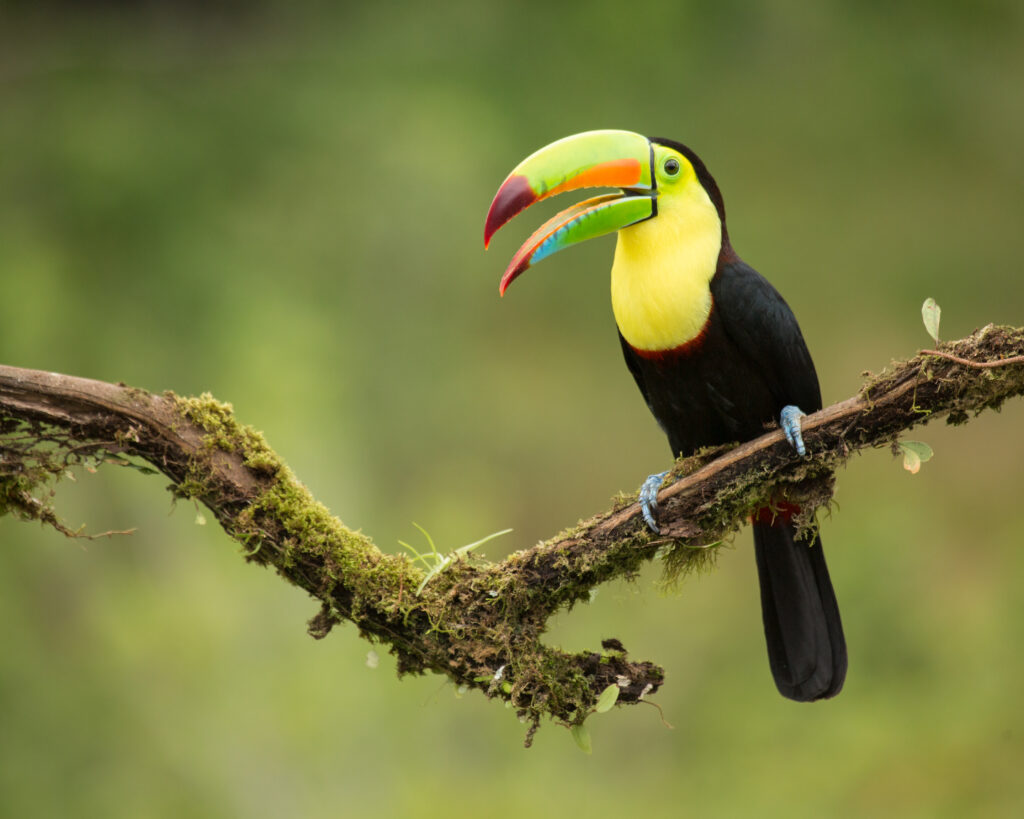
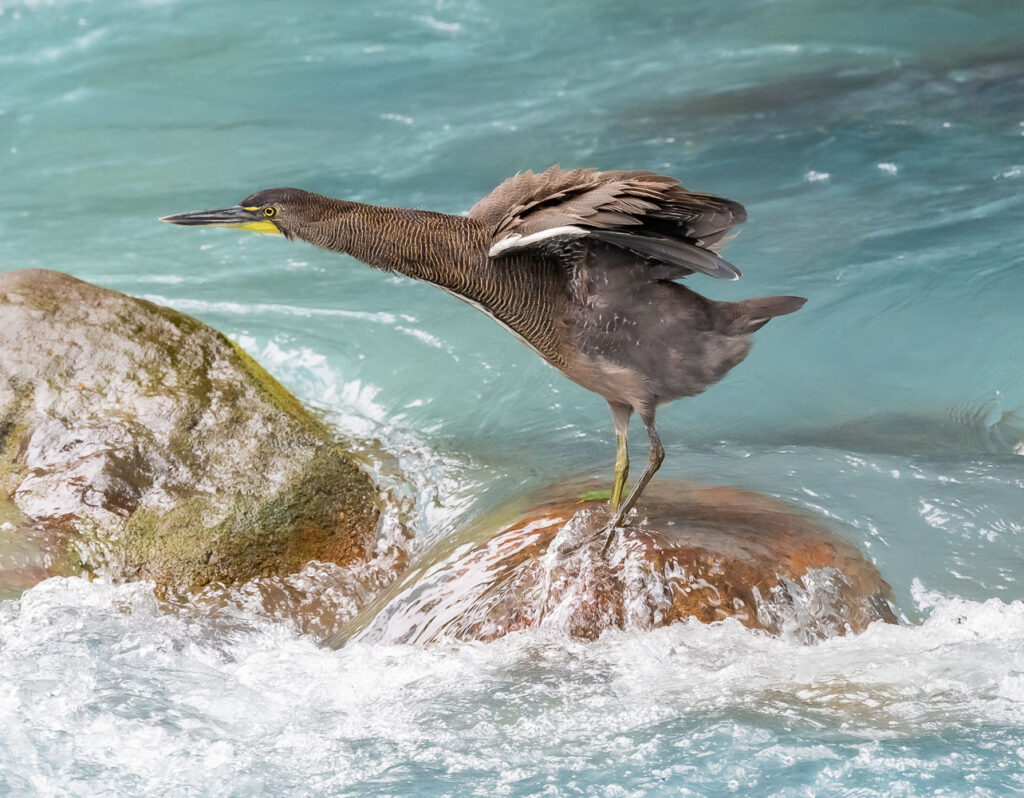
We will have a real treat at first light this morning, as we enjoy a coffee on the veranda of the lodge overlooking the well stocked fruit feeders, and with views across to the impressive Arenal Volcano. A wide range of forest birds will be coming to the feeders and allowing amazing opportunities for photography – Montezuma Oropendola, Baltimore Oriole, Passerini’s and Emerald Tanagers, Crested Guan and amazingly the impressive Great Currasow should also be visiting! Throughout most of the neotropics this is a very shy and retiring forest inhabitant due to it being top of the list for hunters. No doubt the fact that there is no hunting in Costa Rica means they are now quite tame birds at Arenal! The gardens here are superb and after breakfast we will seek out fruiting trees where occasionally it is possible to observe up to 30 different species in a single tree! Yellow-eared Toucanet is a speciality here, but both Keel-billed and Chestnut-mandibled Toucans and Collared Aracari are also likely. White-throated Thrush, Wood Thrush, Olive-backed Euphonia, Band-backed Wren, Common Tody-flycatcher, Black-crested Coquette, Pale-billed Woodpecker, Streak-headed Woodcreeper and Tropical Pewee are other familiar garden birds here. On the trail system, we have a chance to get into the interior of the secondary growth forest and look for some of the more elusive inhabitants such as Thicket Antpitta, but also more gaudy species such as the delightful Black and Yellow Tanager. Antbirds, antthrushes, flycatchers, toucans and motmots are also well represented. After lunch back at the lodge we take a break, an opportunity to catch up with field notes and editing photographs, or maybe to spend some more time at the veranda watching the feeders. In the afternoon we will check the river for Fasciated Tiger-heron, and also keep an eye out for Black Phoebe, while a nice viewpoint overlooking the canopy of the surrounding forest is particularly good for raptors. White Hawk is regular here, and there is always the outside possibility of something more exciting such as an Ornate Hawk-eagle. Black-crested Coquette, Purple-crowned Fairy, Long-tailed Tyrant, Pale-billed and Black-cheeked Woodpeckers and Spotted Antbird are other species that could be around. Overnight Arenal Observatory Lodge.
DAY NINE
Our pre-breakfast observations will be on the veranda, enjoying the colourful forest birds coming into the feeding station and watching for parrots, pigeons, toucans and monkeys in the canopy. Spider Monkey and White-faced Capuchin are both regular visitors to the trees right around the lodge. After breakfast we will check out and begin birding the entrance trail back out towards Arenal Dam. We will be looking for the lovely White-fronted Nunbird here, but also have a very good chance for both Broad-billed and Keel-billed Motmots. Rufous-winged Woodpecker, Long-billed and Stripe-throated Hermits, Zone-tailed Hawk, Hepatic Tanager and Yellow-eared Toucanet are all possibilities along this road. Once at the dam, we join the main road and then embark on the two hour journey to our final lodge at Selva Verde. We will arrive in time for an excellent lunch, and we will want to bring our binoculars as another great viewing terrace here outside the restaurant overlooks fruit feeders attracting another new batch of birds! Red-throated Ant-tanager is regular and both Green and Red-legged Honeycreepers and Olive-backed Euphonia are more common here. We spend the afternoon exploring the forest trail around the grounds, looking for Bay Wren, Gartered Trogon, Masked Tityra, Bronze-tailed Plumeleteer, White-ringed Flycatcher, Chestnut-backed Antbird and best of all, Great Green Macaw. These spectacular birds often overfly the lodge, particularly towards dusk when they are heading towards their roost. Along the river, which is a beautiful spot, we should look carefully for Sunbittern, while the small stream inside the lodge gardens brings the possibility of Agami Heron. Overnight Selva Verde Lodge.
DAY TEN
This morning we head to the world famous La Selva Biological Station and spend the morning birding the various trails through secondary growth forest. This is a superb birding destination, and birds will come thick and fast. Great Tinamou is a good bet here, but Slaty-breasted Tinamou is also possible, while we have further chances also for both Scarlet and Great Green Macaws. Chestnut-coloured Woodpecker, Cinnamon Becard, Rufous Piha, Bright-rumped Atilla, Black-faced Grosbeak, Dusky Antbird, Fasciated Antshrike, Rufous-tailed Jacamar, Broad-billed Motmot, Band-tailed Barbthroat, Crowned Woodnymph, Long-billed Gnatwren, Dusky-faced Tanager and Pale-vented thrush are all possible here. Hoffman’s Two-toed Sloth is often seen, and we must check the streams again for both Sunbittern and Agami Heron. Often a roost of Vermiculated Screech Owls is viewable, and the amazing Honduran White Tent-making Bats can sometimes be found beneath banana leaves at the side of the trail – if you know where to look! After lunch back at the lodge, which is only ten minutes away, we return to the biological station in the afternoon to bird the primary forest areas. This is woodcreeper habitat, and we could find several species including the diminutive Wedge-billed, and both Black-throated and Gartered Trogons are often close to the trails. Western Slaty Antshrike, Black-capped Pygmy-tyrant, Chestnut-coloured and Pale-billed Woodpeckers and more chances for views of monkeys and sloths should make for an exciting walk. Overnight Selva Verde Lodge.
DAY ELEVEN
With an afternoon flight we will have about half a days birding today, and the plan will be to spend all of it visiting the house of ‘Cope’ a well known local artist who has turned his small garden into an amazing nature reserve and viewing gallery. With fruit and nectar feeders and well placed natural perches, this is a photographers dream! We will watch a variety of honeycreepers, tanagers, pigeons and hummingbirds coming and going, while the pool attracts Grey-necked Wood-rail and Green Heron. Bay Wren, Orange-billed Sparrow, Collared Aracari and even White-tipped Sicklebill are possible here and everything is so close and in perfect light. Cope’s excellent artwork and photography will also be on display, so make sure you have some dollars left, and a bit of room in your suitcase! From the house, we will take a short excursion out into the surrounding area to look for species such as Bat Falcon, Spectacled Owl, Great Green Macaw, Thicket Antpitta and possibly, roosting Crested Owl. This species is one of the more difficult neotropical owls to connect with, and would make a great end to our tour. San Jose is around two hours drive, and we will aim to arrive there in time for lunch before our afternoon flight back to the UK.
DAY TWELVE
Arrive back into London where the tour will conclude.