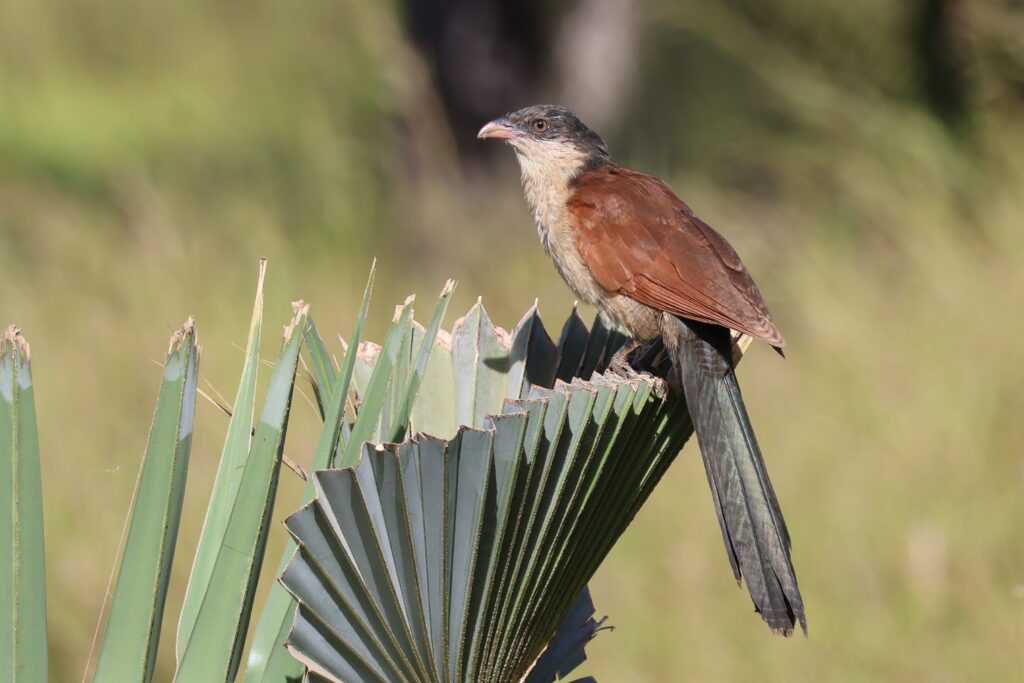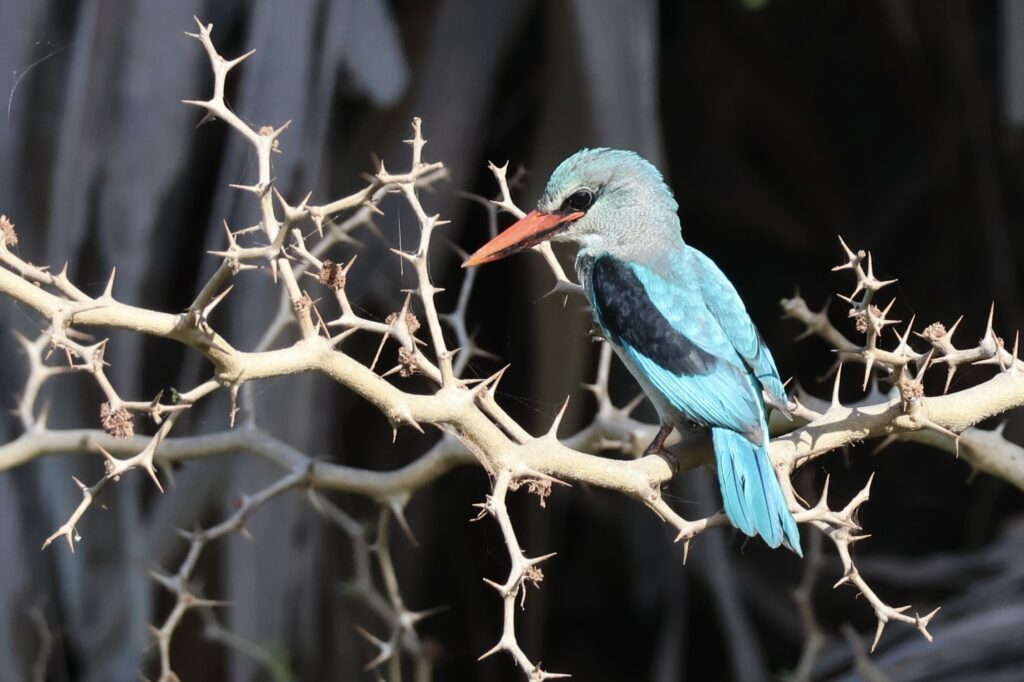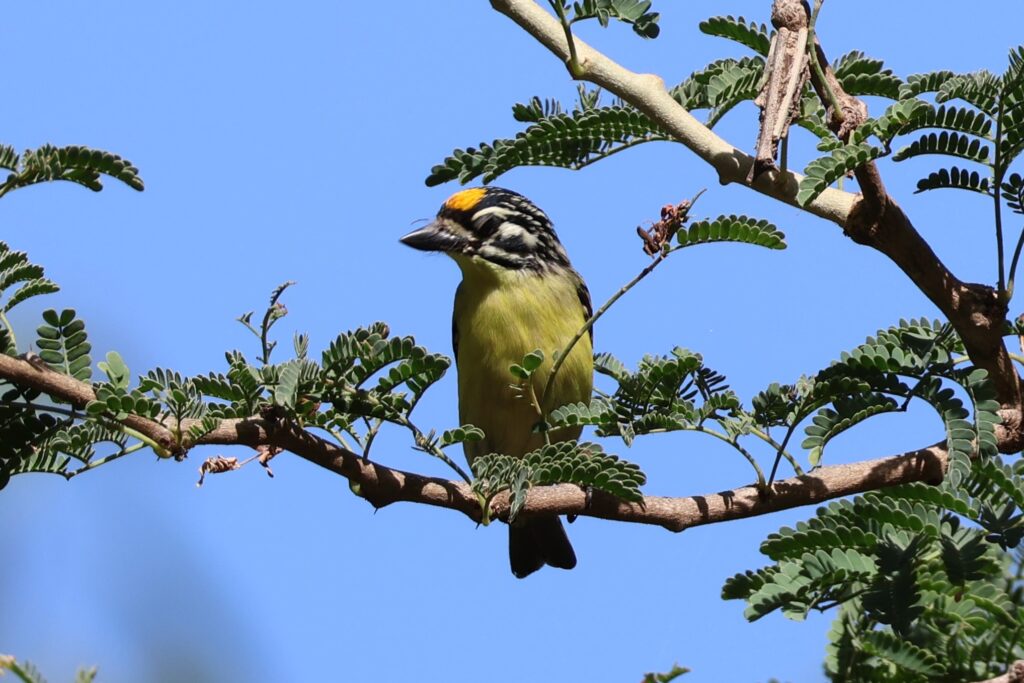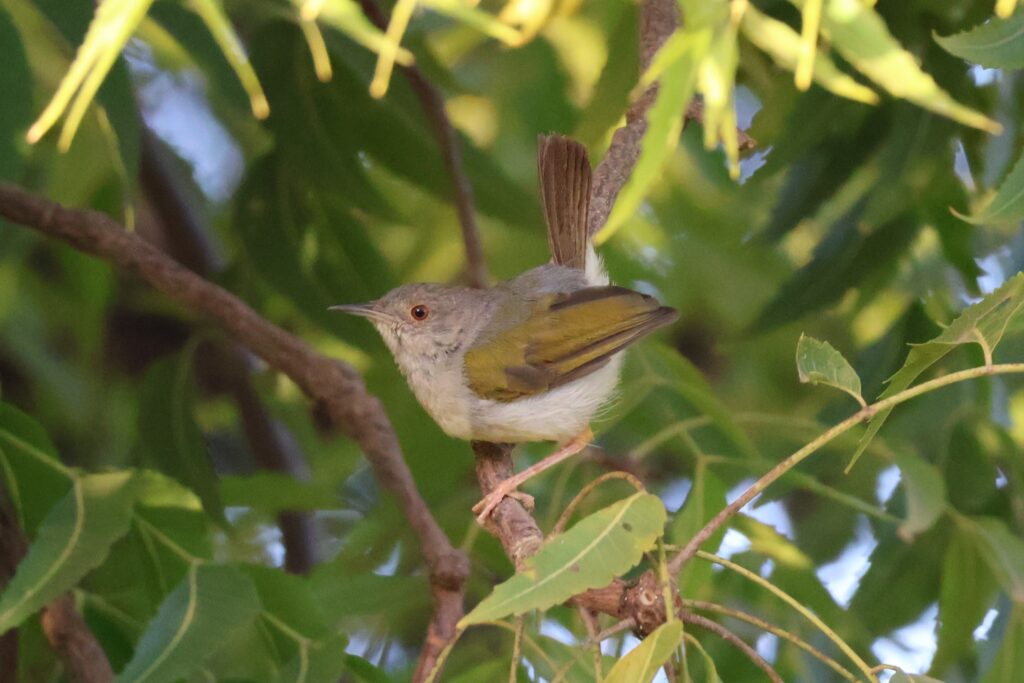
We have been running coastal tours to The Gambia for over fifteen years, and we are delighted to be offering this extended itinerary which takes the highlights of that tour and blends them with some tremendous inland birding to give a mouth-watering array of West African birds. We began our adventure in coastal Senegambia visiting some well-known birding hotspots such as Tujerang, Brufut, Kartong and Tanji where we can get a flavour of the local birdlife, blending a wide selection of ‘Afro-trops’ with migrant Palearctic visitors. Oriole Warbler, White-crested Helmet-shrike, Chestnut-bellied Starling, Yellow-crowned Gonolek, Bearded Barbet, Hamerkop, Greater Painted Snipe and even Allen’s Gallinule can feature on this section of the tour. After three nights here we spend a full day at the superb Kartong wetlands on the Senegal border in the south, before heading to an inland base from where we can more easily explore the excellent locations of Marakissa, Farasuto and Sohm before heading upriver for four nights.
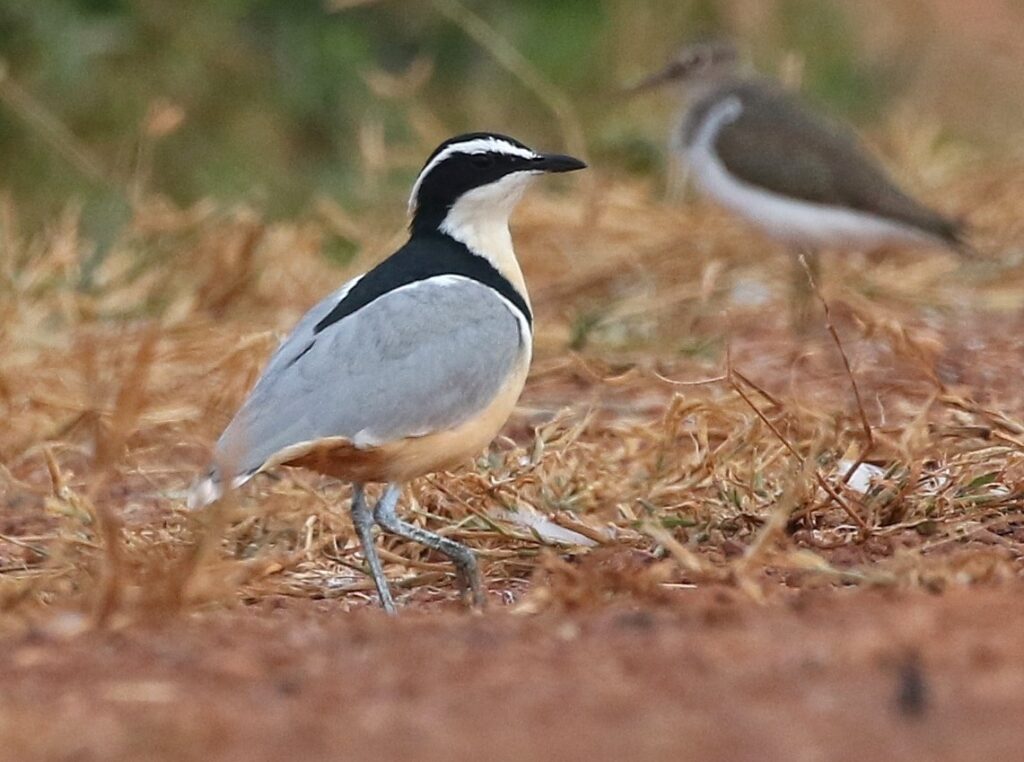
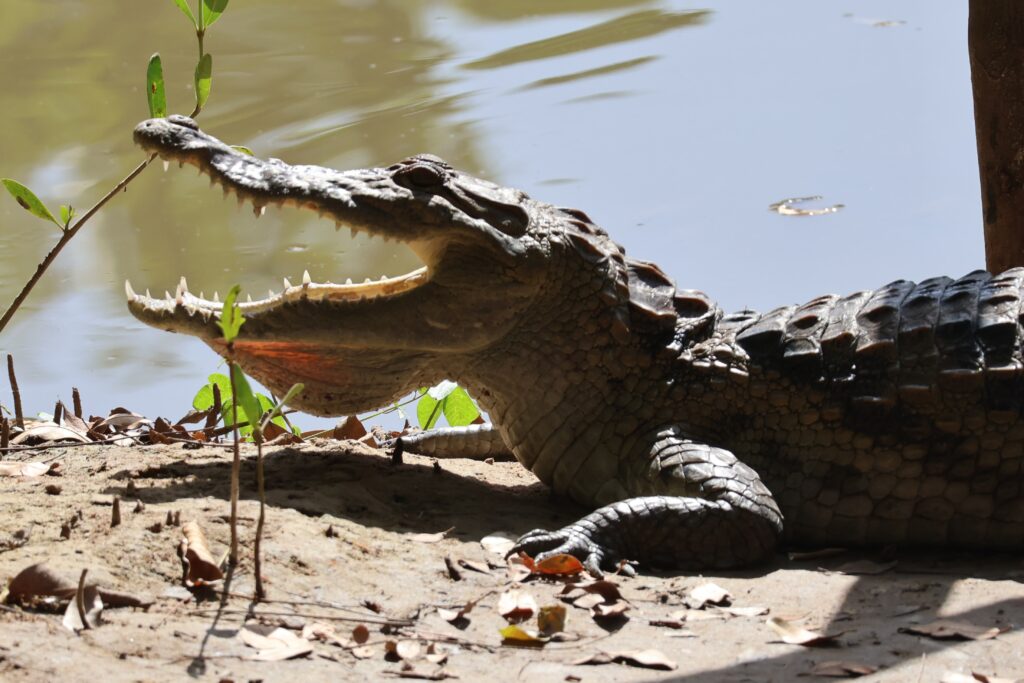
Tendaba and Georgetown are names synonymous with two of The Gambia’s star target birds, in the form of the exquisite Egyptian Plover and unusual Finfoot. Both are found on the upper reaches of The Gambia river and its islands, and we take boat trips to go in search of both of these plus enjoy excellent close views and photographic opportunities of many other riverine birds and animals. Raptors abound further inland and we have chances to see Bedouin’s Snake-eagle, Martial Eagle, Ruppell’s Griffon Vulture and Bataleur just to name a few. Crocodile and Hippopotamus vie for our attention along the waterways where African Fish Eagles roam and Northern Carmine Bee-eaters can be seen. We round off our tour with another night back at the coast to relax before our journey homeward. Your tour leader will be Marcus Nash, who has led many tours to this region of The Gambia, assisted throughout by local guides. You can expect to see c300 species on this tour.
DAY ONE
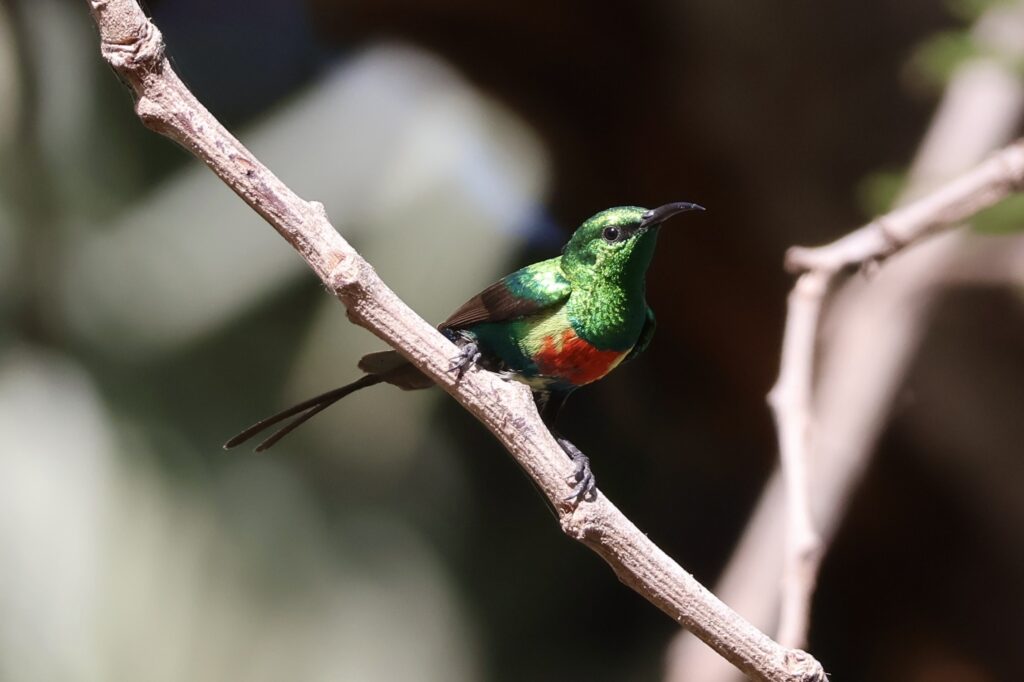
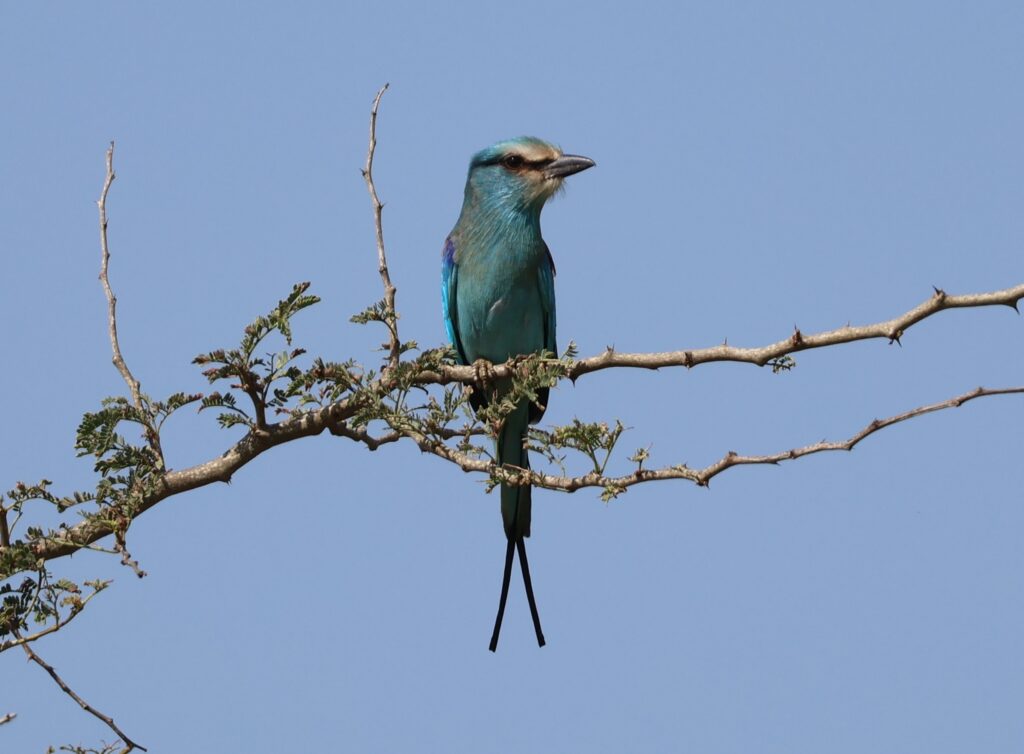
Fly London/Banjul and transfer to the Senegambia Beach hotel. After check in and depending on flight times we will spend the evening birding around the grounds to get to grips with some of the commoner species. Our first birds are likely to include Beautiful & Variable Sunbirds, Common Bulbul, Western Plantain-eater, Red- eyed Dove, White-crowned Robin-Chat and Broad-billed Roller as well as other typically African species.
Overnight Senegambia Beach Hotel.
DAY TWO
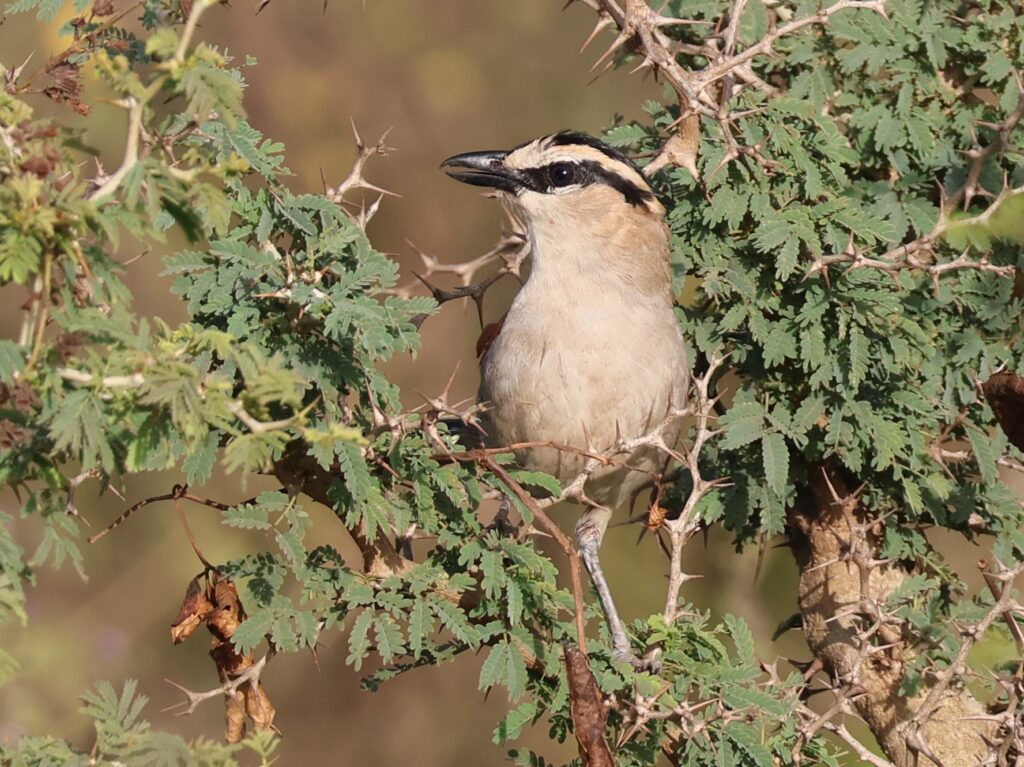
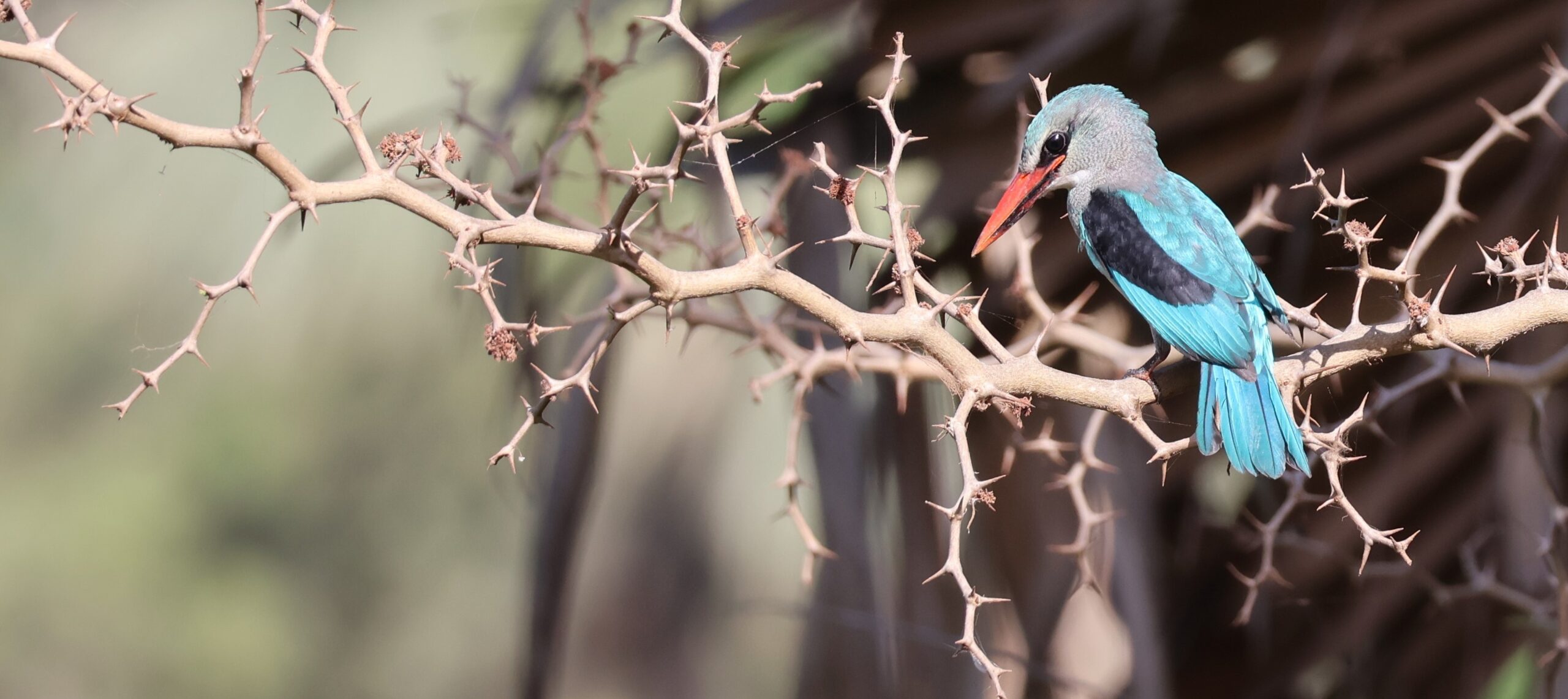
Our main destination for the morning will be nearby Kotu stream and fields where a huge variety of species can be seen just a short distance from our hotel. Senegal Thick-knee, Pied and Blue-breasted Kingfishers, a variety of waders and herons and raptors might be seen. The adjacent Kotu Cycle Track covers a range of habitats and starts to get you familiar with a range of the local birds such as Yellow-crowned Gonolek, Western Reef and Striated Herons, Intermediate Egret, Hooded Vulture and Pearl – spotted Owlet while Blue-cheeked and Swallow-tailed Bee-eaters raid the skies above for insects. Shorebirds are a feature of the marshy pools occasionally there is a chance for Painted Snipe. Lizard Buzzard, African Harrier-Hawk, Abyssinian and Broad- billed Rollers should all feature during the day here. A walk back along the cycle track could add Woodland Kingfisher, Yellow Billed Shrike, Green Wood Hoopoe, Northern Crombec, African Jacana, Piapiac and Senegal Coucal amongst others.
After a relaxing lunch back at the hotel we have some time in the afternoon to explore Tanji bird reserve, just along the coast. An array of gulls and terns often rest on the beach here and Osprey and Pied Kingfisher fish along the lagoon edge. There is some good open country birding here too as well as just taking in the hustle and bustle of the busy fishing village itself. Overnight Senegambia Beach Hotel.
DAY THREE
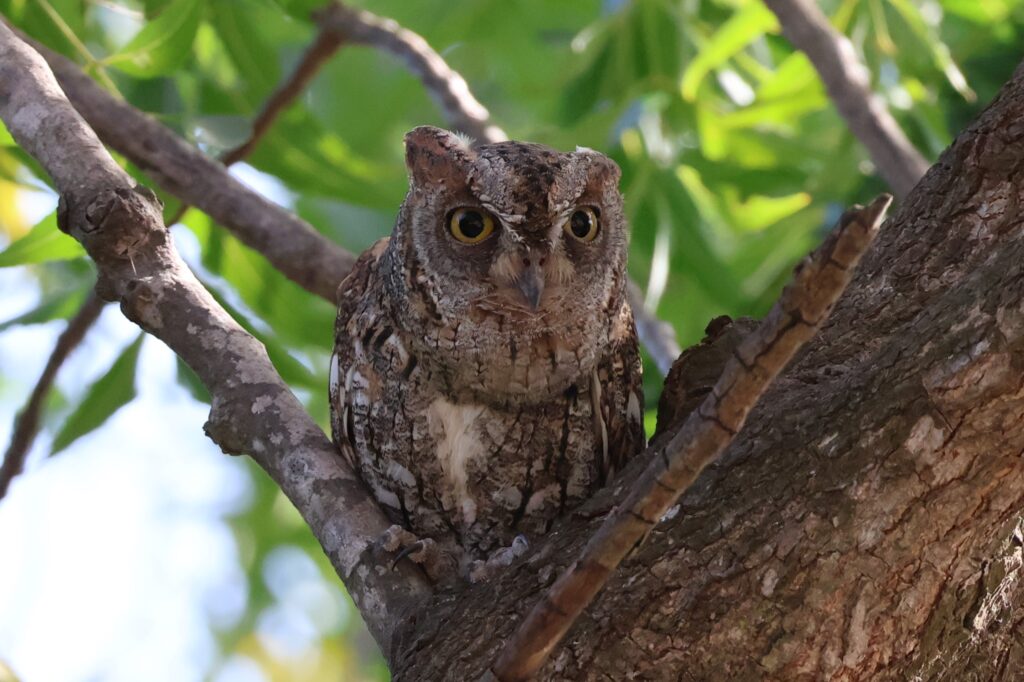
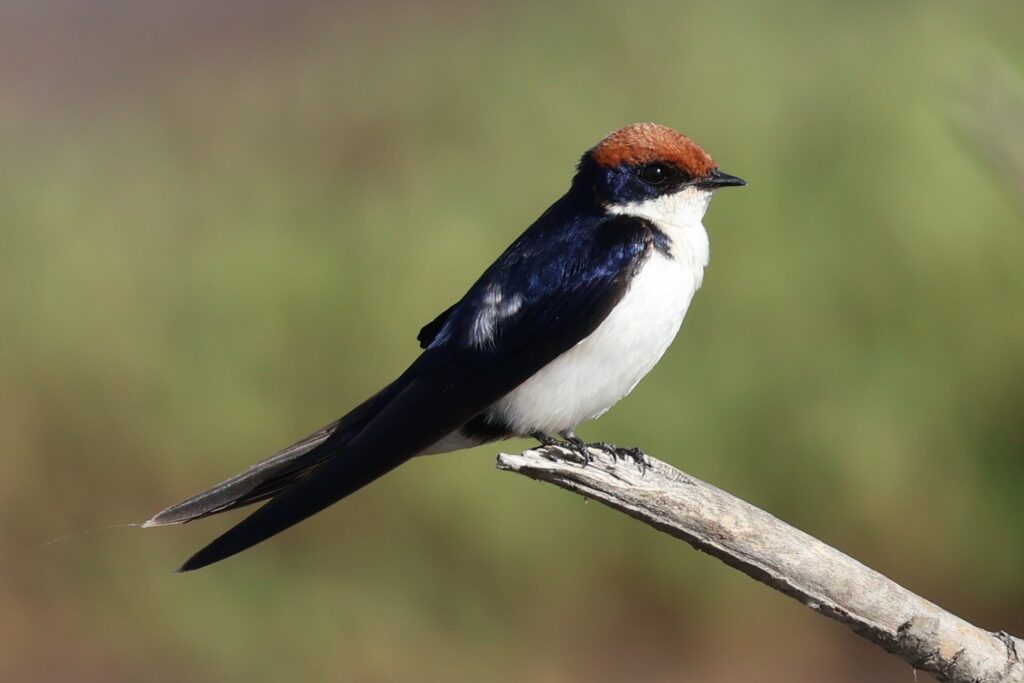
A busy day in the field starts early as we head to the excellent Brufut Woods. It can take an hour to walk a hundred metres along the track here as the trees are literally dripping with birds. Blue-breasted, Pygmy and Grey-headed Kingfishers, Red-bellied Flycatcher, African Golden Oriole, Brown Babbler, Fine-spotted Woodpecker, White-faced Scop’s Owl, Violet & Green Turacos and even Long-tailed Nightjar might be seen here. We will search for a Verraeux’s Eagle Owl in its daytime roost before heading into the more open scrub. Yellow-fronted Canary, Veillot’s Barbet, Red-winged Warbler, Yellow-fronted Tinkerbird, Northern Red Bishop, Whistling, Singing and Siffling Cisticolas, White-crested Helmet-shrike and Pied-winged Swallow might be seen in this area. We lunch at the excellent Tanji eco-lodge where well-placed drinking pots attract an incredible array of birds. This is a great spot to relax during the heat of the day with a cold drink and our scopes and cameras set up waiting for the birds to come to us! Western Bluebill is a regular visitor but a variety of bulbuls, Palearctic migrants, sunbirds, doves and Afro-tropical specialities are also likely, either side of an excellent lunch!
As the afternoon begins to cool we then head to nearby Tujerang and the birds will no doubt come thick and fast! The whole area is really good for open country birds and Palearctic migrants and we should encounter such gems as Senegal Batis, Chestnut-crowned Sparrow-weaver, Long-crested and Beadouin’s Snake-eagles, Veillot’s Barbet, Little Weaver, Red-winged Warbler and Yellow White-eye plus Melodious, Western Subalpine and Western Olivaceous Warblers. In recent years the formally rare and local Chestnut-bellied Starling has also colonised this area and we may be lucky with a sighting. We return to the hotel for some downtime before dinner.
Overnight Senegambia Beach Hotel.
DAY FOUR
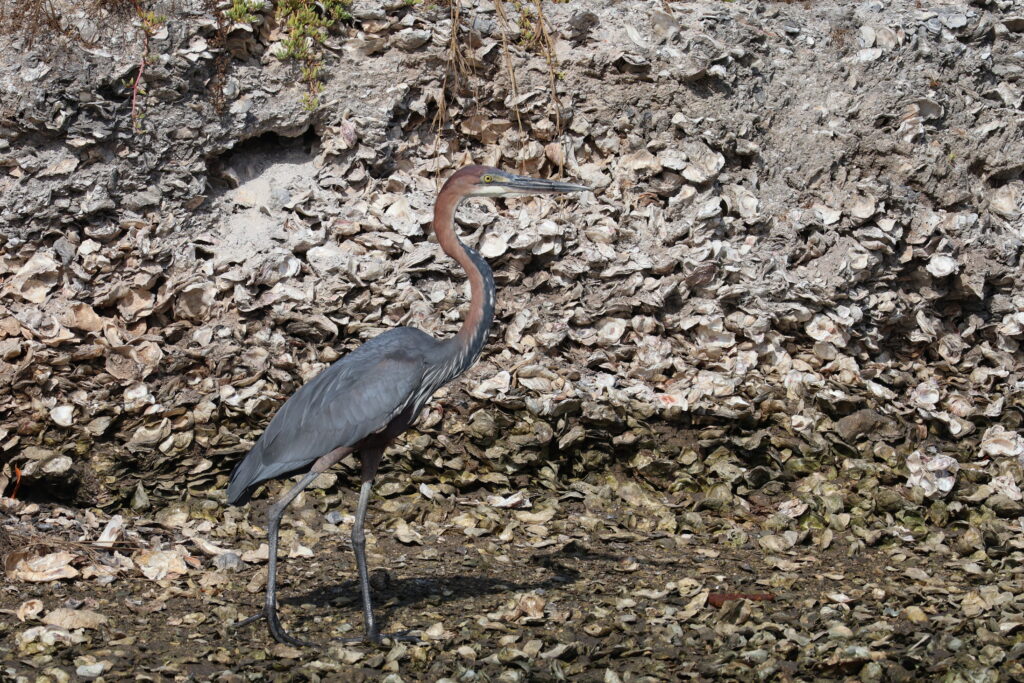
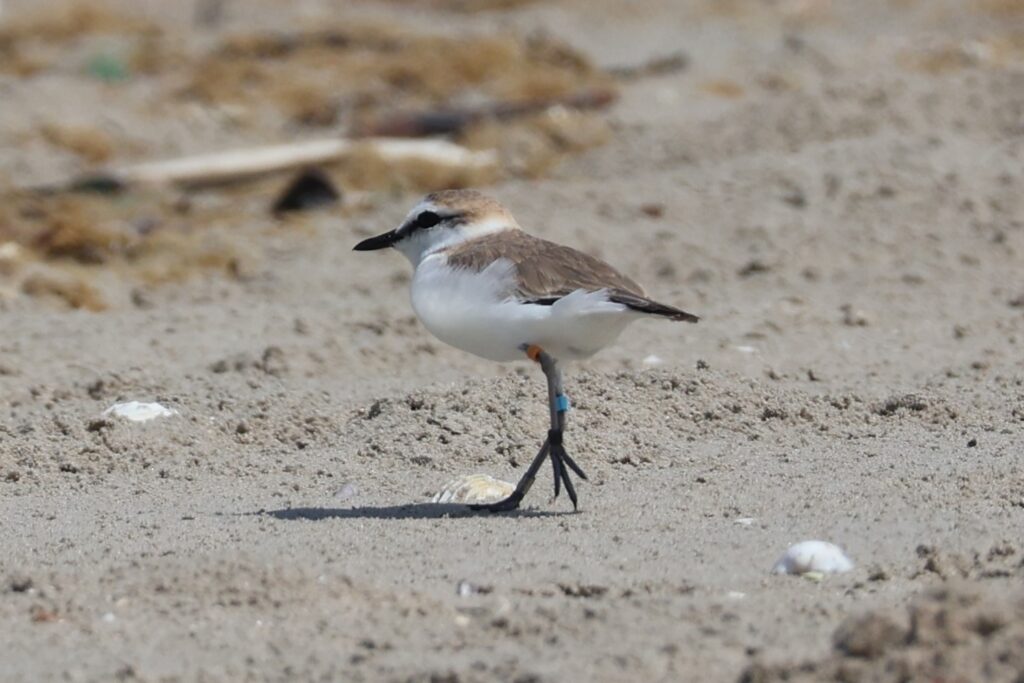
Today we depart before dawn for the one hour drive south to the Senegal border as we will be spending the whole day birding around the superb Kartong Bird Observatory. Here we meet with our friends Colin Cross and his wife Binta who run the observatory and will be our hosts for the day! Enjoying breakfast on their verandah, we can overlook the Kartong wetlands, created when rain water filled old sand mining pits many years ago. The area is teeming with waterbirds – Malachite Kingfishers zip back ad forth, while Black Crake, Purple Gallinule and even occasionally Allen’s Gallinule stalk the reedy fringes. Purple and Squacco Herons are common, Dwarf Bittern can be found with luck, and palearctic migrants abound in the reeds and scrub. After breakfast we go on foot for the morning to explore the bush around the observatory. Four-banded Sandgrouse is a real possibility here and the small pools often hold Greater Painted Snipe. Various kingfishers can be seen and we will be checking the larger areas of water carefully for the superb African Pygmy Goose – rare in The Gambia. Coastal bushes provide a winter home for a range of palearctic migrants including Common Nightingale, Western Subalpine and Western Olivaceous Warblers, while weavers and bishops abound. Blue-cheeked Bee-eaters often congregate in the area, and we have sometimes found rarer species such as White-throated or Northern Carmine Bee-eaters too. Reaching the shore, we have a chance to check the assembled waders for White-fronted Plover, here at its only mainland breeding site in The Gambia. Offshore we may spot tern, gulls and skuas, Osprey, Pink-backed Pelican and who knows what else. After lunch here, we will take a boat trip along the river which forms the border with Senegal and look for flocks of Blue-cheeked Bee-eaters. If the tide allows, we can creep up on roosting parties of Caspian and Royal Terns and Audouins Gulls and the photographic opportunities can be fantastic. If we are lucky, we could find the localised Brown Sunbird, pick up an African Fish Eagle or Yellow-billed Stork, or perhaps even a Goliath Heron. Many great rarities have been found in this area and you never know what we are going to see! We have a shorter journey at the end of the day as we arrive at our new lodgings at Asamai Villas for a two-night stay.
DAY FIVE
Sohm woods will be our destination today, an open savannah area close to the border with Senegal in the south. The area is extremely good for raptors and we have our best chance of the trip to see Bataleur, plus Tawny Eagle, Whalberg’s Eagle, Western-banded Snake Eagle, Bedouin’s Snake Eagle, Long-crested Eagle, Lanner, Red-necked Falcon and Dark Chanting Goshawk. Small birds abound in the scrub with Scarlet-chested and Western Violet-backed Sunbirds, Brubru, Senegal Batis, White-shouldered Black-Tit and Yellow Penduline Tit on our target list. Watering holes attract cattle and with them, Yellow-billed Oxpeckers too, while Mottled Spinetails whizz around overhead. We have lunch at Marakissa River Camp (complete with Nile Crocodiles!) and then take a late afternoon walk by the river. Some excellent pools here often host Greater Painted Snipe and Black Crake, while the surrounding rice cultivations are great for a variety of other birds such as Blue-breasted Kingfisher and Palm-nut Vulture. Overnight at Asamai Villas.
DAY SIX
Today we start our journey inland, with final destination for the evening being Tendaba Camp on the banks of The Gambia river. On our way, we start with a visit to Farasuto and spend some time looking for more elusive or difficult to find species in the farmland there such as Black-rumped Waxbill, Violet-backed Sunbird, Fine-spotted & Cardinal Woodpeckers, Senegal Eremomela and Purple Glossy Starling. Drinking troughs again prove crucial for viewing elusive species (and trying to separate the glossy starlings!) but here it is sometimes possible to see Snowy-crowned Robin Chat, Blue-spotted Wood-dove, Green-headed Sunbird and even Green Turaco! We will check the small pools for roosting White-backed Night-heron – and keep a sharp eye out for crocs sleeping on the raised banks between the pools! We should also get the opportunity to check for some roosting owls in this area – White-faced Scop’s Owl, Greyish Eagle Owl and Verraux’s Eagle Owl all being possible.
From here the journey on to Tendaba is about 2.5hrs, though there will be some birding stops along the way. Overnight Tendaba Camp.
DAY SEVEN
We continue upriver today for a further couple of hours, to Georgetown and the famous Baobalong camp at Janjanbureh. Accommodation here is even more basic, so expectations need to be managed – but it is essential to base ourselves further upriver in order to now strike out for some key target species of The Gambia’s interior. At Soma swamp we have our first chance at the biggest of these targets, the Egyptian Plover or Crocodile Bird. This species is synonymous with upriver trips to The Gambia and we hope to get a few sightings over the next 48hrs or so. Raptors are a real feature inland and if we are lucky to find a roadside carcass, then we could observe Ruppell’ s Griffon vulture alongside both Griffon and White backed vultures and the markedly smaller Hooded Vulture which is so common at the coast. Local walks offer good views of Yellow-crowned Gonoleks, Pin-tailed Wydah, Western Olivaceous warbler and Red-throated Bee-eater (the latter part of a family group we hope to ‘complete’ from the field guide plate!)
Overnight Sansanding Lodge Georgetown.
DAY EIGHT
Another boat trip today at Sapu, should give us further opportunities for birds such as African Fish Eagle and the commoner riverside species including several different Kingfishers and a often a family of Swamp Flycatchers. After a relaxing lunch on the boat we headed back to Georgetown, looking for Hippopotamus on the way, and scanning carefully at the mangrove edge for our next main target – African Finfoot. In the afternoon we do some birding locally, probably visiting Jakhaly Rice fields (good for Greater Painted Snipe) and Bansang Quarry where the sight of at least two hundred Red throated Bee eaters around their nest holes provides an amazing sight. Exclamatory Paradise Wydah, Cinnamon-breasted Bunting and a range of other open country birds plus more raptors, can be expected. Overnight Sansanding Lodge Georgetown.
DAY NINE
Our Journey back towards the coast will commence today, firstly crossing the river via the ferry at Janjanbureh and then heading west along the North Bank with several roadside stops along the way. One of these will be Wassu woodlands hopefully giving us great views of Northern Carmine Bee-eater, another top target of inland birding in The Gambia. Kittlitz’s and Eyptian Plover, Collared Pratincole, Marsh Sandpiper and Little Stint can also be expected, while there is always a small chance of the rare Saville’s Bustard too. Temminck’s Courser, a delightful wader, is altogether more likely. Overnight Tendaba Camp.
PLEASE NOTE – the route up and down the river is likely to vary depending on various factors. We may end up going up the north bank and down the south bank rather than as stated above.
DAY TEN
A highlight of our time in Tendaba will be a creek crawl from our base into the surrounding mangrove swamps and river islands of The Gambia river. This can produce some breath-taking birding, with mighty Goliath Heron, localised White backed Night Heron, Great and Intermediate Egrets, Fairy Blue Flycatcher, African Fish Eagle and Mouse-brown Sunbird all likely, plus lots of other species giving excellent photographic opportunities. Perhaps a flock of several hundred Great White Pelicans will give us a close fly-by, or the impressive Martial Eagle might be seen if it is nesting in the area. The local areas of Kiang west and the Batelling bush tracks will be our other destinations whilst at Tendaba. Species such as Booted Eagle and Namaqua Dove supplement more familiar faces in the shape of Redstart and Tree Pipit, plus the charismatic Spotted Thick-knee. Several Long tailed Nightjars could also be expected in this area too. From here we have a further 2.5hrs to travel all the way back to the coast, arriving back at the Senegambia hotel in time for a wash and brush up followed by our evening meal.
DAY ELEVEN
Due to the afternoon flight time we have a free morning which is set aside for people to do as they choose – take a swim, walk on the beach or visit the local craft markets. Of course, you may want to spend some more time birding around the hotel grounds! Parties of noisy Long-tailed Glossy Starlings adorn the lawns, and among the thickets Oriole Warbler, African Paradise Flycatcher and Yellow-crowned Gonolek may be found. Grey Woodpecker, Bearded Barbet, Lavender Waxbill, Red-billed Firefinch, Northern Black Flycatcher, Village Indigobird, Red-billed and African Grey Hornbills, Wattled Lapwing, Senegal Parrot, Black-necked Weaver and Western Grey Plantain-eater are all easily seen.
We will have an early lunch before departing Senegambia around 1230 back to Banjul airport for our flight back to the UK.
WALKING
Walks are mostly easy and on sandy paths, tracks or roads. There is some walking on very narrow paths in the ricefields, which some people may find difficult. At Kartong, there is some walking on heavily vegetated paths with stumps and roots.
ACCOMMODATION
Four bases starting and finishing at Senegambia Beach Hotel, which is a tourist hotel of a good standard. All rooms en suite with air conditioning – they are clean but basic in facilities. Two nights at Asamai Villas in private cabins with air-con. Two nights at each of Tendaba Camp and Sansanding Lodge which are very basic.
All evening meals are taken at the hotels, and are generally buffet style with plenty of choice at Senegambia but much more limited upriver. Expect meat and fish options with plenty of rice and vegetables every day. Vegetarians should beware that this is not a concept well understood in a country where choice is not a luxury most local people have when it comes to food. However, omellettes at breakfast are excellent, and the evening buffet has plenty of salad and vegetables, rice and potatoes, soup and bread etc.
WHATS INCLUDED
Return charter flights London Gatwick/Banjul, ten nights accommodation, breakfasts, lunches and evening meals, services of leaders, ground transport, boat trip and reserve entrance fees.
NOT INCLUDED
Transport to/from London airport and any overnight stay that might be involved, travel insurance, drinks, airport tax of approximately £20.00 per person payable locally on both arrival and departure and any items of a purely personal nature.
PASSPORT, VISA & HEALTH
Visas are not required by UK nationals and you will be issued with a 28-day tourist stamp on arrival. Passports must have 6 months validity beyond the return travel date. Standard health and inoculation requirements apply for UK nationals, visit www.masta-travel-health.com to check these and if necessary, download a free health brief to take to a travel appointment at your local medical practice. It is also strongly advisable to take precautions against malaria for this tour, and if you are travelling from or have recently travelled in a region with Yellow Fever, you will require the inoculation certificate to travel. Please note that some prescription or over the counter medicines are banned in The Gambia, please check with the Gambian Embassy before travel.