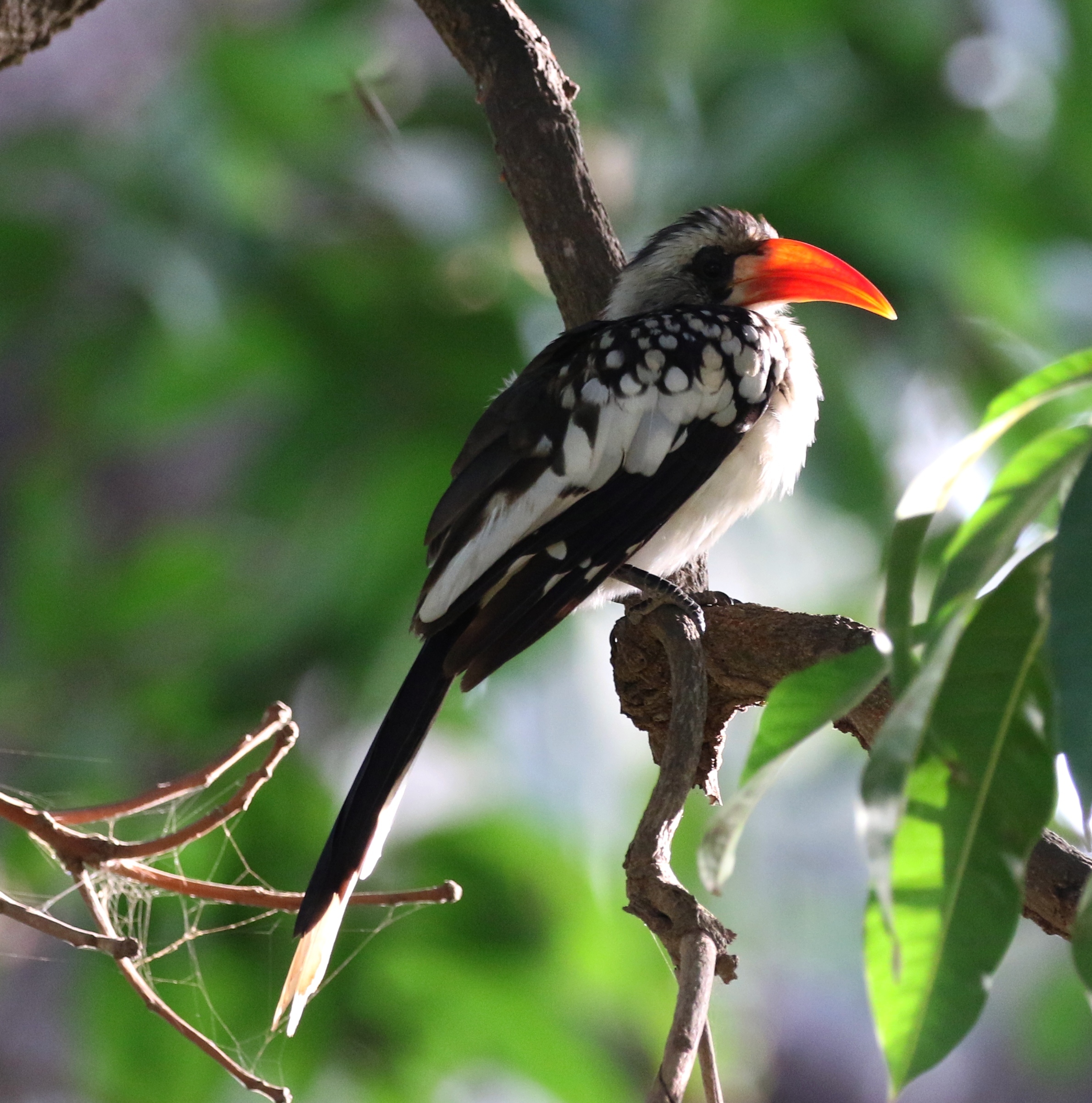
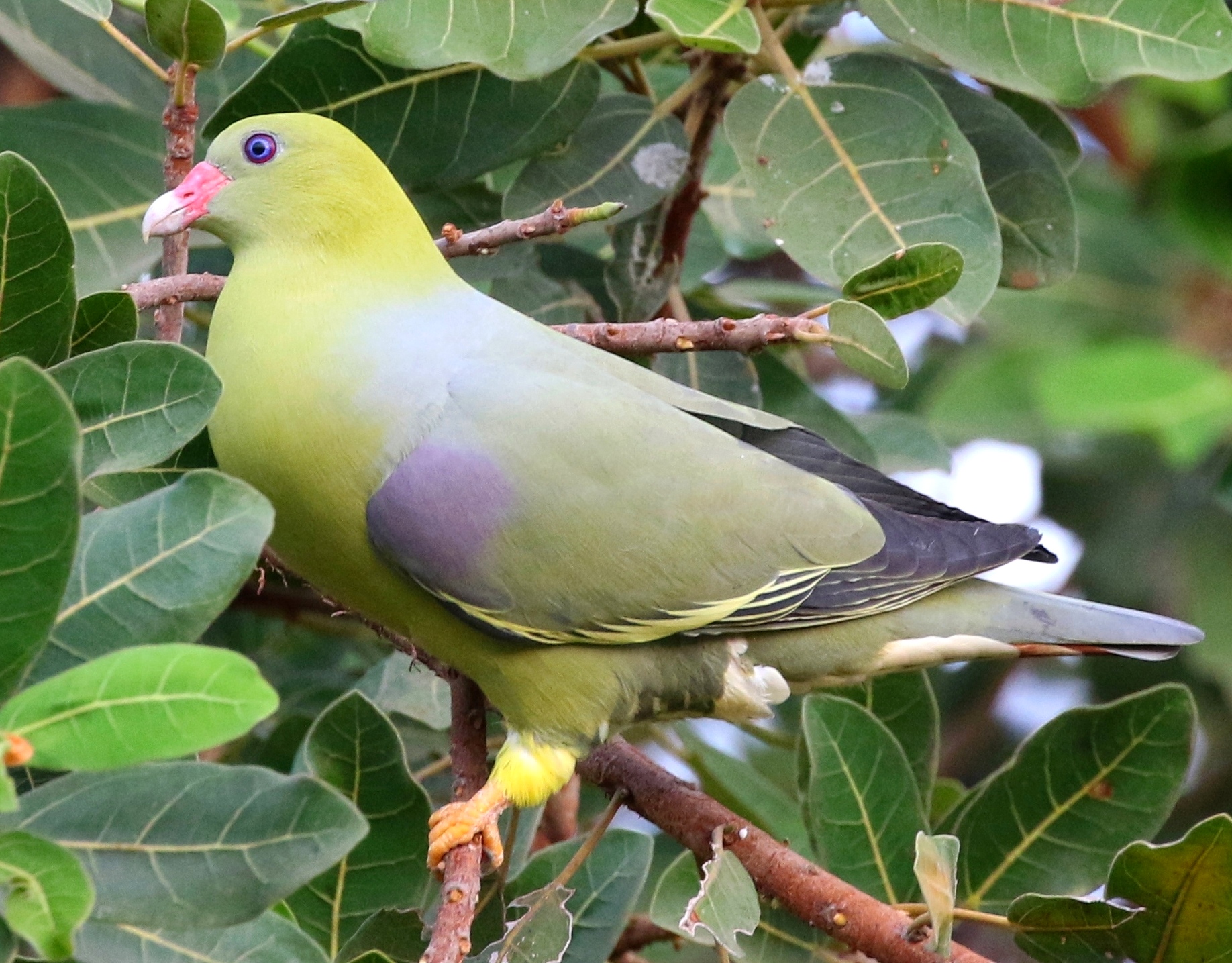
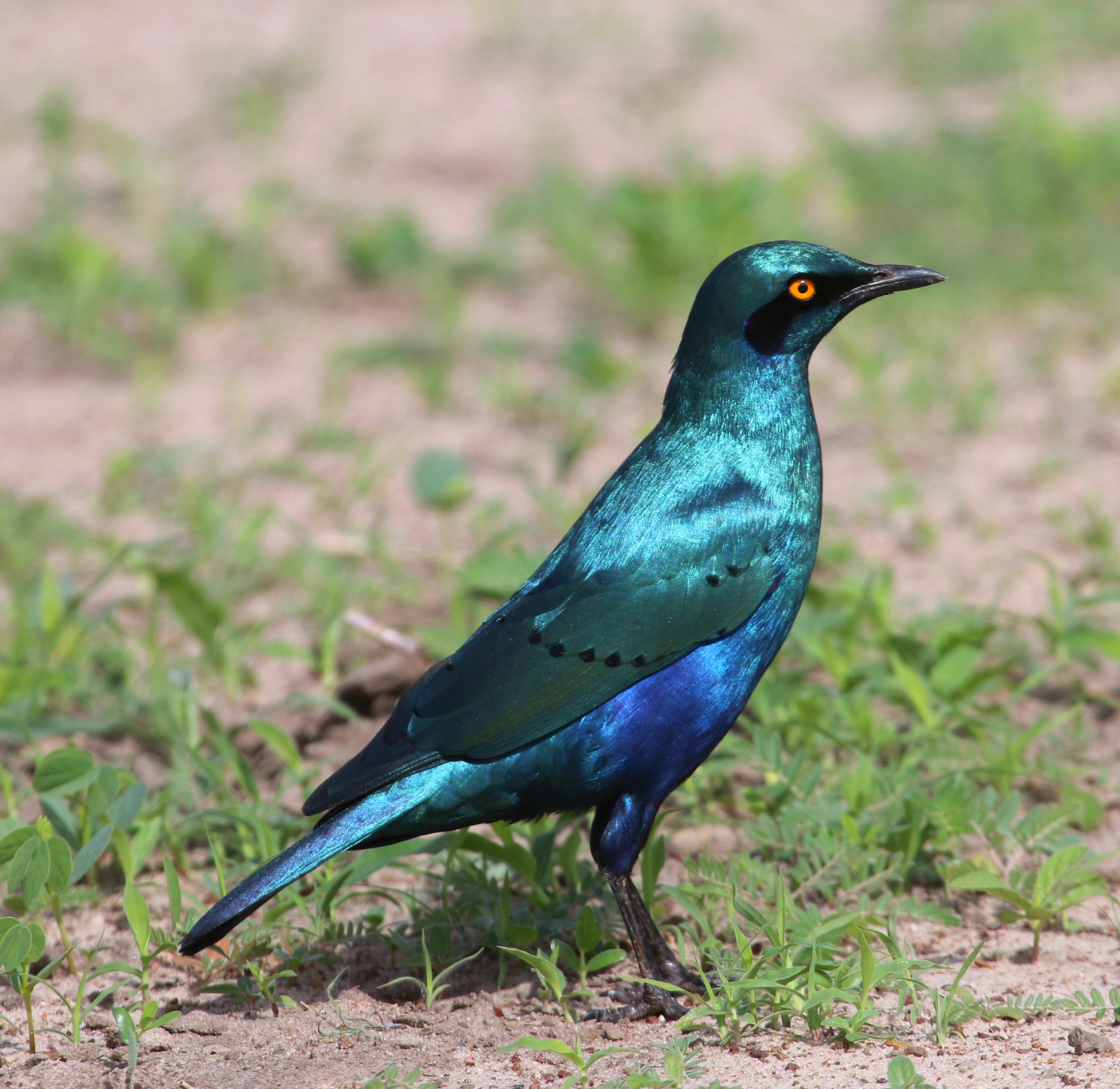
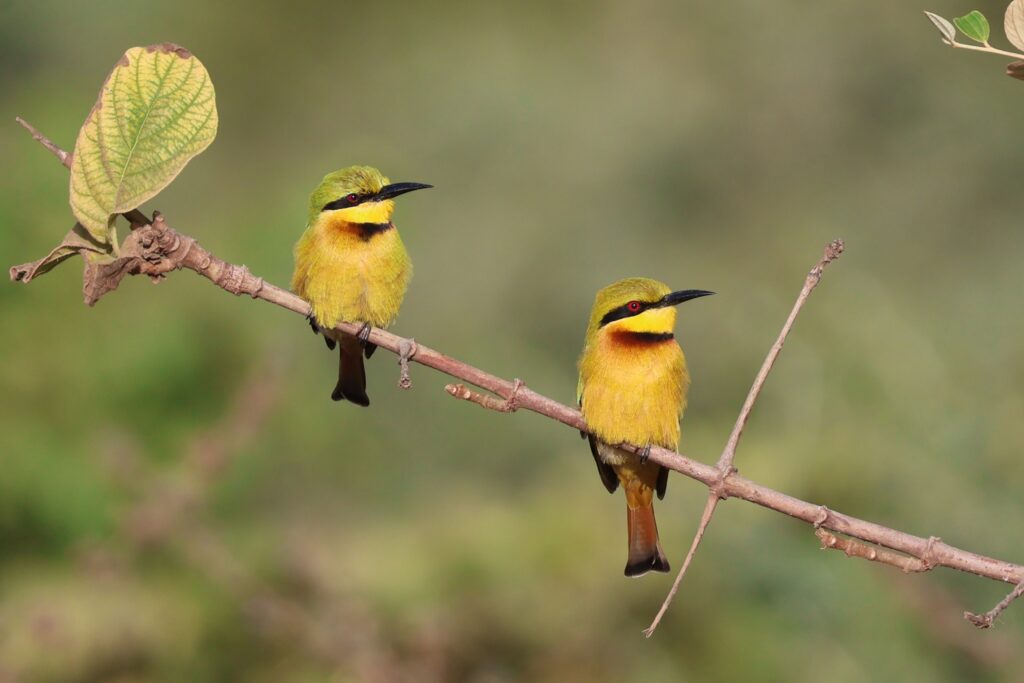
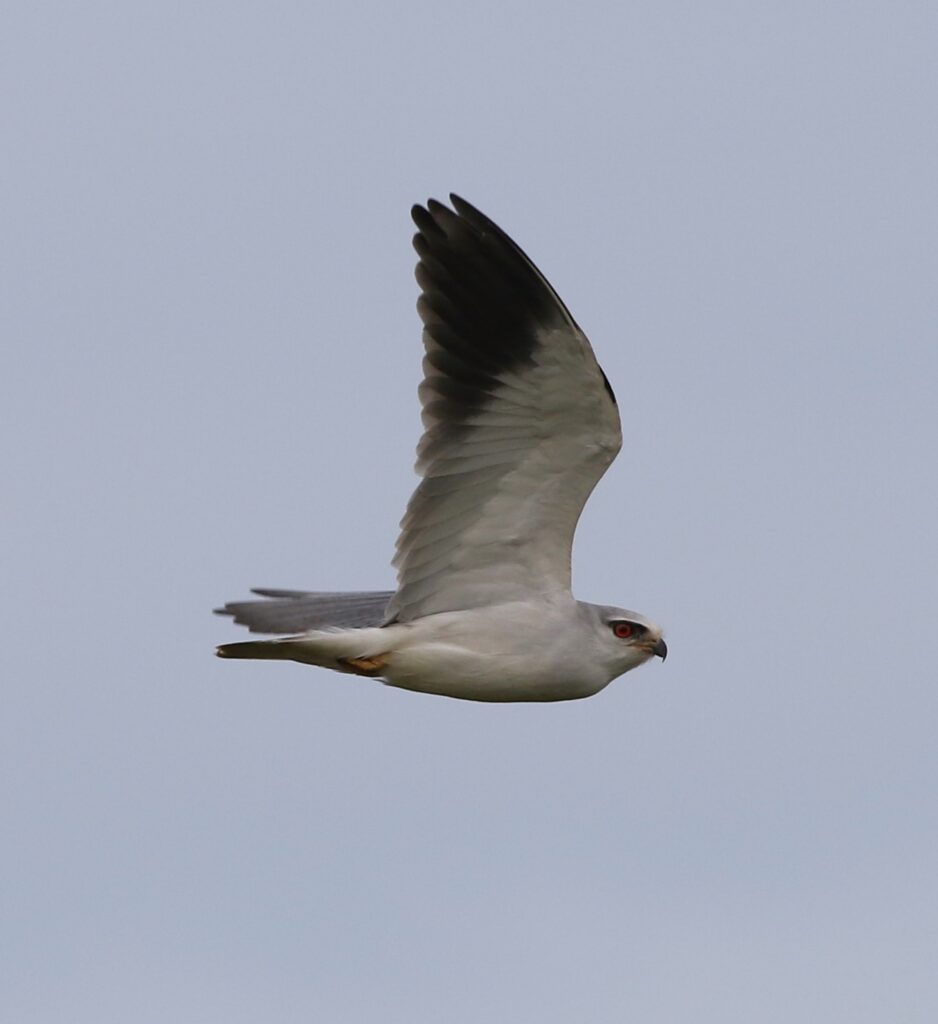
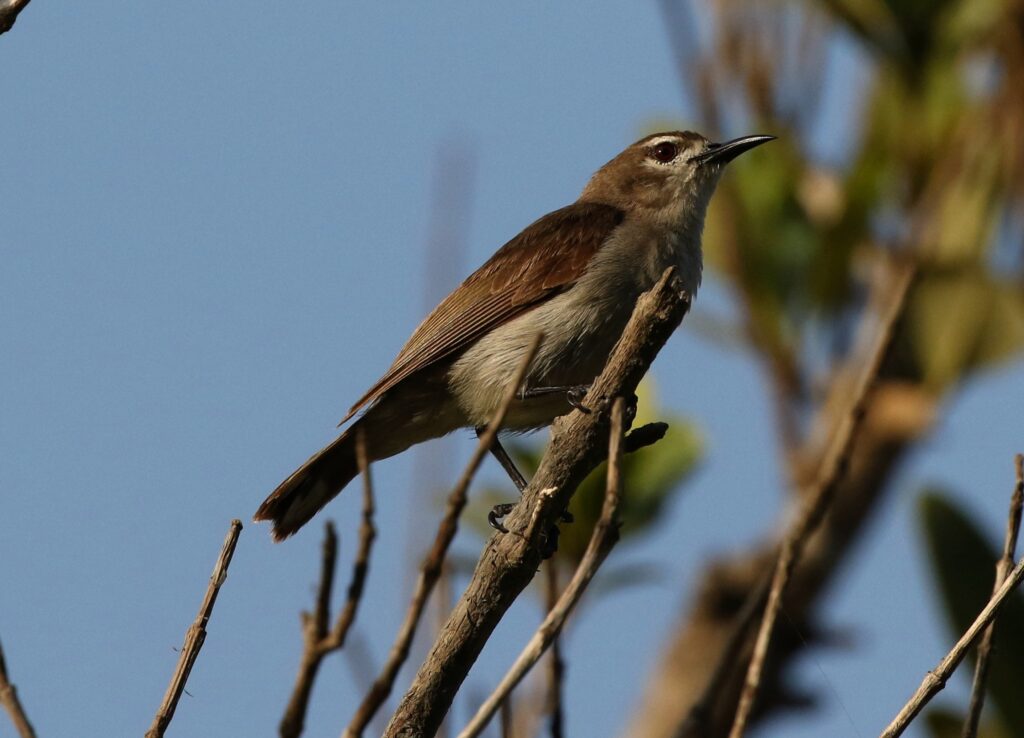
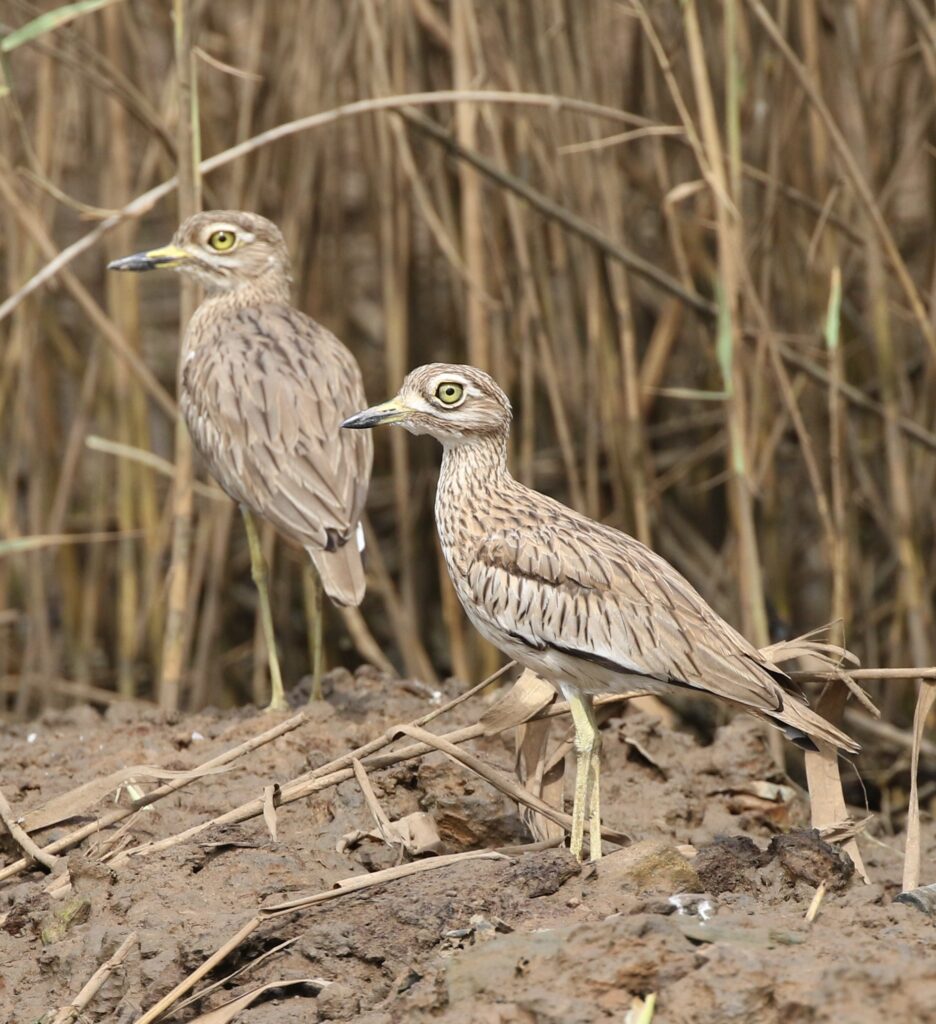
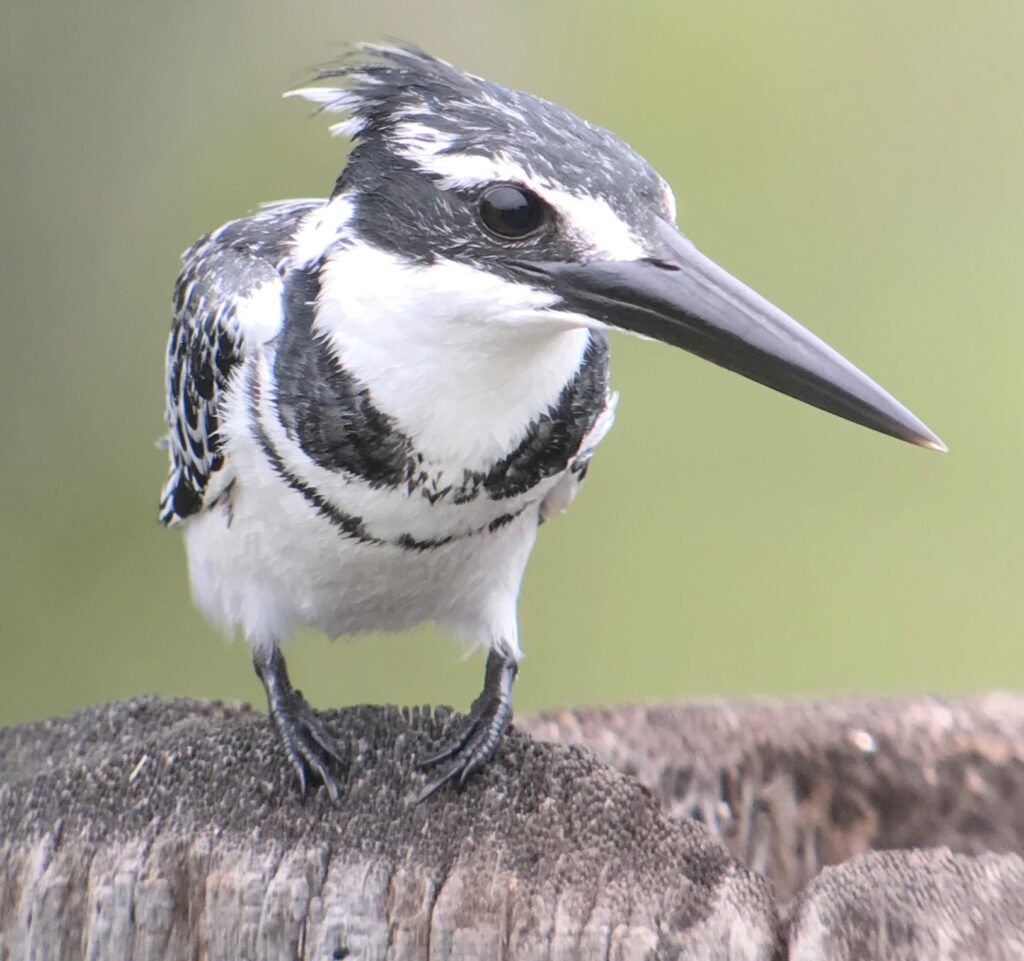
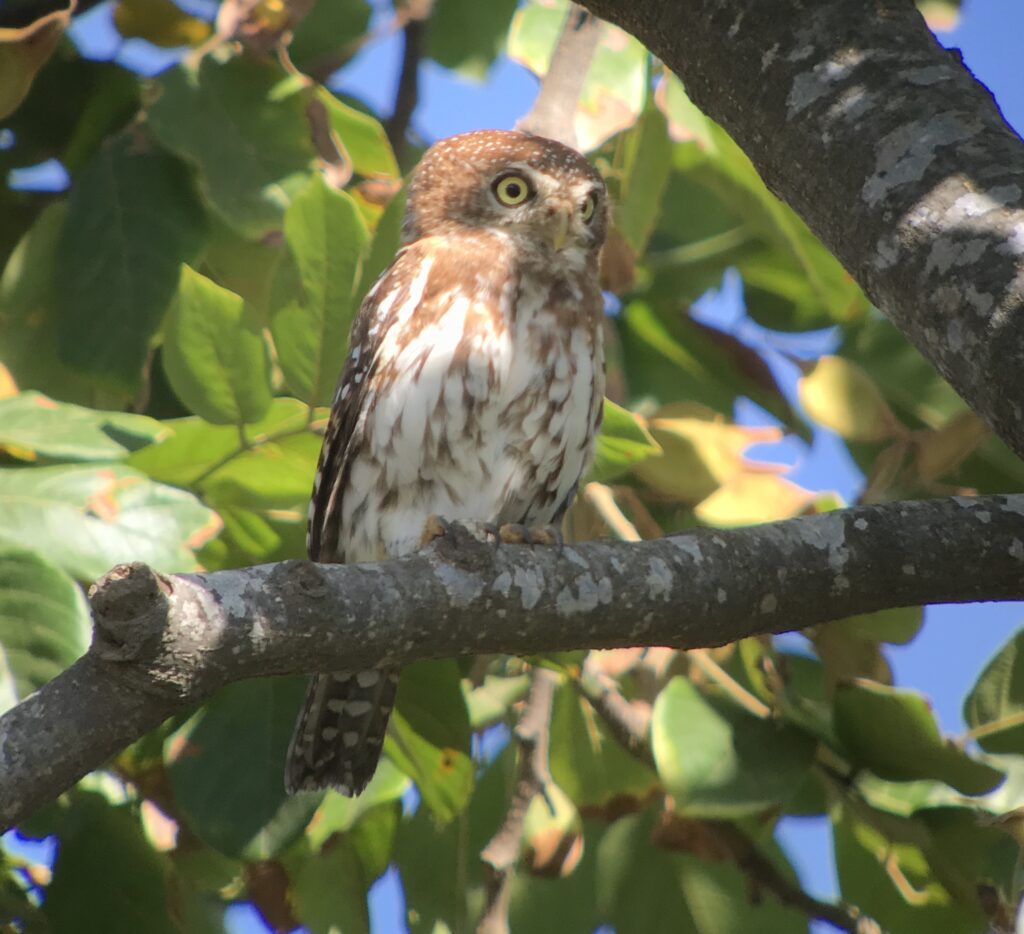
The Gambia is a popular destination with European birders, and for good reason. Located just the other side of the Sahara, The Gambia is easily accessible and has good accommodation and infrastructure. Most importantly for us, the country hosts a fine selection of typical African birds and this will be our 15th year of tours to this tiny African nation. The Gambia is also well served by local guides, and English is spoken widely. Most tours visiting the region base themselves briefly at the coast and spend time exploring the upriver regions, though the ethos of this tour is different. As a single-centre bird filled break based in a tourist hotel on the coast, this is ideal for those taking their first steps into African birding but also serves up an enviable list of excellent birds. Likely raptors include African Harrier-hawk, Shikra, Black-winged Kite, Osprey, Red-necked Falcon and Hooded Vulture, among many others. Kingfishers are well represented, from the tiny African Pygmy to the noisy Pied. Then there are turacos, hornbills and ground-hornbills, honeyguides, drongos, bulbuls and babblers, robin-chats, paradise flycatchers, sunbirds, bush-shrikes and helmet-shrikes, glossy starlings, ox-peckers, widow birds and bishops, and waxbills and weavers – phew! Many of these exotic sounding birds can be found in our hotel gardens, as we have 20 acres of tropical woodland to explore!
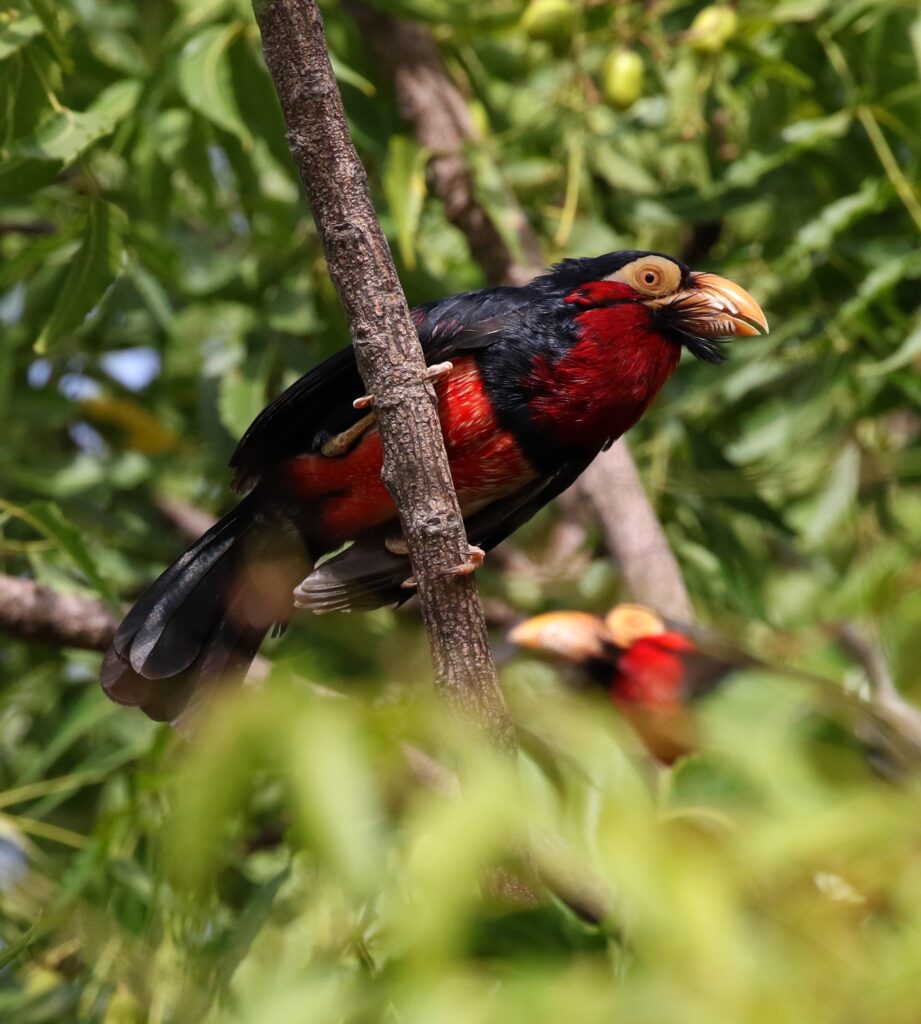
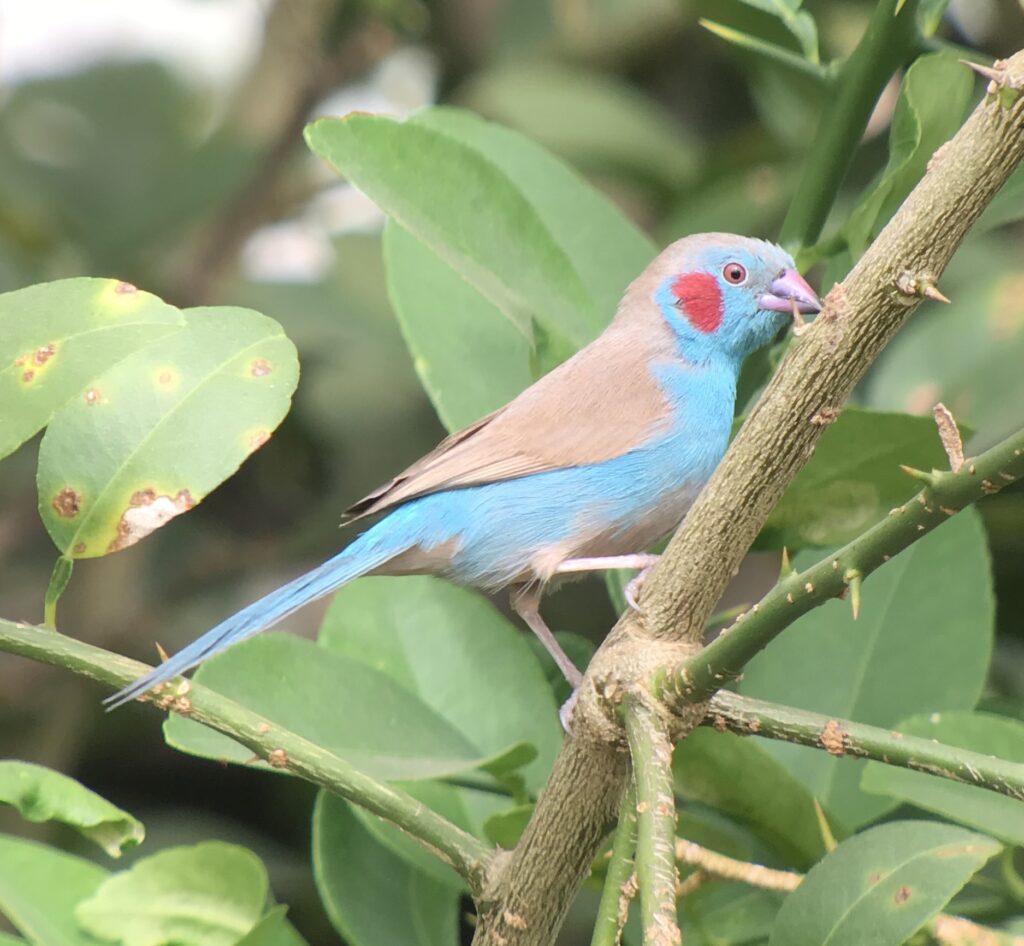
Red-cheeked Cordon-Bleus, African Golden Oriole, Bearded Barbet, Oriole Warbler, Bronze Mannikin, Red-billed and African Grey Hornbills, Senegal Parrot, Mosque Swallow, Yellow-crowned Gonolek and African Black Flycatcher are some of the delights in store! Our trips into the field will take us to Abuko Nature reserve, Marakissa, Farasuto, Kartong, Sohm, Tanji and Koto ponds and creek where a selection of wetland species includes many egrets, herons, thick-knees, waders, gulls, terns, skuas, rollers & localised forest birds. The focus of the trip is, of course, the birds, but there is a fine selection of other wildlife to enjoy too. We will also be looking out for Green Vervet & Western Red Colobus Monkey, Fruit Bats, Nile Monitor, Rainbow Lizard and others. Join us for this fine introduction to African birding. You can expect around 220-260 species and you will be guided by Gary Elton for this tour.
DAY ONE
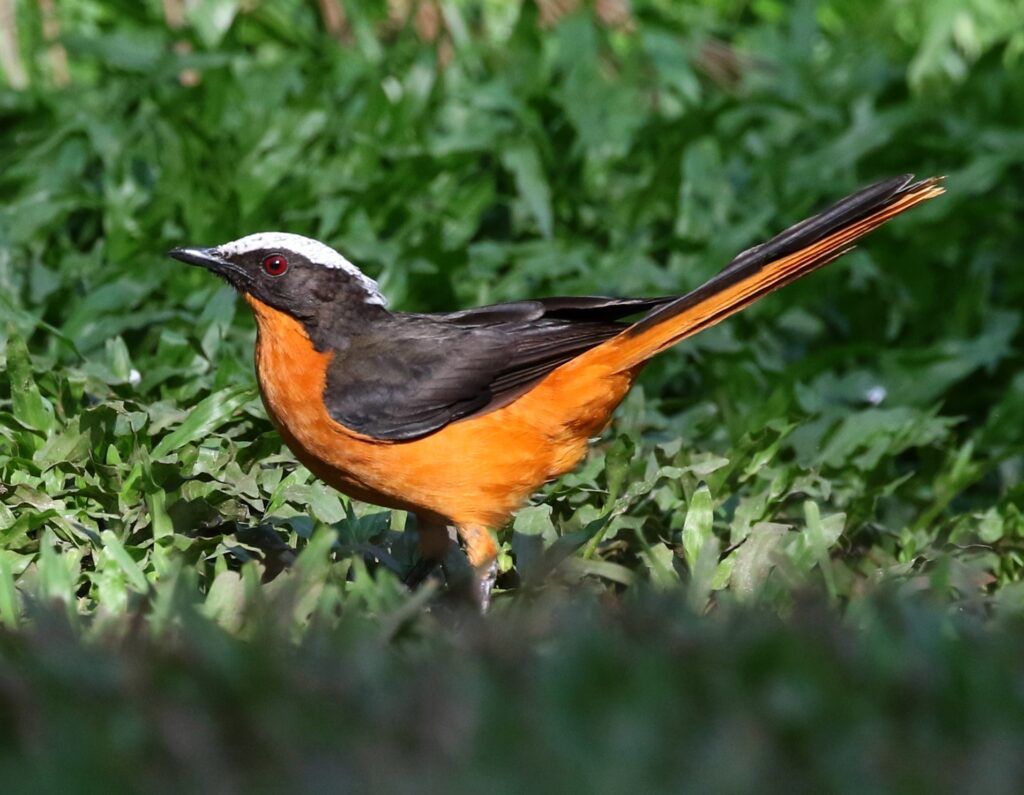
Fly London/Banjul and transfer to the Senegambia Beach hotel. After check in and depending on flight times we will spend the evening birding around the grounds to get to grips with some of the commoner species. Our first birds are likely to include Beautiful & Variable Sunbirds, Common Bulbul, Western Plantain-eater, Red- eyed Dove, White-crowned Robin-Chat and Broad-billed Roller as well as other typically African species.
DAY TWO
Our main destination for the morning will be nearby Kotu stream and fields where a huge variety of species can be seen just a short distance from our hotel. Senegal Thick-knee, Pied and Blue-breasted Kingfishers, a variety of waders and herons and raptors might be seen. The adjacent Kotu Cycle Track covers a range of habitats and starts to get you familiar with a range of the local birds such as Yellow-crowned Gonolek, Western Reef and Striated Herons, Intermediate Egret, Hooded Vulture and Pearl – spotted Owlet while Blue-cheeked and Swallow-tailed Bee-eaters raid the skies above for insects. Shorebirds are a feature of the marshy pools occasionally there is a chance for Painted Snipe. Lizard Buzzard, African Harrier-Hawk, Abyssinian and Broad- billed Rollers should all feature during the day here. A walk back along the cycle track could add Woodland Kingfisher, Yellow Billed Shrike, Green Wood Hoopoe, Northern Crombec, African Jacana, Piapiac and Senegal Coucal amongst others. In the late afternoon we will try the golf course area, where sometimes we can find Black-headed Lapwing and where the rare Golden-tailed Woodpecker sometimes occurs. We return to the hotel to enjoy a well earned beer after an exciting first day in The Gambia!
DAY THREE
Today we visit Farasuto and spend some time looking for more elusive or difficult to find species in the farmland there such as Black-rumped Waxbill, Violet-backed Sunbird, Fine-spotted & Cardinal Woodpeckers, Senegal Eremomela and Purple Glossy Starling. Drinking troughs again prove crucial for viewing elusive species (and trying to separate the glossy starlings!) but here it is sometimes possible to see Snowy-crowned Robin Chat, Blue-spotted Wood-dove, Green-headed Sunbird and even Green Turaco! We will check the small pools for roosting White-backed Night-heron – and keep a sharp eye out for crocs sleeping on the raised banks between the pools! Lunch is taken at Boabab Island, reached by crossing in a small boat. Here we can relax in the shade and maybe enjoy close views of the local African Scop’s Owls, if they are around. Crossing back to the ‘mainland’, we visit another viewing screen with specially created drinking pools, and might add Greater Honeyguide, Ovambo Sparrowhawk or Double-spurred Francolin.
DAY FOUR
We will travel one hour to Pirang area and in particular the shrimp farm, which is a superb area for waterbirds. We can expect to find Greater Flamingo, flocks of Eurasian and African Spoonbills, and migrant waders such as Curlew Sandpiper, Marsh Sandpiper and Little Stint. African Fish Eagle sometimes hang around the area, while the distinctive West African Swallows, recently split from Red-rumped, can often be found. Some pans are likely to hold more birds than others so we can criss-cross the area on foot via a series of raised bunds that give us superb views of the birds. Kentish Plovers are common but the area also hosts the odd breeding pair of White-fronted Plover and sometimes we can find Kittlitz’s Plover too – its certainly a fabulous site for increasing the list! In the bushes along the bunds numerous small birds can be seen and we often get a surprise such as the localised and nomadic small finches – we have seen Cut-throat Finch and Qail-finch previously. The area is open so we also have a chance of large raptors drifting over, such as Bedouin’s Snake-Eagle. Once we have exhausted the pools, or the heat of the day starts to build up too much, we will return to the vehicle and make the journey over to Marakissa River Camp. Here we can have a relaxed lunch in the cool while watching the antics of the local crocodiles in the river! Afterwards we will take a walk to the nearby river and pools, where more waterbirds can be found such as African Jacana, Black Crake, various herons and Blue-breasted Kingfisher. The surrounding lush vegetation also offers up plenty of other birding opportunities too and we might see the crimson-flashed of the wings of a Violet Turaco or a squawks of Senegal Parrots in the trees around. We return to the hotel late afternoon.
DAY FIVE
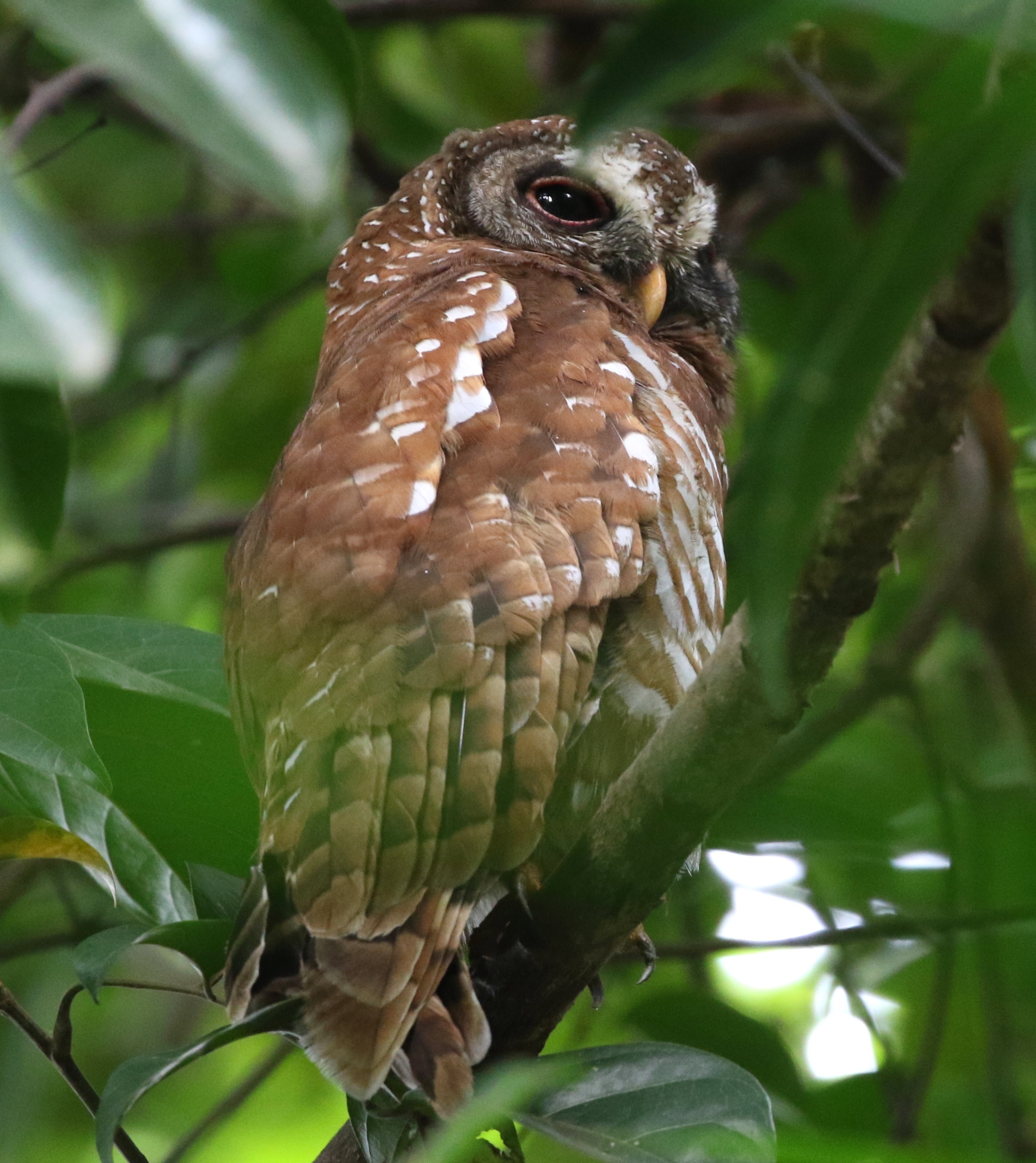
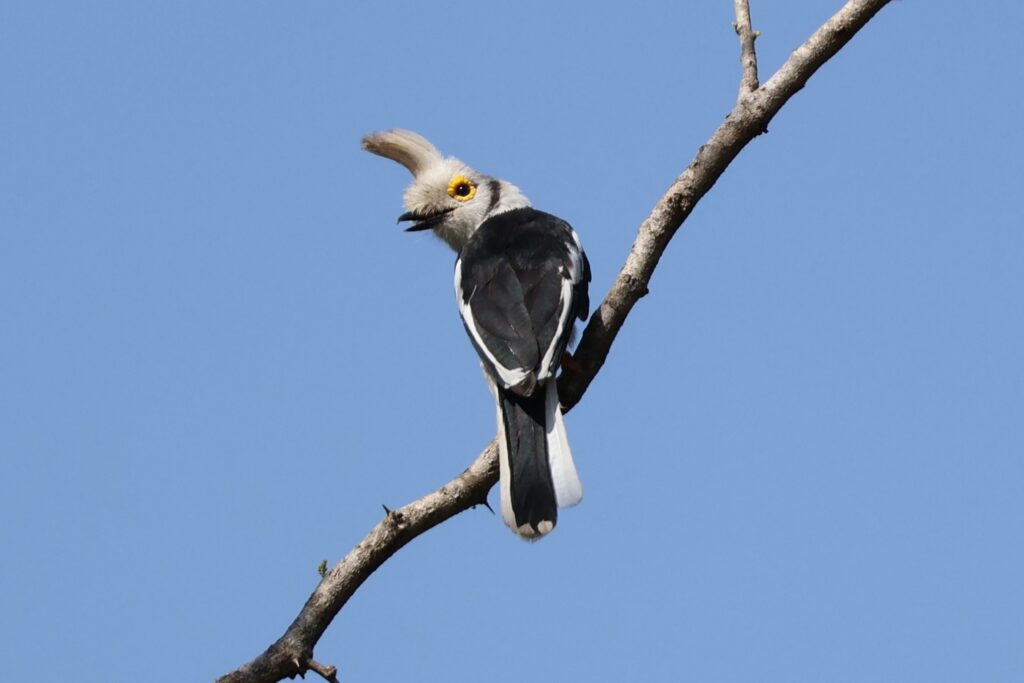
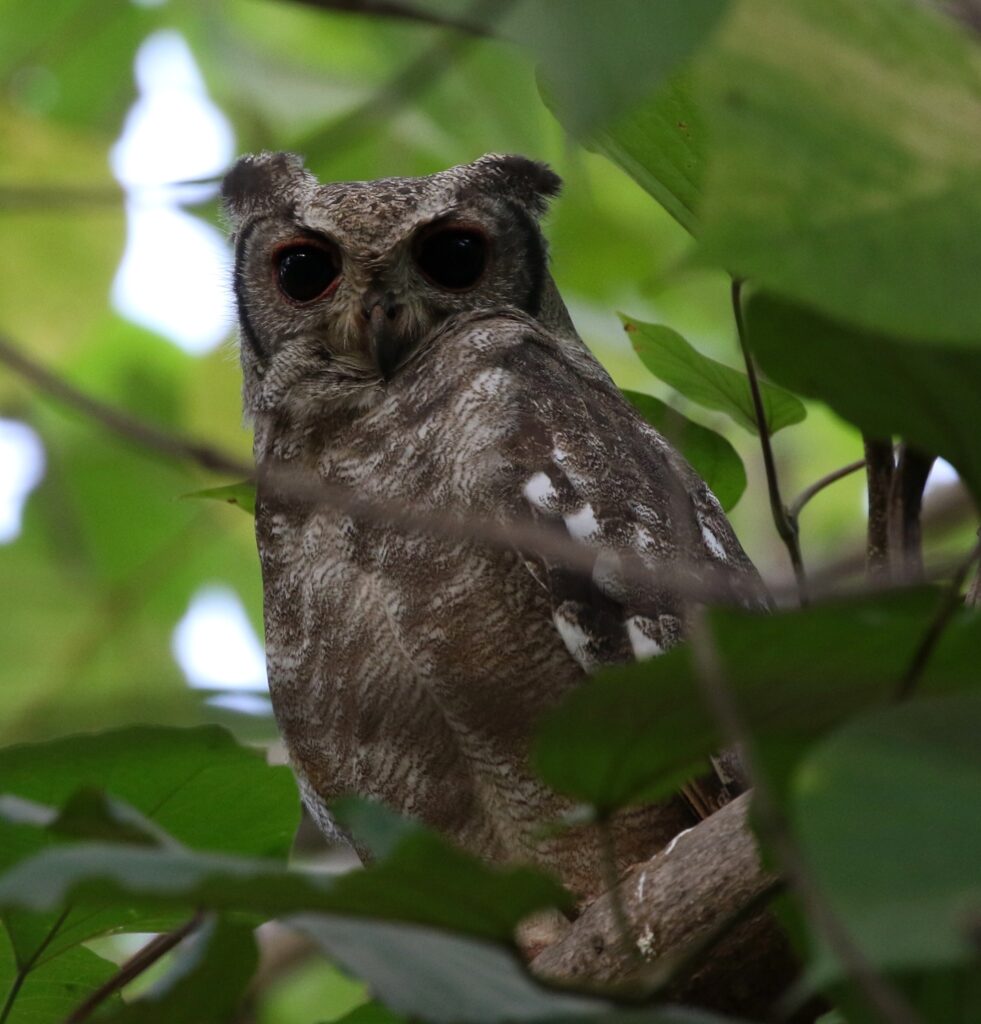
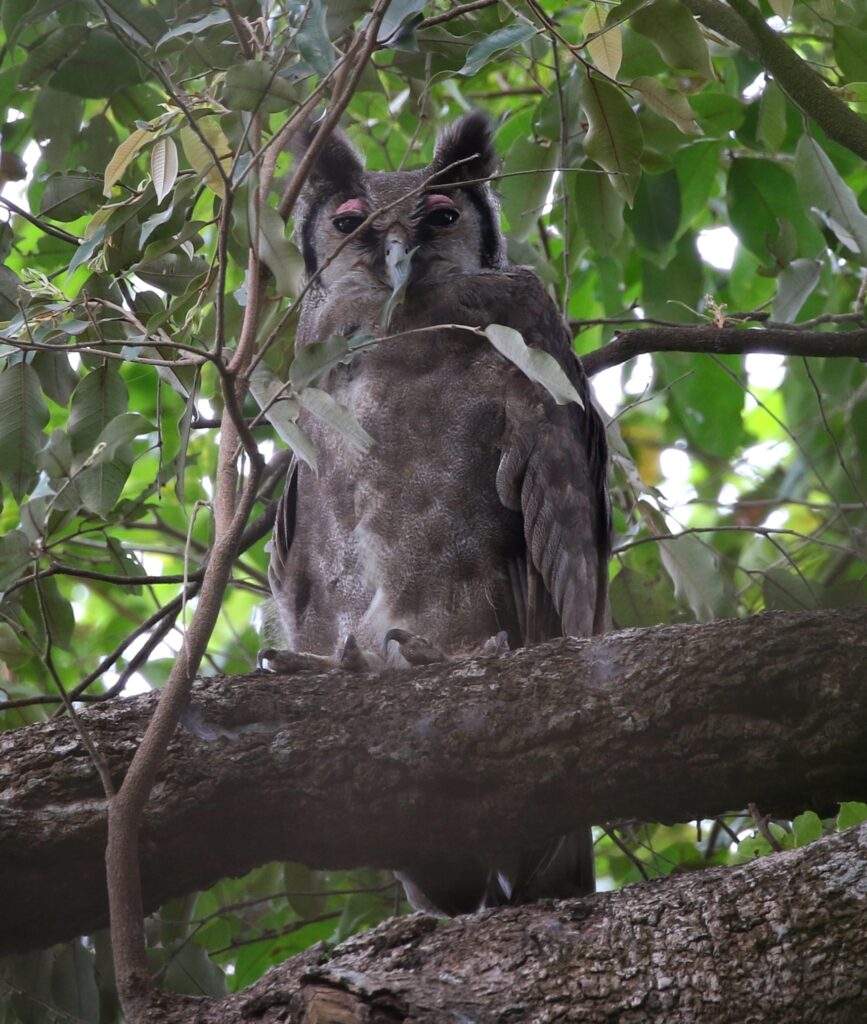
A busy day in the field starts early as we head to the excellent Brufut Woods. It can take an hour to walk a hundred metres along the track here as the trees are literally dripping with birds. Blue-breasted, Pygmy and Grey-headed Kingfishers, Red-bellied Flycatcher, African Golden Oriole, Brown Babbler, Fine-spotted Woodpecker, White-faced Scop’s Owl, Violet & Green Turacos and even Long-tailed Nightjar might be seen here. We will search for a Verraeux’s Eagle Owl in its daytime roost before heading into the more open scrub. Yellow-fronted Canary, Veillot’s Barbet, Red-winged Warbler, Yellow-fronted Tinkerbird, Northern Red Bishop, Whistling, Singing and Siffling Cisticolas, White-crested Helmet-shrike and Pied-winged Swallow might be seen in this area. After a long lunch break at the excellent Tanji Ecolodge (where Western Bluebill often comes to drink at the pots), we then visit Tujerang and the birds will no doubt come thick and fast! The whole area is really good for open country birds and Palearctic migrants and we should encounter such gems as Senegal Batis, Chestnut-crowned Sparrow-weaver, Long-crested and Beadouin’s Snake-eagles, Veillot’s Barbet, Little Weaver, Red-winged Warbler and Yellow White-eye plus Melodious, Western Subalpine and Western Olivaceous Warblers. Chestnut-bellied Starling is a speciality here and we will make a special effort to see them along the sand cliffs down at the coast. We return to the hotel for some downtime before dinner.
DAY SIX
A packed breakfast is required today to make the most of the early morning cool at the excellent savannah woodland at Sohm, an open area close to the border with Senegal to the south-east of Banjul. The area is extremely good for raptors and we have our best chance of the trip to see Bataleur, plus Tawny Eagle, Whalberg’s Eagle, Western-banded Snake Eagle, Bedouin’s Snake Eagle, Long-crested Eagle, Lanner, Red-necked Falcon and Dark Chanting Goshawk. Small birds abound in the scrub with Scarlet-chested and Western Violet-backed Sunbirds, Brubru, Senegal Batis, White-shouldered Black-Tit and Yellow Penduline Tit on our target list. Watering holes attract cattle and with them, Yellow-billed Oxpeckers too, while Mottled Spinetails whizz around overhead. We have lunch at Jamora Lodge where afterwards we visit the new hide and surrounding farmland for special birds such as Black-faced Firefinch, White-fronted Black-chat and Chestnut-crowned Sparrow-weaver amongst others.
DAY SEVEN
Today we depart before dawn for the one hour drive south to the Senegal border as we will be spending the whole day birding around the superb Kartong Bird Observatory. Here we meet with our friends Colin Cross and his wife Binta who run the observatory and will be our hosts for the day! Enjoying breakfast on their verandah, we can overlook the Kartong wetlands, created when rain water filled old sand mining pits many years ago. The area is teeming with waterbirds – Malachite Kingfishers zip back ad forth, while Black Crake, Purple Gallinule and even occasionally Allen’s Gallinule stalk the reedy fringes. Purple and Squacco Herons are common, Dwarf Bittern can be found with luck, and palearctic migrants abound in the reeds and scrub. After breakfast we go on foot for the morning to explore the bush around the observatory. Four-banded Sandgrouse is a real possibility here and the small pools often hold Greater Painted Snipe. Various kingfishers can be seen and we will be checking the larger areas of water carefully for the superb African Pygmy Goose – rare in The Gambia. Coastal bushes provide a winter home for a range of palearctic migrants including Common Nightingale, Western Subalpine and Western Olivaceous Warblers, while weavers and bishops abound. Blue-cheeked Bee-eaters often congregate in the area, and we have sometimes found rarer species such as White-throated or Northern Carmine Bee-eaters too. Reaching the shore, we have a chance to check the assembled waders for White-fronted Plover, here at its only mainland breeding site in The Gambia. Offshore we may spot tern, gulls and skuas, Osprey, Pink-backed Pelican and who knows what else? After lunch here, we will take a boat trip along the river which forms the border with Senegal and look for flocks of Blue-cheeked Bee-eaters. If the tide allows, we can creep up on roosting parties of Caspian and Royal Terns and Audouins Gulls and the photographic opportunities can be fantastic. If we are lucky, we could find the localised Brown Sunbird, pick up an African Fish Eagle or Yellow-billed Stork, or perhaps even a Goliath Heron. Many great rarities have been found in this area and you never know what we are going to see! If we have time on the way back, we will call at Gunjur Konoto Forest for the rare Capuchin Babbler. We return to the hotel in time for dinner.
DAY EIGHT
Due to the afternoon flight time we have a free morning which is set aside for people to do as they choose – take a swim, walk on the beach or visit the local craft markets. Of course, you may want to spend some more time birding around the hotel grounds! Parties of noisy Long-tailed Glossy Starlings adorn the lawns, and among the thickets Oriole Warbler, African Paradise Flycatcher and Yellow-crowned Gonolek may be found. Grey Woodpecker, Bearded Barbet, Lavender Waxbill, Red-billed Firefinch, Northern Black Flycatcher, Village Indigobird, Red-billed and African Grey Hornbills, Wattled Lapwing, Senegal Parrot, Black-necked Weaver and Western Grey Plantain-eater are all easily seen.
Our flight back to the UK departs in the evening for arrival back to the UK in the early hours of day nine.
**PLEASE NOTE this itinerary is a guideline only, as in any given season certain sites can be wax and wane in their level of productivity for birds. Your guides will be liaising to ensure you get the best from your time and the plan for each day will be given in your evening briefing the day before. Expect mainly full days in the field, using most of the 7am-6pm daylight hours.
Return charter flights London Gatwick/Banjul, seven nights accommodation at Senegambia Beach Hotel, breakfasts, lunches and evening meals, services of leaders, ground transport, boat trip and reserve entrance fees.
Transport to/from London airport and any overnight stay that might be involved, travel insurance, drinks, airport tax of approximately £20.00 per person payable locally on both arrival and departure and any items of a purely personal nature.
PASSPORT, VISA & HEALTH
seeing so many fantastic birds that were new to us. Thank you.”