DAY ONE
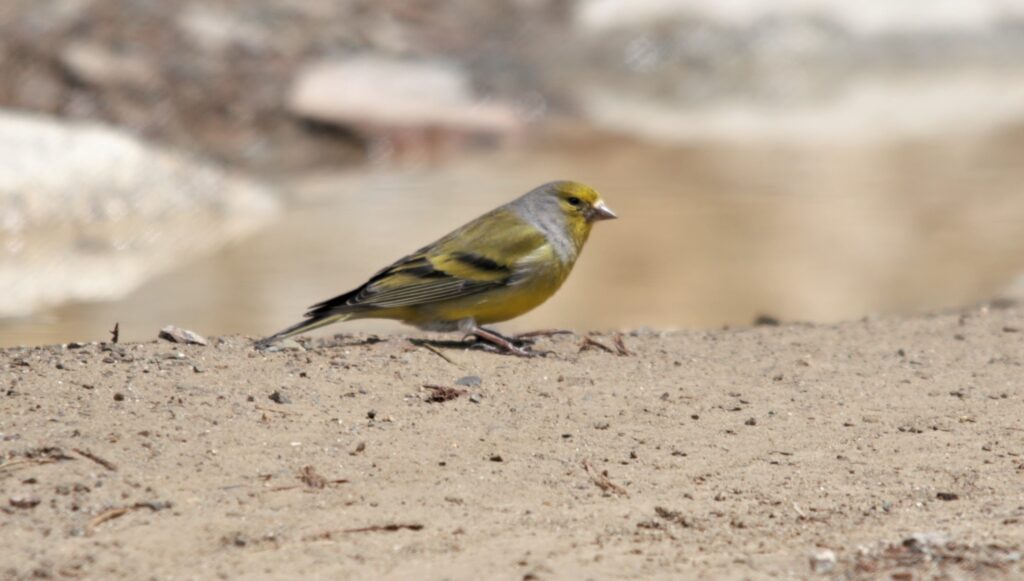
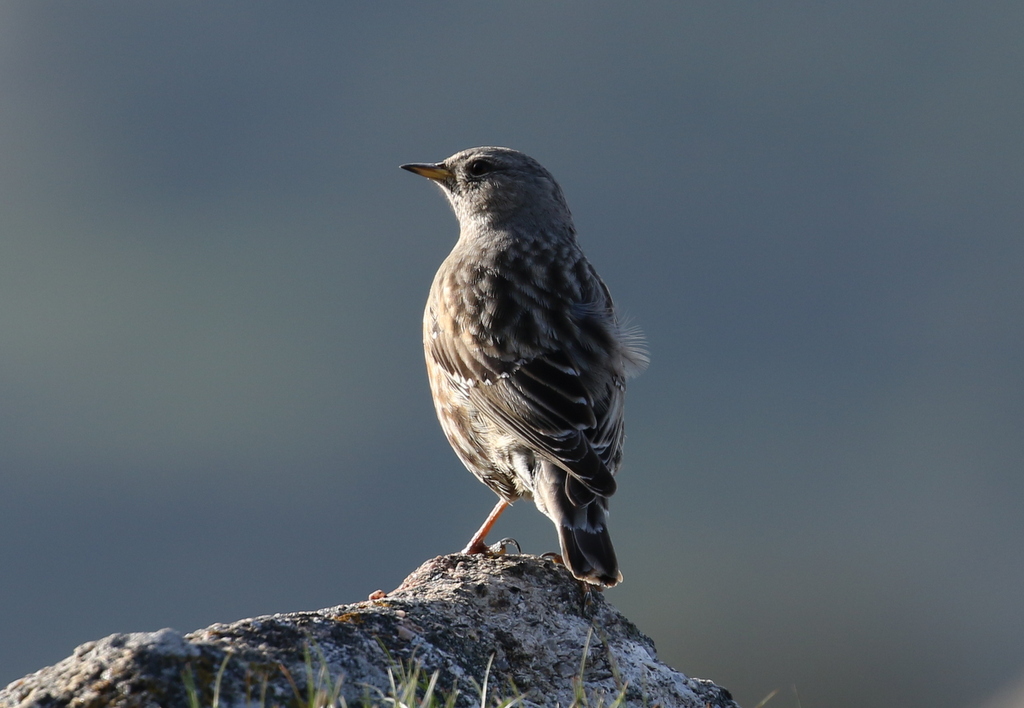
Fly London/Barcelona on a morning flight. Upon arrival, we will head north around 90 minutes into the Catalan Pyrenees for our first taste of mountain birding. Alpine Accentor will be our main target this afternoon, as we visit a location by road to around 1900m elevation and hope to find them feeding among the melting snow patches. Other high mountain attractions can include Citril Finch, Lammergeier and Pyrenean Chamois, plus the endemic race of Grey Partridge. From here we make the short journey to Olopte, our base for tonight – perhaps the local Beech Martens will be seen at the bird table after dark! NOTE – Snowfinch is an outside possibility today, though in recent years the warming temperatures mean the snow melt is well underway by mid-Feb and it is too mild to find them within striking distance of even the highest mountain passes.
DAY TWO
This morning we target Citril Finch in the pine forests at mid-elevations, where we hope they may be making their way back to spring territories. Other passerines should include European Serin, Woodlark, Rock Bunting and Rock Sparrow in this picturesque region. Flocks of wintering Chaffinches are often good places to look for Citril Finch, and the pines also host Short-toed Treecreeper, Crested Tit and Firecrest. After this we head down to the motorway network again and make our way west to Lleida. We will make a short stop if time permits at an excellent wetland, a winter home to Penduline Tit, Purple Swamp-hen and White-spotted Bluethroat. Little Bustards are also normally wintering nearby in small flocks, and we will check their favoured area too. Finally, we end the day at a picturesque reservoir where we have a chance for Bonelli’s Eagle, and one or two wintering Wallcreeper are normally present. We arrive quite late to Arbanies, our base for the next three nights, for dinner and an early night.
DAY THREE
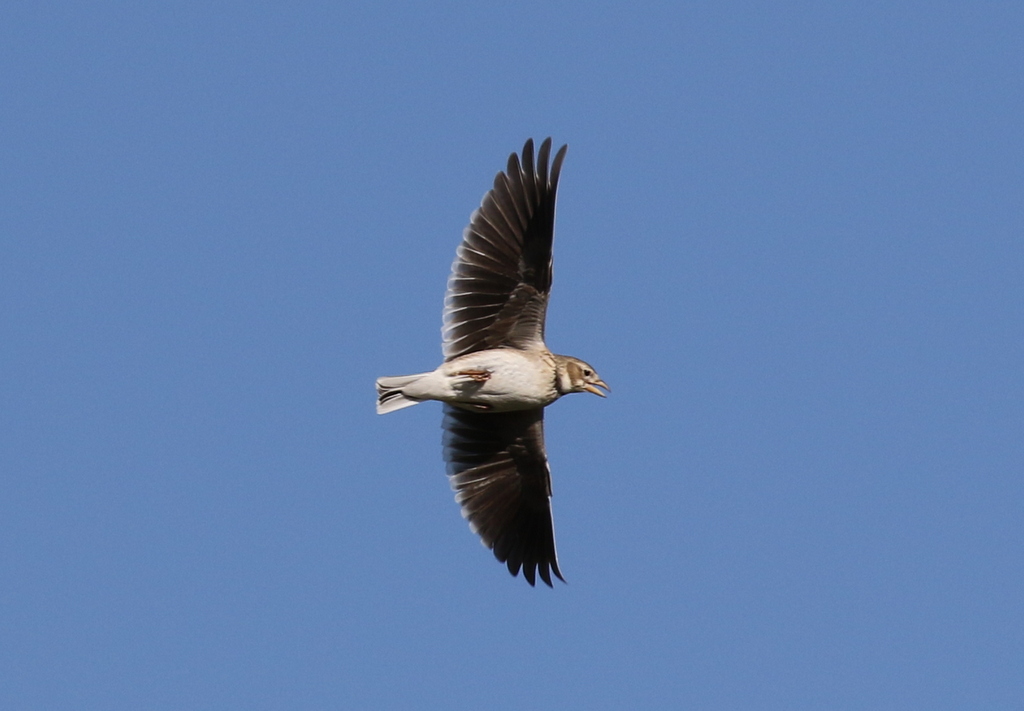
Today, if the weather allows, we may head North to the ski centre at Astun. Accessed by excellent roads, this gives relatively easy access to a high altitude location and dependent on snow levels, we would have a very good chance of seeing Alpine Chough, as well as further chances for Alpine Accentor. Water Pipit, Red-billed Chough, Dipper and Lammergeier are also regular sightings in this area. Nearby in Jaca, we can look for Rock Sparrow and at the adjacent mountain of Oroel, look for Black Woodpecker, Crested Tit, Firecrest, Short-toed Treecreeper and Common Crossbill in the woodlands. Near Huesca, we conclude the day with a visit to the excellent Embalse de Sotonera to look for the flocks of migrating Common Cranes which stop off in the area. Up to 50,000 birds stop here during early March when they make their northbound migration through the Pyrenees, and this fantastic sight will make for a fitting finale to the day. Great White Egret, Rock Sparrow, Little Owl, Calandra Lark, Water Pipit and Black Kite are also likely here, along with plenty of bill-clapping White Storks tending their nests on the rooftops.
Overnight Arbanies.
DAY FOUR
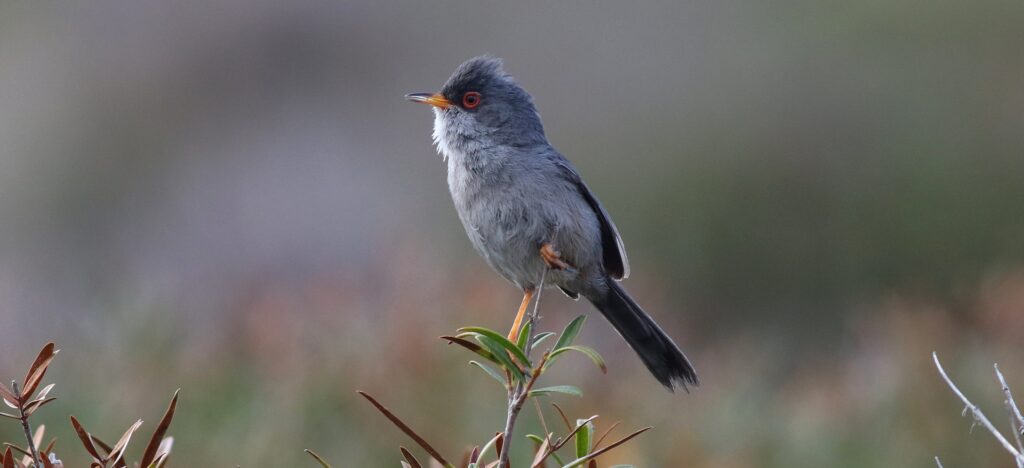
Another chance to look for Wallcreeper today, at the nearby site of Vadiello Dam. Here the birds are often low down by the rock walls of a series of tunnels carved through the rock face to take the road to the dam, especially if the sun is warming the rock face. Cirl and Rock Buntings can both be found in this area, which is also excellent for overhead Eurasian Griffon Vultures and Lammergeier – we have seen early Egyptian Vulture here too. The mountainside scrub is good for Firecrest, and the pines hold Short-toed Treecreeper too. The excellent Montearagon is a beautiful location with dramatic views to the pre-Pyrenees, and is a good place to look for Black Wheatear, Blue Rock Thrush, Dartford Warbler, Thekla Lark and Rock Sparrow. It is also an excellent vantage point for raptor migration which at this early stage of the season comprises mainly Black Kites and Eurasian Griffon Vultures. If we still have not had good views, we will visit the towering sandstone cliffs at Los Mallos de Riglos, another wintering site for Wallcreeper. Birds typical of scrubby hillside such as Rock Bunting, Dartford Warbler, Crag Martin, Blue Rock Thrush and Black Redstart can also be found and the site is excellent for Alpine Accentor and Lammergeier. Overnight Arbanies.
DAY FIVE
Today we’ll be heading south to spend the morning birding at the area known as Los Monegros, and while vast, a couple of productive areas is all it takes to pick up some excellent birds. Pin-tailed and Black-bellied Sandgrouse, Little Bustard, Stone Curlew, Thekla Lark, Calandra Lark, Iberian Grey Shrike and possibly early migrant Great-spotted Cuckoo could all be seen in this area, as well as an outside chance of Great Bustard. We will also call at an excellent wetland site where we have a good chance of seeing White-spotted Bluethroat and Penduline Tit, as well as large numbers of wildfowl, Cattle and Great White Egrets, Marsh Harrier and Zitting Cisticola. Mid afternoon, we will arrive at our next base, the Hotel Rural Rincon del Cierzo near the small town of Belchite. After check in, we will head back out into the field to end the day looking for Dupont’s Lark in the surrounding steppe. Never easy to find, the birds sing mainly at dusk and dawn, and this represents our best chance of a sighting. The steppe is a magical place, with huge flocks of Calandra and Lesser Short-toed Larks to keep us entertained, and often passing flocks of migrating Black Kites and Short-toed Eagle. Overnight Lecera.
DAY SIX
We may head back again to the steppe at El Planeron to listen to the Dupont’s Larks in song this morning if our views yesterday were not satisfactory. There will be more chances for Sandgrouse too, and raptors such as Hen Harrier and Golden Eagle. After this we begin our journey back to Barcelona, which takes around three hours. Once here, we will visit the Llobregat Delta, right next to the airport. Depending on available time, we can visit a couple of the hides and have great chances to see Moustached Warbler, Bluethroat, Penduline Tit, Purple Swamp-hen and occasional Little Bittern and Greater Flamingo. If the migration season is early, we could also find passage waders and wildfowl here and Iberian Green Woodpecker is sometimes seen and heard in the surrounding trees. From here we head to the airport where we catch an early evening flight back to London.