Early spring is a glorious time to enjoy the wildlife of the Scottish Highlands. Our Speyside Spring birding tour is at a time when many of the resident species are beginning their breeding routines and summer migrants are starting to arrive. In particular, our tour is timed to coincide with the lekking of Black Grouse and aerial acrobatics of displaying raptors. This is also a time when coastal bays can hold extensive flocks of migrating wildfowl and secluded lochs resound to the haunting calls of displaying divers. Add to this the magical atmosphere of the tracts of native Caledonian forests, dramatic mountain vistas and wide open skies and the gushing waters of the mighty River Spey and its many tributaries for an unforgettable experience.
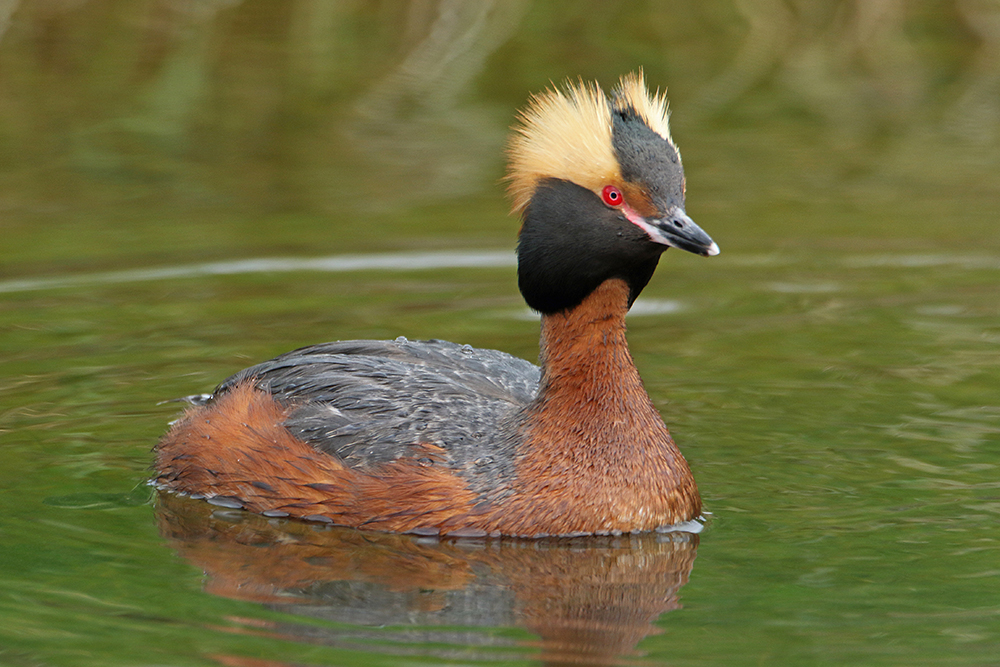
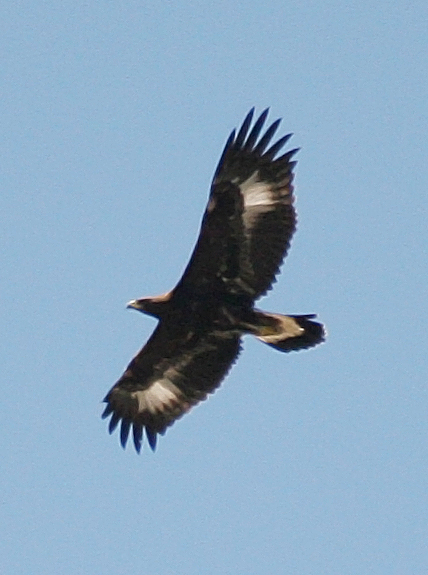
Over the next few days, we will visit a wide range of sites and habitats to get the very best from the Highlands in spring. The RSPB reserve at Abernethy is just down the road and here breeding Osprey will have returned, and the loch will host displaying Common Goldeneye and maybe Goosander. Early Common Sandpiper could be back and, in the forests, here, we will search for flocks of crossbills that sometimes include three species! Crested Tits are busy in the pines and Red Squirrel can also be seen. Lochs and Glens such as the grand Findhorn Valley, secluded Strath Conon and sparkling Loch Ruthven offer wonderful birding opportunities and the mighty Golden Eagle is a key target, Hen Harrier, Merlin, Peregrine, Raven and Common Buzzard also ride the mountain up-draughts and along gushing rivers Dipper and Grey Wagtail can be seen. Red Grouse frequent the moorland areas and lochs support breeding Red and Black-throated Divers in breeding plumage. Perhaps a White-tailed Eagle or breeding plumaged Slavonian Grebe might be seen, and Mountain Hare are often observed by the roadside.
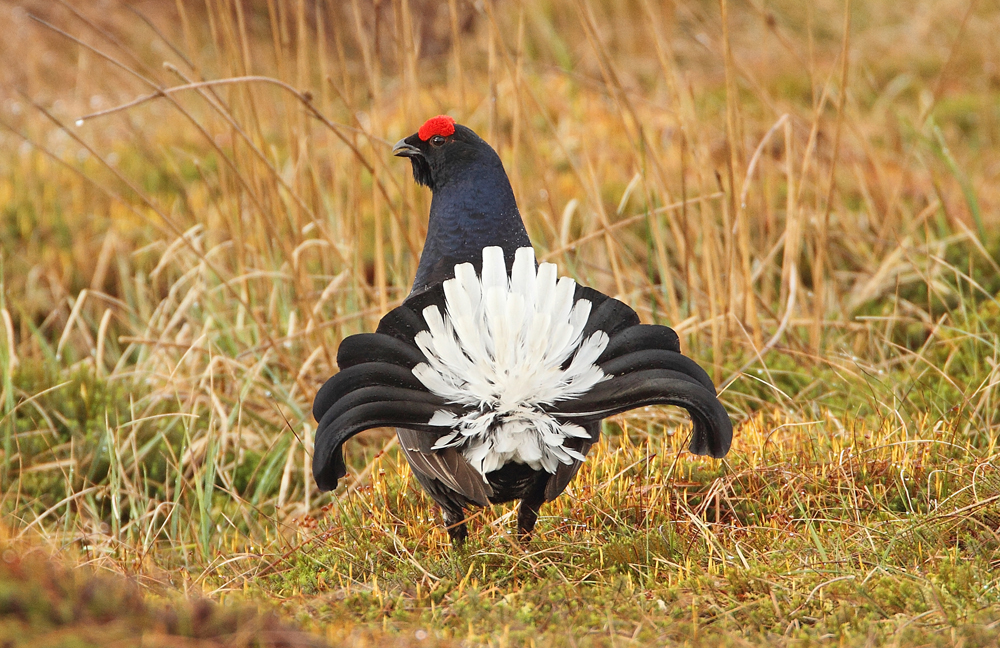
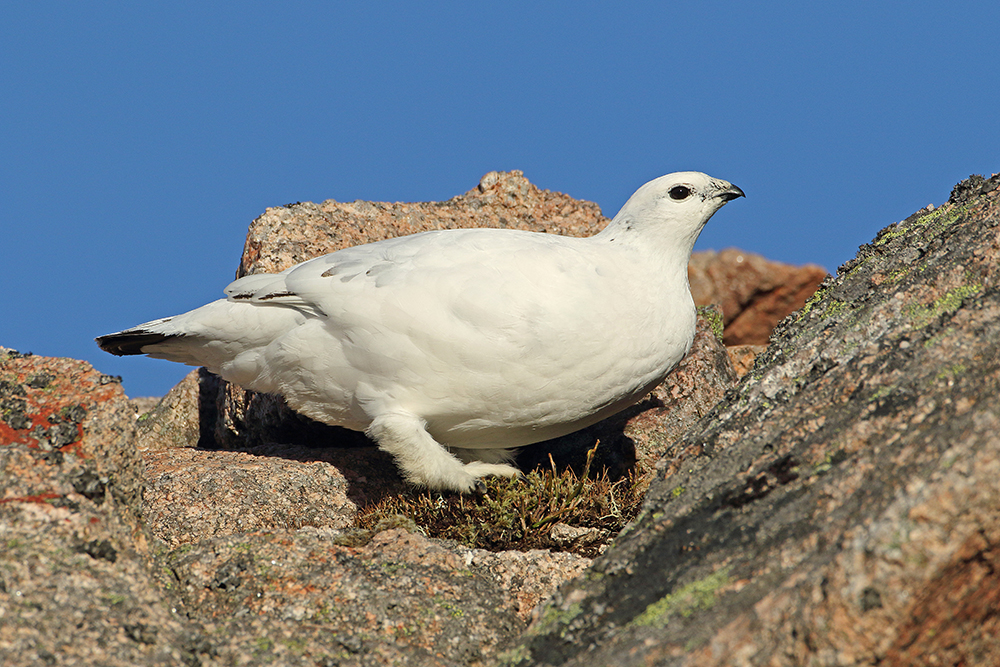
Along the Moray coast, bays and harbours are good places for passage ducks and grebes. Common and Velvet Scoter, Great Northern Diver, Black Guillemot, Long-tailed Duck, Scaup and Red-breasted Merganser can be found while Purple Sandpipers frequent rocky outcrops and both Glaucous and Iceland Gulls are sometimes noted around the fish quays. In recent years, White-billed Diver has become a regular feature of our trips here and we’ll make a special effort to see one. Lekking Black Grouse uttering their bubbling calls at dawn, Rock Ptarmigan displaying over the mountain slopes of Cairngorm, dainty Snow Bunting and elusive Ring Ouzel on the crags and Red Deer in the glens are just some of the other wildlife experiences we can expect on this Speyside Spring birding tour. Our accommodation for these tours is the fabulous Grant Arms Hotel in Grantown-on-Spey.
We depart Norfolk (cars can be left at the Oriole office) at approximately 0600 for the long drive north to our base at Dunfermline. Naturally, we will make comfort and meal stops en route. With luck, we should arrive around 1400. In the afternoon we will make the short drive to nearby RSPB Loch Leven for a couple of hours birding. We should encounter a range of wildfowl, including Pink-footed Goose flocks, and on the loch itself we will see many Common Goldeneye with the chance of something rarer such as Smew or Greater Scaup. Tree Sparrows are common in the surrounding scrub and the marshy pools hold Common Snipe and an occasional Black-tailed Godwit, Ruff or Little Ringed Plover.
Overnight Dunfermline
Cairngorm mountain is our first destination today to look for Ptarmigan if we have not seen them the previous day. The mountain railway is now operational again and we had success with the birds here in 2025 – if it is not open in 2026 then we will need to take one of the walking trails, depending on snow levels, in order to reach the plateaux to find the birds. Often, we can see them distantly with a scope without the need to ascend too far, but you will need a good level of physical fitness to complete even the easier walks. Of course, if you are unable to participate, you can stay at the car park and cafe and watch the Ring Ouzels, Snow Bunting, Red Grouse and Wheatear are other species which may be encountered. Following lunch, we head northwest via the scenic grandeur of the Findhorn Valley, all the time scanning skywards for raptors that might include Golden and White-tailed Eagles, Peregrine, Merlin, Osprey and Common Buzzard. Ring Ouzels may have arrived on the scree covered slopes, Common Ravens tumble overhead in display and we should have no problem encountering Red Deer here. Common Gull, Common Redshank and European Oystercatcher all breed here and perhaps a Common Sandpiper or even an early Common Tern may also be present. We drive the Farr Road over the moor to search for moorland species such as Red Grouse, and the small possibility of Hen Harrier, Merlin and Short-eared Owl as well as the often-numerous Mountain Hare. Loch Ruthven RSPB is our final destination, where resplendently dressed Slavonian Grebes can often be seen at close range. Red-throated Diver may also be encountered here, while more raptors may be overhead.
Abernethy is great for the Caledonian forest speciality birds including Crested Tit and Scottish/Parrot Crossbill as well as other common woodland species and Red Squirrels. Loch Garten should also hold Goosander, Common Goldeneye and the first Common Sandpipers. Walking quietly and listening for calls is the tactic most likely to yield results, and even without the birds this is a majestic habitat within which to walk. Lochindorb is a great place for Black-throated Divers and further opportunities for moorland species that may include European Golden Plover and perhaps Dunlin and Common Snipe. Continuing north, we bird at several locations on the Moray Firth such as Findhorn Bay, Burghead and Lossiemouth for a wide range of species including sea ducks such as Long-tailed Duck, Greater Scaup, Common and Velvet Scoters, Common Eider, Red-breasted Merganser and Red-throated and Great Northern Divers. Common and Black Guillemots and Razorbill can be seen in the harbours, while in some years scarce wildfowl such as Surf Scoter may be present. White-billed Diver is highly likely along the coast here, and we will visit some of the best sites in order to try and find one – though they can be distant! Shorebirds include Purple Sandpiper, Ruddy Turnstone and Dunlin. There is an excellent chance of both Iceland and Glaucous Gulls being present in the area too, and sometimes an American Wigeon or Green-winged Teal is present (we have seen King Eider too!).
We begin the day at dawn for lekking Black Grouse at a site near our base. The birds can often be seen at mid distance using a scope whilst they carry out their elaborate courtship routines. Numbers are small at this site, but they are quite reliable here. We will return to the hotel for breakfast and then spend a full day out on the stunning West Coast. Crossing the Black Isle, we will pick up our first Red Kites, before travelling out to Dundonnel which will be our first stop. Golden and White-tailed Eagles can sometimes be seen over the ridges here and the sea loch holds Common Greenshank and Red-breasted Merganser. Further on at Gruinard Bay, we will spend some time scanning the sheltered waters for Great Northern Divers, with up to thirty birds often present and many in full summer plumage. Black Guillemot, Kittiwake, Great Skua and passing flocks of geese might also be seen and we have seen Otter and Iceland Gull here in the past as well as more likely Twite and Merlin. We scan the bay from several stopping points to give ourselves the best chance of connecting with more unusual species – White-billed Diver has been seen here on many occasions! We lunch at the beautiful location of Mellon Udrigle, where Northern Wheatear and Twite are often around the car park and divers are again in the bay. From this point we slowly work our way back towards base, stopping to view any areas we feel worthy on the route back. Hopefully a Golden Eagle over a hillside will have us leaping out of the vehicle!
Today we spend a leisurely time birding in the forest hoping to connect with two main targets – Crested Tit and Crossbills of various species. A circular walk of around 3 miles will take us through pristine Caledonian Forest and give us a good chance to find our targets. Common Redstart and Lesser Redpoll are often also seen. We lunch at Broomhill Bridge by the River Spey, watching the Sand Martins visiting their breeding holes and maybe spotting a Dipper or Common Sandpiper. The snow-capped Cairngorms can be seen well from here and are often brought to life by passing flocks of migrating Pink-footed Geese. We will try some raptor watching nearby along a beautiful open valley overlooking the Cairngorms, and here we have seen Golden Eagle, Red Kite, Merlin, Hen Harrier and Goshawk on previous visits.
DAY EIGHT
We depart this morning after breakfast for the journey home.
Seven nights en suite accommodation, meals from dinner on day one to breakfast on day eight, minibus transport, services of guide, and reserve entrance fees.
Transport to/from Norfolk and any overnight stay that might be required, drinks, lunch on day one and any items of a purely personal nature.
Collection is possible from train stations along our route such as King’s Lynn or Penrith.