Hungary is the birding gem of Eastern Europe, and after several years we are very pleased to be returning to the region with a new itinerary for a Spring birding tour. Miles and miles of open skies, quiet villages, steppes and fishponds are some of the landscape features of the Kiskunság. This is in stark contrast to the beautiful wooded valleys and limestone karst habitats in the Matra Hills. Our tour will encompass all of the richly diverse habitats that give this land locked country such an amazing wealth of breeding birds. A nation with a turbulent past, Hungary is still an unexplored gem for many western birders. Nine European woodpeckers are possible and several scarce European breeding birds such as Lesser Grey Shrike, Eastern Imperial Eagle and Saker have strong populations. Many of the farmland birds that are now under threat in Britain are still quite common here, thriving in a landscape which time forgot. We expect to walk a maximum of three or four miles a day over mostly easy terrain. Your tour leader, Jonathan Farooqi, will be joined by expert local guides throughout. You can expect to see 150 – 170 species.
DAY ONE
Fly London/Budapest and drive southwards for about one hour to our first base in the Kiskunság. This region, much of which is a national park, is a flat, lowland of grasslands (what the Hungarians call puszta) and farmlands, dotted with marshes, gravel-pits and reed-fringed fishponds that lies between the Danube and Tisza rivers. Overall, the Kiskunság is a wonderful mosaic of bird rich habitats. On our first afternoon we will most
likely see our first White Storks, which nest in most villages, Crested Larks, Corn Buntings, White Wagtails, Bee-eaters (there are several colonies hereabouts), Lesser Grey Shrikes and
Rollers. Black Redstarts and Short-toed Treecreeper are in the hotel grounds. Overnight Kiskunság.
DAY TWO
We have all day in the Kiskunság and will not have to drive far to find good birds. Indeed, our local guide’s in-depth knowledge will mean that we will use our time well and visit the very best birding spots. We will see a good range of grassland and wetland birds but focus on finding the really special species such as Great Bustard, which are in their Hungarian stronghold here, Saker Falcon, Hobby, Montagu’s and Marsh Harriers and both White-tailed and Imperial Eagles. Fishponds host Ferruginous Duck, Garganey, Red-crested Pochard, Purple Heron and Spoonbill, with Penduline and Bearded Tits and Savi’s and Great Reed Warblers in the reedbeds that surround them. Wet fields often have flocks of passage waders such as Ruff and small numbers of Collared Pratincoles breed. Mediterranean and both Caspian and Yellow-legged Gulls can be seen around the gravel pits. We will also stop
in a village for Syrian Woodpecker and in the evening, will listen out for displaying Nightjars near our hotel. Overnight Kiskunság.
DAYS THREE & FOUR
We leave the flat plains and move to the Mátra Hills. This scenic range lies around two hours from our first base. Hungary does not have high mountains proper, but the Mátra will certainly be a contrast to the Kiskunság. We will not, however, be doing any
serious uphill treks. The region is typified by forested landscapes dotted with quaint villages. In particular, we will look for woodpeckers, including Black, Grey-headed, Middle Spotted, Lesser Spotted and White-backed Woodpecker, and owls such as Ural, Eagle and Pygmy Owl. Once again, we will have up-to-date information of the best spots for these outstanding birds. Diurnal raptors in the hills include Goshawk, Honey Buzzard, Short-toed
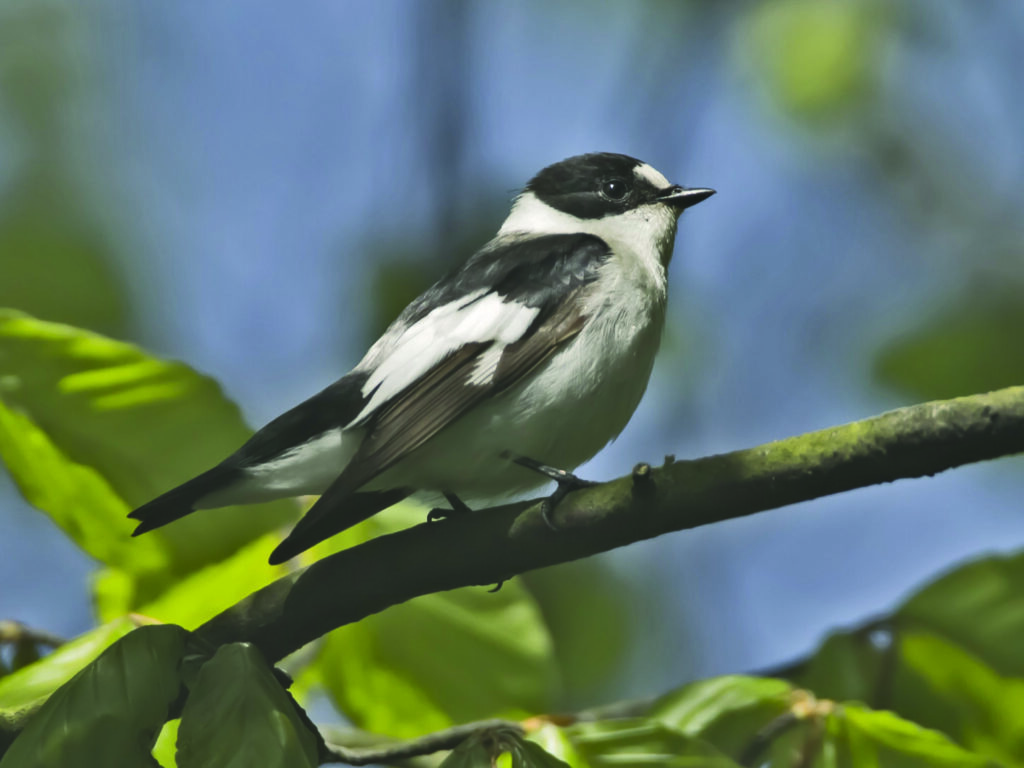
and Lesser Spotted Eagle. Passerines such as Collared Flycatcher, Hawfinch, Common Treecreeper, Willow, Marsh and Long-tailed Tits (often white-headed individuals) and Icterine Warbler are also here. Old orchards are the haunt of Hoopoe, Golden Oriole and Wryneck and dry scrubby areas are the home of Barred Warbler and Red-backed Shrike. With the knowledge of our local guides, we stand a good chance of finding these great birds. Overnights Mátra Hills.
DAYS FIVE & SIX
After two nights in the hills, today we move back to the Great Plain, to the Hortobágy National Park, once of Central and Eastern Europe’s most famous birding areas. We will not drive directly, but bird as we go. For example, we will stop at sites for River and
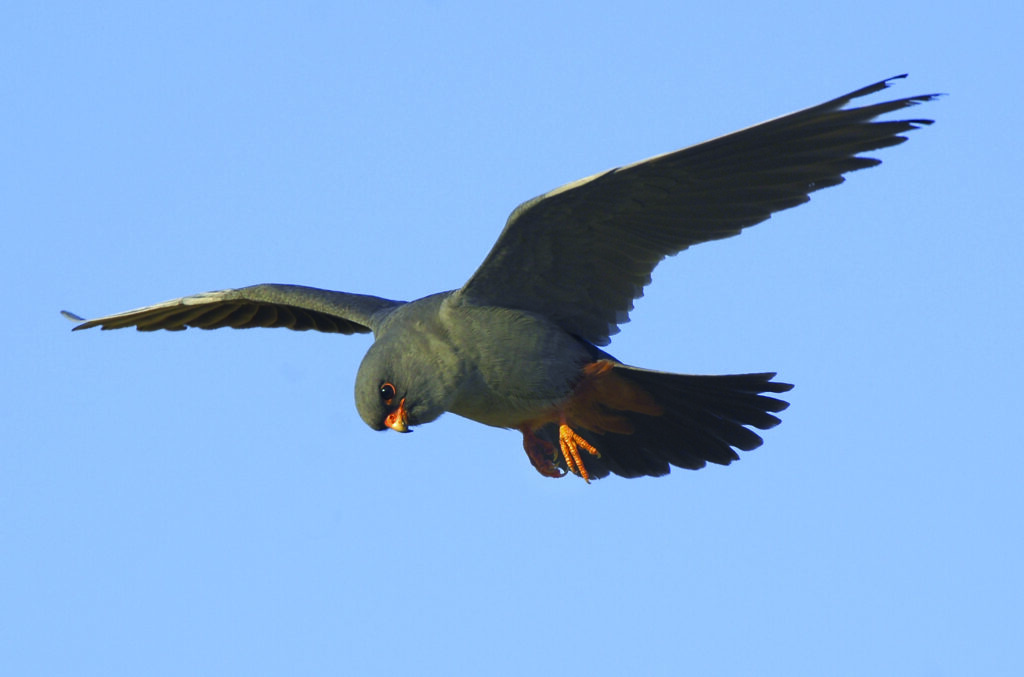
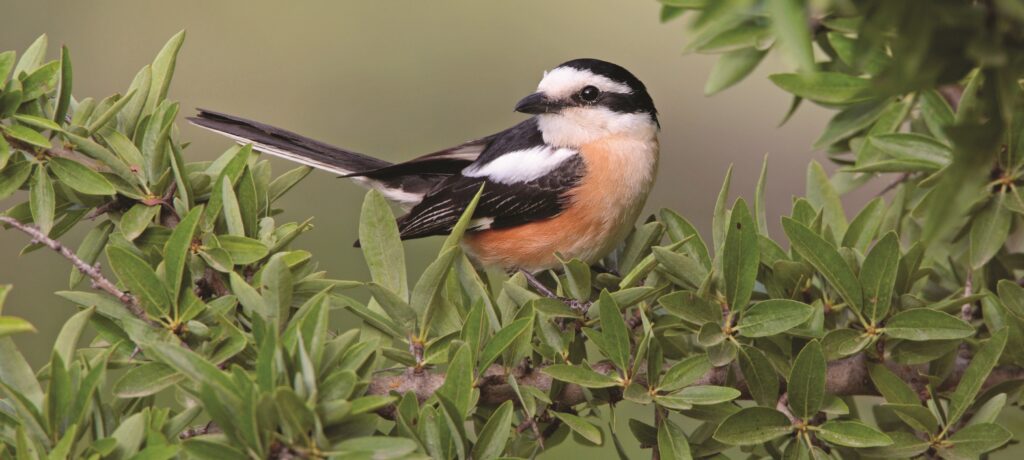
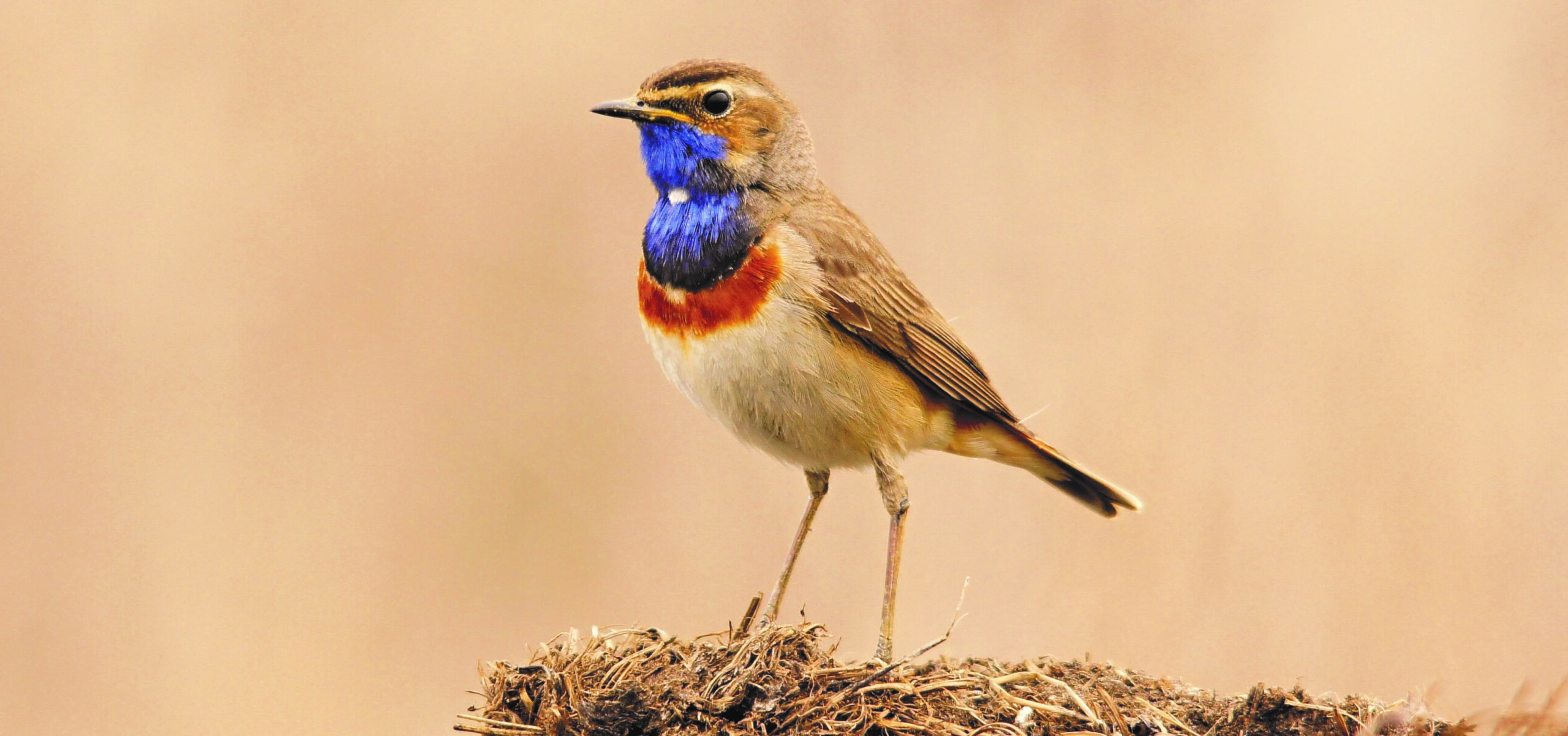
Marsh Warblers and at Lake Tisza, too, to look for more wetland birds. We will no doubt come across many of the egrets, herons, wildfowl, gulls and terns that we found earlier in the trip once again, but probably add some new ones, too, like Pygmy Cormorant, Squacco Heron and Little Bittern. Once in the Hortobágy Stone Curlew, Common Crane, Long-legged Buzzard, Bluethroat (white-spotted) and Moustached Warbler are also possible. One of the real highlights here is colonies of Red-footed Falcons. Overnights Hortobágy.
DAY SEVEN
After breakfast we will head for Budapest Airport. If flight times permit, we may fit in some final birding.
“Our guide was extremely knowledgeable, was very obliging and had an excellent command of English and he had no trouble identifying the birds we saw. Thanks again for another very enjoyable holiday – we cannot speak too highly of your company”
P. R. & W. G, County Tipperary
“Excellent – The views of the birds were amazing”
P. C, Lancashire
“Another excellent tour from Oriole Birding. Everything about the holiday was enjoyable”
M & F.S, Leicester
“It was a great trip. Hungary is a lovely diverse country with great birding and wonderful people, we were made so very welcome. The sheer numbers of some of the species was brilliant. Our leader was excellent, working extremely hard to ensure everyone got the most out of the birding experience. Our driver also helped immensely and provided great picnics. Would highly recommend Hungary as a European birding destination.”
C.L, Warwickshire