Northern Greece – Lake Kerkini in Spring

Northern Greece – Lake Kerkini in Spring

Book now

Beautiful Lake Kerkini lies in the north of Greece, only one hours drive from the city of Thessaloniki. Lake Kerkini is a pear shaped fresh water lake, fed by the Strymon River and is about fifteen kilometres long and nine kilometres across, when full and an embankment allows for raised viewing at several key strategic areas. The lake and the surrounding wetlands are bordered by the Kerkini Mountains to the north and the Marvovouni Mountains to the south. The area is well known for its biodiversity and is considered one of Greece’s most important wetlands, which is recognised by its RAMSAR status. This exciting tour follows on from the success of our recent early winter visits to the area and we will once again be based at the delightful Viglatoras Hotel just a short distance from the lake. In spring, this rich wetland area is on a major migration flyway for vast numbers of birds heading north to breed in Eastern and Northern Europe, and as such offers some fabulous birding opportunities without the crowds of some of the better known island destinations.


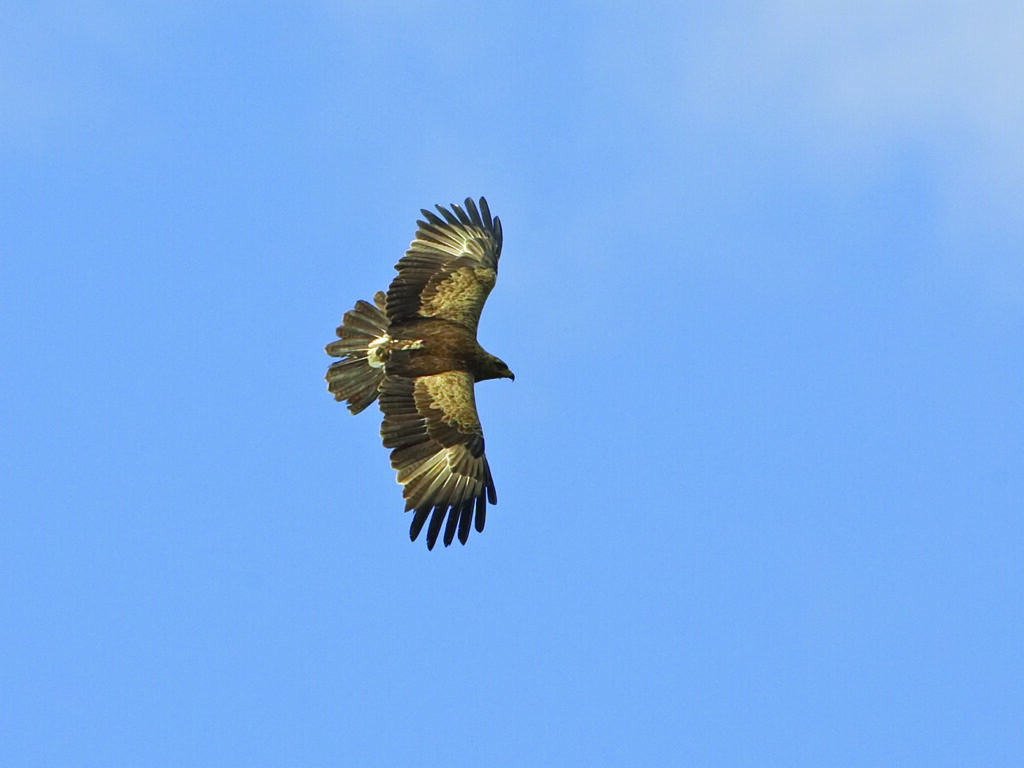
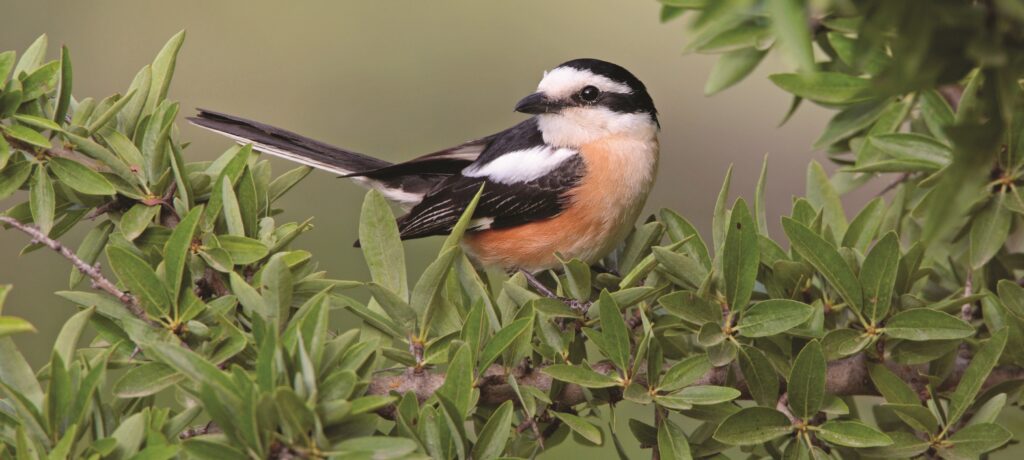
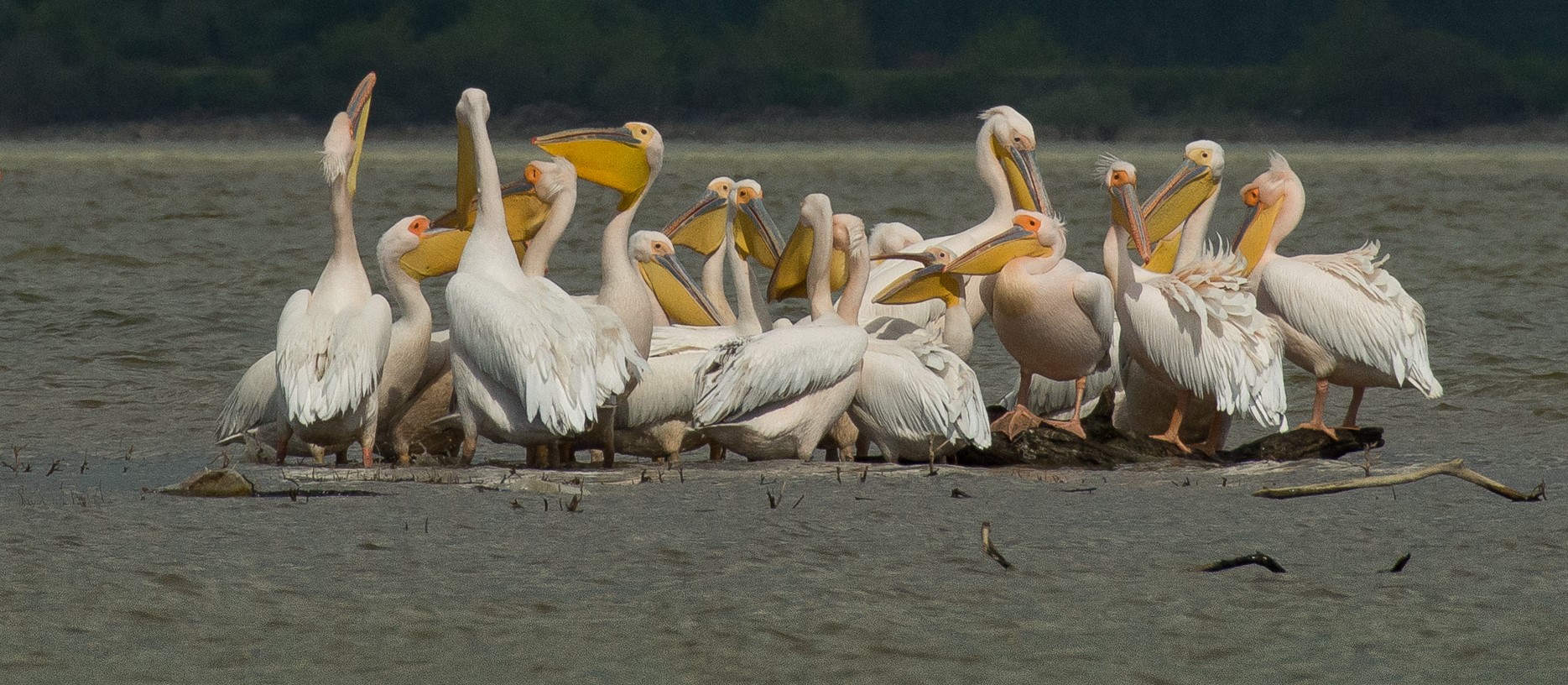
The terrain is mostly easy and there is little walking as we bird from tracks or roads in most locations. Waterbirds are high on the menu with breeding colonies of all the European herons and egrets, Glossy Ibis and Dalmatian Pelicans, which we will get up close to with a boat trip on the lake. Pygmy Cormorants can be found in large numbers and muddy margins can host a range of passage species such as Marsh, Terek & Broad-billed Sandpipers, Temminck’s Stint, White-winged Black and Whiskered Terns and Collared Pratincole. Passerine migration will still be underway and we will search the woodland and scrub for prize species such as Black-headed Bunting, Icterine, Great Reed, Eastern Subalpine, Wood and Eastern Orphean Warblers. Woodpeckers could feature too with a great chance of Grey-headed, Middle Spotted, Syrian and Black, while we will check rocky areas for Western Rock Nuthatch and Sombre Tit. With so many waterbirds, and such pristine forested hills adjacent to the lake, its no surprise that raptors also feature highly – Lesser Spotted, Short-toed, Booted and Golden Eagles, flocks of Red-footed Falcons, European Honey Buzzard and Levant Sparrowhawk all being likely. Spending a full day in the mountains, we also have an outside chance of catching up with one or two scarce species such as Spotted Nutcracker, Semi-collared Flycatcher and Rock Partridge. You can expect a whopping 170+ species on this highly diverse tour to Europe’s best up and coming destinations. 

DAY ONE
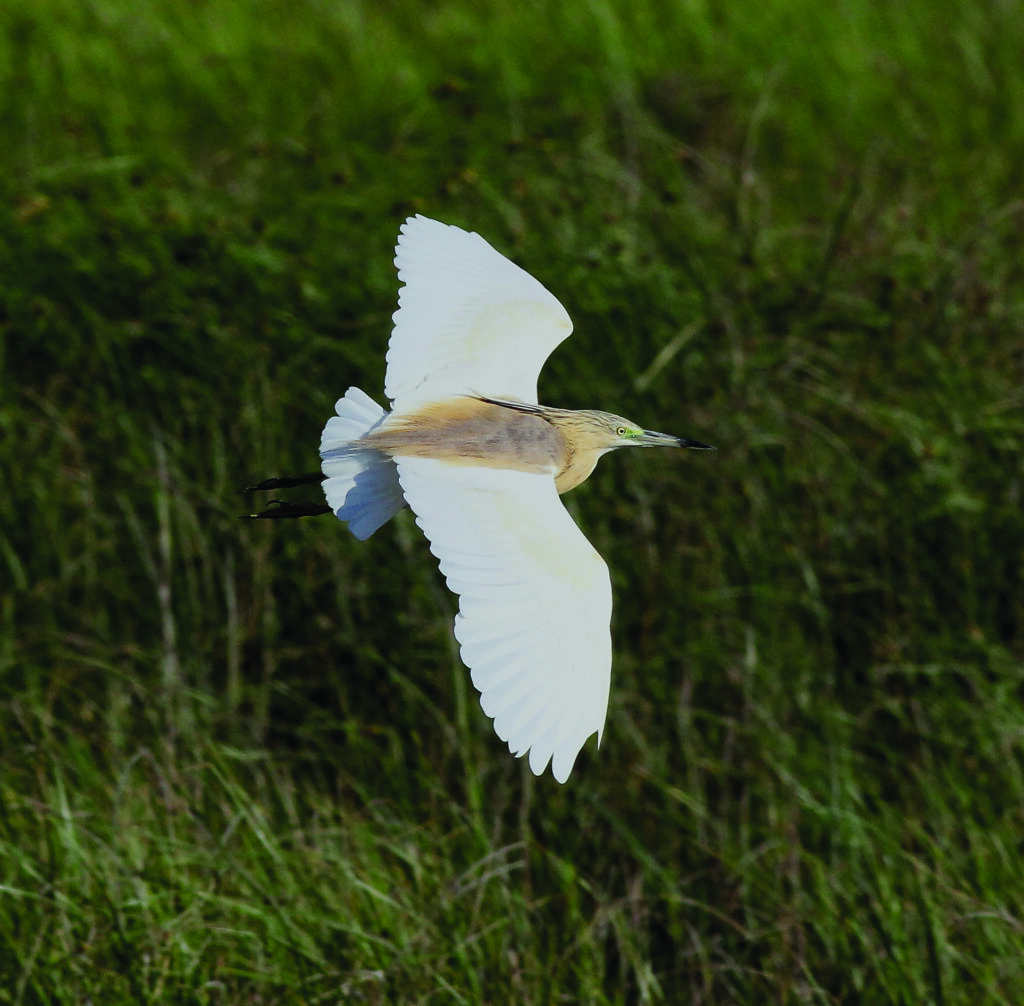
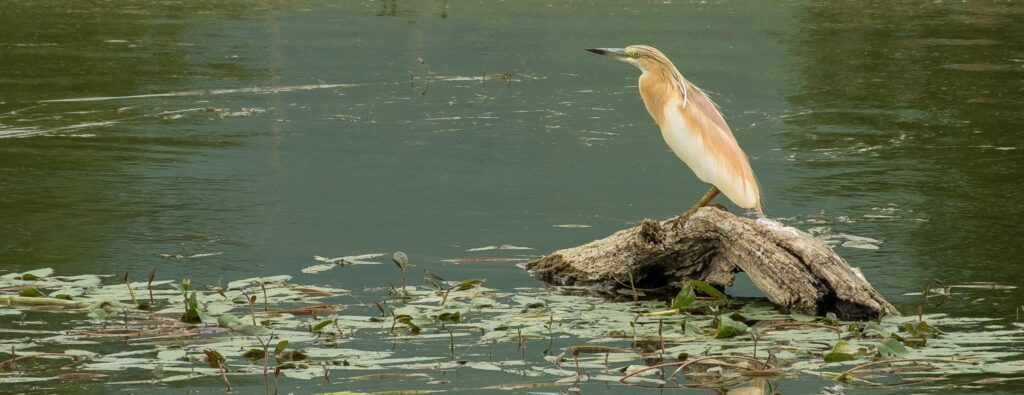
Fly London to Thessaloniki from where it is approximately 1.5hrs to our accommodation in the village of Ano Poroia, just North-west of the lake. We will make a coffee stop on the way at a spot where we may see our first typical breeding birds, before continuing to the dam at the south end of Lake Kerkini. Here the river will give us a great introduction to how rich the birdlife of this area can be, as we will see Pygmy Cormorants and Dalmatian Pelicans and Common Nightingales will be singing everywhere. From here we continue to our hotel and check in before heading down to the small port of Mandraki on the lakes northern shore. Here we will get close views of Squacco Herons and Little Bitterns, and look for Whiskered Tern, Great Reed Warbler, Black-headed Wagtail and Night Heron.
 
DAYS  TWO & THREE
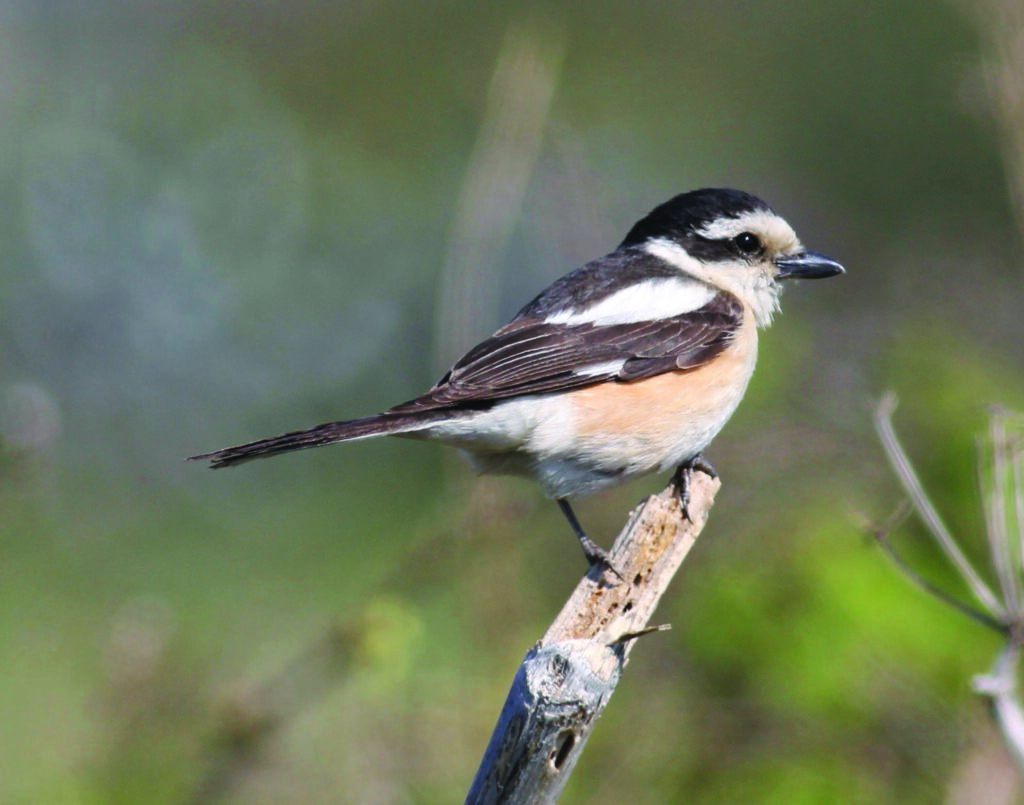
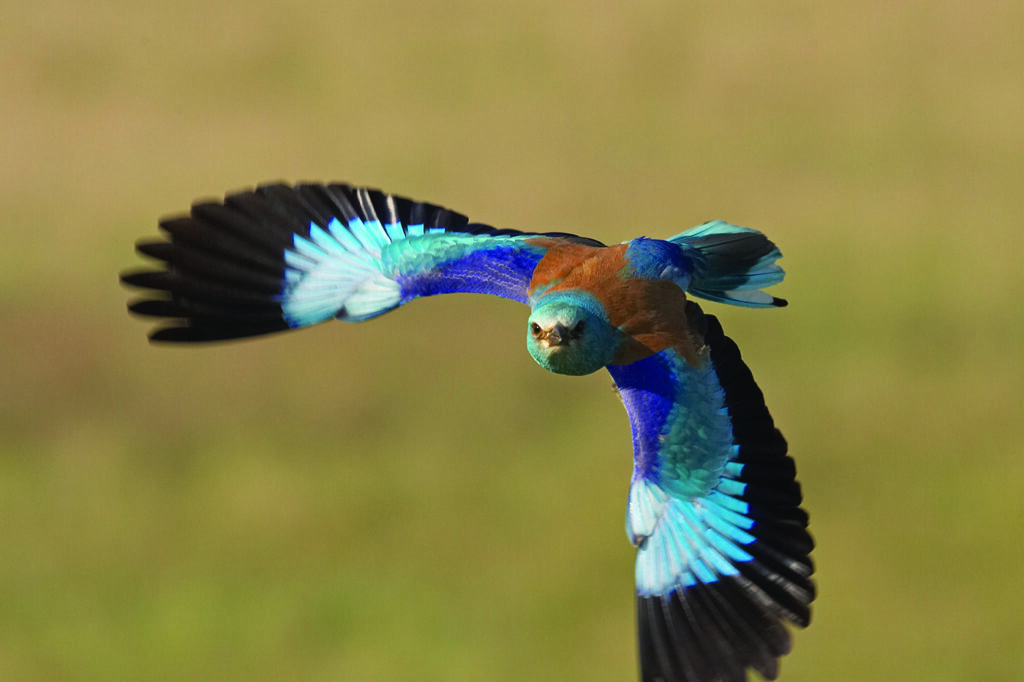
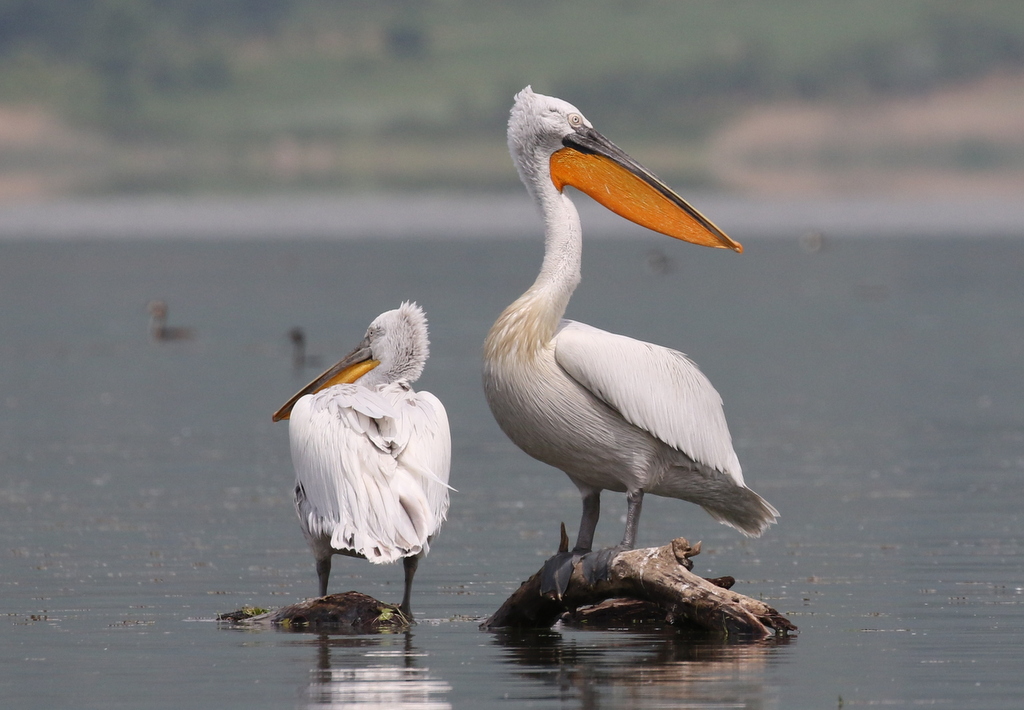
We will spend our days birding around the immediate environs of the lake, which can be circumnavigated by a series of tracks along the raised embankments. The ‘drowned forest’ at the north end of the lake is a spectacular breeding colony of herons and egrets, and we can expect to see all the european herons here such as Squacco and Purple, Little Bittern and Glossy Ibis. Black Stork can be seen too, and out on the lake the globally threatened Dalmatian Pelicans can be observed in their stunning breeding plumage – a short boat trip onto the lake has been arranged to get superb close-ups of these stunning birds. Around the lake, raptors are frequent and include migrant Lesser Spotted Eagles, Montagu’s Harrier and Levant Sparrowhawk. The areas of olive groves, poplar woodland and open farmland in the surrounding countryside is superb for migrant passerines, and we will be searching for European Roller, Short-toed Lark, European Hoopoe, Red-backed, Woodchat and Lesser Grey Shrike and of course a variety of warblers. Subalpine, Orphean, Wood, Great Reed, and Icterine are all possible. In the open areas, Eastern Black-eared Wheatear might be seen and the gorgeous Black-headed Buntings are just starting to arrive too, while Cetti’s Warblers and Common Nightingales sing from every patch of cover. We wont know where to look as we spend our action packed days sifting through a mouth-watering array of migrants.
 
DAY FOUR
Today we travel south towards Thessaloniki and spend time birding the wetland areas to the west of the city. Navigable tracks allow close approach to a series of salt pans, lagoons and marshy areas which can be absolutely excellent for viewing waders. Migrant Marsh Sandpiper, Collared Pratincole, Little and Temminck’s Stints, Slender-billed Gulls and marsh terns such as Whiskered and Black could be encountered, while we could also expect flocks of Ruff and Curlew Sandpiper and flocks of birds arriving off the sea – perhaps calling parties of European Bee-eater, large raptors such as Short-toed and Booted Eagle and Montagu’s Harrier. Mediterranean Gulls breed on the offshore islets and the full range of herons and egrets, plus Glossy Ibis, can also be expected. Power lines should be checked for Red-footed Falcons and European Rollers, and open ground for migrant wheatears, larks and pipits. We have enjoyed some fabulous days birding this area and it is not to be missed!
 
DAY FIVE
We head north to the Bulgarian border today to look for woodland birds during the morning at ‘Woodpecker Wood’. Never easy to find with plenty of foliage on the trees, we nevertheless have a chance to find Lesser and Middle-spotted, Grey-headed, Syrian and Black Woodpeckers here as well as Hawfinch and Short-toed Treecreeper. We will check nearby quarries for Rock Bunting, before heading back down to the area around Sidirokastro. Our main target species here will be Western Rock Nuthatch, which should be busy nest building now. We will visit a European Roller colony on our way back north, and will also no doubt see European Bee-eater, Little Owl and Red-backed Shrike there. Finally, if time permits, we take a track north from Neo Petritsi into the Belles Mountains for another chance at Rock Bunting, Sombre Tit, Eastern Subalpine Warbler, European Honey Buzzard and Rock Partridge.
 
DAY SIX
We head into the mountains for a change of scenery today, above the town of Serres towards the Laillas ski centre. High altitude Beech woodland is superb habitat for Hawfinch and Black Woodpecker, and around the summit we may even find the localised Rock Partridge. We will find many commoner species here not encountered elsewhere, but also have a chance of one or two real goodies. Both Crested Tit and Rock Bunting can be found, as well as Tree Pipit, Crag Martin, Woodlark, Cirl Bunting, Firecrest, Black Redstart and Northern Goshawk. On our way back to base, we will call in again at one of the sites around the lake to look for any newly arrived migrants or just to revisit a good area.
 
DAY SEVEN
We travel directly to the airport this morning for our morning flight back to London Gatwick where the tour will conclude.
WHATS INCLUDED
Return flights London/Thessaloniki, six night’s accommodation in traditional hotel, meals from lunch on day one to breakfast on final day, transport, services of leaders and reserve entrance fees. 
 
NOT INCLUDED
Transport to/from London airport and any overnight stay that might be involved, travel insurance, drinks and any items of a purely personal nature. Lunch on day seven is not included – there is a small cafe in Thessaloniki airport, or you can purchase sandwiches on the Easyjet flight.
 
PASSPORT, VISA & HEALTH
Visas are not required by UK nationals. Passports must have 6 months validity beyond the return travel date. Standard health and innoculation requirements apply for UK nationals, visit www.masta-travel-health.com to check these and if necessary, download a free health brief to take to a travel appointment at your local medical practice. 
 

“Thanks for yet another amazing trip”

P.L & V.R, Hertfordshire


“Everything about this trip exceeded expectations. The hotel, the birding, the food, the leaders and the lake”

D.B & A.H, Essex


“This was my first bird trip and as the novice I really appreciated your patience and taking the time to treat me as a full member of the group. I think you and Paul achieved a good team dynamic which helped to make the week so enjoyable”

J.S, Surrey


Overall a superb holiday and everything I could have hoped for. An excellent guide, a lovely small group, very good accommodation and all target birds achieved, I couldn’t be happier thank you.

S.P, Lincolnshire
 

Latest Tweets

Our latest group to visit Brazil’s Pantanal are having a great time - here is one of their Jaguar encounters from yesterday!

This fantastic trip is superb for mammals as well as birds - check out next years itinerary details here 👉🏻 https://www.oriolebirding.com/tour/brazil-pantanal-cerrado/

Join our Newsletter

Don’t miss our latest offers, news and availability! To subscribe to our newsletter, simply follow the link below and you will automatically receive our next issue by email, as well as any news on fact finding tours not listed in our main programme. Past newsletters can be viewed by clicking here.

Subscribe to the Oriole Birding newsletter

ATOL Protected

All the flights and flight-inclusive holidays on this website are financially protected by the ATOL scheme. When you pay you will be supplied with an ATOL Certificate. Please ask for it and check to ensure that everything you booked [flights, hotels and other services] is listed on it.


Please see our booking conditions for further information