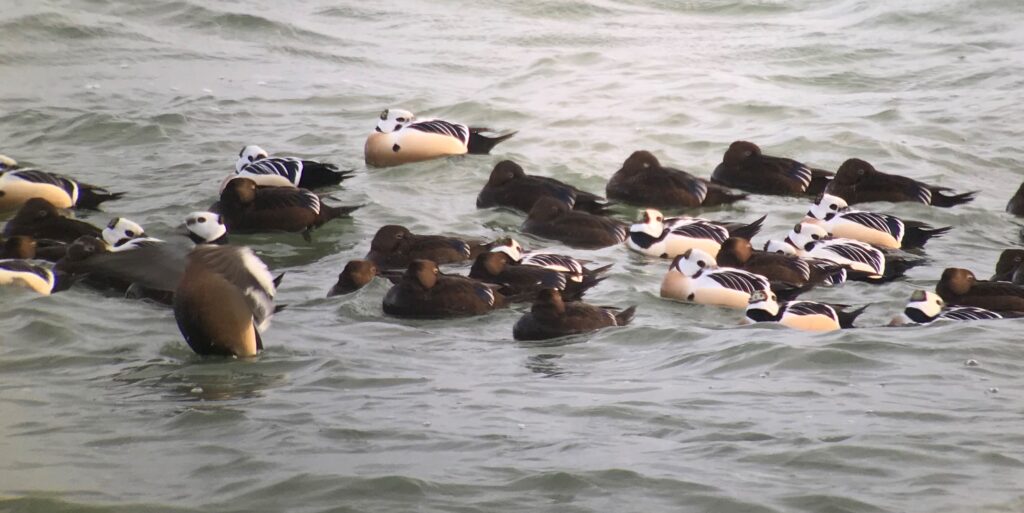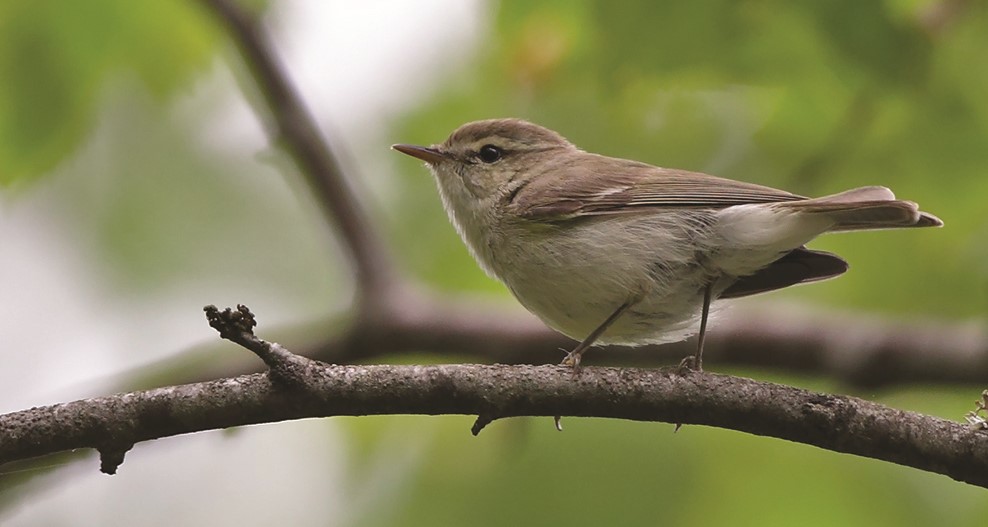
Our Estonia Summer birding tour offers some of the most extraordinary birding opportunities in eastern Europe. Estonia is a super country to travel around, having fantastic infrastructure and quiet roads. It plans to become the first EU member country to roll out wifi across all its public areas – indeed you can find it everywhere from cafes to petrol stations! The hotels we use are carefully chosen, small and traditional with excellent home cooked food offering a real taste of what the country has to offer. This new early summer itinerary sees us making a circuit of the best birding areas, from the taiga forests and their owls, woodpeckers, Red-breasted Flycatchers and Greenish Warblers to the vast bogs and marshes where Wood Sandpipers display. There are some really great birds on offer here, such as breeding Blyth’s Reed and Booted Warblers on the western edge of their range, Ural Owl, and all the European woodpeckers.
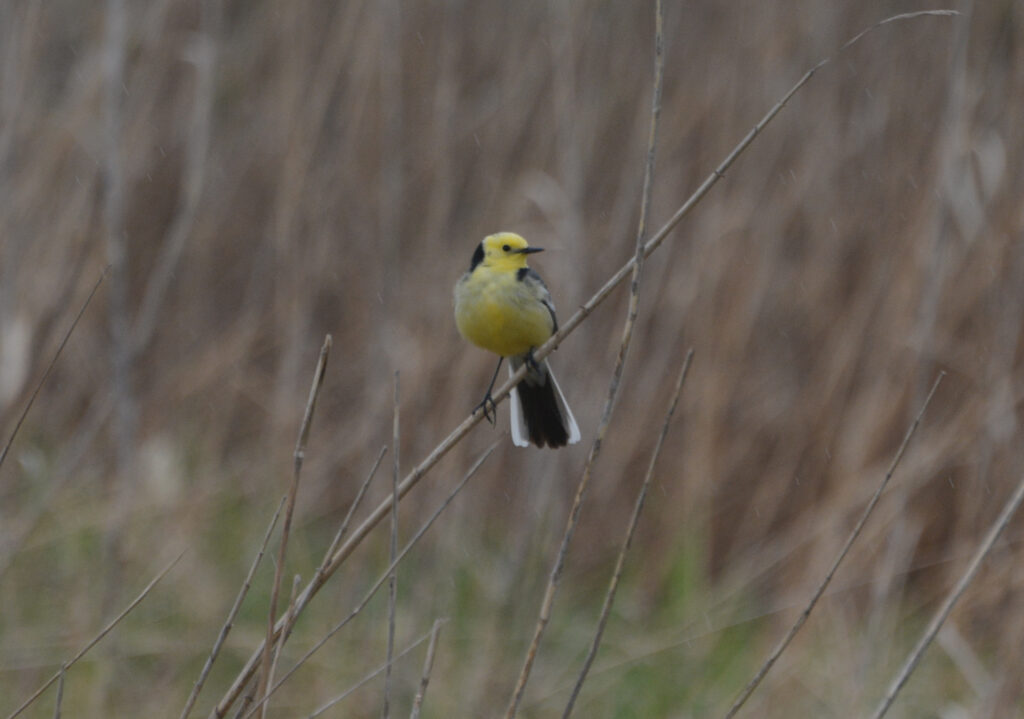
Hay meadows thronged with wildflowers resonate to the crekking of Corncrakes, while Citrine Wagtail is now established as a regular breeding species and exciting species such as Barred, River and Savi’s Warblers reside in suitable habitat. Like much of Eastern Europe, farming practices are less intensive here and populations of breeding birds far greater than we are used to ‘back home’. Many birding tours visit the region in early to mid-May, to see the Arctic seaduck and diver migration. However, we have opted for a different tour which instead focusses on the breeding species, which will all be back on territory and in song. In May, many migrant species have not yet arrived (Booted Warbler for example), weather can be more temperamental and while you may witness seabird passage, it is in nay case not guaranteed! We think June is an excellent option, and for sampling the breeding birds of the Baltic, this takes some beating – woodpeckers are just fledging young from nest holes (though be aware that woodpeckers are hard at this time of year if nest holes aren’t known, as are the owls, and March is the better tour for these families), and the place resonates to the songs of Thrush Nightingales and Common Rosefinches. Your tour leaders will be Gary Elton and Tarvo Valker and you can expect around 160 species.
Fly London UK-Tallinn and drive to the northern shore of Matsalu Bay . We arrive quite late in the evening, so dinner will be a snack in a service area en route. Overnight Altmõisa Guest House.
Today we will reach the Matsalu National Park which is the oldest Ramsar area in Estonia. Matsalu is much more than just an avian motorway service station and among the 170 breeding birds recorded from the reserve are species such as Red-necked Grebe, Bittern, Osprey, White-tailed Eagle and Caspian Tern. We will explore a variety of Põgari-Sassi coastal habitats and visit Haeska watching tower. The record for the highest day list of bird species in Northern Europe was achieved in this region – more than 100 species by nightfall.
We will also climb Rannajõe and Kloostri observation towers to scan over the marshes where White-tailed Eagles roam and the bushes and waterside vegetation resonate to the songs of Marsh Warbler, Common Rosefinch, Thrush Nightingale and River Warbler. On the coast at Puise, the juniper scrub hosts a few breeding pairs of Barred Warblers, and we will make a special effort to try and see this superb sylvia. Overnight Altmõisa Guest House.
Today we will travel out in the early morning to enjoy wetlands and heathland forest environment. We hope to see some of the regions Black Grouse, which still have a very healthy population here. They share open bogs and fields among the forest, with groups of Common Cranes tending fledged young, and small numbers of Golden Plover and Whimbrel. Other attractions in this area include Hazel Grouse, Wryneck, and some interesting woodpeckers, plus the chance to see breeding Green Sandpipers in some of the smaller forest bog pools. We will continue our birding at Põõsaspea peninsula. This small north-stretching spit is situated at the migratory crossroads where masses of waterbirds coming from the Bothnian and the Finnish Bays meet. This is one of the best places to observe Arctic waterbird migration. We visit a little later in the year than the peak migration period, but small numbers of wildfowl may still be seen here.
Overnight Altmõisa Guest House. .
DAY FOUR
Our final morning at Altmõisa will give us more chances for good views of Icterine, Barred and Marsh Warblers before breakfast. From here we head south with a stop at the coastal Pojari once again where we may add some more waders and have chances for some less common farmland birds such as Grey Partridge and the beautiful Ortolan Bunting.
Lesser Spotted Eagle and Turtle Dove might be seen and there may be chances for some nice butterflies such as Poplar Admirals, Black Veined Whites and False Heath, Lesser Marbled and Scarce Fritillaries. A walk through the wooded park in Audru gives us a chance for Middle Spotted Woodpecker before we head into Parnu for lunch en route to Audru marsh.
This is a great place to see the gorgeous Citrine Wagtail and maybe some other migrants such as Whinchats. The pools again give us chances for passage shorebirds and among the commoner fayre, we will be looking for Marsh Sandpiper and Red-necked Phalarope. White-tailed Eagle, Honey Buzzard, Garganey, Penduline Tit and Great Reed Warbler are some of the other species we might find.
From here we drive to our new lodge – Klaara Manni – where Red-breasted Flycatcher and Fieldfare breed in the gardens.
DAY FIVE
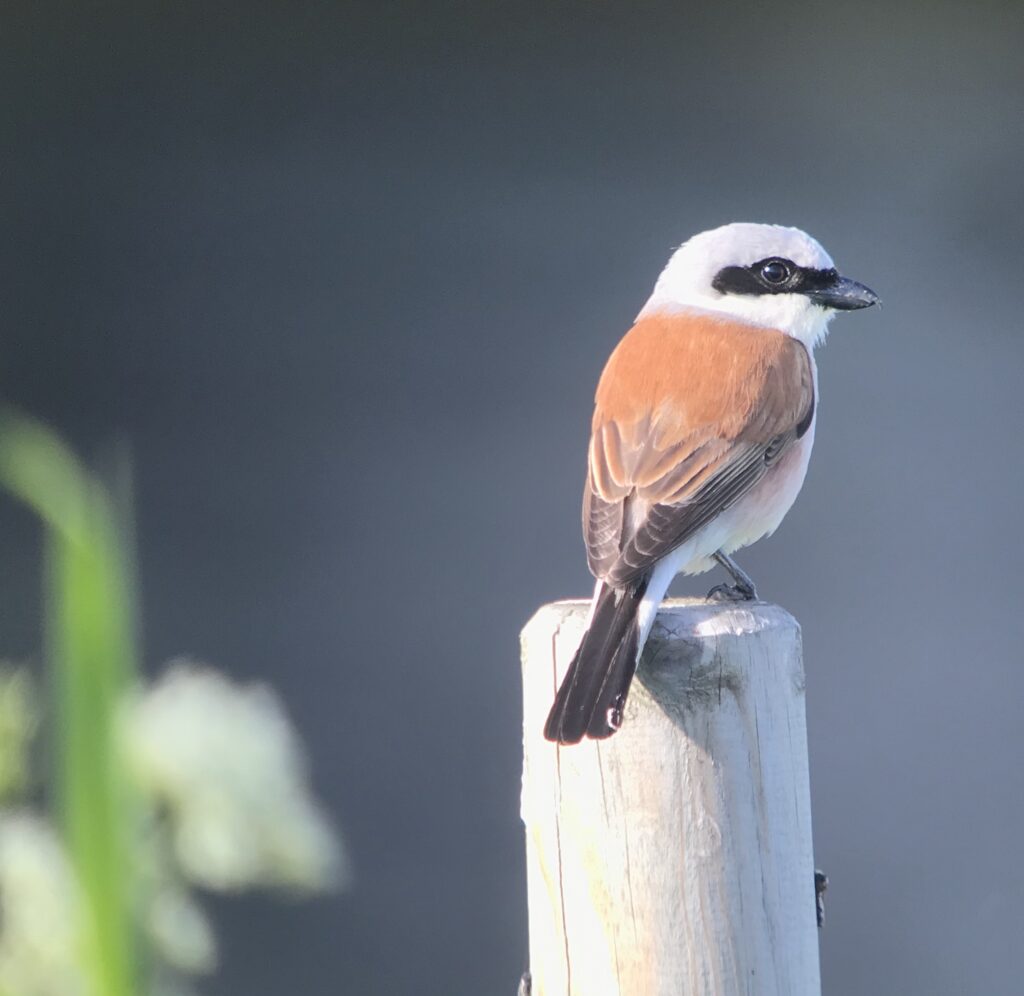
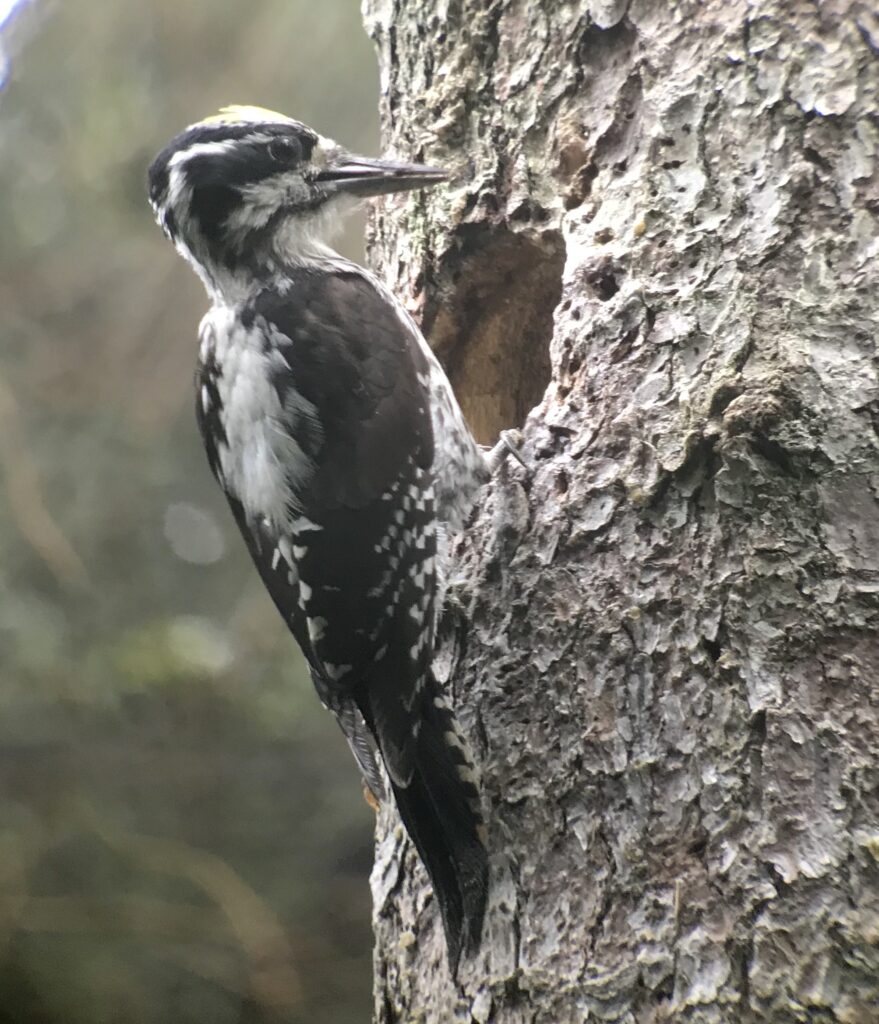
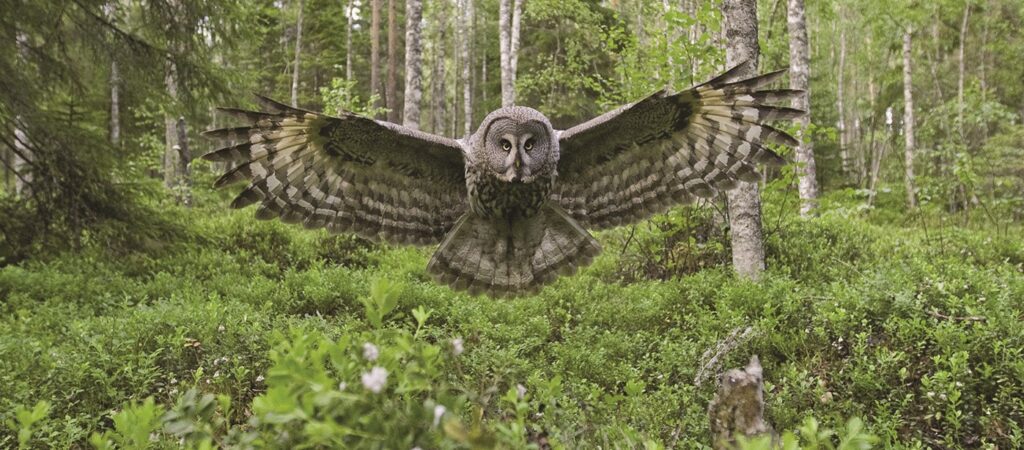
Early morning takes us to the Soomaa National Park in southwestern Estonia. Here, we should start early to see Ural Owl in a morning light and 4-6 different species of woodpeckers are possible including Grey-headed, Black, Three-toed and White-backed (though we’d need luck to see them all). The national park is created to protect raised bogs, floodplains and paludifield forests. The territory of natural park is mostly covered with large mires, separated from each other by the rivers. The natural woodlands mixed with swamps and rivers, makes it perfect habitat for many Western Taiga forest specialities including breeding Wood Sandpiper and Great Grey Shrike. With the great network of hiking trails, Soomaa is really enjoyable birding place for any nature lover. Capercaillie is hard to see in June but it is possible with extreme luck and this is a good area, while there are also more chances here for woodpeckers. Soomaa National Park is probably the best place to spot Grey-headed Woodpeckers, while Black and White-backed Woodpeckers are also regularly spotted. The same forests are also perfect habitat for another gamebird – Hazel Grouse. After refreshing lunch and some rest, late evening will be spent to look for the Owls. Pygmy and Ural Owl both have good breeding population here. River Warbler and Thrush Nightingale also sing more widely at dusk, and we should see plenty of roding Woodcocks and maybe a Nightjar or two. Beside birds it is also worth to keep your eyes open for the mammals – Elk and Raccoon Dog being most likely. Overnight Klaara Manni.
DAY SIX
We depart our lodge this morning and make our way towards the Gulf of Riga and the Pikla fish ponds. Waders are again on the menu with more chances for sooty black Spotted Redshank, resplendent male Ruff and the continental form of Black-tailed Godwit. Blyth’s Reed Warbler, breeding Arctic Terns and Goldeneye are other species present here.
We then hit the road to begin our journey eastwards across the country towards Parnu, stopping first at Laaksaare for a walk along a trail following a peaty stream on a circuit through the woods where Wood Warblers, three Flycatchers, Hawfinches, Marsh Tit, Redstart, Rosefinch, Icterine Warbler and a selection of other familiar woodland birds might be encountered along with good woodland flora. A traditional local and very filling lunch follows before we continue to the city of Tartu, our base for the last two days of the tour. We should have time to check a local site for the very localised Booted Warbler which breeds here.
We then have an evening excursion for some crepuscular birds, the highlight of course being the chance of Great Snipe at their lek. First the Woodcocks will start roding overhead and there will no doubt be a chorus of Corncrakes and Thrush Nighitngales too, before we hear the first weird, bubbly fizzy pops of lekking Great Snipe. The birds are not close and it is not normally possible
to view them on the ground due to the long grass, but we should be able to see them leaping up and hovering before moving a short way and dropping back in. Overnight Veeriku villa hotel.
DAY SEVEN
DAY EIGHT
WHATS INCLUDED
Return economy class flights London/Tallinn with specified luggage allowance, seven nights en suite accommodation of a good standard, all meals from dinner on day one to lunch on day eight, boat trip, services of leaders, ground transport in Estonia and reserve entrance fees.
NOT INCLUDED
Travel insurance, drinks, gratuities and any items of a purely personal nature. Lunches on day one and dinner on day eight are not included in your tour cost.
CLIMATE
Estonia generally experiences warm, sunny days in June, but evenings/nights can be much cooler and of course rain is possible at any time.
PASSPORT, VISA & HEALTH
‘Oriole is a very professional company and it has become my company of choice when looking for birding holidays.’
JS – Cyprus