Brazil is a country with huge birding opportunities and one which is impossible to cover in a single trip. Our popular Pantanal tour has been running for many years and with the superior wetland birding and Jaguar-watching opportunities there, you can see why it is top of most people’s list when they consider birding in Brazil. With a network of excellent lodges each offering their own different wildlife opportunities the Pantanal surely has the best mammal-watching in South America. From tractor rides to view Giant Anteater at dawn to hide stake-outs for elusive Ocelot it really does have some superb species. Jaguars top the bill of course and July-August is the best time to see them as they are drawn close to the network of waterways where close-range viewing is possible from a small boat. The birding is first-class too though as this wetland paradise hosts vast numbers of herons, egrets, kingfishers, waders and other species drawn to the dwindling pools. The Transpantaneira highway offers good access to all of the habitat and the ‘Flotel’ accommodation gives a unique opportunity to immerse yourself within this inland delta.
This new twist on an old favourite will also incorporate the Amazon region to add a flavour of lowland tropical forest birding in the Alta Floresta area, and the chance to tick off another one of those Neotropical bucket-list items – viewing Harpy Eagles at a nest site. The bird list will soar as we get in amongst the antbirds, antwrens, parrots, woodcreepers, toucans and tanagers of this very different ecosystem. Then the final leg will take us to Iguazu National Park where a whole new set of species awaits. As well as one of the World’s most spectacular waterfalls (which we will make a couple of visits to including from the Argentinian side), there is some really good birding too. The tour will use KLM flights from various UK airport departure points, to Sau Paulo via Amsterdam. Land only price also available on request. Ashley Saunders will lead this tour, assisted throughout by local guides.
DAY ONE
Fly UK – Sao Paulo with KLM via Amsterdam. Local airport departures available. Overnight at an airport hotel.
DAY TWO
We fly to Cuiaba and then set off south along the Transpantaneira highway. The drive will be just a taster of what’s to come as we’re likely to get our first views of fabulous species such as Plumbeous Ibis, Snail Kite, Black-collared Hawk, Greater Rhea and Guira Cuckoo. The lodge where we spend the night is set in the most fabulous location, surrounded on three sides by wetlands which, if the water levels are right will be teeming with birds and we’ll have a first chance to enjoy the wealth of herons, egrets, Limpkins, jacanas, Wood Storks etc. and, if we haven’t seen some already we should have a chance to get close to Greater Rheas. One of the most exciting birds here is the Nacunda Nighthawk. It might be a member of the Nightjar family but it’s slightly rounded wings with striking white panels make it look almost like a Lapwing and
its habit of gliding around in flocks over drying marshes makes it reminiscent of pratincoles. If time permits, we’ll take a jeep trip through some of the best habitats. Overnight Hotel Matto Grosso.
DAY THREE
There are a number of activities available to us today and the guides will choose the best options. We will most likely take an open-backed truck safari which means, wherever the birds
are, we can drive right up to them! It takes us to areas where concentrations of waterbirds such as Snail Kites, Striated Herons, Limpkins, Wood Storks, Wattled Jacanas and Great Egrets.
Amongst them are flocks of Black-bellied and White-faced Whistling Ducks, Roseate Spoonbills, Large-billed Terns, Black Skimmers, Buff-necked Ibis and Black-necked Stilt. We might flush a Nacunda Nighthawk and drive up to where it lands so we can photograph it at close range. The same thing could apply to a species that is easily heard but often difficult to see – Yellowish Pipit.
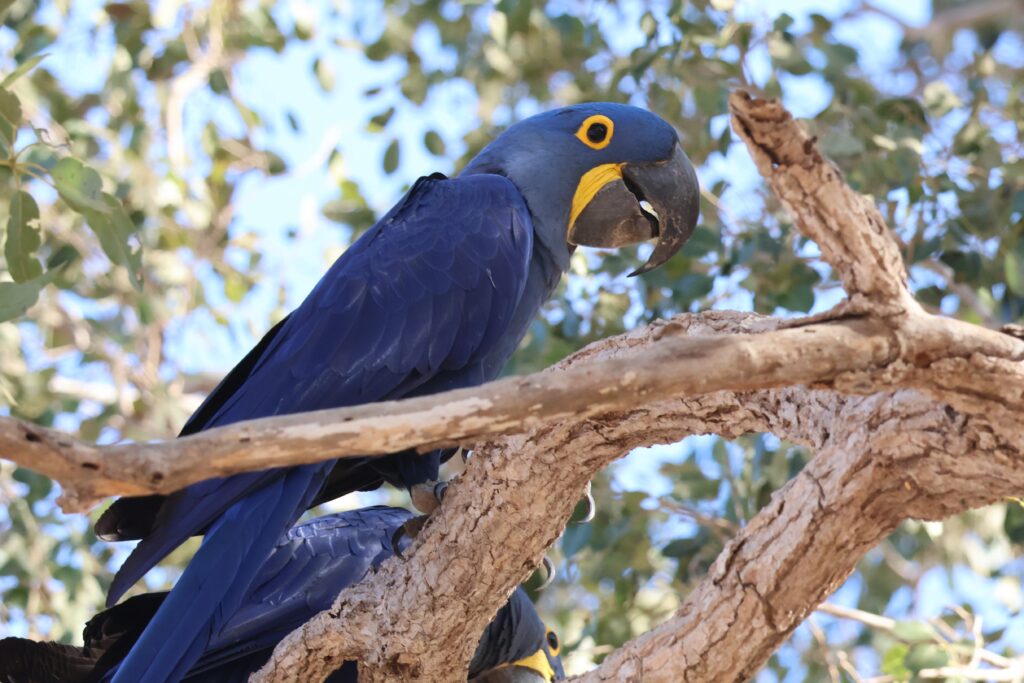
Another possible trip is to one of the islands of trees on the flat plain because these provide nesting habitat for the fabulous Hyacinth Macaws. With their massive size, long pointed wings
and long tails these look like a made-up bird, the sort that features in animated films such as Avatar!
In the evening we can make another jeep safari, this time staying out after dark, searching especially for the remarkable Giant Ant-eater. In doing so we’ll find more Pauraques and nightjars and maybe a Bat Falcon, a Crab-eating Fox or a Tapir. There are Jaguar here too, and on our 2024 trip we even saw a Puma! Overnight Rio Claro.
DAY FOUR
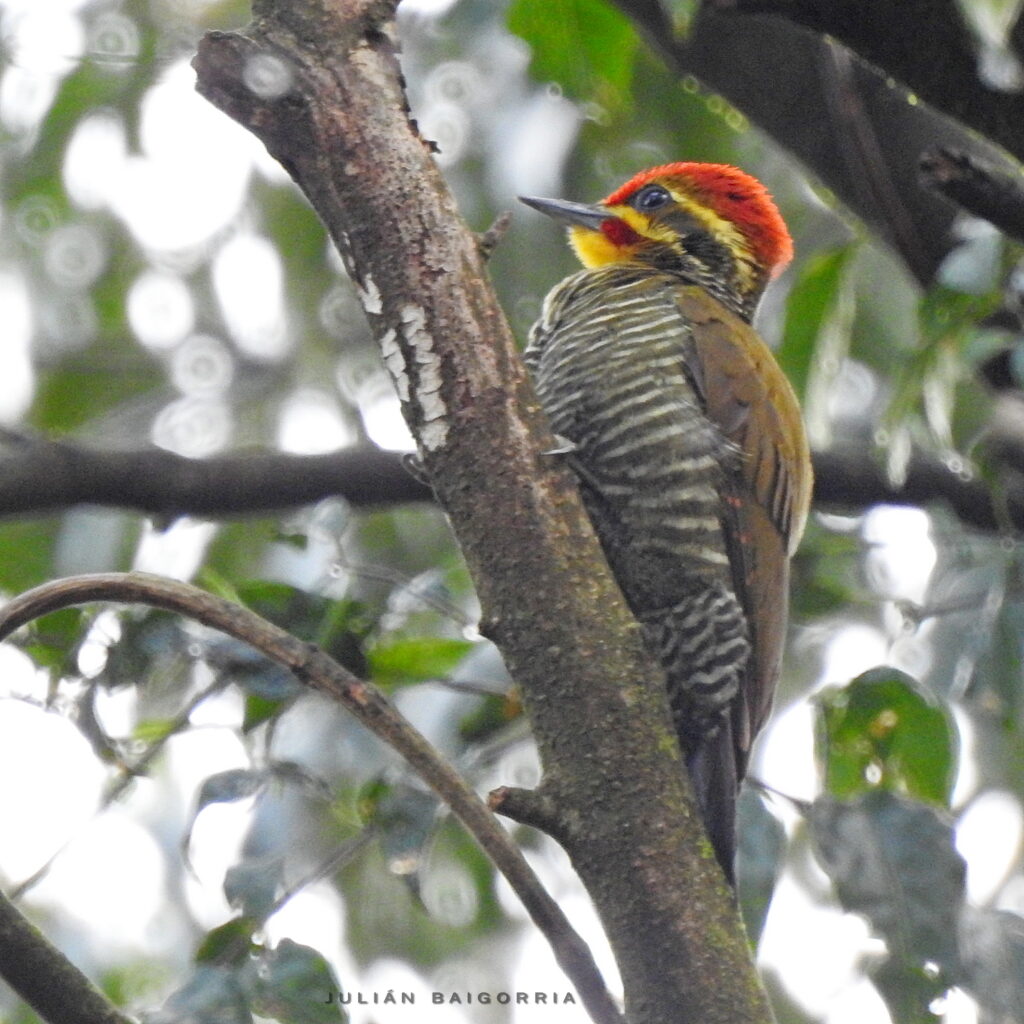
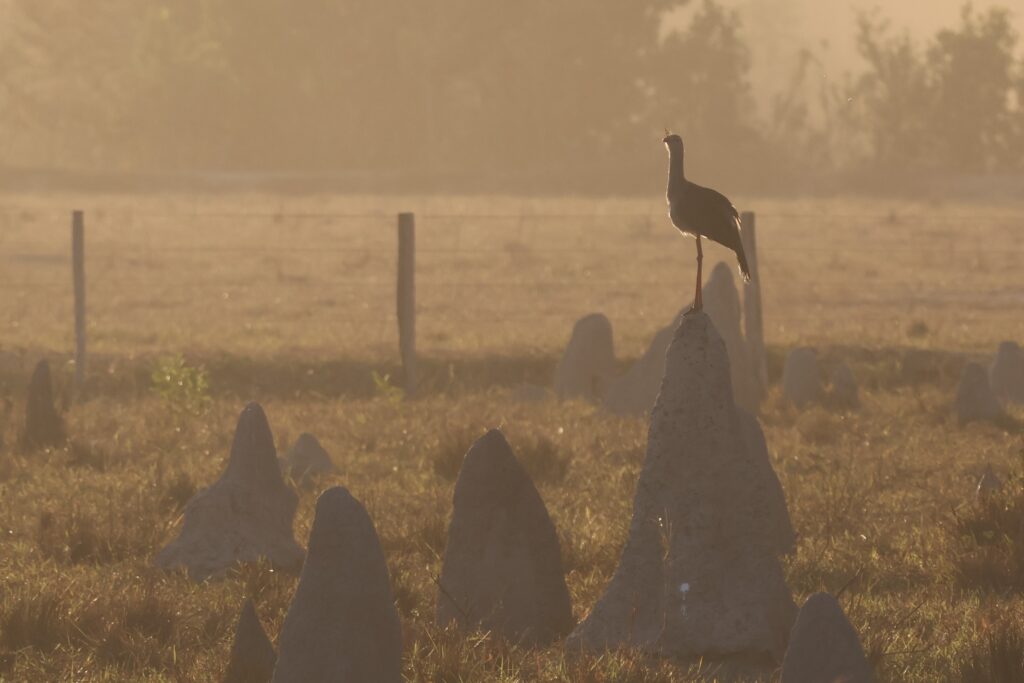
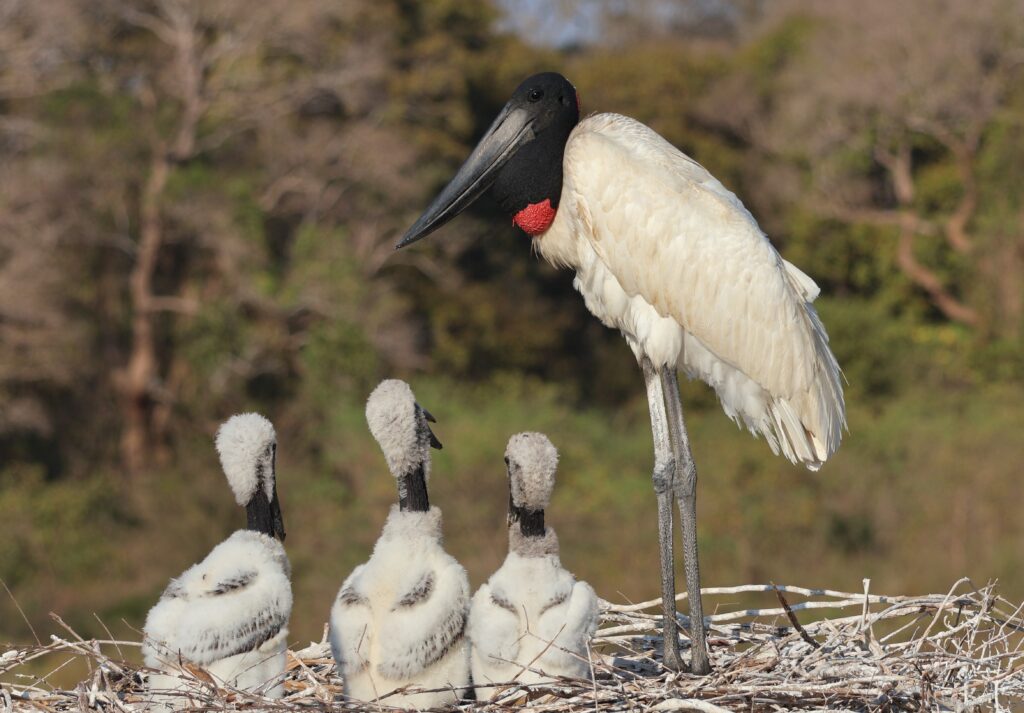
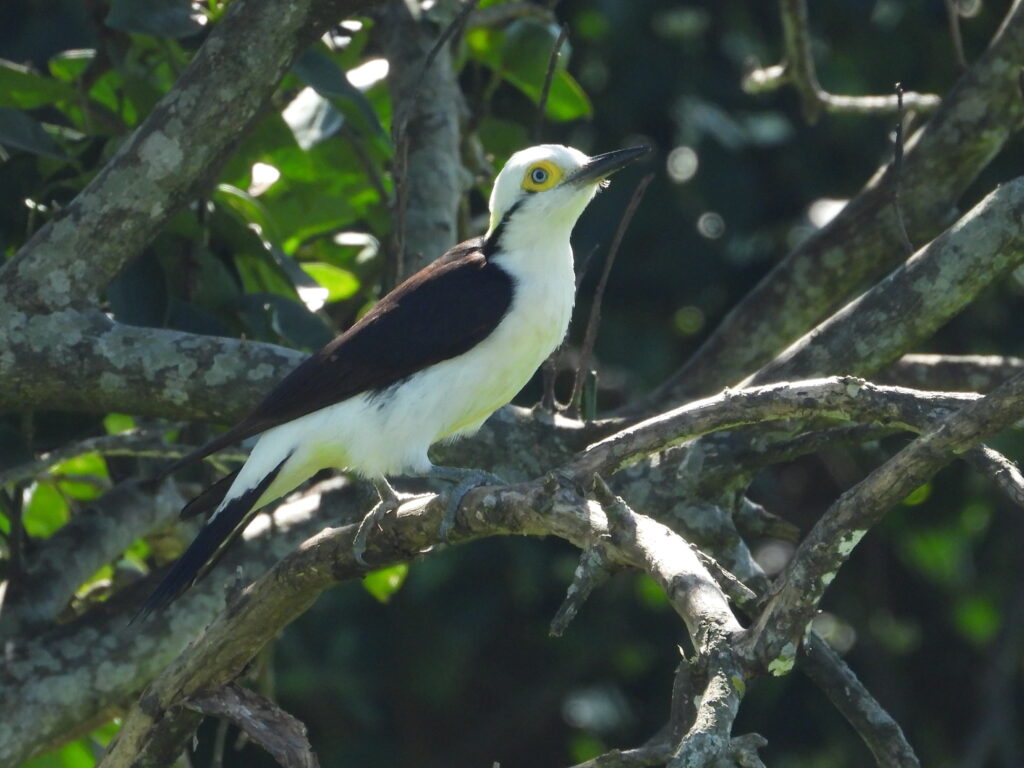
Today we’ll drive along the Transpantaneira highway towards Porto Joffre. Of course we’ll be birding and mammal-watching all the way as we’ll pass through fabulous wetland habitats. The road itself is elevated above the nearby plain, as if on a levee, and from here we can often look down into roadside pools with birds such as Plumbeous, Bare-faced, Green and Buff-breasted Ibises, Rufescent Tiger Heron, Capped and Whistling Herons, Ringed and Amazon Kingfishers and Gray-necked Wood Rail, all begging to be photographed. Raptors will be almost constantly in view, with numbers of Roadside Hawk, Black-collared Hawk, Southern Caracara, Savannah Hawk, Snail Kite and Turkey Vulture, with some Lesser Yellow-headed Vultures and Great Black Hawks too. We’ll stop whenever something exciting is spotted such as Jabiru, Red-legged Seriema, White Woodpecker, Southern Screamer or even a Tapir and whenever we stop there’ll be a chance of birds flying over such as Blue-and-yellow Macaw, Toco Toucan, Turquoise-fronted Parrot and a variety of parakeets. There’ll be two distinctive nests along the highway – the teapot-like domes belonging to Rufous Horneros and the clusters of sticks, like kebab stands, belonging to Greater Thornbirds. We’ll also pause at promising-looking marshes where birds such as Black-capped Donacobius, Yellow-chinned and Chotoi Spinetails, Smooth-billed
Ani, White-headed Marsh Tyrant and Scarlet-headed Blackbird are likely. Overnight Rio Claro.
DAY FIVE
Our lodge is set beside the river and has a network of trails which give chances to get to grips with some more elusive forest birds, and feeders which attract, among other things, the spectacular Toco Toucan. Photographic opportunities here are excellent as many of the birds are used to people being around. Our exact plan for today will depend a little on what we’ve already seen, though we are likely to spend more time on the harder to see forest birds such as Matto Grosso Antbird and Band-tailed Antbird which both occur here. This is also a good spot to see the more localised Nanday Parakeet. We then continue along the Transpanateria to Porto Joffre and take on a new mode of transport because from here the only way to get about is by boat along the Cuiaba river. A motor boat will take us to our place of accommodation which will be a ’Flotel’ – a boat on which we will sleep in the cabins and eat delicious food cooked in the galley. En route to our flotel we might get our first views of riverside birds such as Pied Lapwing, Collared Plover and Yellow-billed Tern and as the sun sets there could be Band-tailed Nighthawks over the boat.
Overnight Flotel
DAY SIX
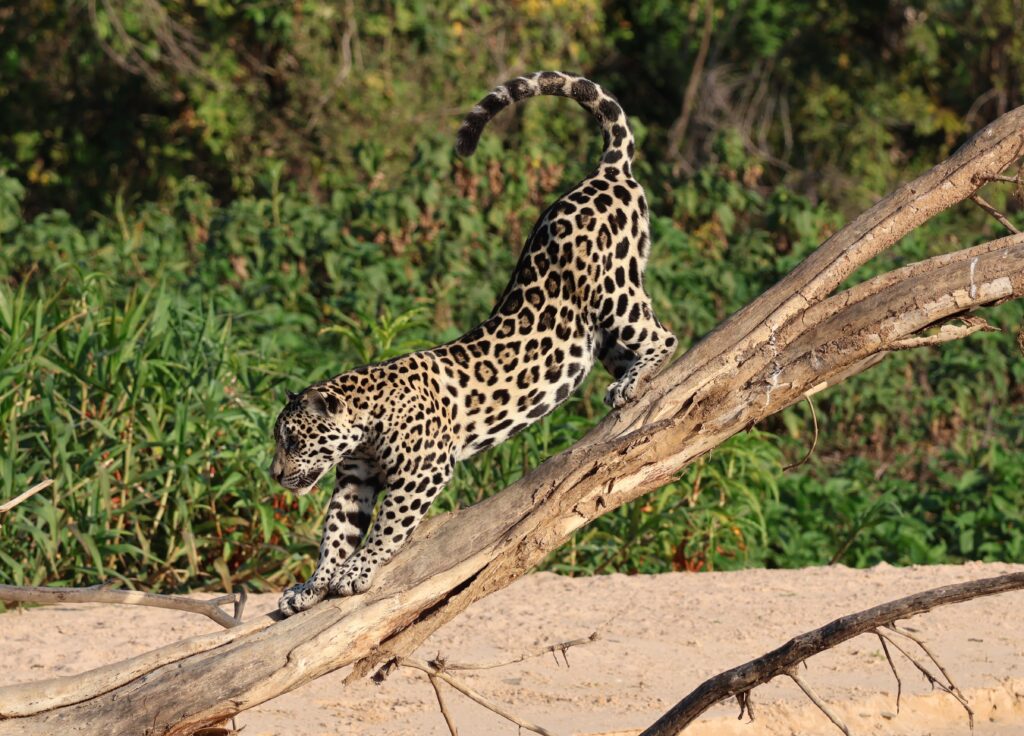
This will be a fabulous day spent cruising along the Cuiaba river and its quieter tributaries. The birdlife here is just phenomenal with kingfishers, herons, cormorants and raptors all seen regularly and often at point blank range. It’s a fantastic place for photographers but the main aim of the day is to see the most famous creature of the Pantanal – a Jaguar. They spend most of
their days either hunting or loafing at sites along the banks of the river but, of course, they are immaculately camouflaged. Fortunately there will be several boats exploring the many channels and, with so many eyes searching diligently, there are really good chances that at least one jaguar will be found – and they usually stay for long enough for every boat to see them. There’s always a chance too of seeing some action; we might see one stalking along the river bank or walking off into the forest or plunging into the water to catch and drag either a Caiman or a
Capybara. Whatever you see you’re sure to be impressed by this fearsome and utterly gorgeous beast. Overnight on the Flotel.
DAY SEVEN
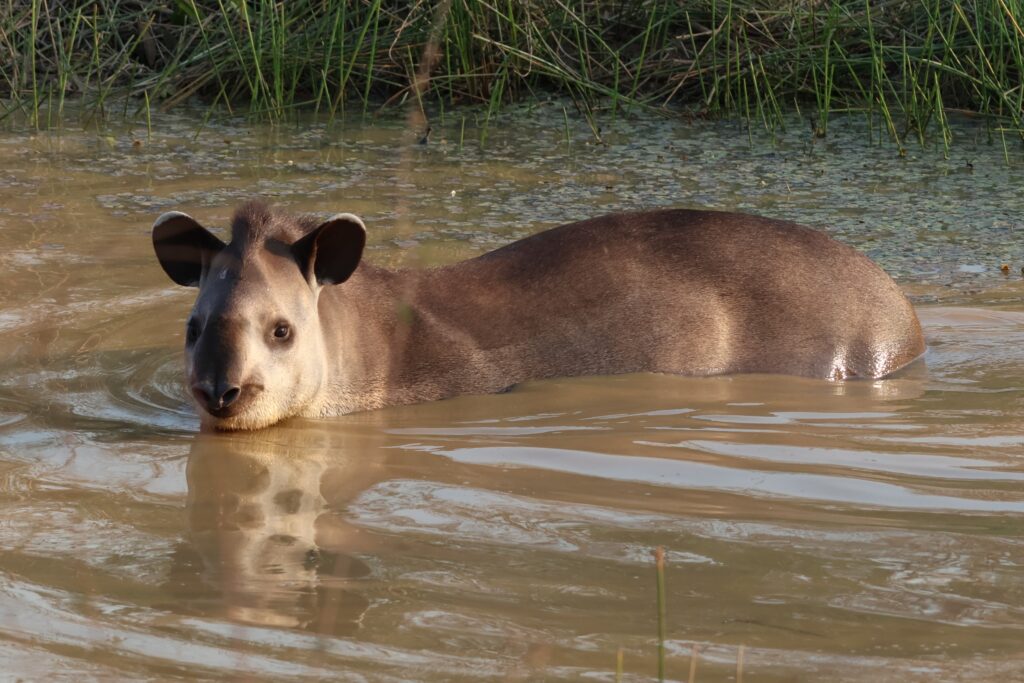
Today we undertake the long drive back along the Transpantaneira highway, stopping of course for more views of waterbirds or to look for smaller birds in the roadside bushes. One stop will be at a lodge where the feeders attract species such as Palm, Silver-beaked and Sayaca Tanagers and we might be able to find the ferruginous Pygmy Owl that often roosts there. We’ll continue our drive to the next lodge where we should have time to enjoy the birds of this vicinity and we may have time for another jeep safari in the night, hoping for mammals such as marsh deer and coatis and birds such as Pauraques and other nightjars but our main aim is to spot a Brazilian Tapir. Overnight at Pouso Alegre or similar.
DAY EIGHT
We’ll awake to a cacophany of Plumbeous Ibis, Buff-breasted Ibis and Chaco Chachalacas tempting us out of our beds. As we walk around the grounds of the lodge we might be joined by Rusty-margined and Chestnut-bellied Guans and we’ll get views of birds like Rufous-bellied Thrush, Thrush-like Wren, Saffron Finch, Palm Tanager and Yellow-billed Cardinal. Star birds to look for here include Ferruginous Pygmy Owl, Great Rufous Woodcreeper and the logic-defying Red-billed Scythebill but the most exciting bird at the lodge is probably the Toco Toucans which come to the feeders at dawn for some amazing photographic opportunities. Other birds around the lodge include the dazzling Orange-backed Troupial, Epaulet Oriole, the massive Crimson-crested Woodpecker and the more diminutive Little Woodpecker, Narrow-billed Woodcreeper,
Crested Oropendola, various parrots and parakeets and maybe an Antshrike such as Great or Barred.
We depart this lodge late morning, reaching Pocona in time for lunch and then continuing in the heat of the afternoon all the way to Cuiaba. Overnight in an airport hotel.
DAY NINE
Embark on our adventure into Amazonia in search of the majestic Harpy Eagle and more by taking a flight from Cuiabá to Alta Floresta with Azul, a highly efficient airline providing a one
hour journey. Upon arrival in Alta Floresta, our dedicated driver and comfortable vehicle will be awaiting us. We will then proceed to a delightful local restaurant for lunch, restroom breaks,
and relaxation. Following our meal, we will embark on a scenic drive to the banks of the Juruena River, a stunning waterway in the region, lasting approximately 3 hours and 30 minutes. Once
there, speedboats will be ready to ferry us across the river to Sao Nicolao Camp, a journey of about 20 minutes. Along the way, we will have the opportunity to pause and observe various bird
species such as Chestnut-fronted Macaws, Turquoise-fronted Parrots, Greater Yellow-Headed Vultures, Blue-gray Tanagers, White-winged Swallows, Ringed Kingfishers, Yellow-headed
Caracaras, and many more. Upon our arrival at the camp, we will proceed with check-in before enjoying a delicious dinner. Following our meal, we will gather to review the checklist of bird
species we observed throughout the day. This will be followed by a brief orientation outlining the exciting activities planned for the following day.
DAY TEN
Begin the day with an early breakfast before embarking on a birding excursion around the camp, where we will have the opportunity to observe fascinating avian species such as the Güira Cuckoo, Turquoise Tanager, Silver-beaked Tanager, Swallow Tanager, and more. Our safari truck will transport us for approximately one hour to the area where our observation tower is strategically positioned for observing the Harpy Eagle nest. The young chick will hopefully be present, often guarded by the mother while the father diligently returns with a variety of prey
such as monkeys, sloths, armadillos, and agoutis. This presents an excellent opportunity to witness this majestic bird in action at eye level. Following this awe-inspiring experience, we will
have leisure time to relax and appreciate the diverse canopy birds, including toucans, cotingas, tanagers, and other species inhabiting this expansive forest. Return to the camp for lunch,
followed by a brief period of relaxation to reflect on and savor the remarkable encounters of the day. In the afternoon, we will explore the trails and roads surrounding the fazenda, providing us
with excellent opportunities to observe Peccaries, coaties, and various monkey species amidst the picturesque landscape. As night falls, we will make our way back to the lodge to freshen up
with a shower before enjoying a delightful dinner and engaging in informative briefings. We will spend the night at the camp, ready for another exciting day of birding and wildlife encounters.
DAY ELEVEN
Start the day with an early breakfast before embarking on an exploration of the Juruena River, situated within the third-largest National Park in Brazil, spanning 1,958,000 hectares. This park
safeguards unique Amazonian forest and a portion of the xerophytic biome. Along the river, we will have the opportunity to observe captivating bird species such as the Black-collared
Swallow, White-banded and White-winged Swallows, Red-throated Piping Guan, Yellow-billed and Large-billed Terns, and Black Skimmers. Delving deeper into the area, we will venture into
“corixos,” small streams, to encounter other species native to this region, including the Rufous tailed Jacamar, Ringed, Amazon, and Green Kingfishers, Hoatzins, Razor-billed Curassows, Red
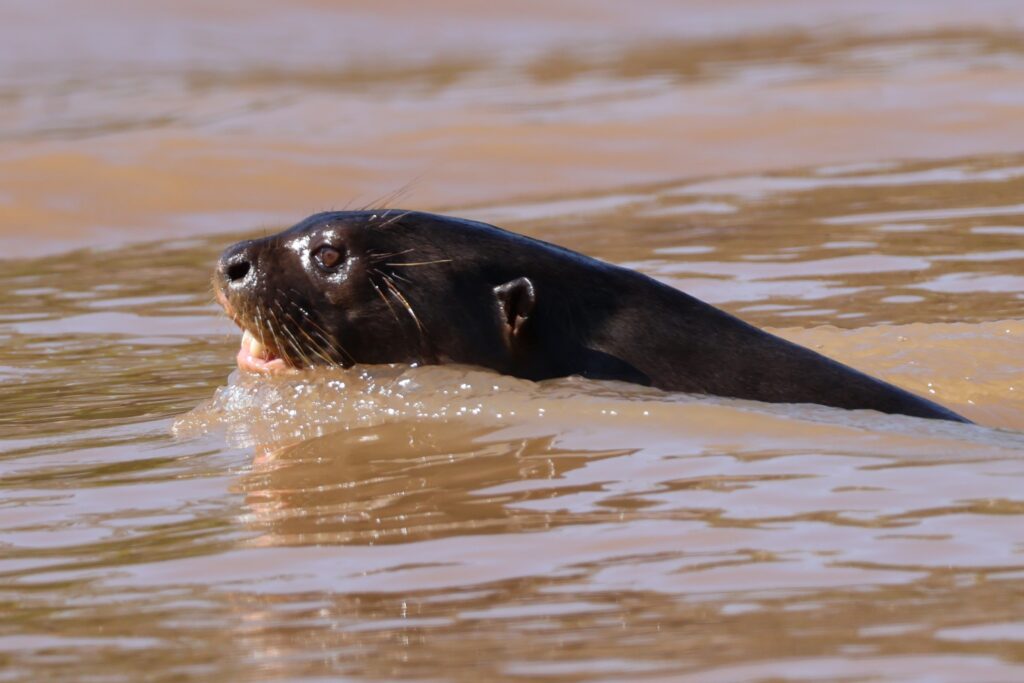
capped Cardinals, and perhaps catch a glimpse of the skillful Giant Otters. As the day draws to a close, we will relish a spectacular sunset before returning to the lodge for dinner and engaging in social activities post-briefing.
DAY TWELVE
Following an early breakfast, we will revisit the Harpy Eagle nest to observe further captivating moments of the chick and its parents, as well as to appreciate the diverse bird species
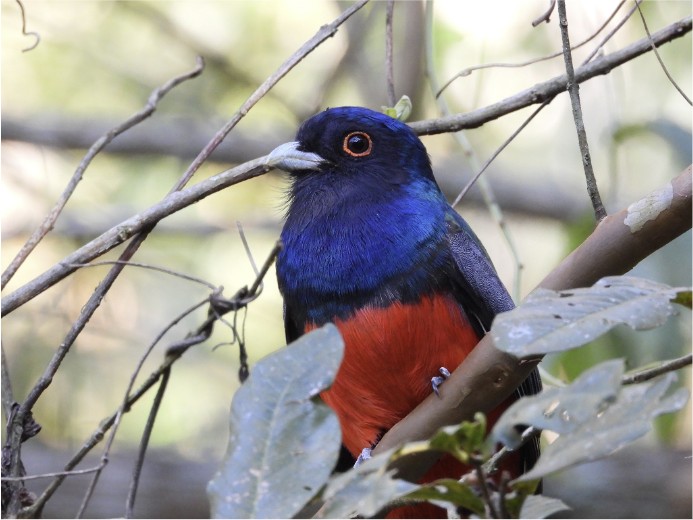
inhabiting the area. Some of the notable birds we may encounter include the Black-fronted Nunbird, Amazonian Trogon, Gould Toucanet, Lineated Woodpecker, Blue-and-yellow Macaws,
Swallow-winged Puffbirds, Black Caracara, various antbirds, and many others. After our birdwatching session, we will return to the camp for lunch before embarking on our journey back to Alta Floresta. We will spend the night at Fazenda Anaca, a charming location, for our final evening in the area.
DAY THIRTEEN
On our final morning in Amazonia, we will start with an early breakfast before enjoying a last bit of birding around the stunning grounds of the fazenda. This outing will offer us the chance to spot birds such as Red-bellied Macaws, Red-fan Parrots, Point-tailed Palmcreepers, Chestnut Woodpeckers, Wattled Jacanas, Scaled Doves, and various other species that call this area
home. After this we depart on an internal flight from Alta Floresta back to Sao Paulo, arriving back there for another overnight stop in the city.
DAY FOURTEEN
We depart Sao Paoulo and take a flight down to Foz Iguazu. On arrival, our local guide meets us at the airport and transfers straight across the border into Argentina and then drive to our hotel in Cataratas Village. This will give us most of the day to birdwatch in the Iguazu National Park in search of typical Atlantic Forest species, such as Surucua Trogon, Rufous-capped Motmot, Creamy bellied Gnatcatcher, White-eyed Foliage-gleaner, Robust Woodpecker, and Spot-backed Antshrike, among many others — all among a list that can exceed 50 specialties!
DAY FIFTEEN
We spend the morning birding the famous Macuco Trail of Iguazu National Park, with more chances to enjoy some of the speciality birds of this region and targeting any species we missed yesterday afternoon.
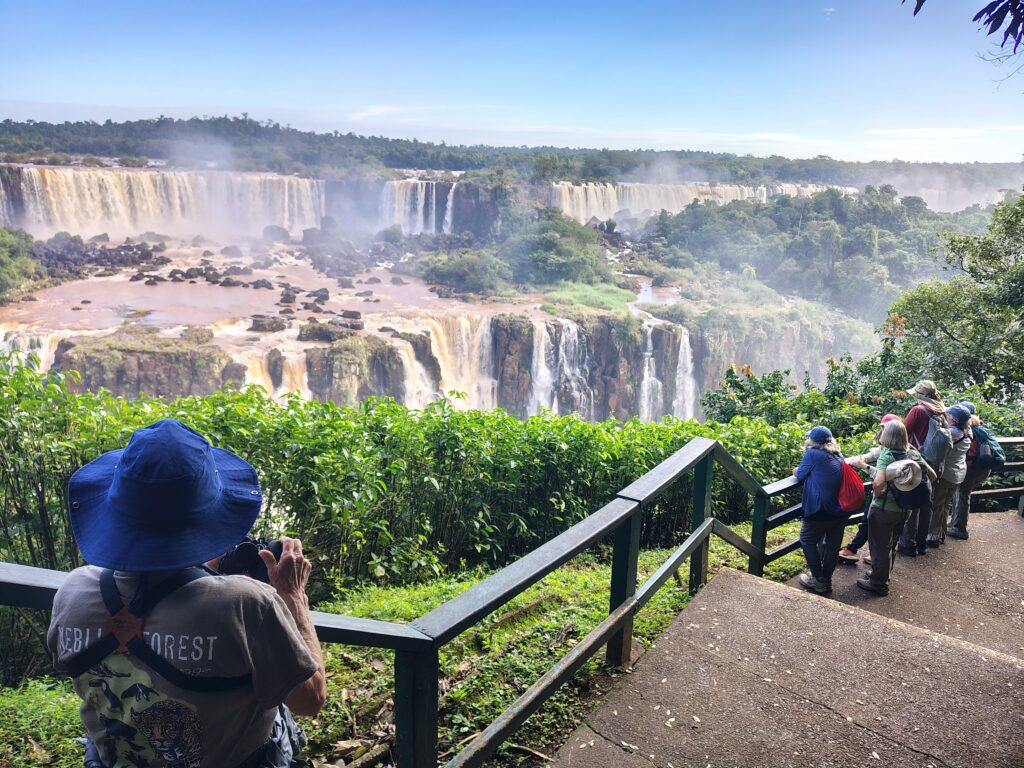
Enjoy a picnic lunch with a view of the falls, then explore in detail the Argentinean side of Iguazu, an international treasure shared with Brazil. We use the park’s train system to get from one section to another, stopping at various viewpoints with the ultimate goal of reaching the most spectacular one: the Devil’s Throat. We reach this area by walking along a footbridge across the delta of the Iguazu River.
During the walk, it is possible to spot White-winged Swallow flying over the river, Yellow-billed Cardinal singing from the reeds, wild Muscovy Duck, Anhinga, kingfishers, herons … and from the balcony at the Devil´s Throat, you can watch hundreds of Great Dusky Swift doing their acrobatic flight through the curtains of the falls to roost on the rocks behind the water. We walk both the upper and lower trails to immerse ourselves fully in the spectacle.
DAY SIXTEEN
This area gives us a chance to experience the forests and birds of the Atlantic region, shared with Brazil and home to many spectacular species such as Magpie Tanager. There are many
sites to visit, and we explore more of the national park today, including the 101 Road, in search of many species like Tufted Antshrike, Ochre-collared Piculet, Southern Antpipit, Chestnut
bellied Euphonia, Green-headed Tanager, and others. We return to our hotel for a break and go back as activity increases in the afternoon. Photographers may want more time just to be fascinated by the falls! This afternoon we visit a private hummingbird garden, where at feeders we get close-up views of
up to seven different species of wild hummingbirds, including Black Jacobin, Planalto Hermit, Violet-capped Woodnymph, and more. Accommodations at Cataratas Village.
DAY SEVENTEEN
There might be time for an early morning walk with some avian surprises right around the hotel grounds. Afterwards, we transfer from our hotel to the local airport in time to fly to Sao Paolo
and connect with international flights home at night.
DAY EIGHTEEN
Arrive back in the UK
WHATS INCLUDED
Return flights UK/Sao Paulo via Amsterdam with KLM including designated luggage allowance, all internal flights within Brazil, airport transfers, fifteen nights accommodation in a variety of good quality lodges, one overnight on board aircraft, meals from in-flight on day one to in-flight on day seventeen, ground transport in Brazil, services of leaders and reserve entrance fees.
NOT INCLUDED
Travel to/from London and any overnight stay that might be required, tips (allow around $200), alcoholic drinks and any items of a purely personal nature.