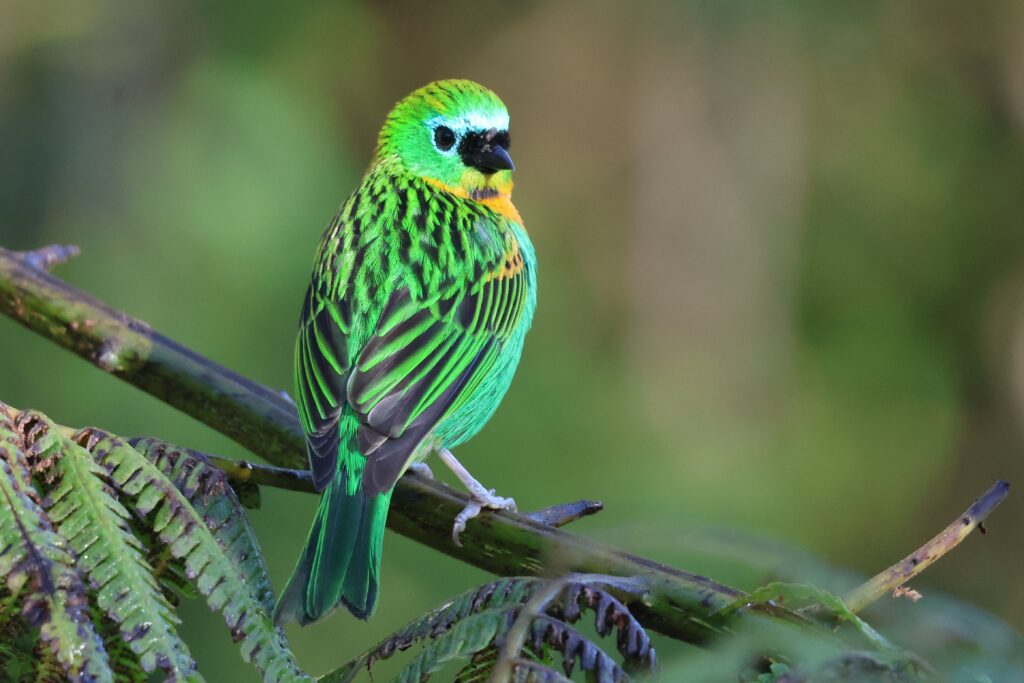
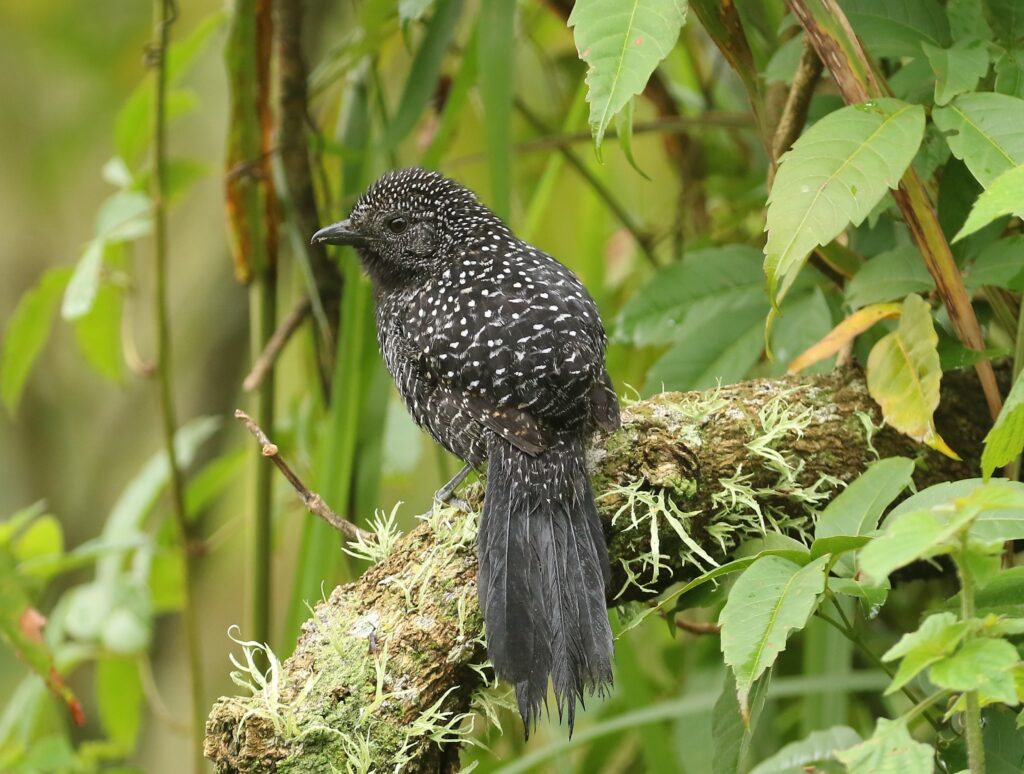
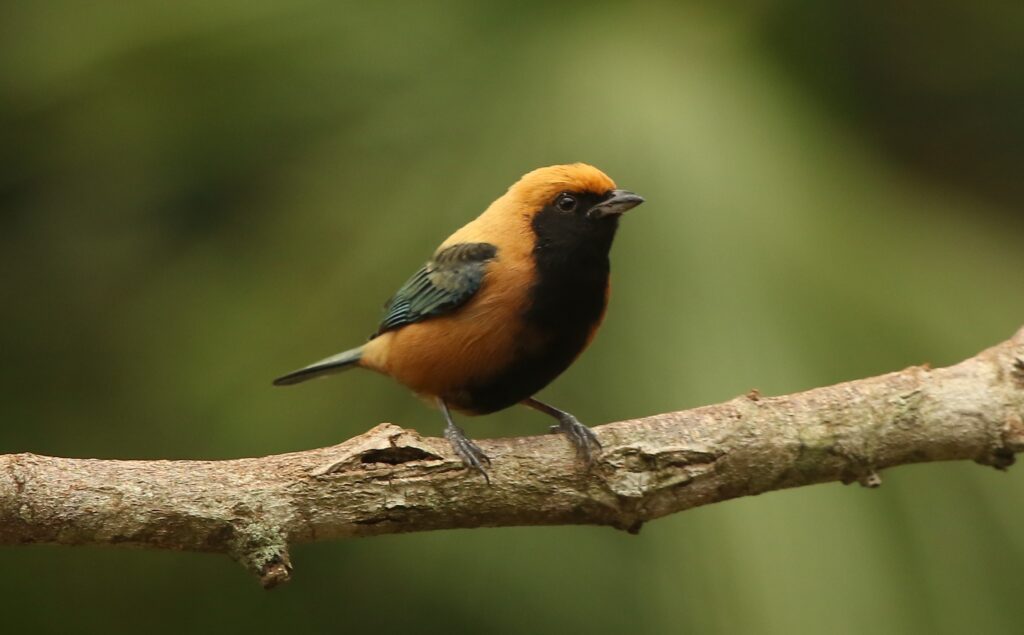
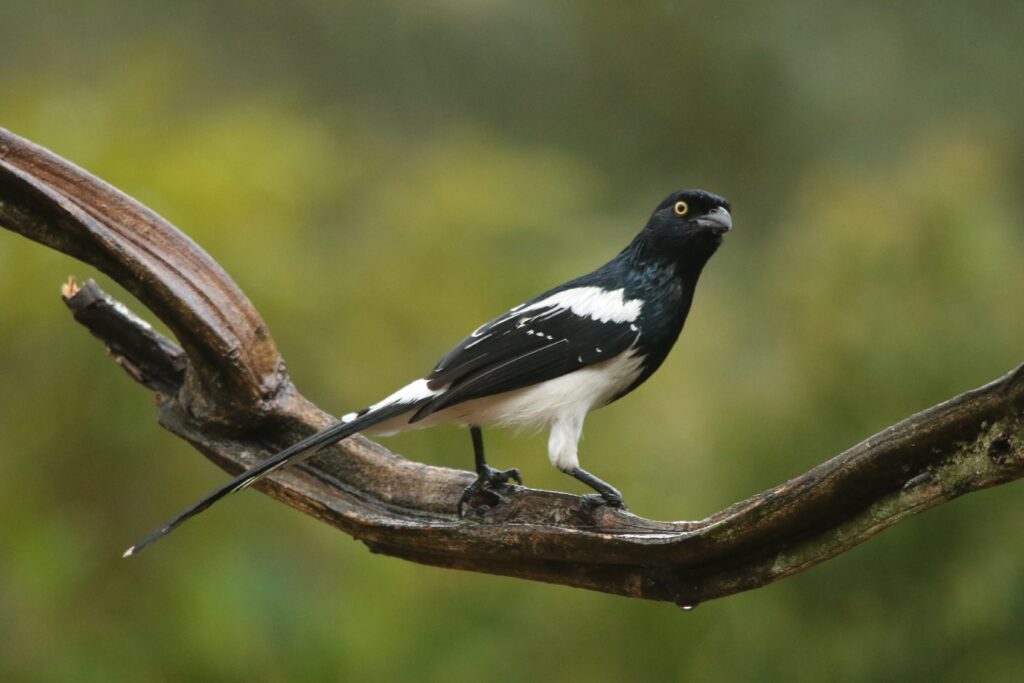
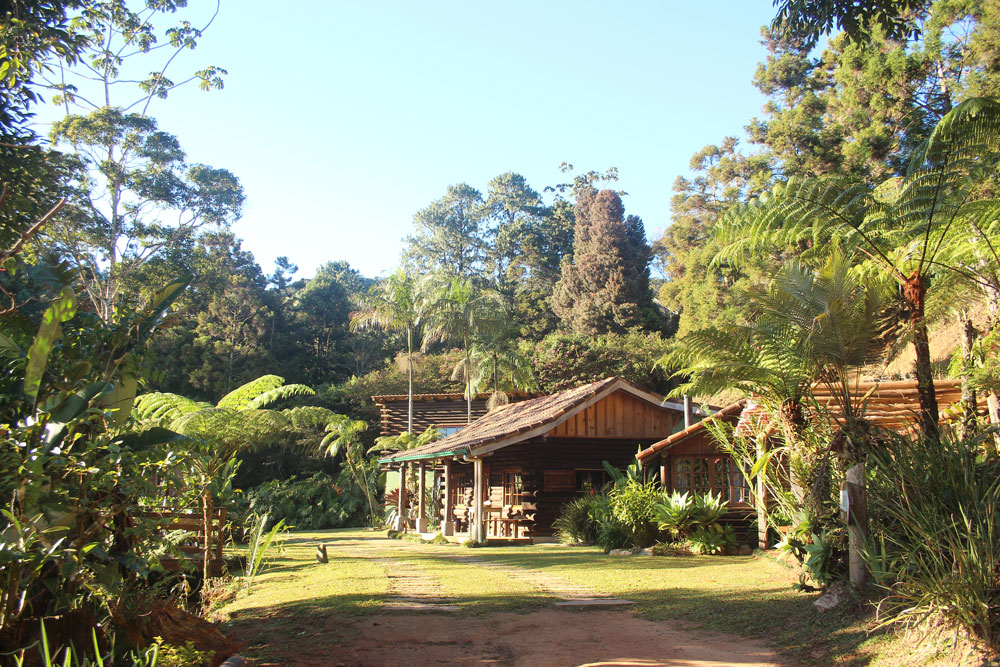
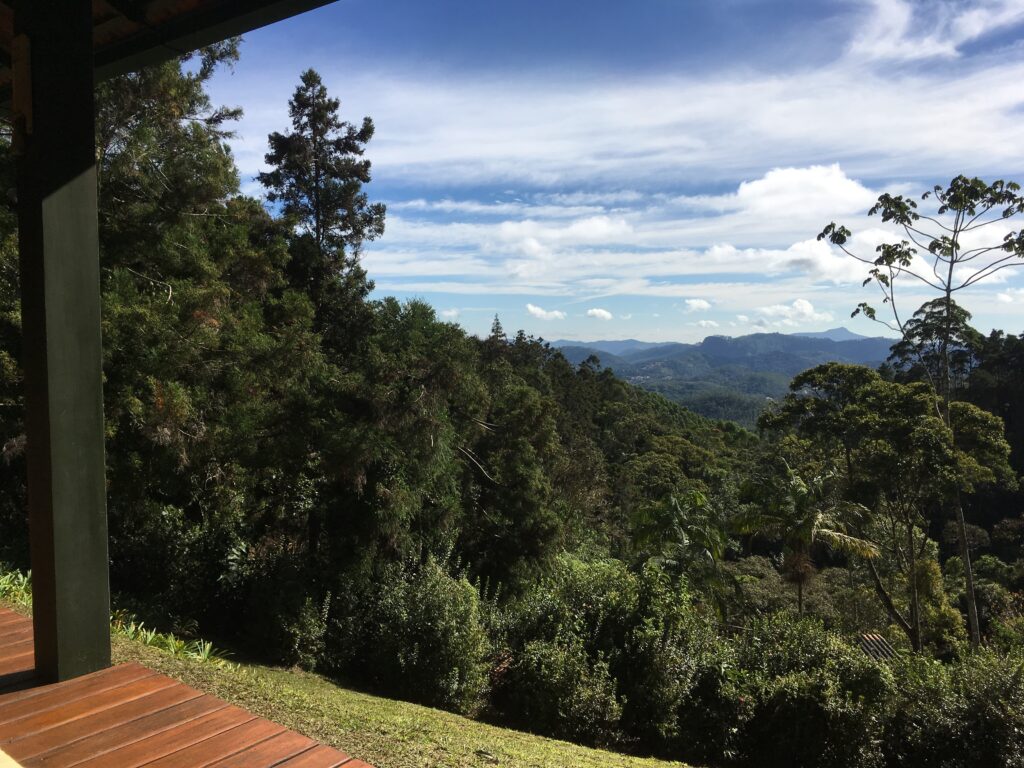
For our foray into this endemic-rich region, we will be based throughout at the delightful Itororo Eco-lodge, set within the 58,000ha Tres Picos State Park in the heart of the Atlantic rain forest, south-east Brazil. The lodge sits at an altitude of 1200m, tucked away in its own private valley of 50 acres and offering not only excellent birding opportunities in its own grounds, but with easy access to all of the other key birding spots in the area. The lodge offers comfortable accommodation for up to 14 people, making it small enough not to interfere with the surrounding environment and to be managed in such a way that guests feel like they are staying at a true home from home. As the lodge is surrounded by forest, the flora and fauna in the gardens alone is quite spectacular. But for those wishing to explore further there a number of trails within the grounds that offer a variety of walks and excellent opportunities to search for various species of birds. In the fifty acre grounds of the lodge over 180 species have already been recorded, of which 60+ are Atlantic forest endemics! This makes Itororo Lodge a prime location in which to stay in the Atlantic rain forest. The grounds also have a number of bird tables, feeding stations and hummingbird feeders, which offer a chance to see a number of species close-up, offering guests superb opportunities for photographing some of the rare and colourful endemics. We also include a one night stay at the famous REGUA reserve for Giant Snipe, owls and other wetland birds. Your tour leader will be Neil Glenn who will be working throughout with Andy Foster, an expert in the birds of the region who has been guiding tours to the Atlantic Forest region since 1995. You can expect to see approximately 270 species of which 80 are endemic.
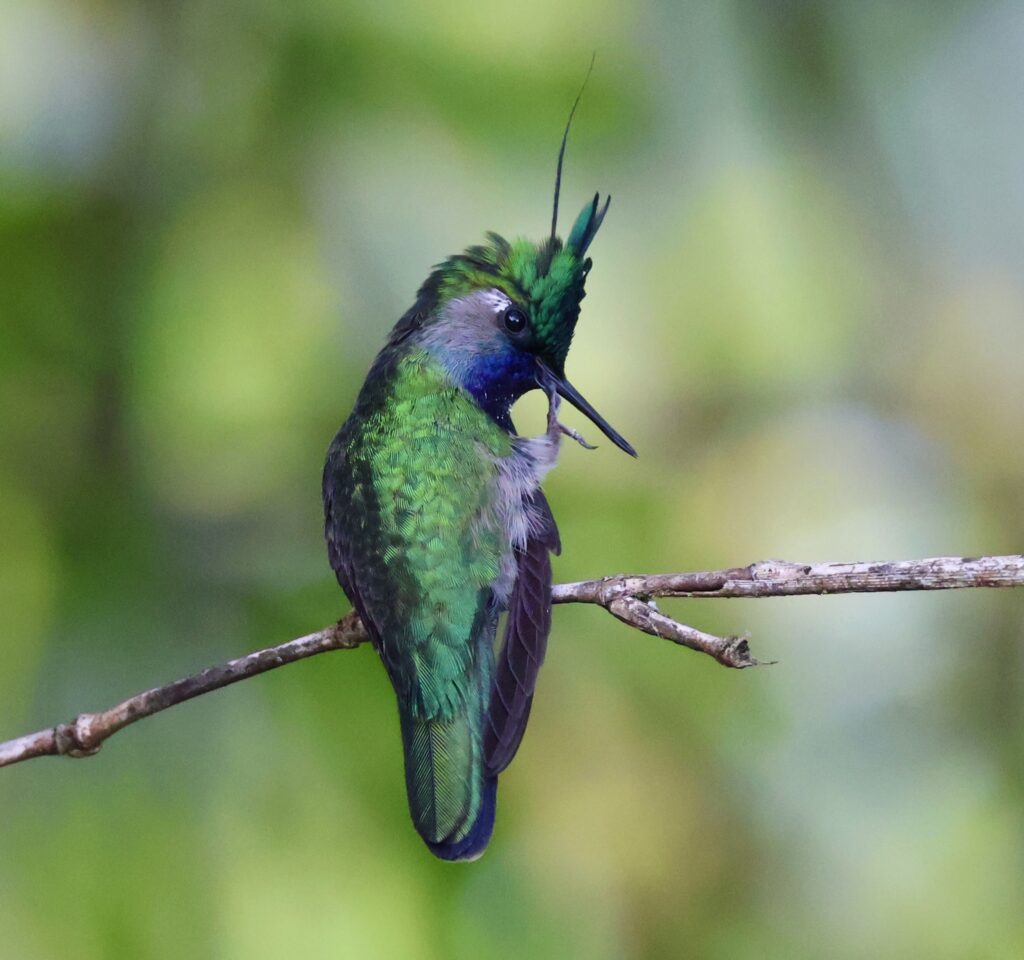
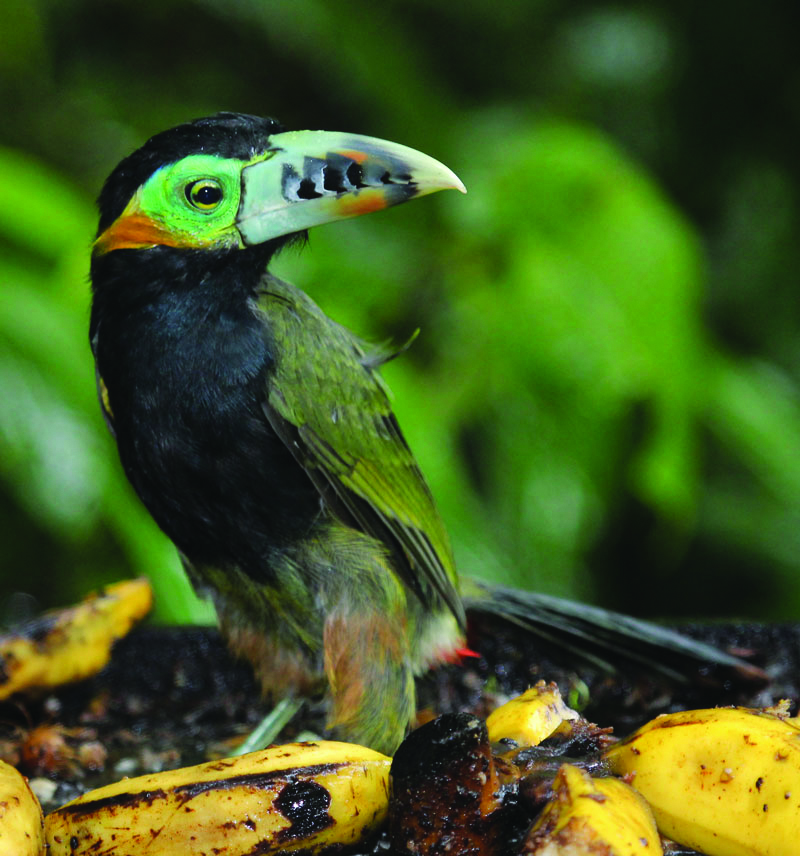
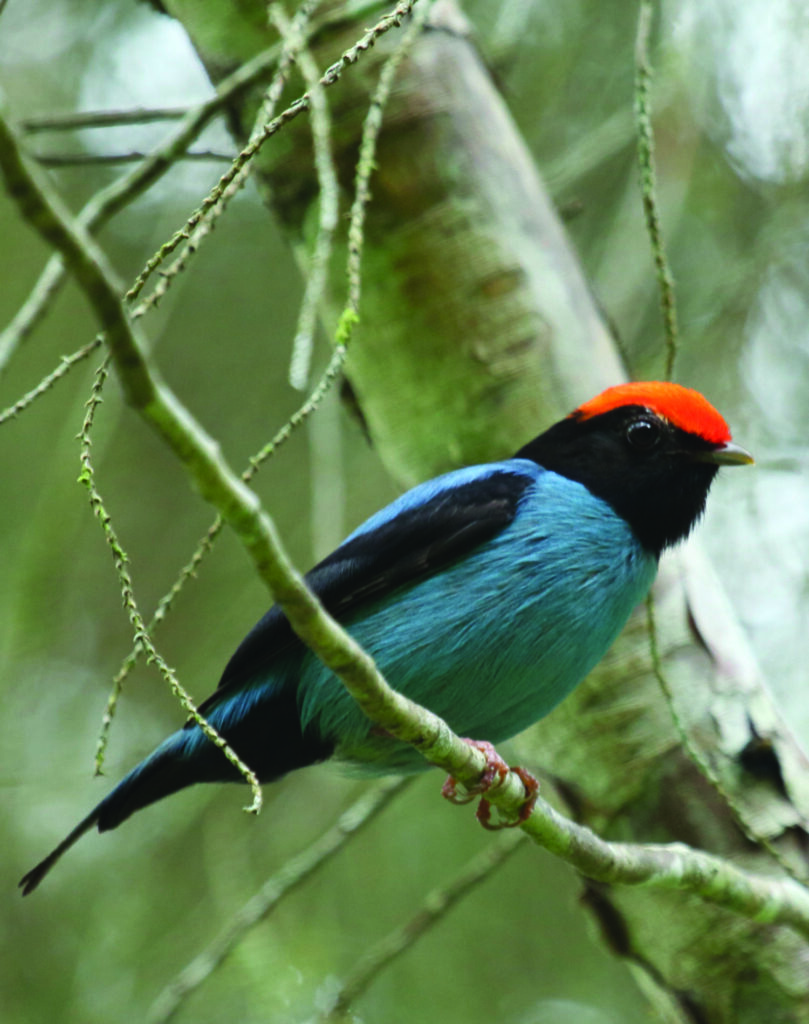
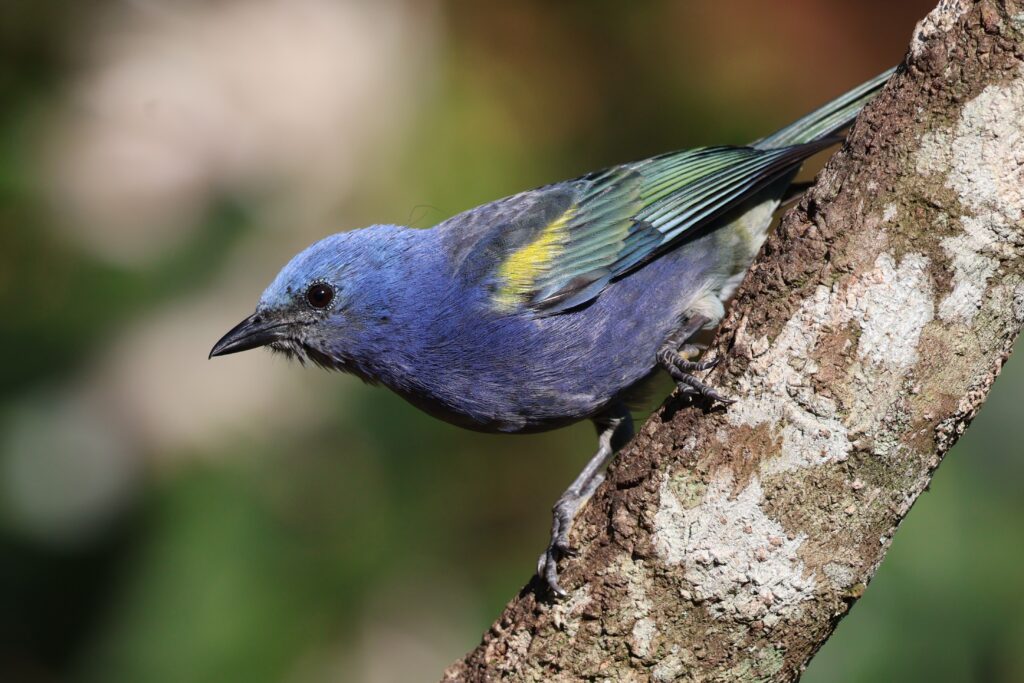
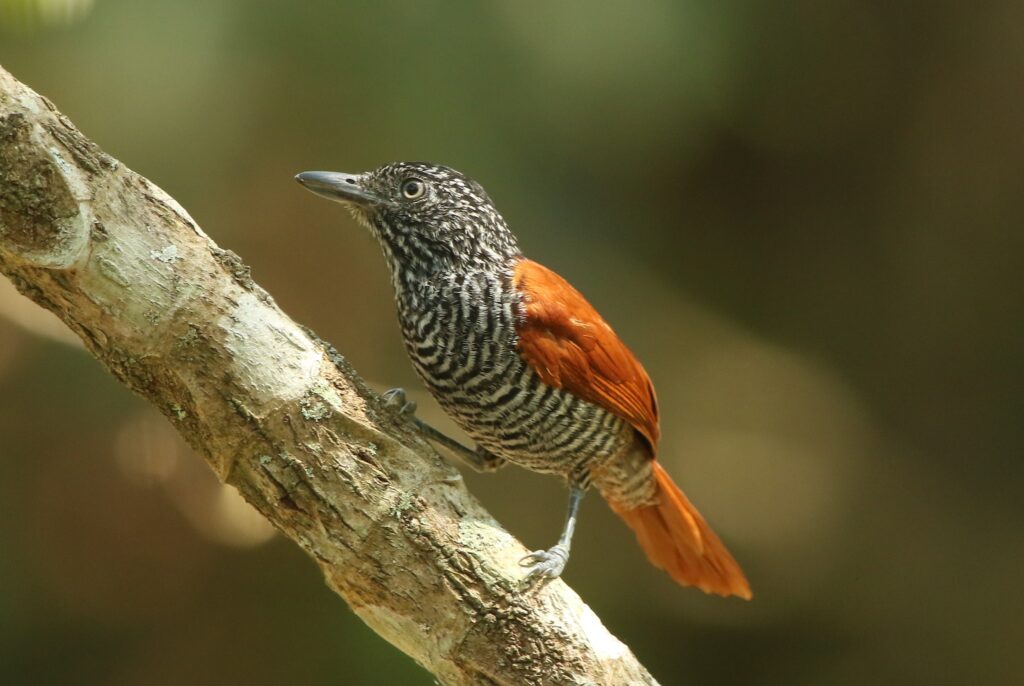
This morning we depart Rio and make the 3hr journey up into the forested hills and our base for the next few days at the delightful Itororo Lodge. Upon arrival at the lodge we will quickly settle in and spend the remainder of the day birding around the lodge feeders and viewing platform. Species we hope to see include Black Hawk-Eagle, Spot-winged Wood-Quail, Maroon-bellied Parakeet, Scale-throated Hermit, Plovercrest, Violet-capped Woodnymph, White-throated Hummingbird, Brazilian Ruby, Black-throated trogon, Spot-billed Toucanet, Yellow-browed Woodpecker, Pallid Spinetail, White-collared Foliage-gleaner, White-throated Woodcreeper, Scaled Woodcreeper, Black-billed Scythebill, Bertoni’s Antbird, Ochre-rumped Antbird, Brazilian Antthrush, Blue Manakin, Pin-tailed Manakin, White-rimmed Warbler, Fawn-breasted, Golden-chevroned Azure shouldered, Ruby-crowned and Brassy-breasted Tanagers, Uniform Finch and Green-winged Saltator.
This full day excursion is aimed at seeing the small number of endemics that exist above 1500 metres. Our day begins with a 20 minute drive to get as high as possible towards 2000 metres in altitude. This depends heavily upon the weather and road conditions. Once at our destination we leave the transport behind for the remainder of the day and start our days birding. As we gain altitude and continue our walk up a steep road we see a change in the habitat, small stunted trees surrounded by bamboo and other low vegetation provide the first areas in which we hope to see Bay-chested Warbling Finch, Diademed Tanager, Blue-billed Black Tyrant and Rufous-tailed Antbird. As we walk further uphill we begin to enter the habitat where we stand a good chance of seeing the rare and endemic Grey-winged Cotinga, Serra do Mar Tyrannulet, Swallow-tailed Cotinga and Black and Gold Cotinga. We shall also try in this area for Brazilian Antthrush and Mouse-colored Tapaculo. Almost at the summit we hope to encounter the rare and endemic Itatiaia Thistletail.
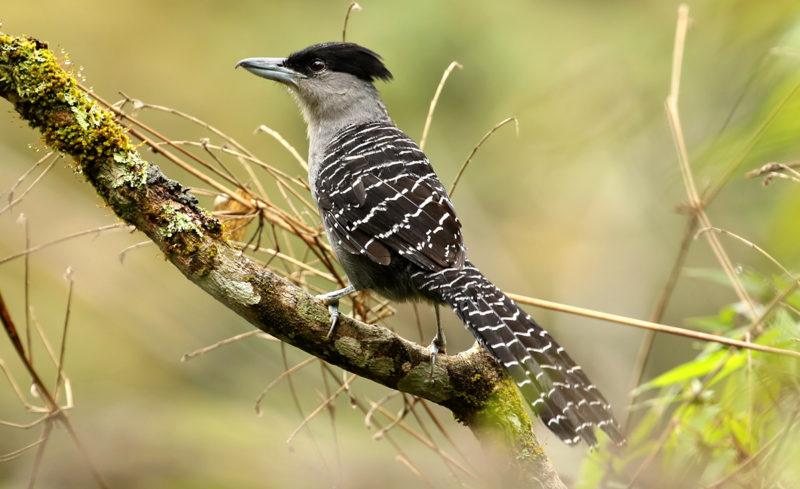
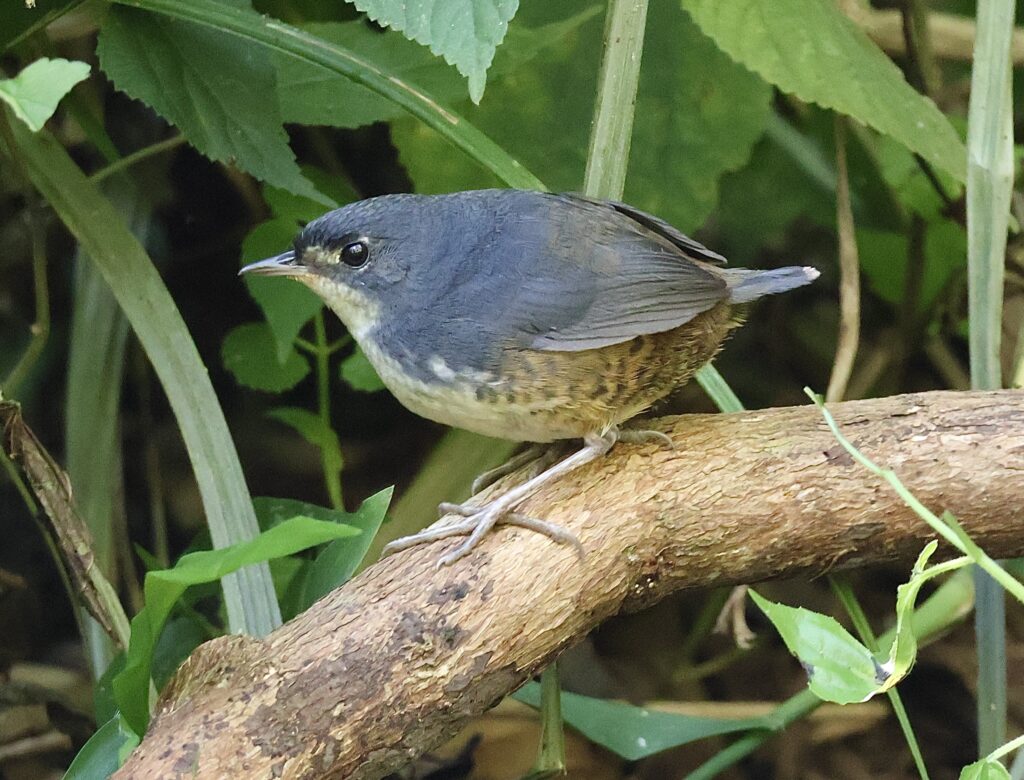
Today we will spend a full day in the Lodge grounds walking the Blue Circular Trail and the Orchid Garden Trail. These two trails offer fantastic birding through native bamboo, primary and secondary forest giving us the chance of seeing many Atlantic forest endemics without even leaving the Lodge grounds! Today we hope to see some of the following species: Brown Tinamou, Dusky-legged Guan, Spot-winged Wood-Quail, Black Hawk-Eagle, Black and White Hawk-Eagle, Barred Forest-Falcon, Maroon-bellied Parakeet, Scaly-headed Parrot, Scale-throated Hermit, White-throated Hummingbird, Plovercrest, Brazilian Ruby, Surucua and Black-throated Trogon, Saffron and Spot-billed Toucanet, Yellow-eared and Yellow-browed Woodpecker, Rufous-capped, Pallid, Grey-bellied and Chicli Spinetail, White-browed, White-collared, Buff-browed and Buff-fronted Foliage-Gleaner, White-throated, Lesser, Scaled and Olivaceous Woodcreeper, Black-billed Scythebill, Giant and Variable Antshrike, Star-throated Antwren, Bertonis, Ochre-rumped and Dusky-tailed Antbird, Rufous-backed Antvireo, Rufous-tailed Antthrush, Cryptic Antthrush, Rufous Gnateater, Spotted Bamboowren, Mouse-colored Tapaculo, White-breasted Tapaculo, Gray-capped Tyrannulet, Gray-hooded Flycatcher, Drab-breasted Bamboo-Tyrant, Gray-hooded Attila, Bare-throated Bellbird (absent April – July), Sharpbill, Greenish Schiffornis, Rufous-crowned Greenlet, Yellow-legged Thrush, White-rimmed Warbler, Half-collared Sparrow, Chestnut-headed, Black-goggled, Ruby-crowned, Azure-shouldered, Golden-chevroned, Fawn-breasted, Brassy-breasted and Burnished-buff Tanager, Uniform Finch and Green-winged Saltator.
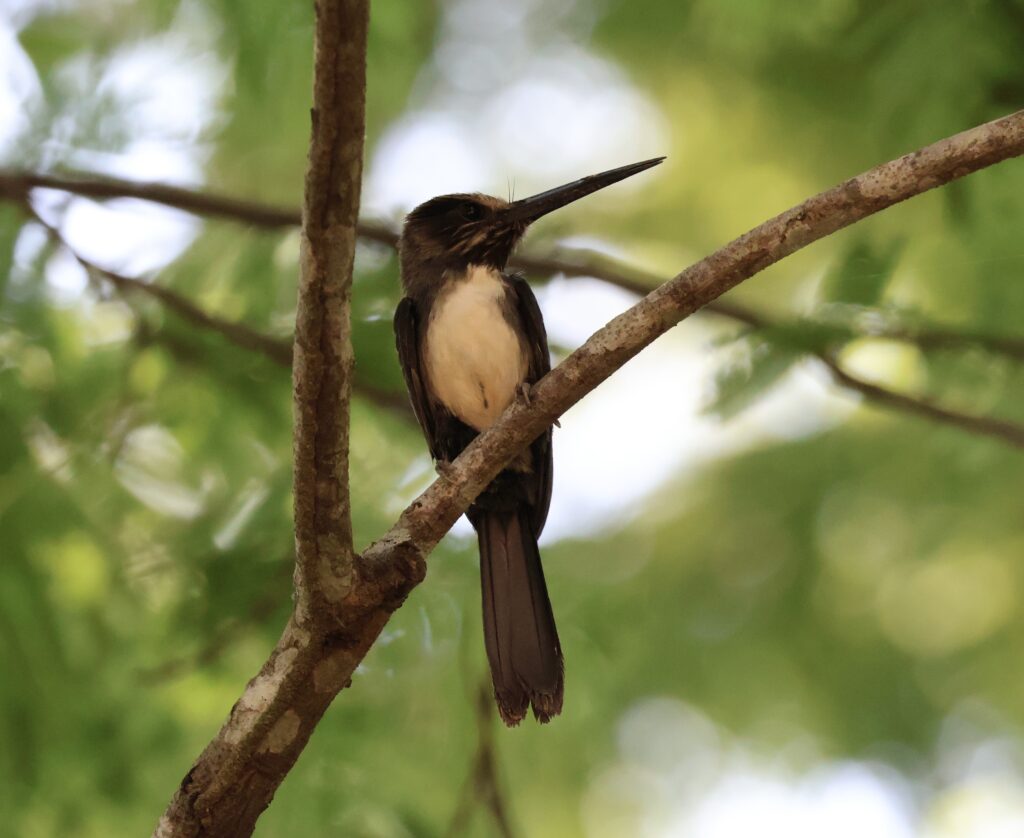
Many birders who visit south-east Brazil go in search of the endemic Three-toed Jacamar. On this full day excursion we visit several sites where this bird is regularly found. Along the way we pass through a variety of habitats and cover a fair distance (140 km) stopping regularly en-route to look for other species. Our target bird is the Three-toed Jacamar (!), however… other birds we could encounter include Whistling and Capped Heron, Lesser Yellow-headed Vulture, Savanna Hawk, White-tailed Hawk, Laughing Falcon, Aplomado Falcon, Red-legged Seriema, Blue-winged Macaw, White-eyed Parakeet, Blue-winged Parrotlet, Striped Cuckoo, Planalto Hermit, Glittering-bellied Emerald, Sapphire-spangled Emerald, Amethyst Woodstar, White-eared Puffbird, Crescent-chested Puffbird, Black-necked Aracari, White Woodpecker, Band-tailed Hornero, Orange-eyed Thornbird, Ochre-faced Tody-Flycatcher, Gray and White-rumped Monjita, Streamer-tailed Tyrant, Yellow-browed Tyrant, Long-tailed Tyrant, White-rumped and Tawny-headed Swallow, Black-capped Donacobius, Curl-crested Jay, Magpie, Hooded, Hepatic, Brazilian and Gilt-edged Tanagers and Hooded Siskin.
We will spend the morning birding again around the lodge starting with another good search for some of the tricky to see birds such as White-breasted Tapaculo, Variegated Antpitta and Rufous-capped Ant-thrush. We should also do a session later in the morning for raptors, as the valley can produce Black and White Hawk-eagle, Mantled Hawk and Short-tailed Hawk once the day warms up. After lunch we return to the forest, as there is always something new to search for – Black-billed Scythebill, Drab-breasted Bamboo-tyrant, Rufous-capped Motmot, Streamcreeper, White-collared Foliage-gleaner and White-rimmed Warbler are all examples of birds that can take a couple of attempts to see! We will have another chance to see the Long-trained Nightjar and Rusty-barred Owl before dinner too.
After a 20 minute drive from the lodge we arrive at the beginning of the track towards Macae de Cima. Depending upon weather conditions we may leave the minibus and take a gentle walk or the minibus will accompany us for the next few hours. Birds we hope to see on this trail include Plumbeous Pigeon, Scale-throated Hermit, Plovercrest, White-throated Hummingbird, Brazilian Ruby, Yellow-browed Woodpecker, Rufous-capped Spinetail, Pallid Spinetail, Orange-eyed Thornbird, White-collared Foliage-Gleaner, Giant Antshrike, Tufted Antshrike, White-bearded Antshrike, Bertonis Antbird, Ochre-rumped Antbird, Rufous Gnateater, Black and Gold Cotinga, Bare-throated Bellbird, Pin-tailed Manakin, Serra do Mar Tyrant-Manakin, Drab-breasted Bamboo-Tyrant, White-rimmed Warbler, Chestnut-headed Tanager, Azure-shouldered Tanager, Brassy-breasted Tanager and Green-winged Saltator. After lunch we will return to the Lodge and then have a final late afternoon session mopping up on any missed species on the white trail – perhaps the Rufous-capped Ant-thrush or Variegated Antpitta will finally reveal itself!
“Brilliant birds, great rapport between leaders, fantastic photo opportunities and friendly staff at the lodge!!”
S.E, Hertfordshire
“A wonderful experience, great leaders, great birds”
C.P, Italy