The Mediterranean Island of Mallorca has long been one of our most popular holiday destinations, with good reason! Some interesting endemic breeding species and a classic variety of Mediterranean birds, plus exciting migration, all complimented by beautiful scenery, great food and a pleasant climate, make our Mallorca Spring birding tour a top choice! And our tour keeps getting better, with a fresh itinerary, new destinations and a fantastic new accommodation to enjoy.
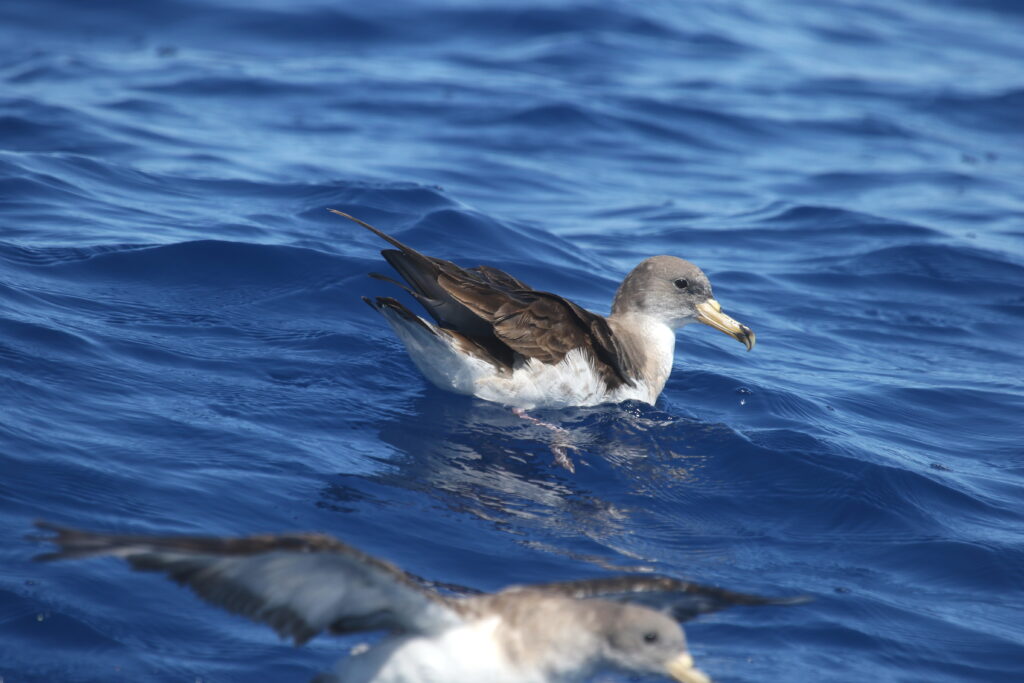
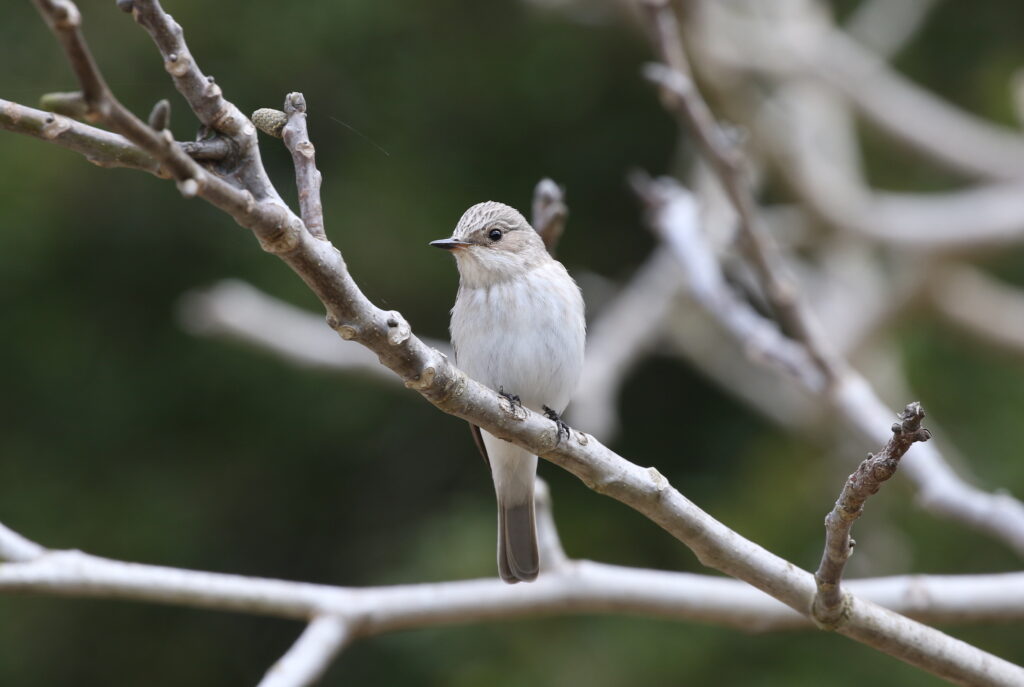
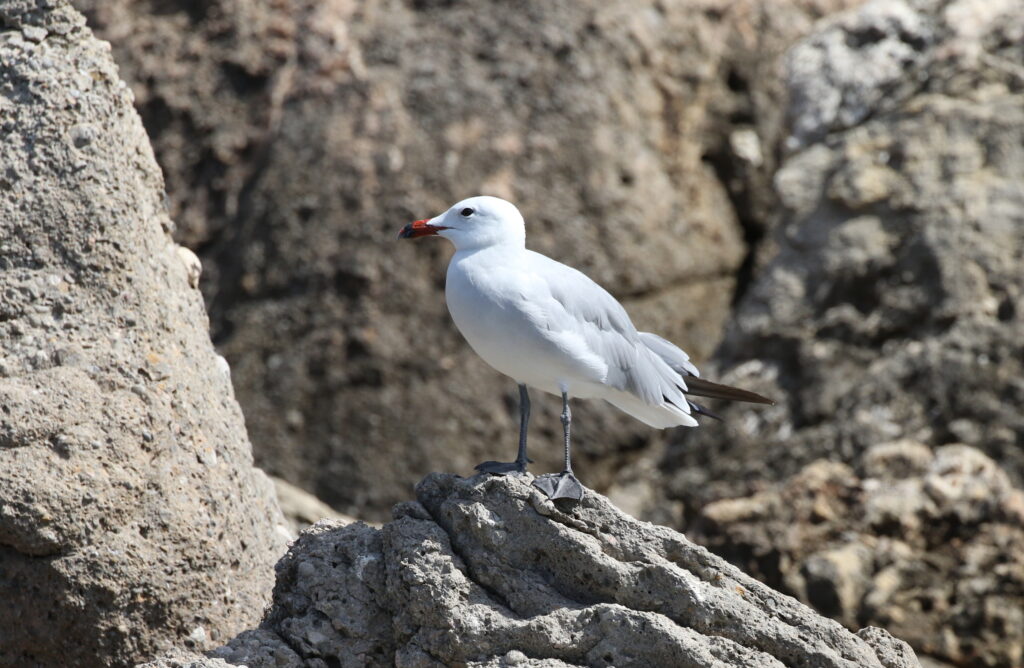
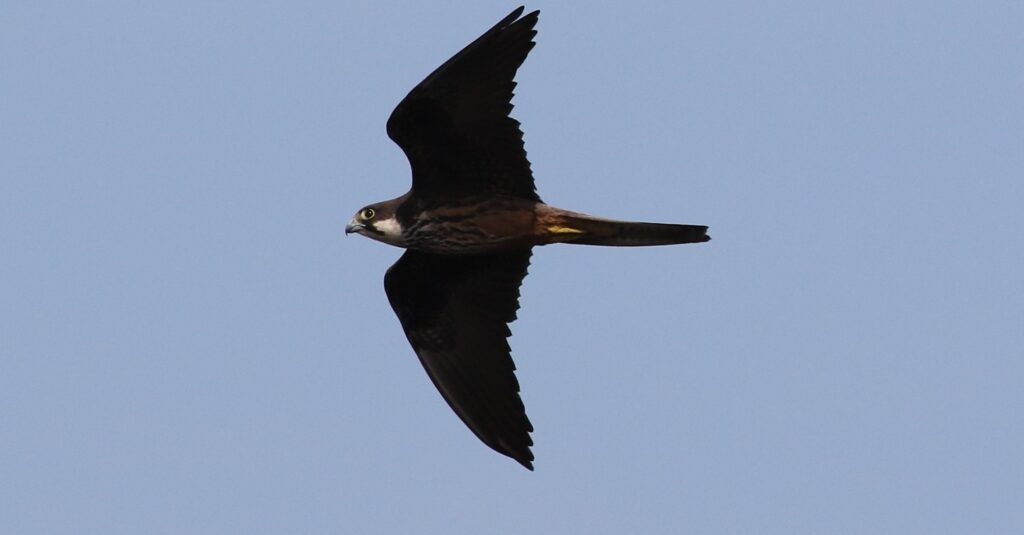
Our spring migration holiday is based at a rural hotel near the town of Felanitx and ideal for accessing all the birding sites across Mallorca. This tour is designed to operate at a relaxed pace, as we spend our days visiting some of the best birding sites on the island and our evenings enjoying a beer or glass of wine over dinner and checklist. An excellent destination to cut your European birding teeth, the island offers unrivalled opportunities for studying migrant birds, but also has its own list of specialities such as Eleonora’s Falcon, Balearic Warbler, Moltoni’s Warbler (newly split from the Subalpine Warbler complex), Balearic Flycatcher (newly split from Spotted), Balearic & Scopoli’s Shearwaters, Audouin’s Gull, Black and Griffon Vulture, Thekla Lark, Moustached Warbler and the Balearic form of Woodchat Shrike. Very special features of this holiday are the visits we make to the islands of Cabrera and Dragonera; both premier sights in Spain for observing migration. Cabrera’s geographical location means it’s a magnet for migrant birds moving north, while the islands track record for attracting rarities is unparalleled anywhere else in Spain. Dragonera is also famous as a hotspot for migration, and our day trip here will hopefully produce a variety of migrants, while we will also hope to enjoy the breeding Ospreys, Eleonora’s Falcons and both Balearic and Moltoni’s Warblers. The fantastic Albufera Marsh is excellent for its many species of heron, egrets and various waders, and also specialities such as Red-knobbed Coot, Marbled Teal, Western Swamphen and Moustached Warbler. The terrain is mostly easy, and you can expect to walk approximately five kilometres per day. You can expect to see approximately 120 species.
DAY ONE
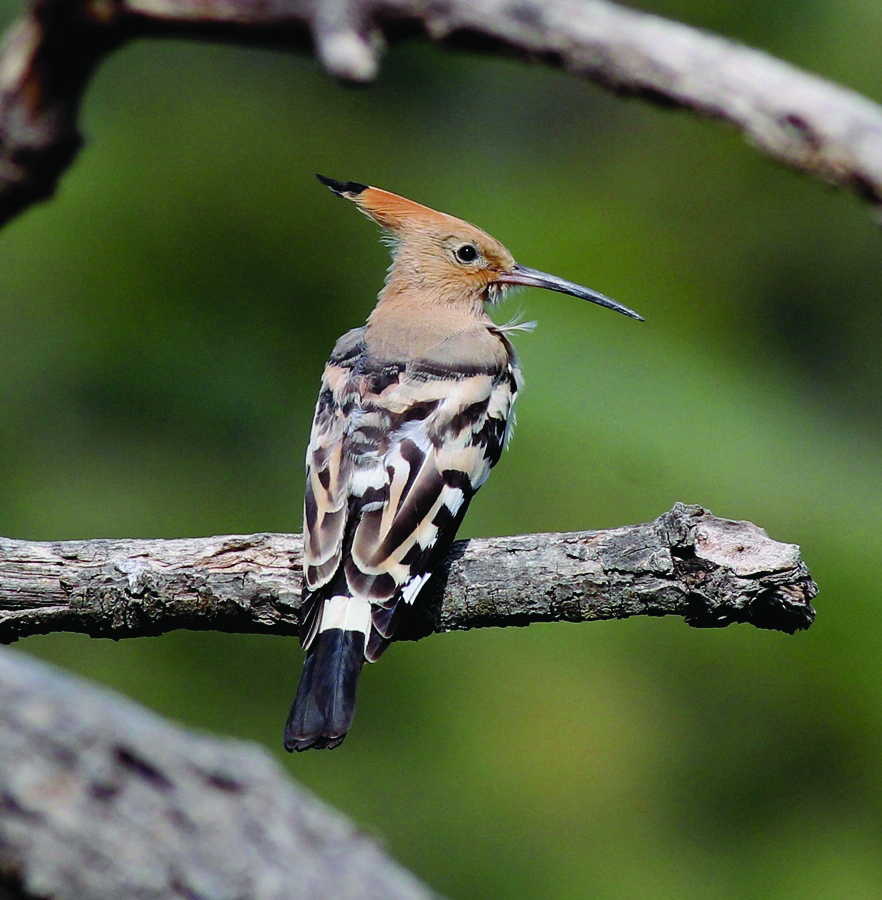
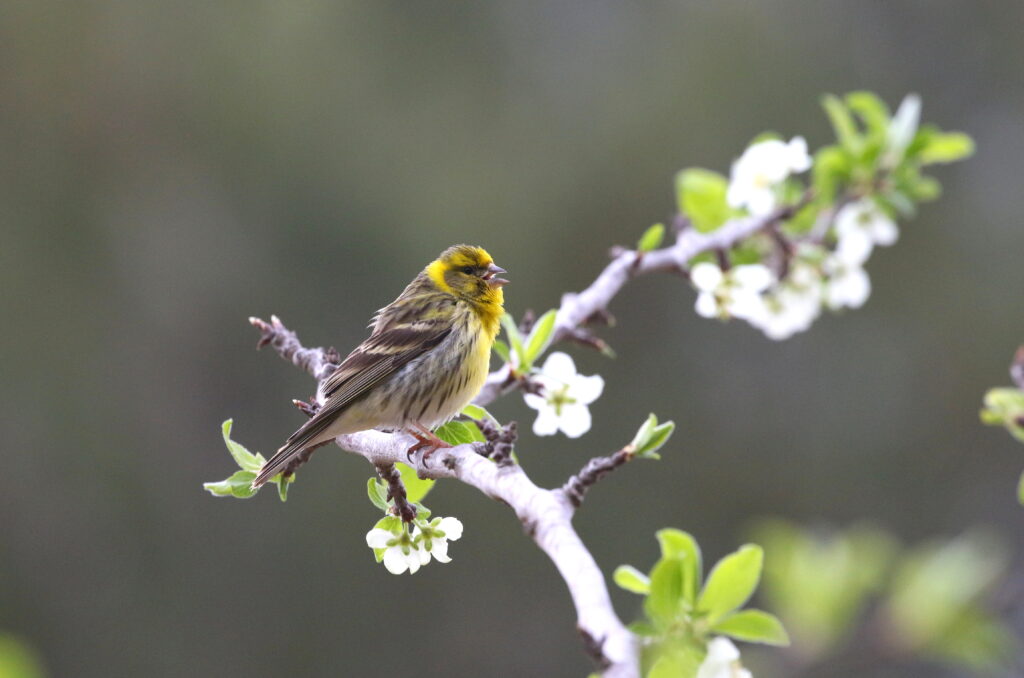
We catch a morning flight to Palma and take the one-hour transfer to our hotel in the south-east of the island. Once everyone has settled in, we can take our first walk around the quiet lanes surrounding the hotel, where we can hope to encounter our first Hoopoes, Nightingales, Wrynecks, Serins, Sardinian Warblers and Balearic Woodchat Shrikes. A dinner will be provided for us each night by the hotel, consisting of delicious traditional Mallorcan cuisine using locally sourced produce. Your evening meals are likely to be accompanied by the sounds of calling Stone Curlew and Scop’s Owl.
DAY TWO
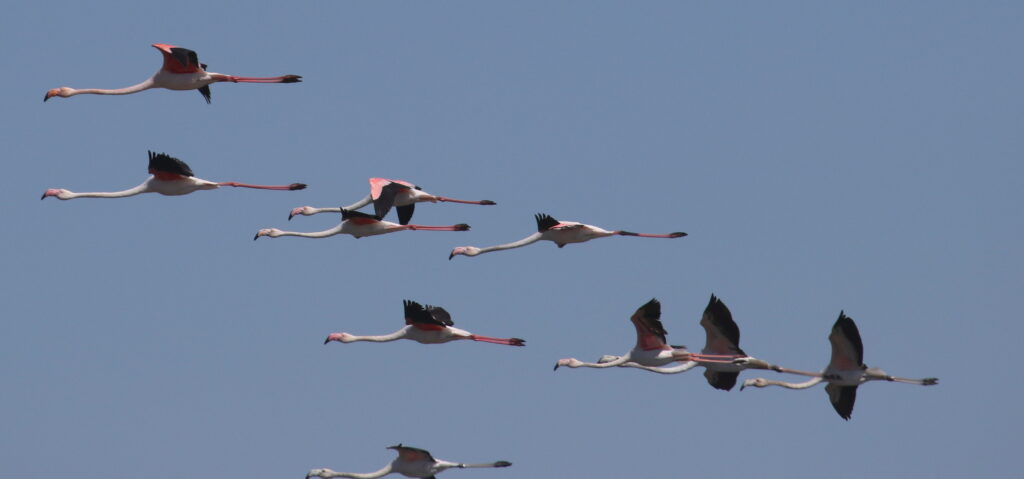
A pre-breakfast walk around the almond, carob and fruit tree orchards surrounding our accommodation might reveal newly arrived migrant species such as Wrynecks, Redstarts or Pied Flycatchers. Resident species such as Cirl Bunting, Wryneck and Hoopoe will entertain while being situated close to the hills of Es Fangar and San Salvador should reveal a selection of raptors including Booted Eagle, and perhaps the locally breeding Bonelli’s Eagles. Staying at such a wonderful site gives us a huge advantage over those based at the main hotels in Puerto Pollença and Alcudia, with good birding right on our doorstep! In addition, being situated in the north of the island places us in close proximity for many of the islands premier birding sites. One of these are the saltpans of Salobrar de Campos, the saline lagoons here being one of Mallorca’s best sites for shorebirds. Greater Flamingo can be found in good numbers, along with an assortment of shorebirds such as Curlew Sandpiper, Temminck’s Stint, Spotted, Wood and Green Sandpiper and perhaps a Collared Pratincole or Marsh Sandpiper. Birds of prey frequently include Osprey, Booted Eagle, Eleonora’s Falcon and Red Kite, while Bluethroats might be discovered in the thick suaeda bushes. Surrounding farmland can be good for Short-toed Lark and Montagu’s Harrier, and also attract migrants. Nearby is the Cap de Ses Salines, the islands most southerly point, and a key site for migratory birds. Also on our doorstep is one of the islands only breeding colonies of Alpine Swifts at Castell de Santuari, where we will also look for breeding Firecrest, Blue Rock Thrush and Crag Martins. At nearby S’algar in Portocolom, we will be in the best site on the Mallorca mainland for Balearic Warbler, and will try to get the best views possible of this endemic warbler. Pallid Swifts breed nearby, while later in the afternoon we will perhaps time our stop here with a local fishing boat, coming into Portocolom with a trail of feeding Balearic and Scopoli’s Shearwaters attracted by the days catch. We will then return to the hotel for dinner.
DAY THREE
Today we will visit the vast expanse of the S’Albufera marshes, just a short drive away. The network of pools and waterways are well served by a variety of trails and hides, while the reed bed here is simply colossal! Our trip list is likely to soar, with bustling heronries hosting Little and Cattle Egrets, Night Herons and Glossy ibis, and the lagoons hosting Kentish Plover, Black-winged Stilt, Common Tern, Red Crested Pochard, Great White Egrets, Purple and Squacco Herons, Cetti’s and Great Reed Warblers and Marsh Harriers. Parties of Yellow Wagtails often pause here, and might include one of the more interesting races, and migrant shorebirds abound. Common Greenshank, Common and Wood Sandpipers, Spotted Redshank, Curlew Sandpiper and Little Ringed Plovers occur, and we will also search for another one of the specialities, Western Swamphen. Rarer still are the few Red-knobbed Coots that occur here, and our other target bird is the skulking Moustached Warbler. S’Albufera is the jewel in Mallorca’s birding crown and one visit really only scratches the surface. There are also several excellent sites around the edge of the main reserve, such as the Depuradora ponds where Marbled Duck can often be seen and passing Whiskered Terns and Collared Pratincoles might be found. There is also a small colony of European Bee-eaters here, and the whole area is good for migrants generally. Returning to our hotel after a superbly varied day, a cold beer by the pool accompanied by the calls of Stone Curlew will be the perfect ending.
DAY FOUR
Today we will drive west to the small seaside village of Sant Elm, our gateway to the spectacular island of Sa Dragonera. The pines surrounding the village could produce the balearic subspecies of Common Crossbill, as well as Firecrest, Black Redstart and Sardinian Warbler. From here we will catch our boat and make the short crossing to Sa Dragonera, likely noting Yellow-legged and Audouin’s Gulls, along with Scopoli’s Shearwater and Balearic Shearwater. This is a new destination for Oriole Birding, recently introduced into our autumn birding holiday, and will be a very exciting addition to our spring tour! Osprey can often be seen fishing in the small island harbour, while Audouin’s Gulls breed here. Balearic Warbler, endemic to the Balearic Islands, can be found here in high densities, while another Balearic speciality is the near-endemic Moltoni’s Warbler which also breeds here and will hopefully also reveal itself. The islands isolated location off the far western tip of Mallorca make it an ideal place to observe migration, and the right weather conditions can result in falls of large numbers of Wheatears, Willow Warblers, Redstarts and Pied Flycatchers, along with species such as Turtle Dove, Melodious, Wood and Bonelli’s Warbler, Woodchat Shrike, Nightingale and Golden Oriole. The island has an excellent track record for attracting rarities, further adding to the excitement! Crag Martin, Blue Rock Thrush and Peregrine Falcon all breed here, while Eleonora’s Falcons also breed here in large numbers, and while it is still early in the season, we can hope to encounter one of these spectacular falcons. Returning back to Aumallia, we may opt to take a walk around the ecological estate to enjoy the resident species and check for newly arrived migrants, or perhaps just chill by the pool before another delicious dinner!
DAY FIVE
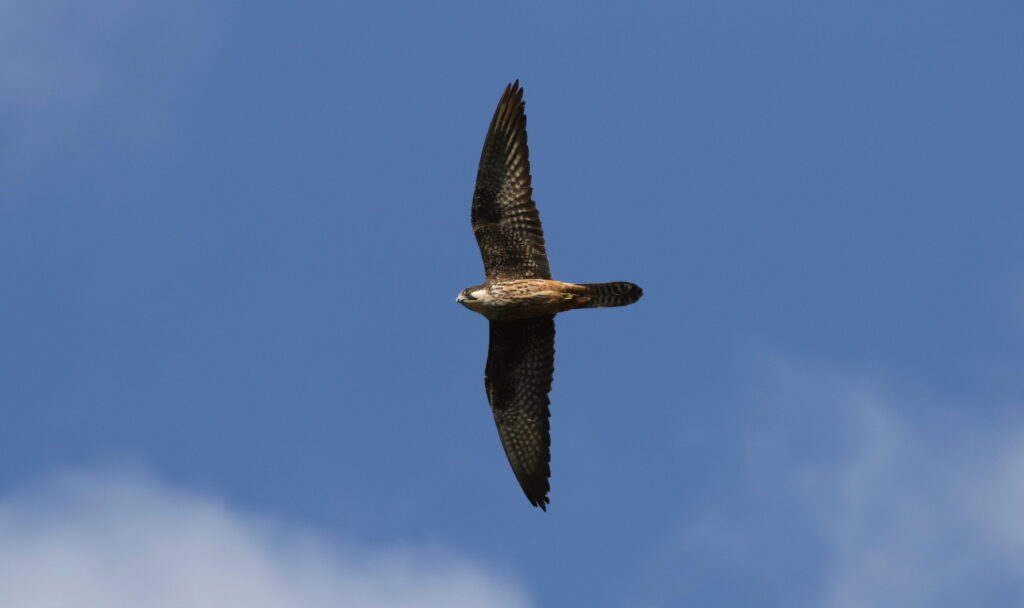
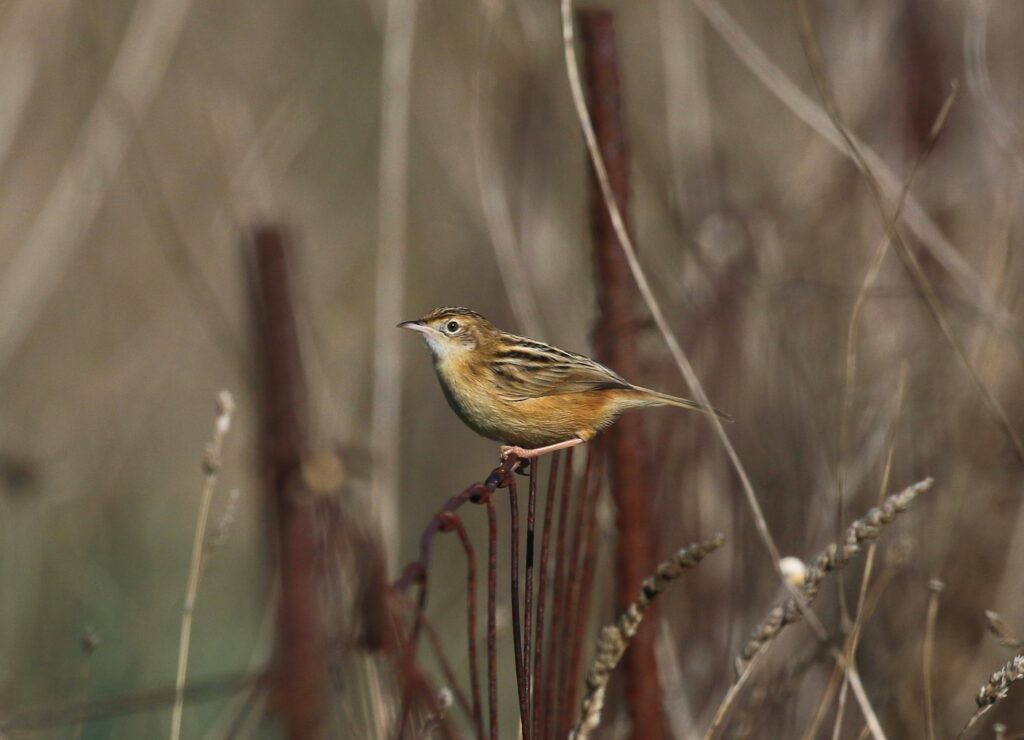
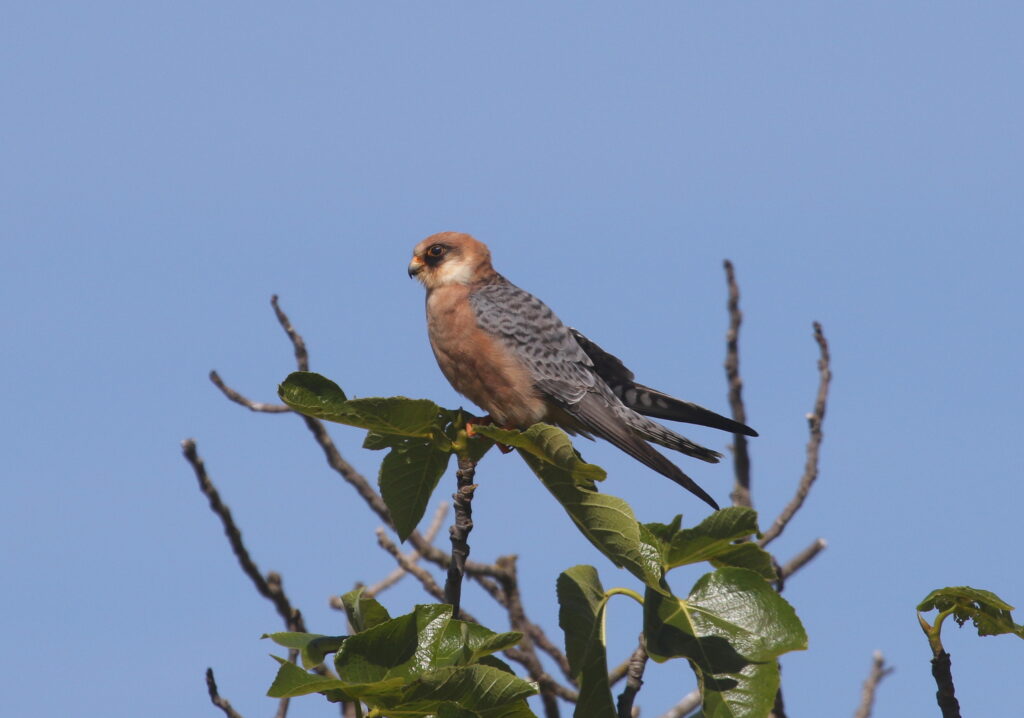
Today we will be making our way into the spectacular World Heritage Site of the Tramuntana mountains. Our journey up will take us through agricultural land where our main target will be Red-footed Falcon. These diminutive falcons pass through Mallorca in very small numbers each spring, and we will be looking for them at their peak time, searching recently cut hay fields which often encourage them to stop over to feed on flying insects. Lesser Kestrels often join the feeding opportunities, while the area also hosts Thekla and Greater Short-toed Larks, Stone Curlew and Quail. Winding our way through breath-taking limestone peaks and valleys, we will stop for a walk through one of our favourite valleys, at Mortitx. A spectacular valley with the Vinyes Mortitx winery at the heart of it, this location is particularly special for giving us the opportunity to see the rare Bonelli’s Eagle, recently reintroduced to the island. This is also an excellent site for both Black and Griffon Vultures, and we can expect to get good views, along with Blue Rock Thrush and Crag Martin. Bee-eaters may be noted passing overhead or perhaps hawking for insects over the grapevines, while flycatchers can be everywhere if a fall has taken place, and a variety of warblers might be found in the surrounding vegetation. Fence lines are checked for shrikes and chats and an eye as always kept on the sky for passing raptors and hirundines. We have previously found the rare Collared Flycatcher in this location so anything is possible! In the afternoon, we will head out again to the nearby smaller S’Albufereta marsh. This can be a good place to see Greater Flamingo and Red-crested Pochard, while Purple Heron or Great White Egret might be noted along with a fishing Osprey and a selection of wildfowl and waders. Zitting Cisticola are common in the surrounding grasses, while Firecrest are frequent in the pines. Audouin’s Gull is also quite easy to see along this stretch of beach, while the nearby Can Cuarassa track holds one of the few colonies of Spotless Starlings in Mallorca and can also be good for migrant species.
DAY SIX
After a relaxed breakfast back the hotel, today’s excursions will be flexible. We may choose return to the saltpans of Salobrar de Campos again; the area being so rich that it is often worth revisiting! At the main pans, shorebirds are a focus, while the large flocks of Greater Flamingo’s will be eye-catching as ever! We will also have the opportunity to catch up with any missed species or new arrivals on the island, whilst perhaps returning to search for Red-footed Falcons near Vilafranca. The Cap de Ses Salines; the southernmost tip of Mallorca, could be worth a visit, as it can be a magnet for migrant species, and also hosts good numbers of Turtle Doves and Balearic Woodchat Shrikes. In the late afternoon we return to our hotel for another great meal, with tomorrow bringing an exciting visit to Cabrera.
DAY SEVEN
Today we have an exciting day in store as we head for Cabrera, just off the southern tip of Mallorca. This island is famously one of the best sites in Spain to observe bird migration and is certainly one of the most stunning locations in the whole of Mallorca. Our previous visits to the island have always blown us away! If time allows we may pay the Salinas at Salobrar de Campos another visit to check for interesting waders, or perhaps a return visit to S’Algar near Portocolom to see if any further migrant birds have arrived overnight, on our way down. Arriving into Colonia de San Jordi, we board a fast boat which takes about 45 minutes to reach Cabrera. We will receive a short boat tour around this most stunning of archipelagos, where we will encounter both Balearic and Scopoli’s Shearwaters, nesting Ospreys and the Mediterranean subspecies of Shag should be noted at sea. Arriving, can then start exploring on foot, going in search of migrant birds – Cabrera is like the Scilly Isles are to the UK! Being a remote island off the south coast of Mallorca, the island acts as a refuge for species making their way north into Europe. Many other rare and scarce birds have been found on the island over the years (we saw a Collared Flycatcher here on the 2018 spring tour, while the arrivals of commoner species which make landfall here can be spectacular if the weather conditions are in our favour. Species such as Willow Warbler, Common Redstart, Pied and Balearic Flycatchers, Whinchat and Yellow Wagtail all occurring in good numbers, while there is also a good chance of Turtle Dove, Eurasian Golden Oriole, Balearic Woodchat Shrike and perhaps a Western Bonelli’s or Melodious Warbler, Eurasian Wryneck or something more unusual. Eleonora’s Falcons again breed here in important densities and we will hopefully get some good views, though it is still early in the year. In addition, we have two key targets. The recently split Moltoni’s Warbler and Balearic Warbler, both of which breed here at high densities. We return by boat to the harbour at the end of an exciting day.
DAY EIGHT
We will have the final morning to explore locally for migrants around our extensive hotel grounds – maybe a repeat of the exciting find of a Black-headed Bunting on our 2022 tour or similar might give us one last surprise! We then make our way towards Palma Airport, where we will catch our flight back to the UK.
WHATS INCLUDED
Return flights from UK/Palma, seven nights accommodation including all meals from dinner on day one to breakfast on the last day, packed lunches, minibus transport, services of guides and reserve entrance fees.
NOT INCLUDED
Transport to/from UK airport and any overnight stay that might be required, travel insurance, drinks and any items of a purely personal nature.
ACCOMMODATION
A luxurious countryside en suite hotel for seven nights.
PASSPORT, VISA & HEALTH
Visas are not required by UK nationals. Passports must have 6 months validity beyond the return travel date. Standard health and inoculation requirements apply for UK nationals, visit www.masta-travel-health.com to check these and if necessary, download a free health brief to take to a travel appointment at your local medical practice.
“We rate this as a 10/10 holiday – an excellent all round package” M & F. S, Leicester