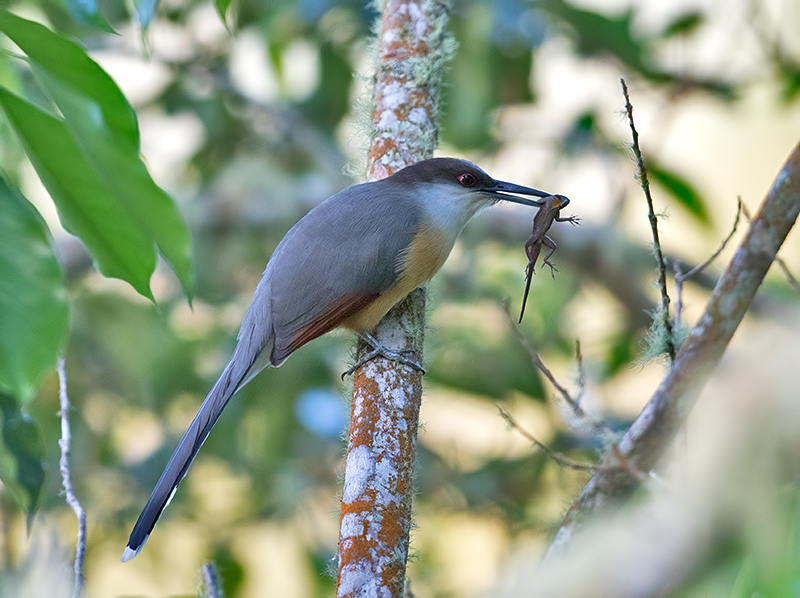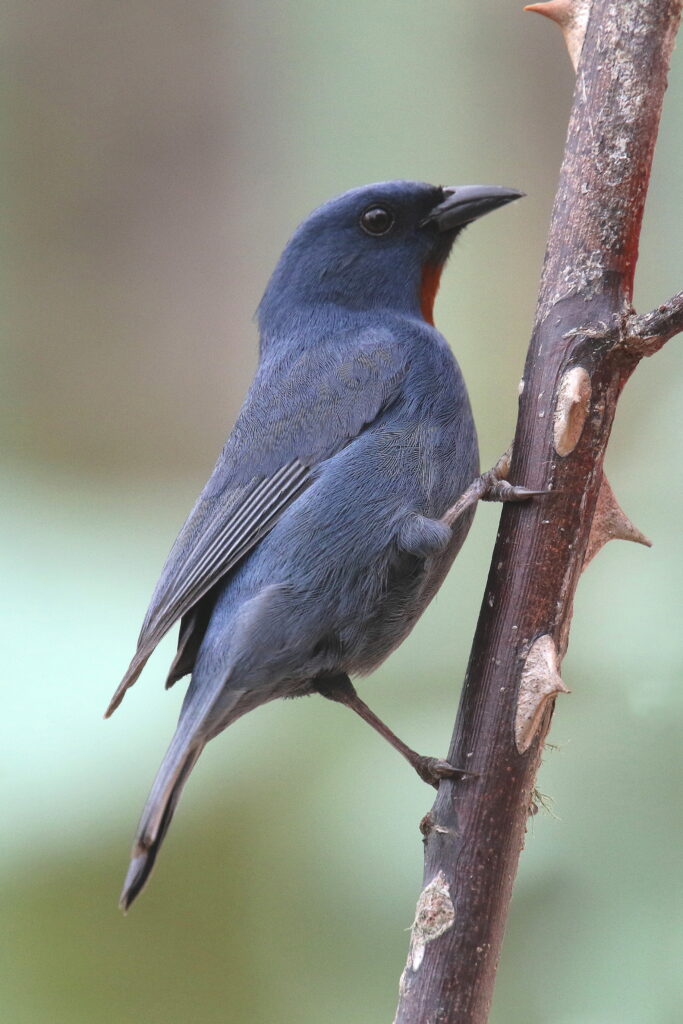
Jamaica is the birding gem of the Caribbean, boasting 29 endemic birds and many other Caribbean specialties… and the best part is that all of them are attainable in a few days of birding. We will take you throughout the island to experience the birds, the food, the culture and the people at a relaxed pace on this 9-day adventure, which builds in plenty of time to enjoy the birds without rushing. We will target all the endemics as we bird the famous Blue Mountains, a UNESCO World Heritage Site, in search of such gems as the Blue Mountain Vireo and Arrowhead Warbler.
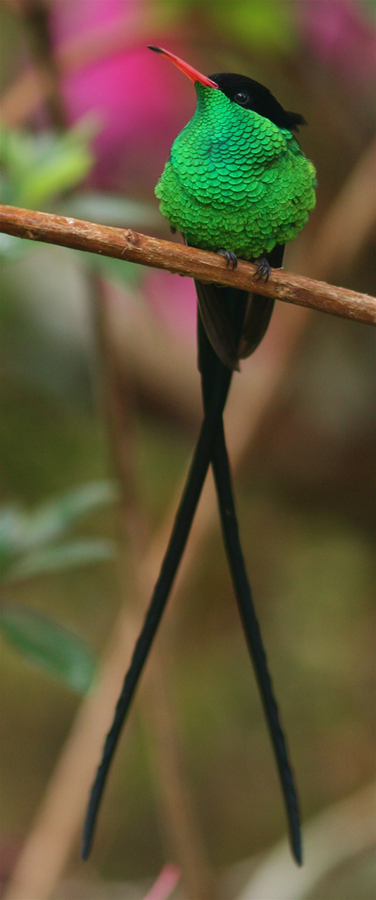
After searching for one of the World’s most spectacular hummingbirds, the Black-billed Streamertail, we head to the Caribbean coast and take a mid-tour break to enjoy the sun, sea and snorkelling if people desire, or just a chance to unwind after some long days in the field. We then crack on in search of perhaps the two most difficult birds on the island – the Yellow-breasted Crake and Spotted Rail. The marshlands we will explore bring a whole new suite of species for us including the West Indian Whistling Duck, an endemic subspecies of Grasshopper Sparrow. By now all 29 endemics should have been seen, plus some fabulous scenery and Caribbean food and hospitality! Ashley Saunders will lead this tour, assisted throughout by local guides.
DAY ONE
Fly London to Kingston direct, arriving in the evening. On arrival in Kingston, Jamaica we will be met at the airport and transported to the Hotel Four Seasons. We will meet our guide and go over the details of the trip. You will have your first taste of local Jamaican cuisine that evening before settling in for the night …the next day the birding begins.
DAY TWO
After breakfast, the group will travel by bus to Hellshire Hills, the extremely dry forest southwest of Kingston, where its unique landscape provides some unique birds and a picturesque setting. This is the only location on this trip where we hope to see the Bahama Mockingbird, a Caribbean endemic. The Jamaican Mango is also plentiful in this area as their preferred feeding plants are the flowers of the Opuntia (prickly pear) cacti. After a break for lunch we make a brief visit to Hope Gardens to see the parrots and some of the easier birds before we will start our journey into the cool Blue Mountains, Jamaica’s only National Park and a UNESCO World Heritage site. We will spend the next 2 nights here, staying at the Starlight Chalet.
DAY THREE
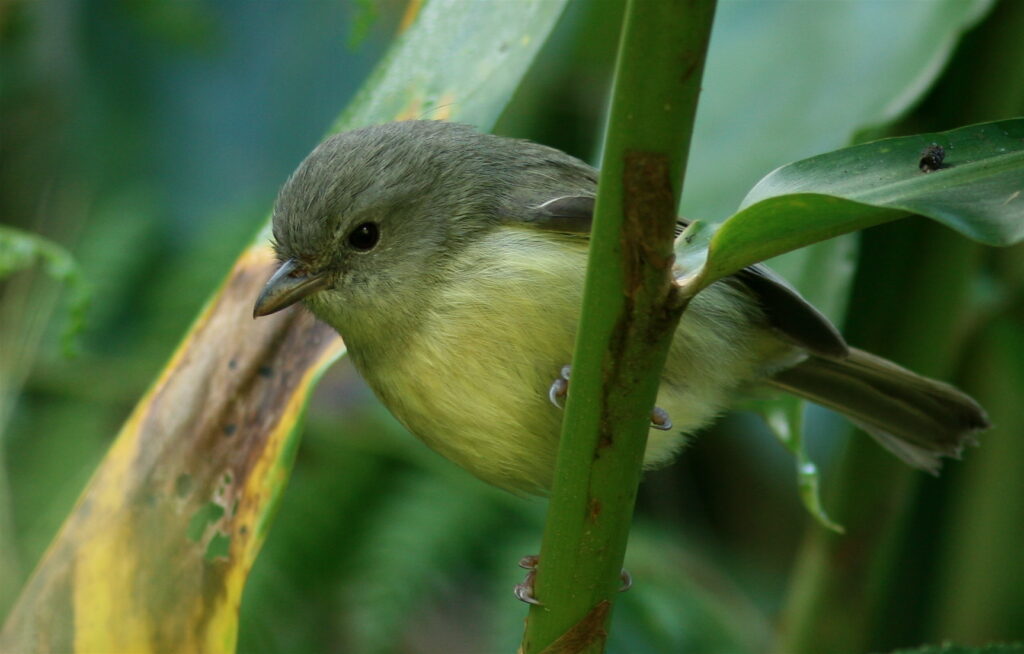
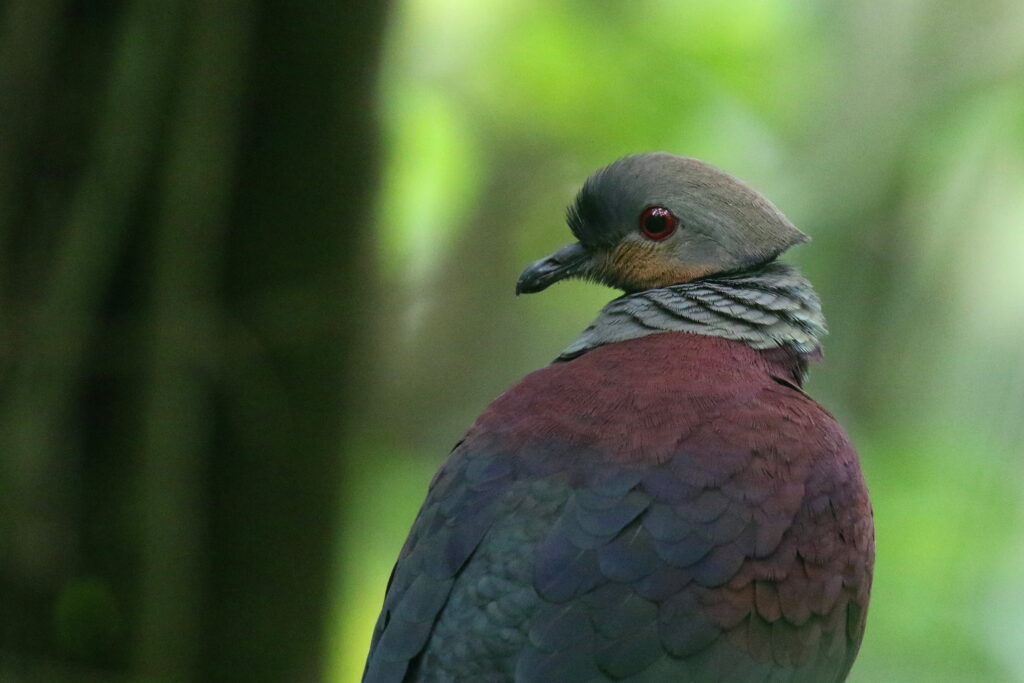
You will be in the heart of the best birding area of the Blue Mountains and we hope to use this full day of birding to unlock all its secrets. While this area does not have the most endemics, instead, what it has is the really rare endemics in good numbers. Our main targets will be the endangered Jamaican Blackbird, the beautiful and secretive Crested Quail-Dove, the elusive Greater Antillean Elaenia, the Blue Mountain Vireo and many more. This is also our chance to see the Arrowhead Warbler. Starlight Chalet will cater for all our needs while we are there.
DAY FOUR
The last morning in the Blue Mountains we will continue to search for any targets that may have eluded us. We may choose to spend just a couple hours or several hours before heading down the mountain via northern valley pass to the north coast. We then head east along the north coast to the parish of Portland. We will check into our lodge at Bay View Eco Resort and explore the forests nearby. You will immediately notice that the trees are greener and taller as you are in a true tropical rainforest. If we played our cards right we would only need to find the Jamaican Crow, Black-billed Streamertail and Black-billed Parrot by this time. No worries though, because if we missed anything we still have a chance to find them here.
DAY FIVE
We have a full day to explore the tropical rainforests but before we go there we will make an early morning journey to the eastern cliffs at Hector’s River with the hopes of seeing White-tailed Tropicbirds that nest there. They are around from December to May but sometimes they are there as early as November so we will keep our fingers crossed. We journey into the rainforest at Ecclesdown Road to find all our remaining endemic birds, namely the Jamaican Crow, Black-billed Streamertail and the Black-billed Amazon; and get more views of some of our favourites from the first few days. Once we are satisfied we will make our way back to the lodge to start our mid-tour break based at a comfortable coastal resort.
DAY SIX
With all endemics in the bag we take the morning off to relax. We will be doing a trip to the beach to dip in the warm Caribbean Sea. There will be opportunities for snorkelling or scuba diving if you so desire. Later that afternoon we make our way back to Kingston where we will spend the night.
DAY SEVEN
This segment of the tour will take us to western Jamaica along the southern coast. We will start by visiting Old Harbour Bay to check the wetlands for Masked Ducks, Clapper Rails, Mangrove Cuckoos and see what migratory shorebirds are gathered on the mud flats. As we head further west we will check a few hotspots for the endemic sub-species of Grasshopper Sparrow that is found on the island. The last stop that afternoon will be at the Lacovia wetlands to search for West Indian Whistling Duck and Masked Duck. Accommodations will be in the town of Black River.
DAY EIGHT
This is the last full day of birding. There are two main targets that remain and they are probably the two most difficult birds on the island. These are the Spotted Rail and the Yellow-breasted Crake. The vast wetland of the Black River Upper Morass is where we will spend most of the morning, while the afternoon will be spent at smaller patches of wetlands as we continue the search for these elusive birds. We spend the final night in Black River and as a group where we will recap the entire week and make preparations for departures the next day.
DAY NINE
This is dedicated to getting everyone to the airport for their flights. Depending on the time of the flights there may be room for a little early morning birding.
DAY TEN
Arrival back to London where the tour will conclude