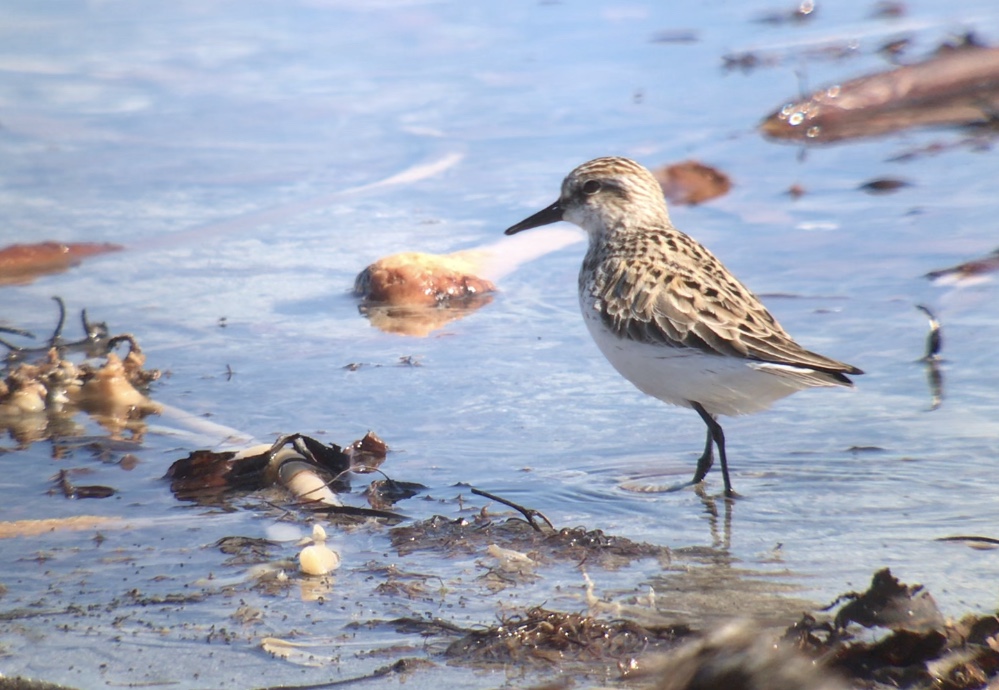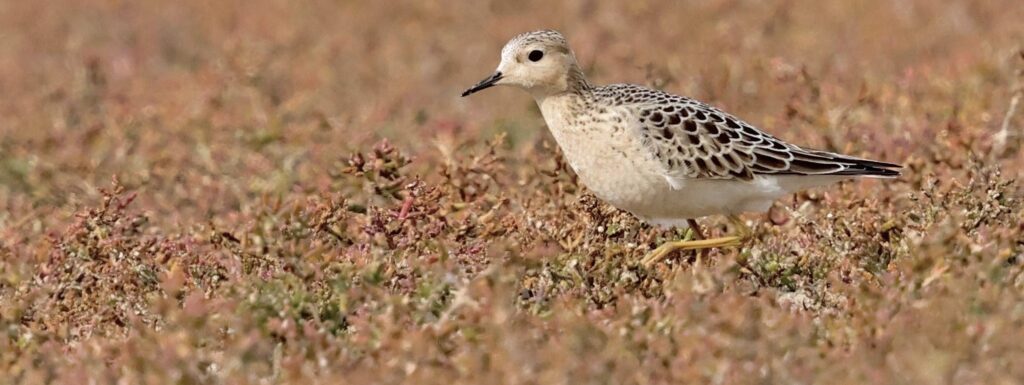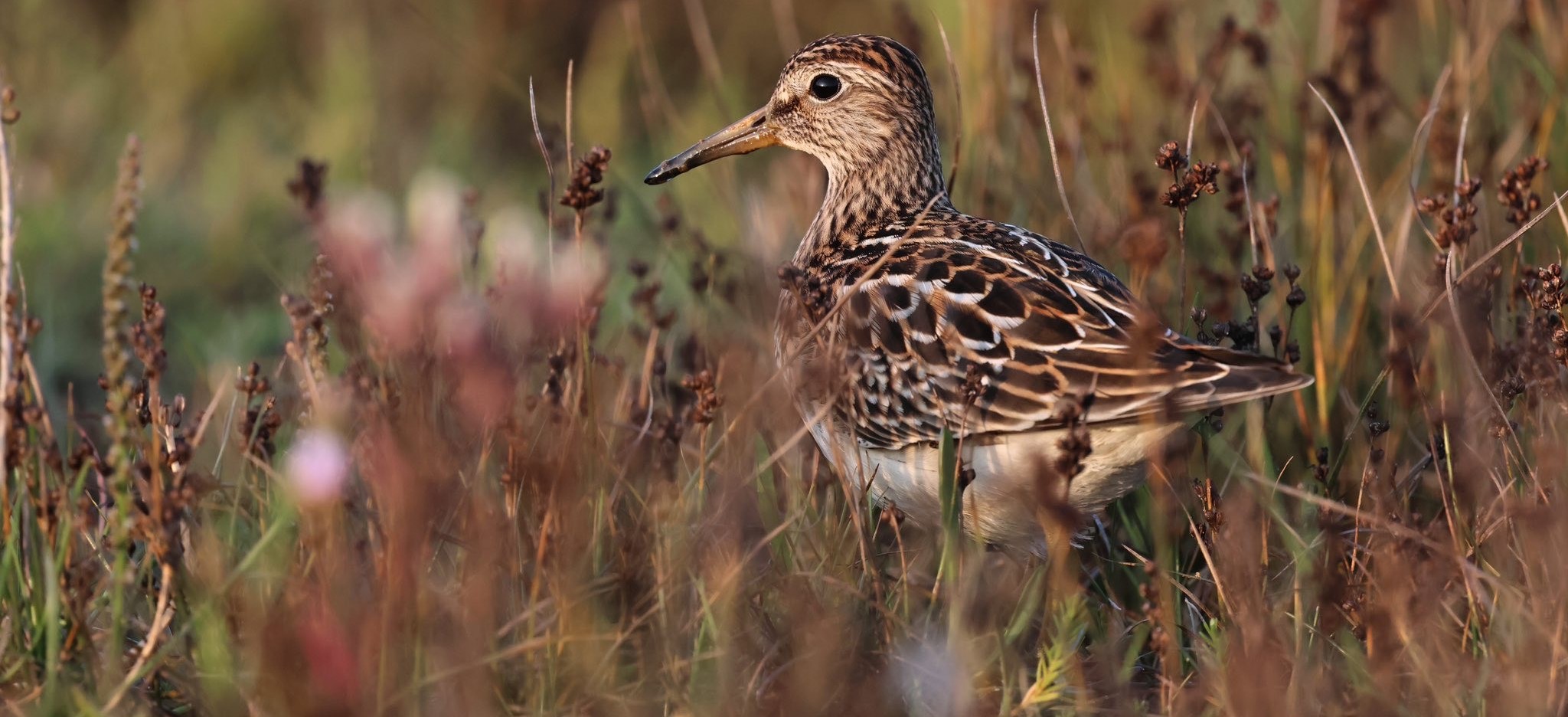
This exciting new tour to our portfolio for 2026 follows on from a successful fact-finding trip by Nick and Ashley in late August 2025 (read the blog post about that HERE). The tour will focus on two main centres known for top birding on Ireland’s West coast, starting with the Dingle Peninsula in County Kerry. Here there are some fantastic wader-watching sites, ranging from beautiful beaches at Ventry and Baile an Reannaigh to large estuarine expanses at sites such as Blennerville and Trabeg. These are all sites synonymous with trans-Atlantic shorebirds and if our trip coincides with fast moving depressions racing across from America, then the sky is the limit! Species such as Pectoral, White-rumped, Buff-breasted and Semipalmated Sandpipers and Lesser Yellowlegs are regular and we will search through the flocks of Dunlin and Sanderling hoping to find a rarity of our own. Curlew Sandpipers and Little Stints also occur and one of the real beauties of birding here is that we are unlikely to see any other birdwatchers! Rare gulls such as Ring-billed, Laughing and Bonaparte’s Gulls are regular too and the key to our success will be checking as many spots as time allows, from our comfortable base in the vibrant town of Dingle – top Irish craic, great food and of course Guinness too!
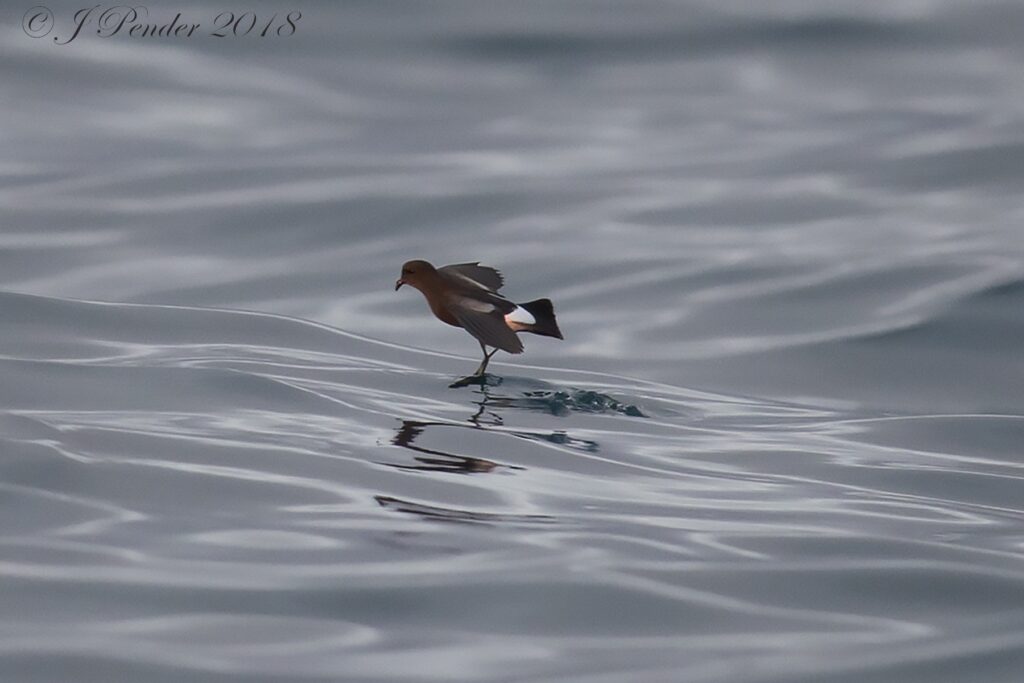
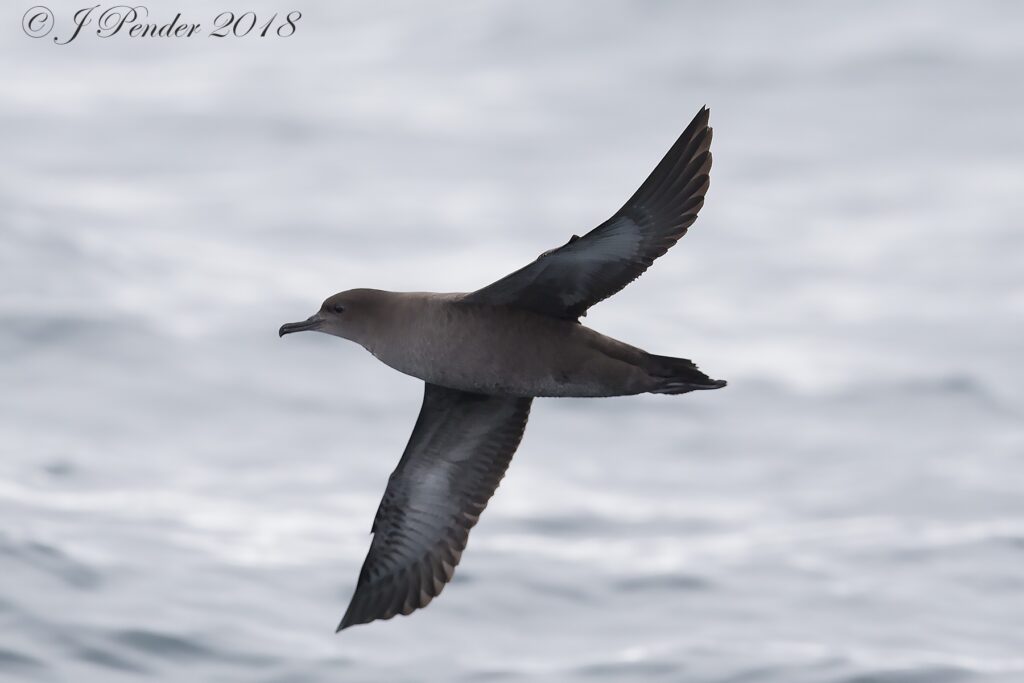
Next we move up to the neighbouring county of Clare, where we are based for a further three nights with a focus shifting more to seawatching. Here of course is the fabled Bridge’s of Ross, where in onshore winds, seabirds can pass incredibly close and in huge numbers. Given the right conditions we might expect to see, among the many Manx Shearwaters, scarce species such as Sooty, Great and Cory’s Shearwaters – but Scopoli’s and Barolo Shearwaters are also seen most years! European Storm- Petrel, Leach’s Petrel and Wilson’s Storm Petrel are all likely to be identified from land here and all four skuas, Sabine’s Gull and Grey Phalarope are all regular too. Occasional mega sightings such as Fea’s-type Petrels and South Polar Skuas also occur in optimum conditions. We have some more great wader sites to check here too, but you should be prepared to spend a lot of time seawatching, probably for several hours per day if conditions are good. Your tour leaders will be Ashley Saunders and Cian Cardiff for this epic adventure.
DAY ONE
We fly London-Cork City arriving in the afternoon and meeting up with our local guide Cian Cardiff. After collecting our rental minibus we set off for the Dingle Peninsula in County Kerry on Ireland’s rugged west coast. Based in the charming town of Dingle for three nights, we will find a vibrant fishing town with good craic, local music and excellent Guinness! Overnight Dingle.
DAY TWO
The Dingle peninsula has a vast range for habitats, from rugged mountains and cliffs to costal estuaries and inlets. In the morning we will check out the beaches around the area of Ventry, where we can spend some time searching the beaches. This site is known for its waders and has played host too many vagrant North American such as Buff-breasted Sandpiper, American Golden Plover and Semipalmated Sandpiper to name a few. Then we will search for some potential migrant and vagrant passerines at Coumeenoule, where we can also scan offshore for seabirds and scan the areas of beach for any waders, depending on the tidal state. We will then move on and check a small lagoon at Burnham which known for its waders and wildfowl. Rarities such as Stilt Sandpiper and Spoonbill have been recorded here in the past. Moving on to the town of Dingle, a site known as Milltown which can produce small numbers of waders and wildfowl and has been known to produce rare gull species over the years, such as Bonaparte’s and Laughing Gull. Overnight Dingle.
DAY THREE
In the morning we will check an area known as Ferriter’s Cove for waders and gulls. This is yet another area that has produced Nearctic waders throughout the years. Then moving back along the coast to search gardens, fields and areas of scrub at Dunquin, which has produced rarities such as, Red-eyed Vireo and Red-throated Pipit. This location is known for its migrant passerines, often with good numbers of Chiffchaff, Willow Warbler and sometimes Spotted and Pied Flycatcher can be found here. Moving onto Smerwick Harbour which has several coves and beaches for waders, gulls and seabirds. We can spend some time exploring the area here which includes, Baile an Reannaigh, Murrioch and Ballydavid. We found a Lesser Yellowlegs on our recent fact-finding visit here but there is a frequent turnover of shorebirds and should be checked regularly during our visit. Overnight Dingle.
DAY FOUR
Today we head north to the next peninsula up in the neighbouring county of Clare. En route we pass two excellent estuarine areas at Trabeg and Blennerville, and we will spend most of the day birding here as there is a real chance of turning up something good. Both Ring-billed and Laughing Gulls were present here in autumn 2025 and there were also sightings of White-rumped Sandpiper and American Golden Plover. With such huge areas of prime habitat, the biggest surprise to us all will be the total lack of other birdwatchers!
Once we reach County Clare, we have the option to check a few well known wader sites if any time remains, such as Rhynagonnaught Bay Beach, Doughmore Beach, Clohaninchy Beach and Lough Donnell – but most likely these will feature over the next two days. Overnight Ennis.
DAY FIVE
Spending the day seawatching, weather permitting, from the world-renowned Bridges of Ross. Vast numbers of seabirds can be seen from the headland here during the correct wind conditions. Species such as Manx, Cory’s, Sooty and Great Shearwater are all regularly observed. Chough and Hen Harrier are often seen regularly here in autumn also. Rare seabirds such as Fea’s type petrel, Wilson’s Storm Petrel and Long-tailed Skua can often be seen while seawatching here. Overnight Ennis
DAY SIX
A morning seawatch from the bridges of Ross and in the afternoon we can search the area of Loop head which is famously known for its vagrant species such as Buff-breasted Sandpiper and American Golden Plover on the vast open fields on the approach to the headland. Vagrant passerines such as Wryneck and even Common Yellowthroat have been recorded here. Searching available cover such as gardens and pockets of scrub and woodland is the tactic most likely to yield results – perhaps we will be fortunate and a repeat of the fast-tracking westerly depressions of autumn 2023 will occur and deliver some multicoloured gems from across the Atlantic for us! Whatever the weather, we will be sure to enjoy some of Ireland’s most spectacular coastal scenery on a tour that will give us a real sense of adventure and discovery. Overnight Ennis.
DAY SEVEN
Today we return to Cork and fly back to London where the tour will conclude.
Six nights full-board accommodation, return flights Stansted-Cork, ground transport and services of leaders
Drinks, travel insurance and any items of a purely personal nature