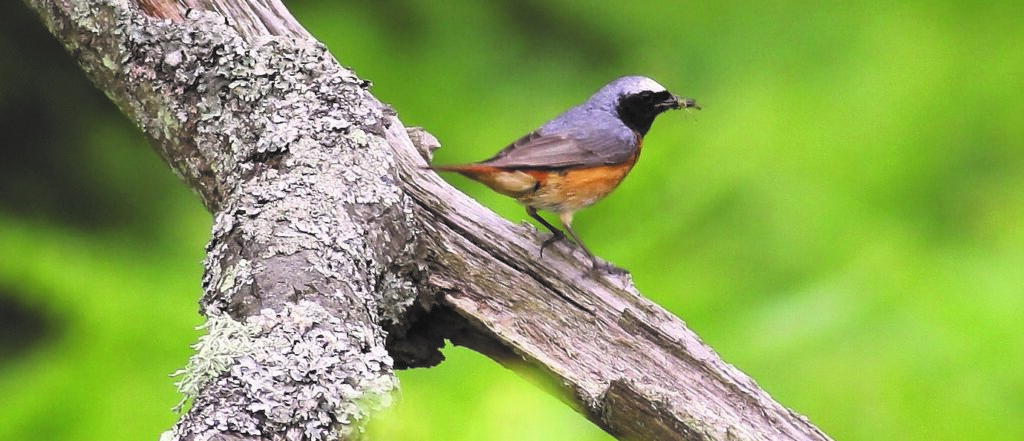
This two base Grand tour of North-east England is six days of action packed birding among some of the most beautiful scenery in Britain. Timed specifically to enjoy the seabird cities in full swing and also to witness the end of spring migration, this tour has everything. We spend the first three nights at Brandesburton in East Yorkshire, conveniently situated to explore the key sites on the coast. This includes the famous Spurn Point where we spend our first days birding, hoping for a variety of migrant waders and passerines. Shorebirds are resplendent in summer plumage while in the dunes and scrub, warblers, chats and flycatchers could be moving through. We have recorded Golden Oriole, Red-breasted Flycatcher, Broad-billed Sandpiper and Red-backed Shrike here in the past!
The Flamborough Head area gives us more opportunities to look for migrants as well as resident Peregrine, summering Common Scoter and breeding Northern Fulmar, Common Guillemot, Razorbill, Atlantic Puffin, European Shag and Black-legged Kittiwake. At Bempton Cliffs, we enjoy a true seabird spectacle as the sight, sound and smell is quite amazing! The cliffs themselves are impressive enough, but the large Northern Gannet colony and breeding Atlantic Puffins are likely to keep us entertained for the afternoon. Hornsea Mere will be our last stop of the day and at this time of year, thousands of Common Swifts and hirundines hawk for insects over its waters and a variety of grebes and wildfowl may be seen.
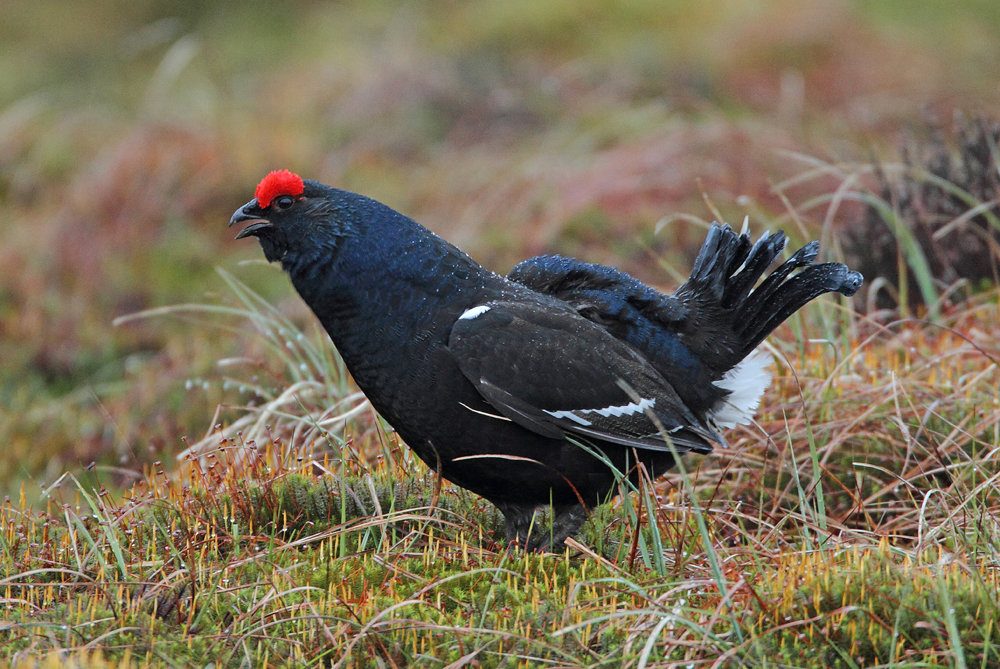
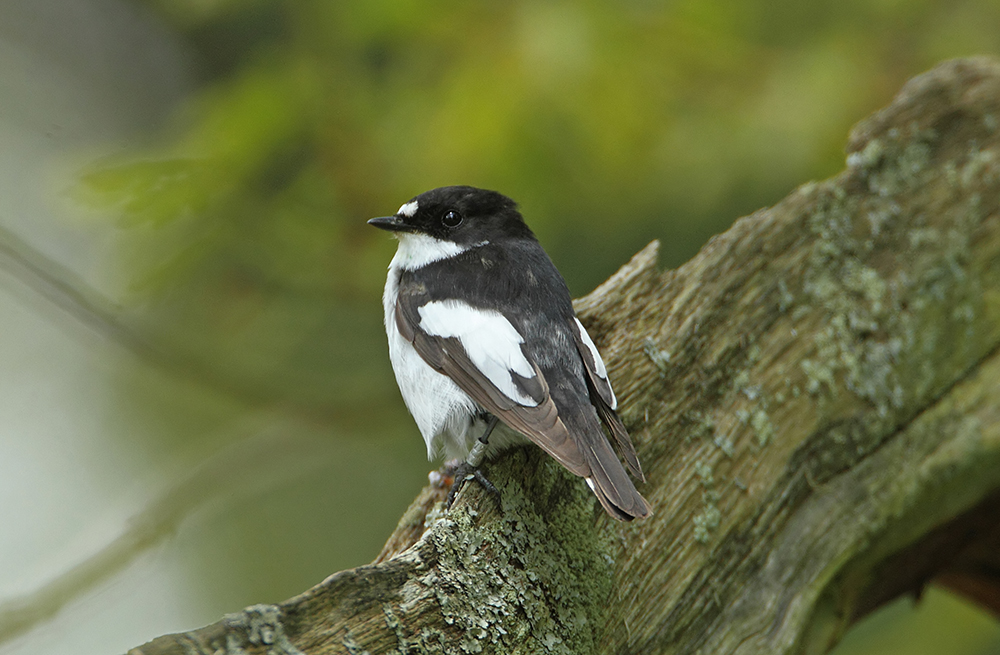
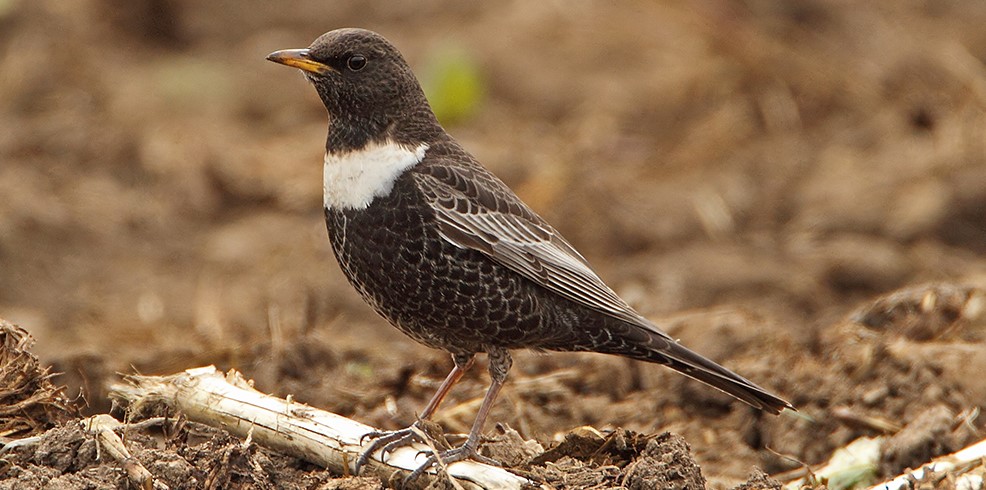
The fells of County Durham are home to the traditional gathering of Black Grouse and it is not unusual to see up to twenty birds in the area, mostly males, and they can be very obliging! Some of the most prolific areas for breeding waders in Britain host Northern Lapwing, European Oystercatcher, Common Redshank and Eurasian Curlew often with chicks at this time. Common Snipe drum overhead and Common Sandpipers frequent the beck, with Dipper and Grey Wagtail often seen. Dunlin and European Golden Plover also breed but are elusive, while scanning the hillside here should produce the scarce Ring Ouzel in its breeding habitat, as well as our first Red Grouse. The classic oak woodland passerines—Common Redstart and Pied Flycatcher, can also be found in this area.
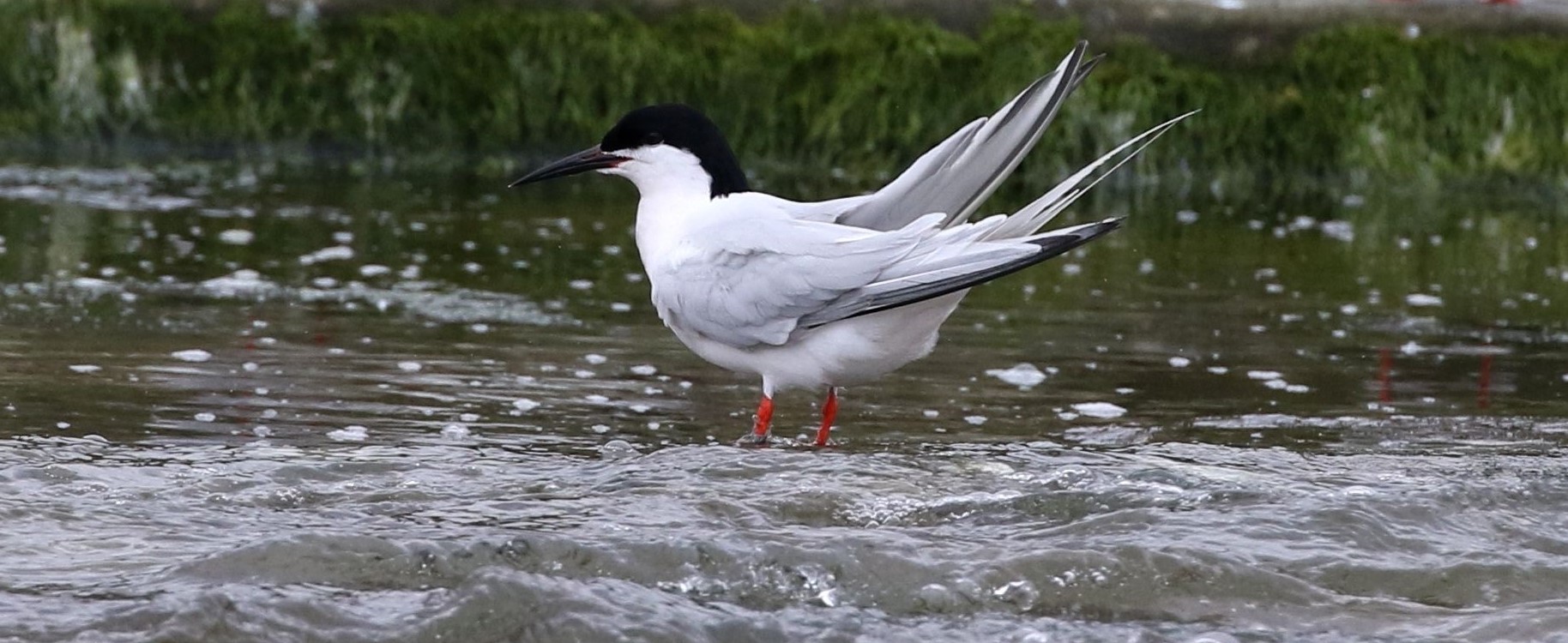
Our second base in Amble is handy for the beautiful Northumberland coast and upland valleys where we search for Whinchat, Common Redstart, Red Grouse and Redpoll followed by our boat out to the magical Farne Islands. The trip from Seahouses takes us on a tour of the islands where we then land on the Inner Farne to visit the Arctic Tern colony, surely one of the most amazing wildlife experiences in Britain! On the coast the Druridge Bay area and its numerous reserves includes Creswell Pond, East Chevington, Druridge Country Park and Hauxley, and we should encounter a variety of gulls, terns and shorebirds with Little Gull regular and passage waders including Whimbrel, Curlew Sandpiper and Common Greenshank are all possible. Our final destination is Coquet Island, where our short boat trip will hopefully take us in close to see the beautiful Roseate Terns on their nesting boxes as well as tens of thousands of Atlantic Puffins and other seabirds. Don’t miss our hugely popular North-east England Grand Tour!
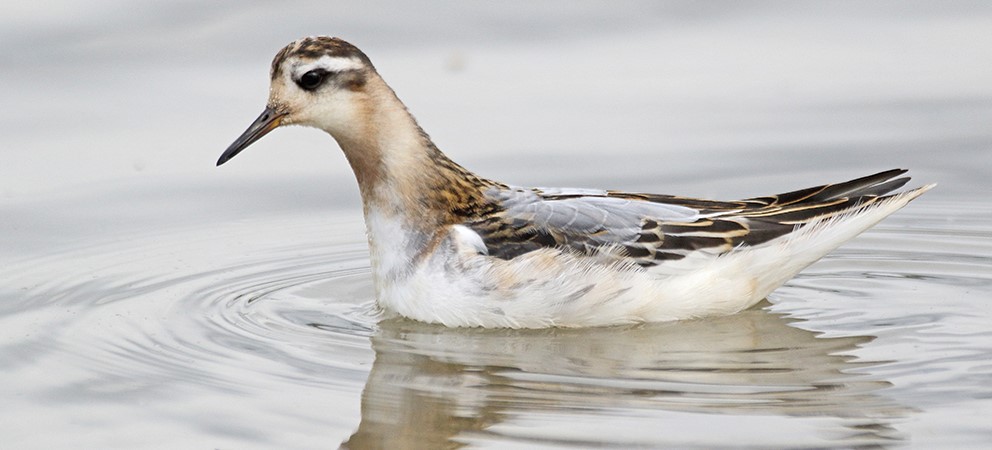
The tour starts at Frampton Marsh RSPB in Lincolnshire from 1pm for a couple of hours birding around lunchtime. Clients can park cars at our Great Ryburgh base, and travel with us in our minibus, or collection is also possible at King’s Lynn station en route. Frampton is an excellent site to start our tour list with a great variety of water birds! Waders can include more interesting species such as Little-ringed Plover, Common Greenshank, Ruff or Black-tailed Godwits in breeding plumage. Rarer species are frequent, such as Red-necked Phalarope, Broad-billed or White-rumped Sandpipers and Temminck’s Stint. Mediterannean and Little Gulls are both frequent on the reserve, and we also have a great chance to find Turtle Dove, Lesser Whitethroat, Cetti’s Warbler, Corn Bunting and Yellow Wagtail. Depart around 3.30pm, continuing north through Hull to our base at in East Yorkshire.
After a hearty breakfast, we will set off for Spurn, where spend most of the day birding along the point that stretches across the Humber Estuary. Migrants at this stage of the season tend to be few in number, but rare or uncommon migrants are a regular feature and we will hope that the weather conditions will bring species such as Red-backed Shrike, Marsh Warbler, Icterine Warbler or Common Rosefinch, though whatever is around, a good variety of birds can be expected. The estuary holds many shorebirds, many in resplendent breeding dress, terns pass offshore and Lesser Whitethroats rattle from the hedges. After lunch, we will amble in the other direction to explore Beacon Ponds and Kilnsea, where once again a range of interesting species is possible including breeding Little Terns & Avocets. On our way home, we will stop in some of the excellent coastal farmland where Yellowhammer, Corn Bunting, Tree Sparrow and Yellow Wagtail abound. Barn Owls are also frequently encountered in the area.
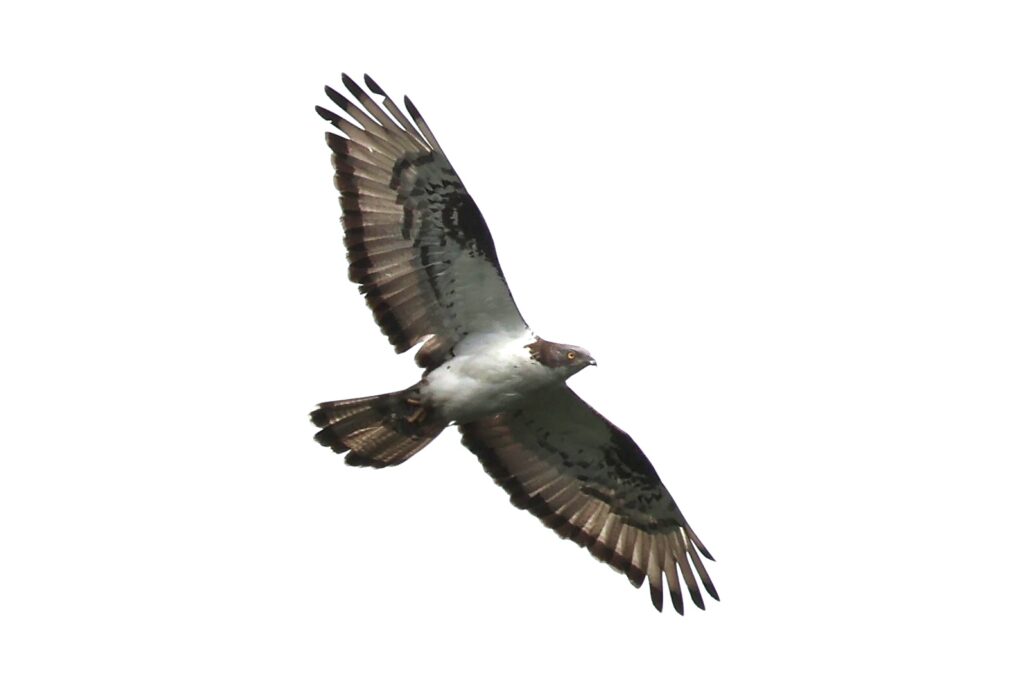
We pass Hornsea Mere on our way to Flamborough Head, and a morning walking around Old Fall Plantation and the South Landing could once again produce migrant birds. Resident breeding Peregrine is likely to be seen and seabirds are a constant feature. The cliffs here hold plenty of Black-legged Kittiwakes in particular, but it is nearby Bempton that lays on the real seabird spectacular. Common Guillemot, Razorbill, Atlantic Puffin and Northern Gannet throng the ledges, the sea below peppered with rafts of auks and the air around pungent with the scent of guano! Birds nest in their thousands here and the site of a squadron of gannets cruising by is truly superb. An oddity is always possible along this coast, and we have seen Icterine Warbler more than once here and Red-backed Shrike on two occasions. In the afternoon, we visit Wykeham Forest raptor viewpoint where we hope to see Honey Buzzard – but also have chances for Goshawk, Raven, Crossbill and Tree Pipit.
We head north this morning and on into County Durham where we make for the beautiful fells of Weardale. This is wild open country and resonates to the bubbling of Eurasian Curlew and the alarmed cries of Common Redshank and European Oystercatcher. In adjacent Teesdale, the fells support the highest density of breeding shorebirds in the Pennines with European Golden Plover, Dunlin, Common Snipe and Common Sandpiper all present. This too is grouse country, and the high moorlands we pass through are very good for Red Grouse. It is the rare and magnificent Black Grouse that we are here for, however, and our site for this species has to be one of the best in Britain for close up views. Since 2004 our counts of Blackcock have reached well into double figures, and we enjoyed memorable views of these increasingly rare birds. And no need to be up at dawn—these birds are active and showy throughout the day! The stream holds Grey Wagtail with Spotted Flycatcher and Garden Warbler in the trees and a walk into the fells here provides our first opportunity to watch Ring Ouzel on its breeding habitat—a rare and exciting opportunity. If time allows we may visit an area of oak woodland for Common Redstart, Eurasian Siskin, Pied Flycatcher and occaisonally Wood Warbler before driving north again for our final destination—Northumberland.
DAY FIVE
Our first day here will start with a drive along one of the many valleys near Wooler, where a couple of hours birding can be truly superb. Common Redstart, Garden Warbler, Spotted Flycatcher, Tree Pipit, Whinchat, Peregrine, Ring Ouzel and Lesser Redpoll are all likely, as well as the commoner woodland birds and Red Grouse. Eurasian Siskin, Goosander, Common Crossbill, Dipper, Grey Wagtail and Common Sandpiper are also some of the species we could expect. By lunchtime, we will be on the coast again, at Seahouses, the gateway to the Farne Islands. From here, we will take a memorable boat trip out to the islands, landing on Inner Farne itself where we witness a breathtaking ornithological experience. Whilst boarding the boat, Common Eider swim just feet away, and as we leave the harbour, the islands come into view and the birds start to appear. As we near the archipelago [which lies about two miles offshore], the first terns and auks can be seen, the latter coating the water and parting ahead of the boat as we approach. Common Guillemot and Atlantic Puffin number tens of thousands, with Razorbill, Black-legged Kittiwake and European Shag also numerous. The ledges of Staple Island are packed with rows of auks and we glide past them in the boat – just metres away. Landing on Inner Farne, we get an hour to wander across the island and witness yet another incredible sight—the Arctic Tern colony! As soon as we step off the boat, the terns start to dive bomb us, nesting by and sometimes on, the boardwalk ahead of us. A hat is recommended to soften the blow, as the birds are relentless when you stand in their territory. The whole island is covered in nesting birds, even the buildings which serve as the wardens quarters having Puffins on the roof and Arctic Terns nesting in the doorways. Sandwich Terns also nest and one or two Common Tern can be spotted, while Eider nests so close to your feet that you can virtually touch them! On the far side, the low cliffs hold very close up breeding shags, auks and kittiwakes , while puffins scurry from their burrows as you walk past. Its not just the birds but the scenery that impresses here, with the wide, sandy beaches and bays interspersed by low rocky outcrops, the Farne Islands looming up out of the waves in one direction and the distinctive shape of Holy Island breaking the skyline in the other. On land, Bamburgh Castle stands proud upon its rock, looking like something from the scene of a fairytale.
DAY SIX
Our last day of birding sees us with another short boat trip and another special bird to see. An hour cruising round RSPB owned Coquet Island allows us to see the very rare Roseate Tern in its English breeding stronghold. About 150 pairs breed, using boxes provided by the RSPB, and if the tides permit we will get to see them at very close quarters as our boat pulls up by the jetty. Many other seabirds will once again be seen—who could tire of watching hundreds of Puffins! This then leaves the rest of the day to explore some superb coastal sites for waterbirds and breeding passerines, and we will visit Hauxley, Druridge and East Chevington during the afternoon. Here, Willow Warbler, Common Chiffchaff, Common and Lesser Whitethroats and Blackcap abound, and Druridge Bay Country Park Lake may hold a Little Gull or Goosander, as well as Bullfinch and Stonechat in the scrub. East Chevington is a busy lagoon for wading birds and wildfowl, with Common Teal, Eurasian Wigeon, Gadwall and Northern Shoveler lingering and flocks of passage shorebirds that could include Curlew Sandpiper amongst the Dunlin. Little, Common, Sandwich and Arctic Terns pause to bathe, and sometimes a Grasshopper Warbler will be reeling from the dune edge behind, a splendid way to end an exciting birding experience.
DAY SEVEN
Following checkout, we set off for our onward journey home.
NB – RARE BIRDS! Over the last 20 years of operating this tour we have seen an incredible list of migrants and vagrants on this tour as follows:- Red-backed Shrike (many), Marsh Warbler (many), Icterine Warbler (many), Pacific Swift, Red-necked Stint, American Golden Plover, Lesser Scaup, Lesser Grey Shrike, European Bee-eater (many), European Roller, Great Reed Warbler (4), Broad-billed Sandpiper, American Black Tern, Ring-necked Duck, Sooty Tern, Nightingale, Red-breasted Flycatcher, Hawfinch, Black-winged Stilt, Golden Oriole (many), Glossy Ibis, Pectoral Sandpiper, Rose-coloured Starling, Red-necked Phalarope, Black-browed Albatross and Common Rosefinch!
Six nights en suite accommodation on dinner, bed and breakfast basis, packed or picnic lunches, ground transport, boat trips, services of leaders and reserve entrance fees.
Travel to/from East Yorkshire, travel insurance, lunches on days one and seven, drinks and any items of a purely personal nature. Complimentary lifts are available from our Norfolk office.
Owing to the different start and end points travel by public transport is inadvisable on this trip.
- North-east 2017
- NE England Grand Tour May 2018
- North-east II 2018
- North-east I 2019
- North East England – The Grand Tour June 2019 II
- North-east Grand Tour – 1st to 7th June 2021
- North-east II 2021
- North-east Grand Tour – 14th to 20th June 2021
- North-east Tour 2022a
- North-east Tour 2022b
- North-east Tour 2023
- North-east 2024
- North-east Tour 2025
- North-east England 2026