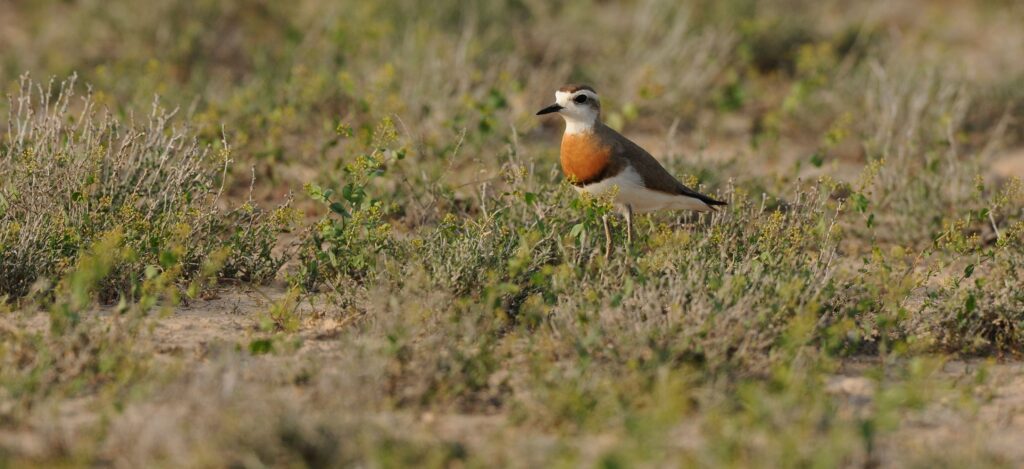
Every birder should visit Morocco. Apart from being a fascinating place with truly awe-inspiring scenery it is home to many species of birds that are difficult or impossible to see anywhere else in the Western Palaearctic. The list is really mouth-watering, especially the desert specialties such as Desert Sparrow, Desert Warbler, Houbara Bustard, Egyptian Nightjar, Pharaoh Eagle Owl, Thick-billed Lark, Temminck’s Lark and Red-rumped Wheatear. And that’s not including other star birds such as Tristram’s Warbler, Fulvous Babbler, Crimson-winged Finch, Atlas (Seebohm’s) Wheatear, Mourning (Maghreb) Wheatear, Scrub Warbler, Audouin’s Gull, Plain Martin, Black-crowned Tchagra and the almost extinct Northern Bald Ibis, not to mention a group of ‘new’ species, or at least likely splits, including Atlas Horned Lark, Maghreb Lark, Maghreb Magpie, Moroccan Wagtail, Saharan Olivaceous Warbler and Desert Grey Shrike. The variety of habitats from stony deserts (hammada), sand dunes, lakes, rivers, estuaries and the immense Atlas Mountains gives it one of the most interesting avifaunas in the Western Palaearctic. So many birds and some of them are famously difficult to locate so it makes sense to go on an organised tour with someone who knows the area and its birds very well indeed. David Gosney is the author of two classic books on Finding Birds in Morocco and is a veteran of over 20 trips there.
One of the special features of this tour is that for many of the most difficult species, we have a number of sites we can visit to give us the best possible chance of finding them. The terrain is mostly flat, but not always level and there are one or two visits to altitude, so a reasonable level of fitness is required. But this is not all about the birds. Situated in north-west Africa, Morocco has for centuries drawn travelers in search of adventure and the exotic…This will add an extra dimension and help to ensure the best possible bird watching tour to this exotic and vibrant corner of Africa, where super weather and a sense of wonder will accompany you throughout. You will no doubt also enjoy the fabulous Moroccan cuisine and some wonderful traditional hotels, some set in Kasbahs and full of character. You can expect to see approximately 165 – 190 species.
DAY ONE
Fly London/Agadir then check in at our hotel. We’ll probably then have time to explore the Sous estuary. Amongst a good variety of gulls, terns and shorebirds, we’ll be looking out for species such as Gull-billed Tern, Mediterranean Gull, Slender-billed Gull, Greater Flamingo, Osprey, Black-crowned Night Heron, Marbled Duck, Pied Avocet, Stone Curlew and Black-tailed Godwit and this is one of best places to see Maghreb Magpie and the often-elusive Barbary Partridge. We end the day searching for Red-necked Nightjar.
Overnight Agadir.
DAY TWO
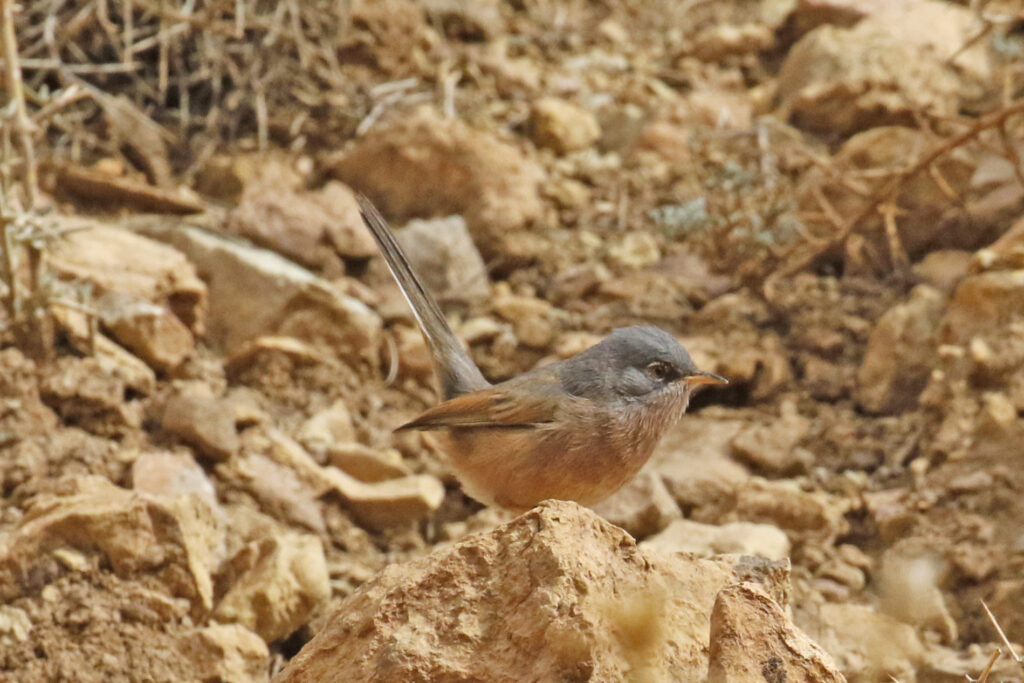
Even around the hotel grounds we are likely to observe Common Bulbul, Sardinian Warbler Blackcap, House Bunting and Laughing Dove, while overhead the flocks of Pallid Swifts often include a few Little Swifts too. Following breakfast, we will visit Tamri and Cap Rhir. The main bird we’ll be looking for in the morning is the Northern Bald Ibis. It’s difficult to know in advance where these birds will be feeding but we usually find at least one feeding party. Even if we don’t, there’s still every chance of seeing some in flight. The estuary at Tamri is also a great place for seeing Audouin’s Gulls and perhaps some other wetland species such as Eurasian Spoonbill and Osprey. A spot of sea watching from Cap Rhir should at least add a few species such as Northern Gannets and Sandwich Terns to our trip list and birds on the clifftops are likely to include Moussier’s Redstart, Black Wheatear and Spanish Sparrow. We’ll also explore the nearby hills in search of birds such as Black-crowned Tchagra, Bonelli’s Eagle and, if we have time, the much-sought-after Tristram’s Warbler, endemic to north Africa.
Overnight Agadir.
DAY THREE
We begin the day at Agadir’s other famous estuary, the Oued Massa. Many birders have expressed disappointment at the lack of birds here in recent times but we’ll be visiting sites further up river where great birding can still be enjoyed. Local specialities such as Moussier’s Redstart and House Bunting should be easily seen and this is one of the best places to find two local specialities, Black-crowned Tchagra and Plain Martin. We’ll be looking for Western Olivaceous Warbler here too and the cultivated areas can be full of migrants at this time. We’ll then drive inland along the Sous Valley, a wide plain covered with Argan trees, a species that dominates the landscape here but occurs nowhere else in the world. When we get to our hotel, we’ll scan from the roof terrace for raptors such as Black Kite, Booted Eagle and the gorgeous Black-winged Kite. This used to be a good site for finding Fulvous Chatterer but in recent years we’ve had to be content with species such as Woodchat Shrike, Western Orphean Warbler and the coastal form of Great Grey Shrike.
Overnight Dar Zitoune, Taroudant.
DAY FOUR
After an early morning walk, a long drive will take us inland to Boumalne du Dades. En route, we’ll no doubt spot a number of roadside birds such as Thekla’s Lark, Black Wheatear, Trumpeter Finch and Desert Lark, but the most exciting bird to look for will be the Maghreb Wheatear, a notoriously difficult bird to encounter. This has now been split from the Mourning Wheatear found in the Middle East, not least because the female looks completely different from the male and this is one of the few places where you might see this species.
Overnight Kasbah Tizzarouine Boumalne du Dades.
DAY FIVE
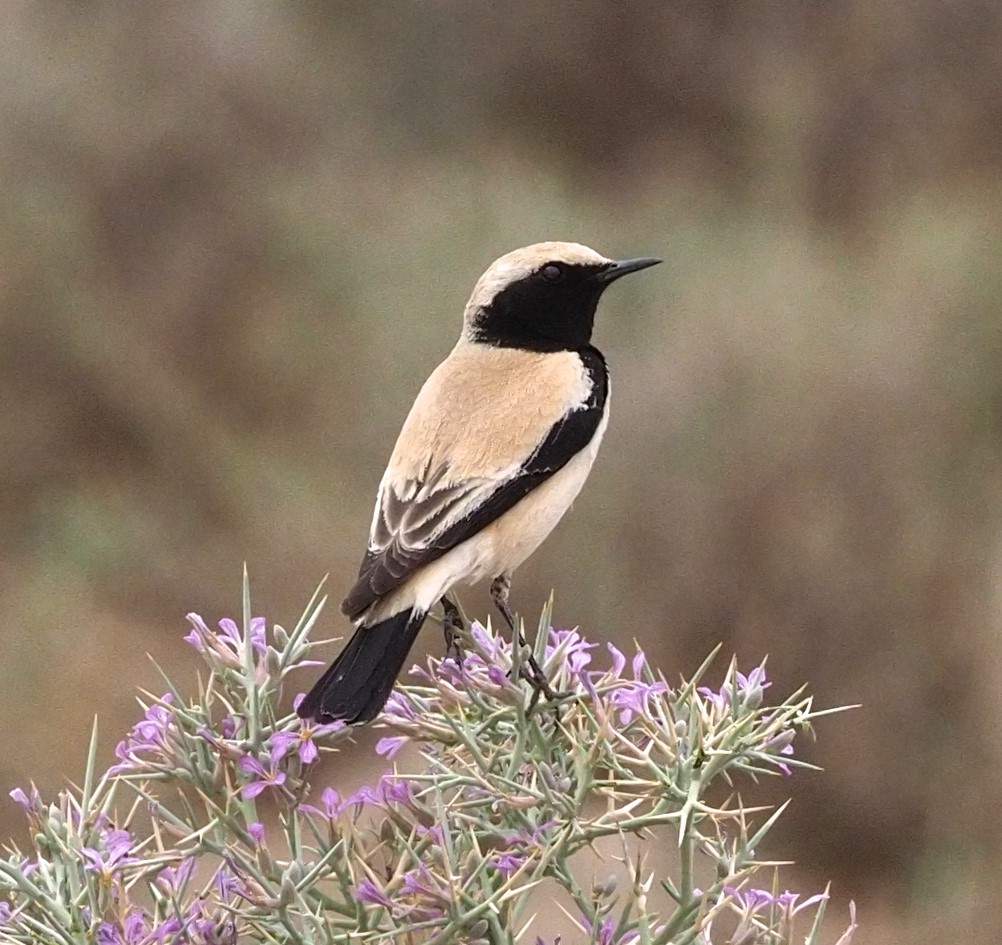
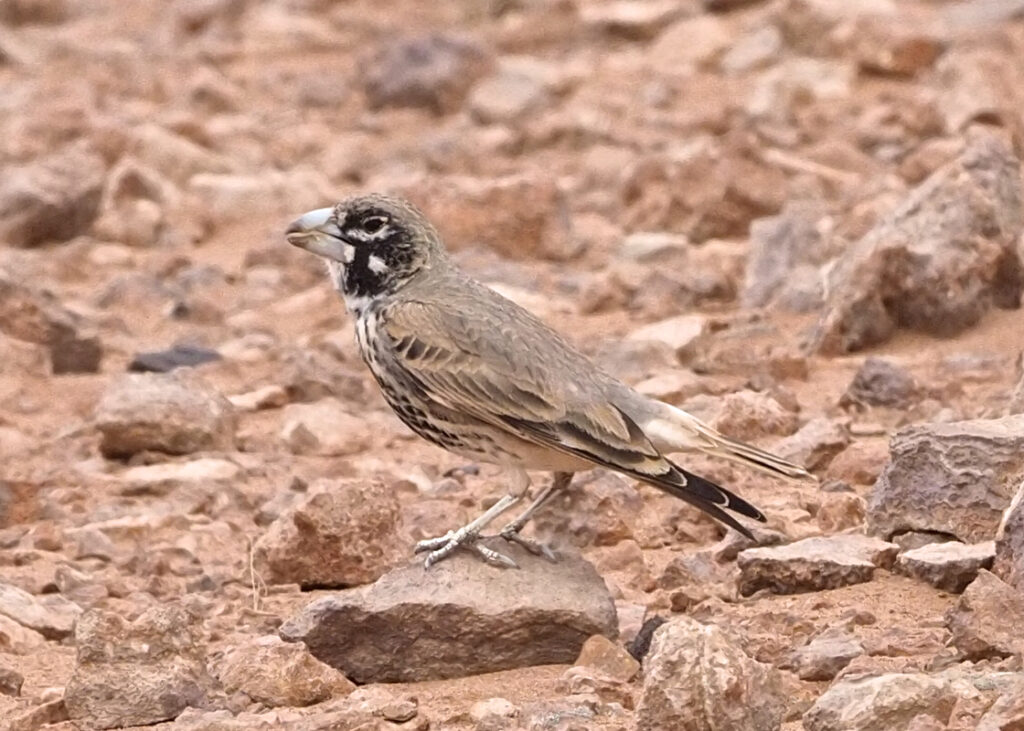
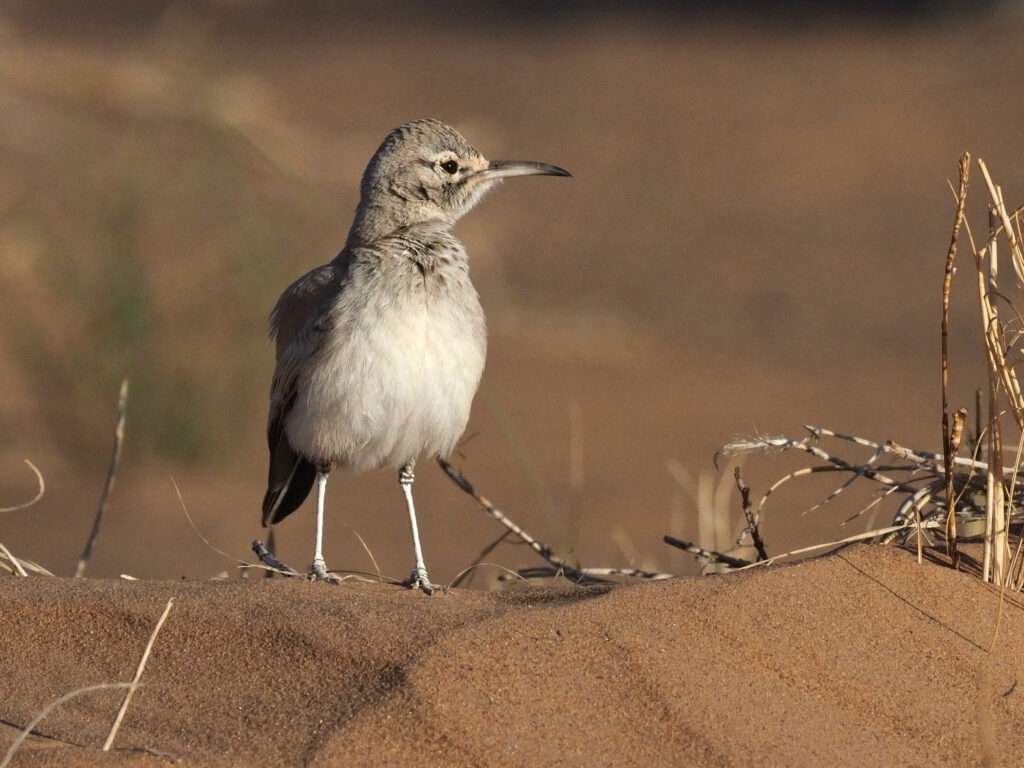
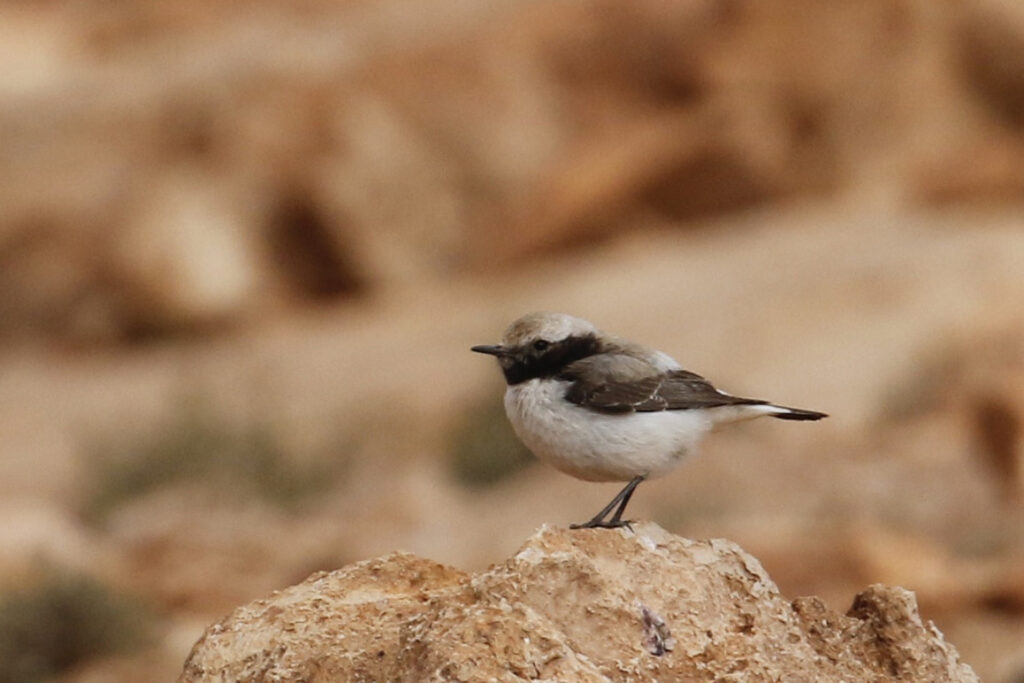
The morning will be spent enjoying the sights and sounds of larks and wheatears in the desert along the Tagdilt track- a rather ordinary-looking piece of stone desert which may seem empty of birds but which can be simply fantastic for larks and wheatears. Here we should at least encounter our first Temminck’s Larks, Desert Wheatears and Red-rumped Wheatears, but we also hope to find the spectacular Greater Hoopoe Lark, singing ‘God Save the Queen’ before leaping into the air to flash its black-and-white wings. Birds such as Cream-coloured Courser and Thick-billed Lark are highly nomadic, so they can be numerous in one year but absent in others but we usually manage to find both species. Sandgrouse are regularly seen here, especially Black-bellied but this is one of the most likely spots for seeing Crowned and Pin-tailed Sandgrouse too. We’ll be checking places where all of these species have been seen on the ground. This is also a good area for raptors such as Lanner and Long-legged Buzzard. Later we’ll visit the impressive Gorge du Dades, where we’ll see species such as Crag Martin and Blue Rock Thrush but Bonelli’s Eagle and Tristram’s Warbler also breed here.
We’ll also check out a site for Pharaoh Eagle Owl which also gives us another chance to look for Maghreb Wheatear.
Overnight Kasbah Tizzarouine Boumalne du Dades.
DAY SIX
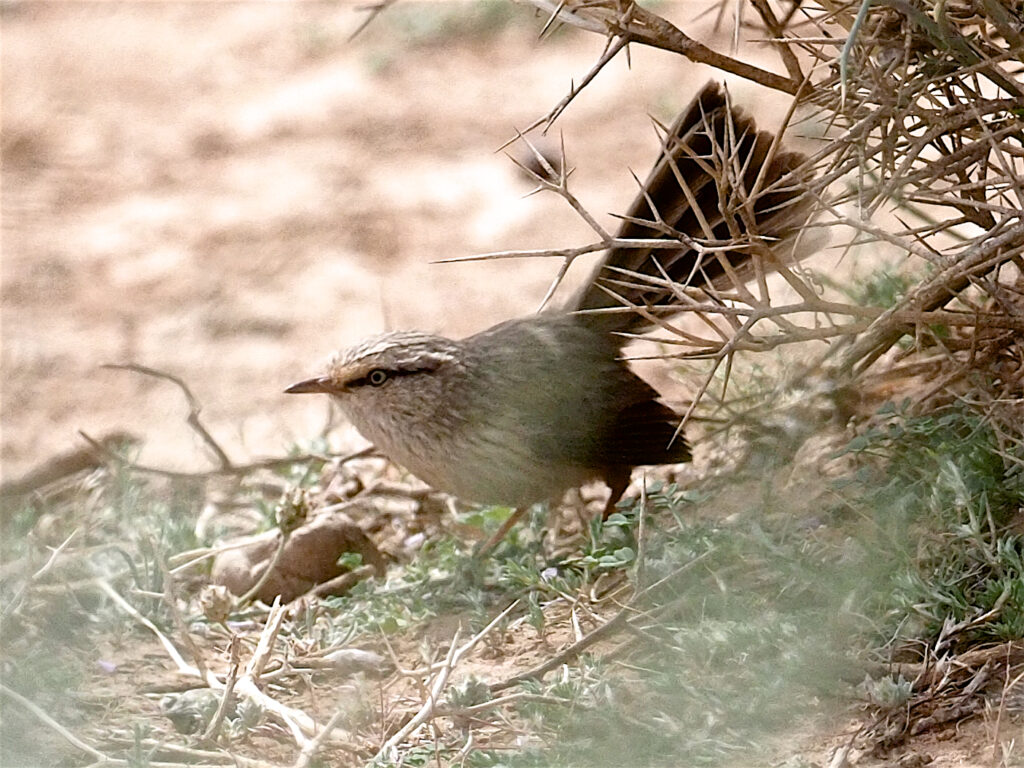
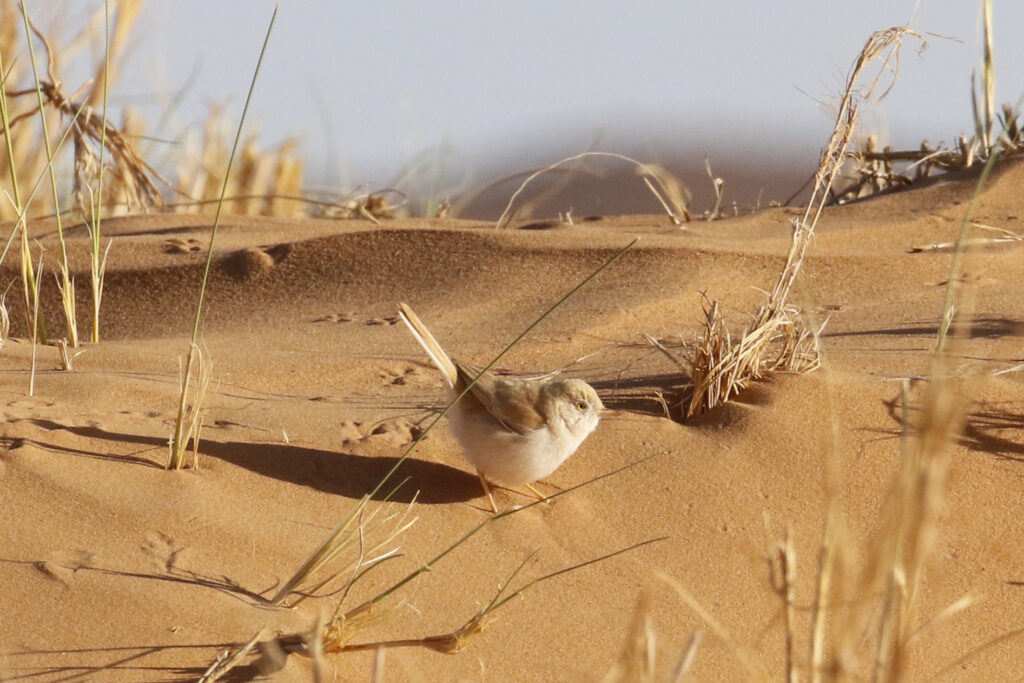
In the morning we have a chance to catch up on any desert birds we may have missed at Boumalne. As we drive further east towards Rissani, the scenery becomes more exotic with groves of date palms wherever there is enough water. By the time we reach our destination at Merzouga we’ll be seeing the awesome sand dunes of the Erg Chebbi and feeling that we are truly in the desert. En route to Merzouga, we’ll make a special stop to check out a site for Scrub Warbler. This species has been difficult to find in Morocco for many years but we’ll visit a site that gives us an excellent chance and we’ll also look for other species such as Spectacled Warbler, Fulvous Chatterer, Thick-billed Lark and maybe Bar-tailed Lark. Before we get to Merzouga we’ll take our first look at the sandy desert habitats and may have time to find some tricky species such as African Desert Warbler as well as commoner birds like White-crowned Black Wheatear, Brown-necked Raven and Greater Hoopoe Lark.
Overnight Kasbah Mohayut Merzouga.
DAY SEVEN
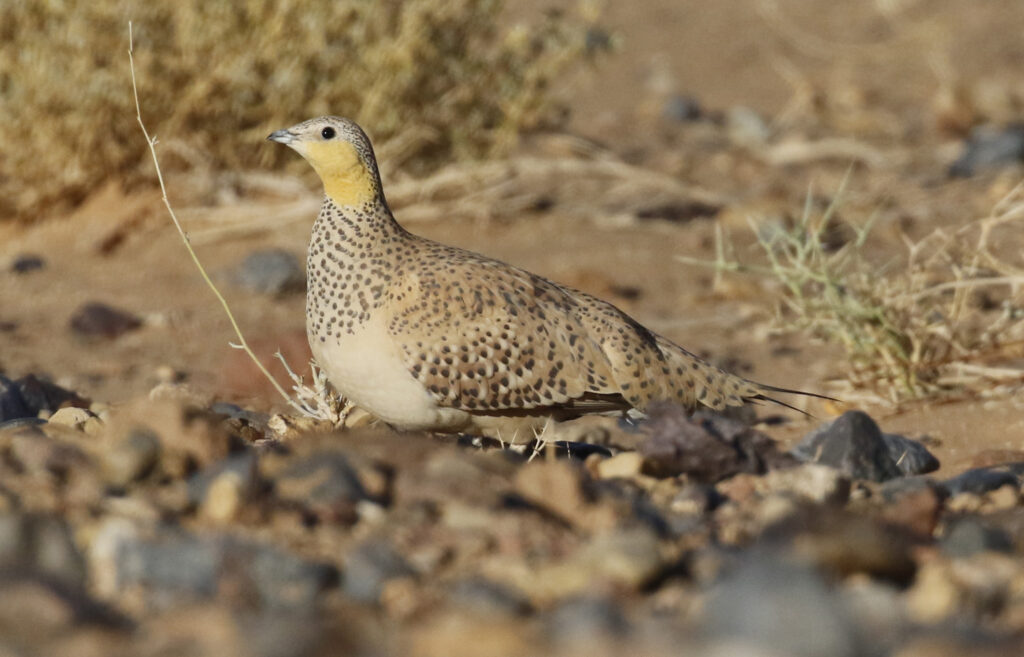
We have a whole day to explore the ‘true desert’ area known as the Tafilalt. We’ll make an early start to be taken in 4 x 4s ‘off-piste’ into the desert with a local guide who will try to show us the highly-prized Houbara Bustard. This bird is still present in the Tafilalt but in such small numbers that they are difficult to find. However, if any are present, our guide will have the latest information on where they are. We’ll spend the rest of the day searching for the other key desert species, including the iconic Desert Sparrow, the difficult African Desert Warbler, the ridiculously well-camouflaged Egyptian Nightjar as well as ‘usual’ species such as Greater Hoopoe Lark, Cream-coloured Courser, Spectacled Warbler, Bar-tailed Lark and Brown-necked Raven. There’s always a chance of seeing sandgrouse flying over and our guide may be able to show us some birds feeding or drinking on the ground. To see Spotted Sandgrouse or Crowned Sandgrouse on the ground at close range is a fantastic experience but we may also get a chance to prove that Pin-tailed Sandgrouse is even more gorgeous when seen at close range.
Overnight Kasbah Mohayut Merzouga
DAY EIGHT
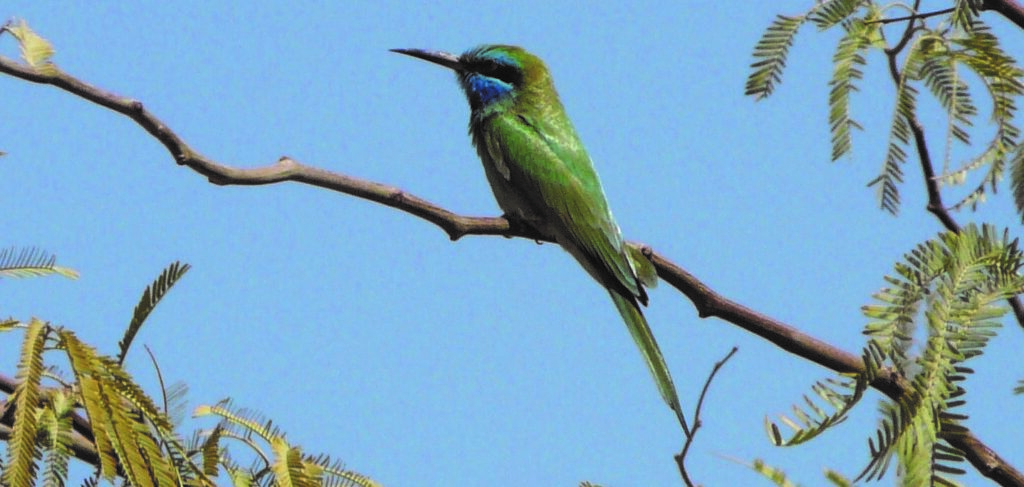
We spend the day around Merzouga and Rissani again; to catch up with any desert species we may have missed, as well as migrants such as Blue-cheeked Bee-eaters if they have arrived. Key species we could look for include Pharaoh Eagle Owl, Fulvous Chatterer, Lanner, Desert Lark, Maghreb Lark [Long-billed Crested Lark], Saharan Olivaceous Warbler and, if they are still present on their wintering grounds, Tristram’s Warblers. At this time of year, migrants will be crossing the desert, so we’ll do some enjoyable birding in various gardens and oases to see what species we can find; such places can be great for chats, wheatears, flycatchers and warblers including Western Subalpine Warbler, Western Orphean Warbler and Western Bonelli’s Warbler.
Overnight Kasbah Mohayut Merzouga
DAY NINE
Today we make the journey back to Ouarzazate. Although there’s a chance of some good birds en route, our best birding options will be at the beginning and end of the day so, depending on what we’ve already seen, we could either have another look for any desert birds we may have missed or we could get to Ouarzazate early enough for a visit to the Barrage el Mansour. Not so long ago this was a fabulous wetland for ducks, waders, gulls and terns but it has dried up so much that it’s become much less productive. Maybe a wet winter will restore it to its former glory?
Overnight Kasbah Zitoune, Ouarzazate
DAY TEN
The drive to Ouirgane will give us an opportunity to look for woodland birds at two sites where Levaillant’s Woodpeckers have been reliably seen. Other birds here are likely to include Cirl Bunting, Booted Eagle, Common Crossbill, Coal Tit, African Blue Tit and the distinctive African Chaffinch. As we pass through the mountains we’ll look for both species of chough and species such as Rock Sparrow, Water Pipit and Atlas Wheatear. We will stay at Ouirgane in the Atlas Mountains, where we will be able to look for Tristram’s Warbler in its breeding habitat.
Overnight Chez Momo, Ouirgane
DAY ELEVEN
If we don’t get the warbler in the evening, we will have time for another look this morning but the rest of the day will be spent in the Atlas Mountains around the ski resort of Oukaimeden. On the high alpine rocks and meadows we should see both Red-billed and Alpine Chough and find colonies of Rock Sparrow. We’ll also look for the Moroccan form of Horned Lark which has good credentials to be a new ‘split’ – Atlas Horned Lark – and this is probably the best place in the Western Palaearctic to see both the beautiful Crimson-winged Finch and the surprisingly different-looking Seebohm’s (Atlas) Wheatear, now classed as a separate species. The finch is easiest to find in winter but the wheatear doesn’t arrive until mid-March so it can be difficult to see both species in one trip but we’re hoping that on this date the wheatears will have just arrived and the finches may still be viewable too. Other birds we’ll look out for include Rock Bunting, Alpine Accentor, Peregrine Falcon and Water Pipit. We won’t spend all our time at such high altitude, because there are different birds to be found at different levels as we return down the mountain. The key species we’ll look for are Levaillant’s Woodpecker and Barbary Partridge, but we’ll also look for birds such as Blue Rock Thrush, Black Wheatear, Short-toed Treecreeper, Moussier’s Redstart, Common Crossbill, Firecrest, and African Blue Tit. We’ll keep a constant vigil for raptors overhead before driving in to the vibrant city of Marrakech.
Overnight Hotel Farah Marrakech.
DAY TWELVE
Following breakfast, we may have time to go shopping in the souk of Marrakech and visit the famous square of the Jmaa el Fnaa where a breeding colony of Little Swifts will give us fantastically close views. Even within the airport terminal we can still enjoy the local House Buntings before taking the flight back to London, arriving mid afternoon. Upon arrival, the tour will conclude.
PASSPORT, VISA & HEALTH
A truly exceptional trip – the birds and wildlife were out of this world, the guide was superb and highly knowledgeable, the itinerary and locations were interesting and diverse, all aspects of the travel ran smoothly, and our accommodation was always good.
There is no better birding guide to Morocco than Dave Gosney – Oriole Birding’s Morocco tour, led by Dave, is absolutely the best of the best.” W.M, 2025 tour
cheaper than birding in the UK!” J.M, 2025 tour
“I had a wonderful holiday. I don’t want to let it go. It was great to be with you all and share the fun and the serious birding. There are images constantly going through my head of colourful landscapes; snow-covered mountains; blossom trees; flower filled deserts, birds everywhere; crazy driving; mud and straw hotels. I could go on ad nauseam. Loved it, loved it. Wish the sun would shine today”