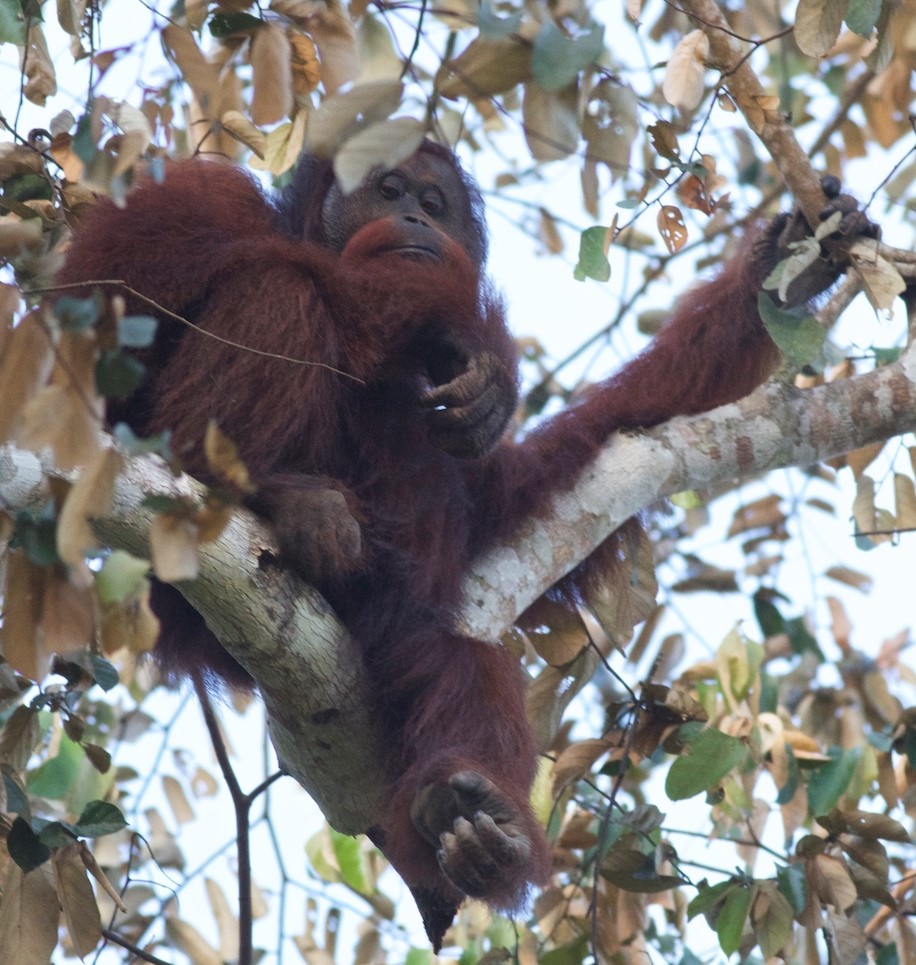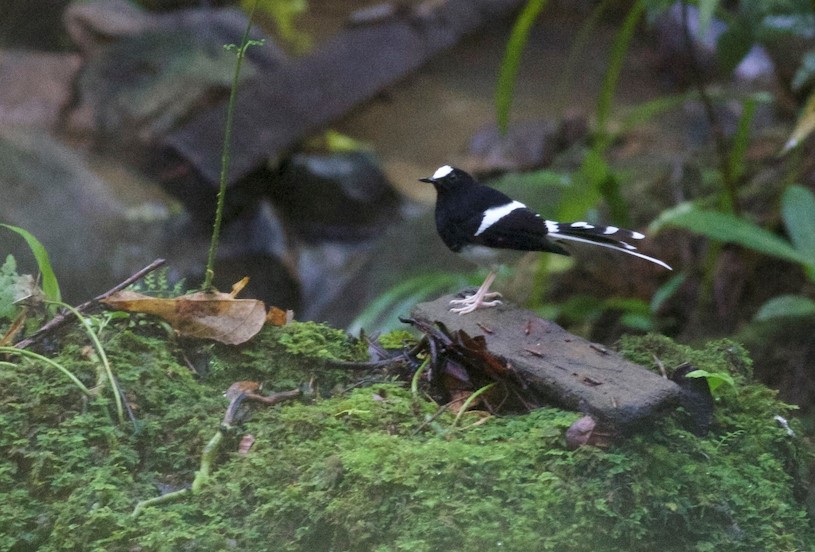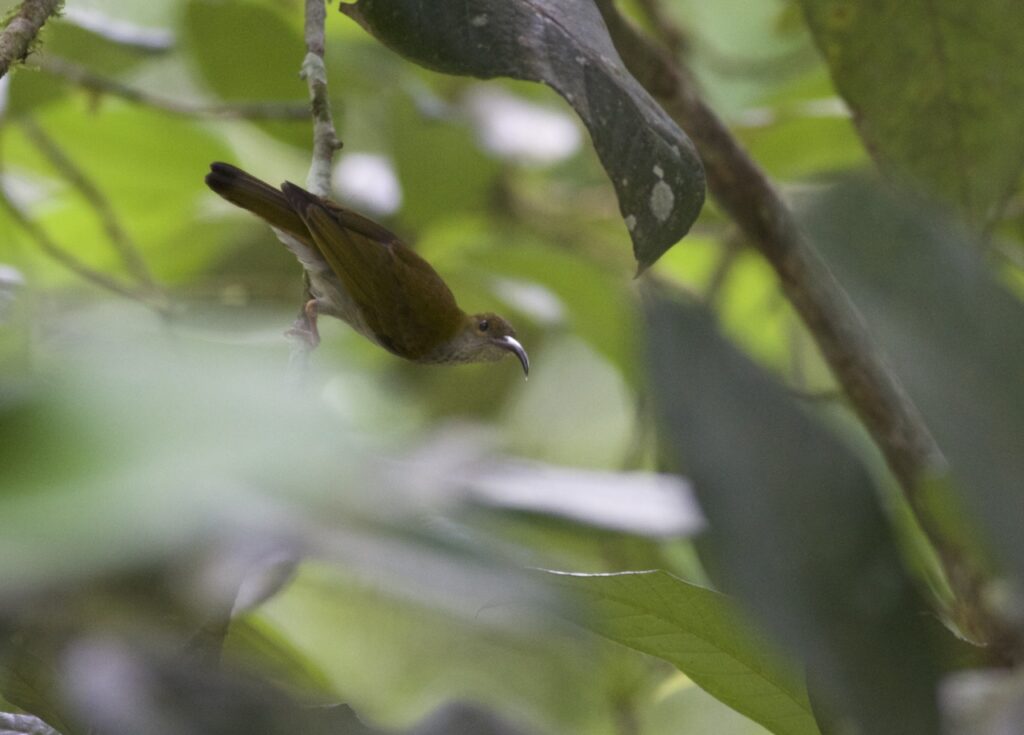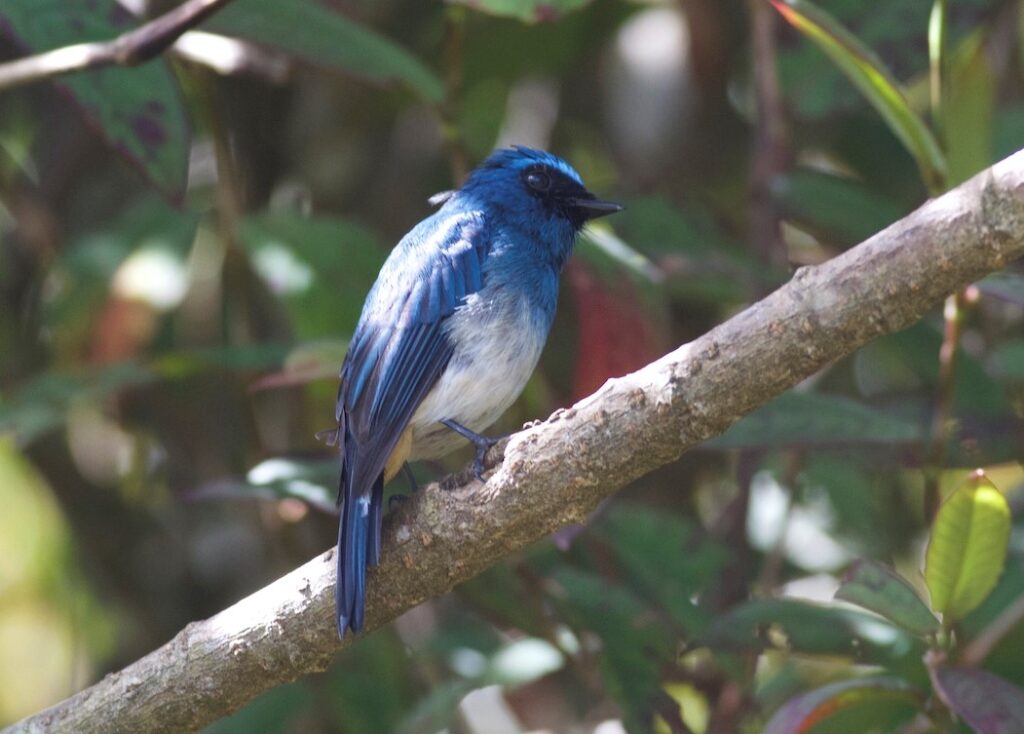
The Island of Borneo is the largest island of the Malay archipelago, the third largest Island in the world and twice the size of Germany. The country accommodates a rich diversity of fauna, in fact some amongst the oldest in the world, and the complexity of the Bornean tropical rain forest creates many niches within it. Our tour to this amazing area will be focused in the north and the Sabah region, which is part of Malaysia and offers a truly unique experience. The area boasts a host of colourful and endemic bird species, close to forty in number, such as Bornean Bristlehead, Whitehead’s Trogon, Bornean Spiderhunter, Bornean Banded, Blue-headed and Black-crowned Pittas, Bornean Green Magpie, Bornean Treepie and Everett’s Thrush. This is alongside a selection of most wanted and endangered mammal species in the world such as Orang-utan, Proboscis Monkey and Bornean Pygmy Elephant plus the chance to see the world’s largest flower the Raffleasia, one of the 15,000 plant species to be found there.
Our tour focuses on some of the region’s richest wildlife areas and after our long flight the day before we start the tour with some local coastal birding, and a chance to see species we won’t encounter on the rest of the trip. We then head onto the UNESCO World Heritage site of Kinabalu National Park, which covers an area of 75,000 hectares and is situated on the slopes of the forest draped mountains of Mount Kinabalu. We then head east, breaking our journey to our ultimate destination, Sepilok, with some birding at Poring hot springs, which is especially rich in lowland birdlife and a stark contrast to the mountainside region we’d left. We spend two nights at Sepilok, with our time here allowing a full day’s birding and a night excursion for birds and mammals, before we make the two hour drive to our next accommodation at Sukau, on the banks of the Kinabatangan river. During our time here we also make two boat excursions along the river. Our final destination of the tour is the Danum Valley Conservation area and the Borneo Rainforest Lodge. We spend two days in the Danum Valley where we will explore the excellent system of trails around the lodge as well as the impressive canopy walkway. Join Gary Elton and local guides for this new tour for 2025!
DAYS ONE & TWO
Arrival in Kota Kinabalu
Fly London – Kota Kinabalu via Kuala Lumpur with Malaysian Airlines overnight, arriving around midday on day two. We will have time for some local birding to look for Blue-naped Parrot, Sunda Woodpecker, Pied Triller, Rufous Night-Heron, Wandering Whistling Duck, and other birds that we won’t encounter for the rest of the trip. Overnight: Shangri-la City center hotel, Kota Kinabalu
DAY THREE
Tambunan Rafflesia Centre and Crocker Range, transfer to Kinabalu National Park
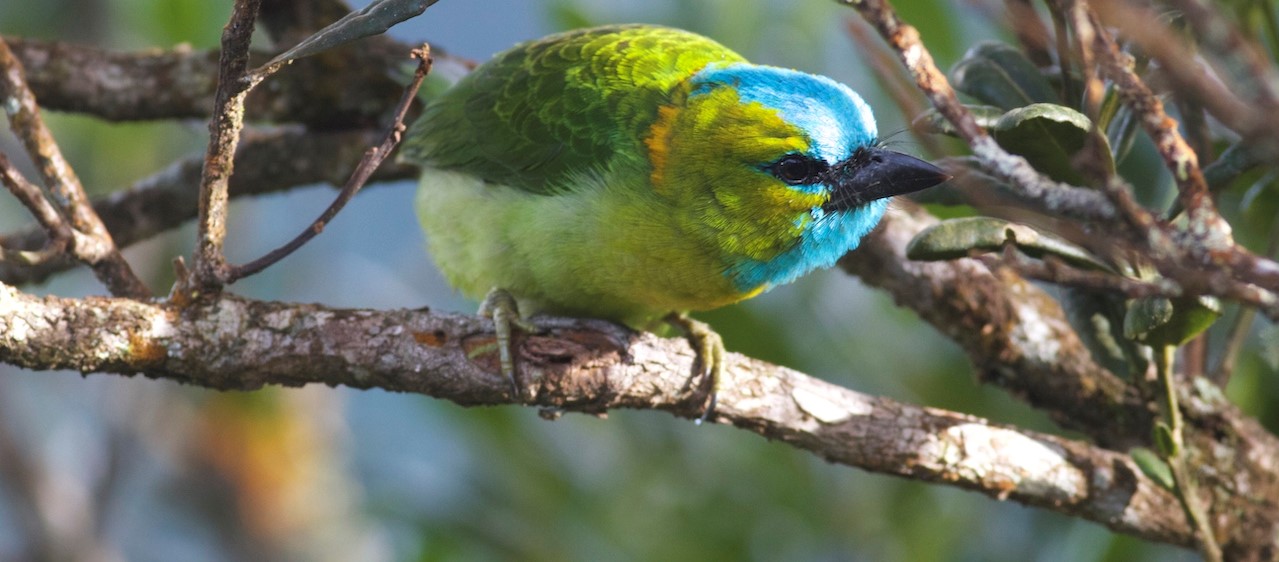
Early in the morning (usually around 5 am) we will take a packed breakfast and transfer to Tambunan Rafflesia Centre or Gunung Alap in the Crocker Range. Here we will be birding for the whole morning, hoping to see, among others, a number of Bornean endemics such as Whitehead’s Spiderhunter, Bornean, Mountain, and Golden-naped Barbets, Bornean Treepie, Chestnut-crested Yuhina, Bare-headed Laughingthrush, Bornean Leafbird and Bornean Bulbul, as well as Penan, Cinereous, and Pale faced Bulbuls, Chestnut-capped Laughingthrush, Crimson-headed, Red-breasted Partridges and Blyth’s Shrike-babbler.
From here we’ll make our way into the mountains to Kinabalu National Park. We will be based for three nights in Kundasang, a small village very close to the entrance to the park.
Overnight: Kinabalu Pine Resort, Kundasang
DAY FOUR
Birding Kinabalu National Park
Today we will explore the network of forested trails around the headquarters of Kinabalu National Park on the forest-draped slopes of Mount Kinabalu. This mountain is the highest peak between the Himalayas and the tall ranges of New Guinea. Its huge granite massif holds a spectacular avifauna, with plenty of endemics for us to enjoy. Among these we hope to find Whitehead’s Trogon, Whitehead’s Broadbill, Fruithunter, Golden-naped Barbet, Crimson-headed and Red-breasted Partridges, Bornean Swiftlet, Bornean Treepie, Bornean Stubtail, Bornean Green Magpie, Bornean Forktail, Eye-browed Jungle Flycatcher, Black-sided Flowerpecker, Bare-headed Laughingthrush, Mountain Wren-Babbler, Bornean Whistler, Chestnut-crested Yuhina, and Everett’s Thrush.
But certainly we will also be on the lookout for other enticing species, some perhaps even found in mixed feeding flocks, like Penan and Cinereous Bulbuls, Chestnut-capped and Sunda Laughingthrush, Blyth’s Shrike-babbler, Mountain Leaf Warbler, Yellow-breasted Warbler, Sunda Bush Warbler, White-throated Fantail, Temminck’s Sunbird, and Black-and-crimson Oriole, to name just a few.
Overnight: Kinabalu Pine Resort, Kundasang
DAY FIVE
Birding Kinabalu National Park
This morning we will still remain in the park headquarters for some other bird species, such as the endemic Bornean Forktail and Pale-faced Bulbul and the endemic Subspecies White-browed Shortwing. We will also again be on the lookout for Mountain Black-eye, Pygmy White-eye(or Pygmy Ibon), Fruithunter, Cinereous Bulbul, Bornean Treepie, Bornean Stubtail, Bornean Whistler, Chestnut-capped Laughingthrush, Whitehead’s Trogon, Whitehead’s Broadbill, and Mountain Wren-Babbler.
In the afternoon we will once more be birding around the Kinabalu National Park headquarters, looking for anything that we might have missed yesterday.
Overnight: Kinabalu Pine Resort, Kundasang
DAY SIX
Birding Kinabalu National Park
Birding around Kinabalu park or heading to Poring Hot spring for other bird species.
Overnight: Kinabalu Pine Resort, Kundasang
DAY SEVEN
Poring Hot Springs, transfer to Sepilok
Although in the afternoon today we will have a lengthy drive, we will spend a good part of the morning birding at Poring Hot Springs, a small reserve approximately 40 km from Kinabalu National Park. Poring is mainly known for its hot springs, which are a major Bornean tourist attraction, but the reserve also holds a number of exciting birds. During our walk we might encounter Fulvous chested Jungle-Flycatcher, Moustached Babbler, Diard’s Trogon, Red-throated Barbet, Plain Sunbird, Little Spiderhunter, Maroon-breasted Philentoma, Black-naped Monarch, Plain Sunbird, Crested Jay and perhaps also the attractive Scaly-breasted Bulbul.
During the afternoon we will drive approximately five to six hours overland, mainly through endless oil palm plantations, to Sepilok and check into our accommodation. In the evening there will be a night walk in search of birds, mammals, and other nocturnal creatures.
Overnight: Sepilok Jungle Resort
DAY EIGHT
Kabili-Sepilok Forest Reserve and its Rainforest Discovery Centre
We’ll have a full day to explore the area. We will bird the wonderful Dipterocarp forest of the Kabili-Sepilok Forest Reserve with its magnificent walkway at the Rainforest Discovery Centre in the morning, when the birds are most active. This will give us a chance for Bornean Bristlehead among many other species we are going to encounter here, like Red-naped and Scarlet-rumped Trogons, Black-capped Babbler, Black-crowned Pitta, Red-bearded Bee-eater, Oriental Dwarf and Rufous-collared Kingfishers, Little, Streaky-breasted, and possibly even Thick-billed, Spectacled, Yellow-eared, and Long-billed Spiderhunters, the endemic Yellow-rumped Flowerpecker, Rufous-collared Kingfisher and Dusky Munia, as well as Blue eared barbets, mid-canopy bulbuls, ground-dwelling babblers, cuckoos, minivets, and many more avian riches that can be found in these wonderfully birdy forests.
Here we might also see a number of inquisitive squirrels and possibly some primate species, among which the endearing Maroon Leaf Monkey might be particularly appreciated.
Overnight: Sepilok Jungle Resort
DAY NINE
Birding Sepilok, transfer to the Kinabatangan River
After breakfast we will still have time to do some morning birding in Sepilok for any species we might have missed.
Then we will drive two hours overland, transferring to Sukau on the Kinabatangan River.
After arrival and check-in at the lovely Borneo Nature Lodge on the Kinabatangan River, where we will stay for two nights, we will embark in the late afternoon on our first birding river cruise. Some of our main targets on the Kinabatangan River are the endemic Bornean subspecies of Black Magpie, a slate of glittering Kingfishers including Collared, Ruddy, Stork-billed, Banded, Blue-eared, and Blue-banded, Red-naped and Scarlet-rumped Trogons, and Hooded Pitta. If we are very lucky we will also find our mega target, the enigmatic, rare, and endemic Bornean Ground Cuckoo.
Overnight: Borneo Nature Lodge, Sukau
DAY TEN
Kinabatangan Wildlife Sanctuary
The Kinabatangan Wildlife Sanctuary is now under the purview of the Sabah Wildlife Department. Despite ever-encroaching oil palm plantations the original lowland forests and mangrove swamps near the coast have largely survived, providing sanctuary for a population of Saltwater Crocodiles and containing some of Borneo’s highest concentrations of wildlife. Of special note are Borneo’s indigenous Proboscis Monkey, Bornean Orangutan, Bornean Elephant, and Sunda Clouded Leopard if you are very lucky. The sanctuary is also known for its prolific birdlife. We will explore this riveting area for two days.
In the early morning and mid-afternoon boat trips will take us along the river and its small tributaries. Here we hope to see wild Bornean Orangutan feasting on the fruits of riverside fig trees or, in the late afternoon, preparing their night-time nests. Troops of the bizarre Proboscis Monkeys with their huge pot bellies and the males’ extraordinary, floppy noses will watch us curiously. Many groups of Crab-eating Macaques will be our constant companions, and we might find the occasional Silvery Lutung (langur) and, with luck, perhaps a Bornean Gibbon. We might even come across a herd of “Bornean Pygmy Elephants” in this area or the secretive and rare Flat-headed Cat.
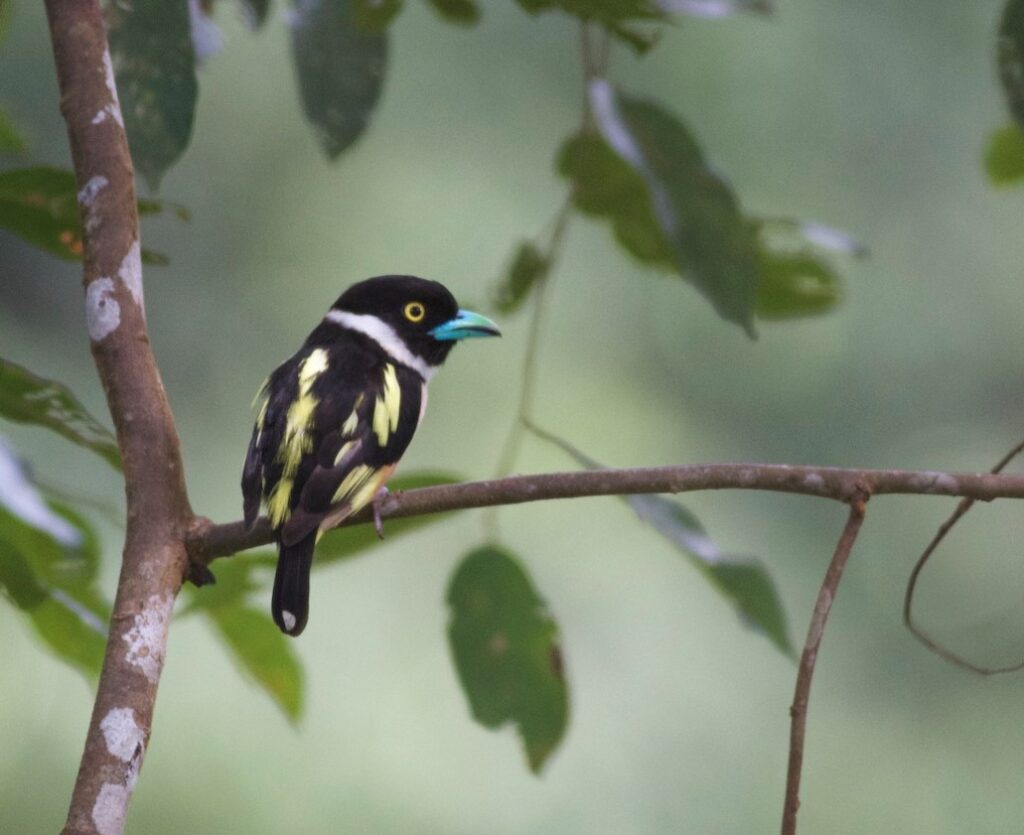
The forest along the river and its tributaries is home to a wealth of birds, including such spectacular species as Rhinoceros, Helmeted, Black, Oriental Pied, Bushy-crested, Wreathed, White-crowned, and Wrinkled Hornbills, White-bellied Sea Eagle, Lesser and Grey-headed Fish Eagles, Wallace’s Hawk-Eagle, Lesser Adjutant, Black-and-red and Black-and-yellow Broadbills, Hooded Pitta, and with luck a pair or two of the endangered Storm’s Stork or a White-fronted Falconet sitting on a snag. We will also look for Black-crowned Pitta, Asian Red-eyed Bulbul, Violet Cuckoo, the endemic White-crowned Shama, Chestnut-winged Babbler, Blue-throated Bee-eater, Dark-necked Tailorbird, Maroon-breasted Philentoma, and Orange-bellied Flowerpecker. In the evening we might see Brown Wood Owl or a Buffy Fish Owl at the jetty.
Overnight: Borneo Nature Lodge, Sukau
DAY ELEVEN
Kinabatangan Wildlife Sanctuary to Danum Valley via Lahad Datu
After a morning cruise to look for our wanted birds we will depart overland to Danum Valley and make a stop at Lahad Datu for lunch (two hours overland). After lunch we will have another 2.5-hour drive on an adventurous prior logging road to the Danum Valley Conservation Area and the Borneo Rainforest Lodge. This wonderful, upscale lodge is situated in a large tract of mind-blowing primary rainforest, one of only very few remaining on Borneo after rampant logging and clearing for oil palm plantations. While within much of the conservation area selective logging was allowed, a large part had been set aside for the protection of one of only two remaining expanses of primary lowland dipterocarp forest in Sabah.
The Danum Valley Conservation Area boasts over 268 bird species, and over 110 mammals, 72 reptiles, 56 amphibians, and 37 fish species have been recorded here so far. We will search for a good selection of especially the birds and mammals during our time in this great habitat.
We wish to arrive at the lodge by 4 p.m. and get ready for afternoon birding before it’s getting dark. After dinner we may be able to join one of the night drives to look for nocturnal animal as well as night birds.
The entire slate of eight Bornean pittas occurs in Danum Valley. In addition to Black-crowned Pitta we particularly hope to find Blue-banded, Bornean Banded, and Blue-headed Pittas and of course also other special target birds like Bornean Blue Flycatcher, White-crowned Shama, Streaked and Black-throated Wren-Babblers, and Bornean Ground Babbler.
Overnight: Borneo Rainforest Lodge, Danum Valley
DAYS TWELVE & THIRTEEN
Danum Valley
During our two days in Danum Valley we will explore the excellent system of trails around the lodge as well as the canopy walkway, and after dinner there will be opportunities to go out from the lodge with one of the local guides in search of nocturnal wildlife, either by truck or on foot. Results on night outings are always unpredictable, of course, but with luck we might find something really exciting, like Red Giant or Thomas’s Flying Squirrels, Colugo, the occasional Bornean Slow Loris and Sunda Tarsier, the tiny Temminck’s Flying Squirrel, or the giant tree-dwelling Malaysian Tarantula.
Danum Valley is a particularly good area for Bornean Orangutan, which is sometimes even seen within the lodge grounds. Commoner mammal species include Crab-eating and Southern Pig-tailed Macaques, a wide variety of both diurnal and nocturnal tree shrews and squirrels, Bearded Pig, Island Palm and Malay Civets, both Greater and Lesser Oriental Chevrotains(Mousedeer), the endemic Bornean Yellow Muntjac, the much-more-widespread Southern Red Muntjac, and Sambar. The biggest predator here is the Sunda Clouded Leopard, which is seen on night drives a couple of times a year – so one can always hope.
Among the multitude of birds we hope to encounter here are eight species of hornbills, with the huge Rhinoceros Hornbill seen and heard almost daily. We’ll also be looking for many other specialties, like Great Argus, Crested Fireback, Black-crowned and Blue-headed Pittas (along with the other two more difficult endemic pittas), Bornean Bristlehead, Bornean and Black-throated Wren-Babblers, Sunda Blue and Bornean Blue Flycatchers, Chestnut-naped and White-crowned Forktails, Wallace’s, Rufous-bellied, and Blyth’s Hawk-Eagles, Great Slaty and Olive-backed Woodpeckers, Ashy Tailorbird, Whiskered Treeswift, Oriental Dwarf Kingfisher, and a host of bulbuls, babblers, flowerpeckers, flycatchers, woodpeckers, drongos, raptors, sunbirds, and spiderhunters.
The heat of the afternoon after lunch allows some relaxed meanderings around the resort, and you can find flowerpeckers and spiderhunters in the flowering bushes, along with some stunning butterflies.
Overnight: Borneo Rainforest Lodge, Danum Valley
DAY FOURTEEN
Danum Valley to Lahad Datu airport, departure
Sadly, our exciting tour to wild Sabah will end today. We will transfer from Danum Valley back to the Lahad Datu airport after lunch, where the tour ends.
From here you will catch an afternoon flight 4:20pm to Kota Kinabalu (5:15pm) and stay the night there in the same airport hotel ready for the early onward flight tomorrow.
DAY FIFTEEN
Early morning departure back to London via Kuala Lumpur arriving in the afternoon of the same day.
Return flights London/Kota Kinabalu via Kuala Lumpur with Malaysian Airlines, accommodation for 13 nights, all meals from in-flight on day one to in-flight on day fifteen, services of leaders, ground transport, internal flight, and reserve entry fees.
Transport to and from London airport and any overnight stay that may be required, drinks, tips to guides and hotel staff and any items of a purely personal nature.
No Visa requirement for UK nationals. 6 months validity required on your passport from the date of arrival.