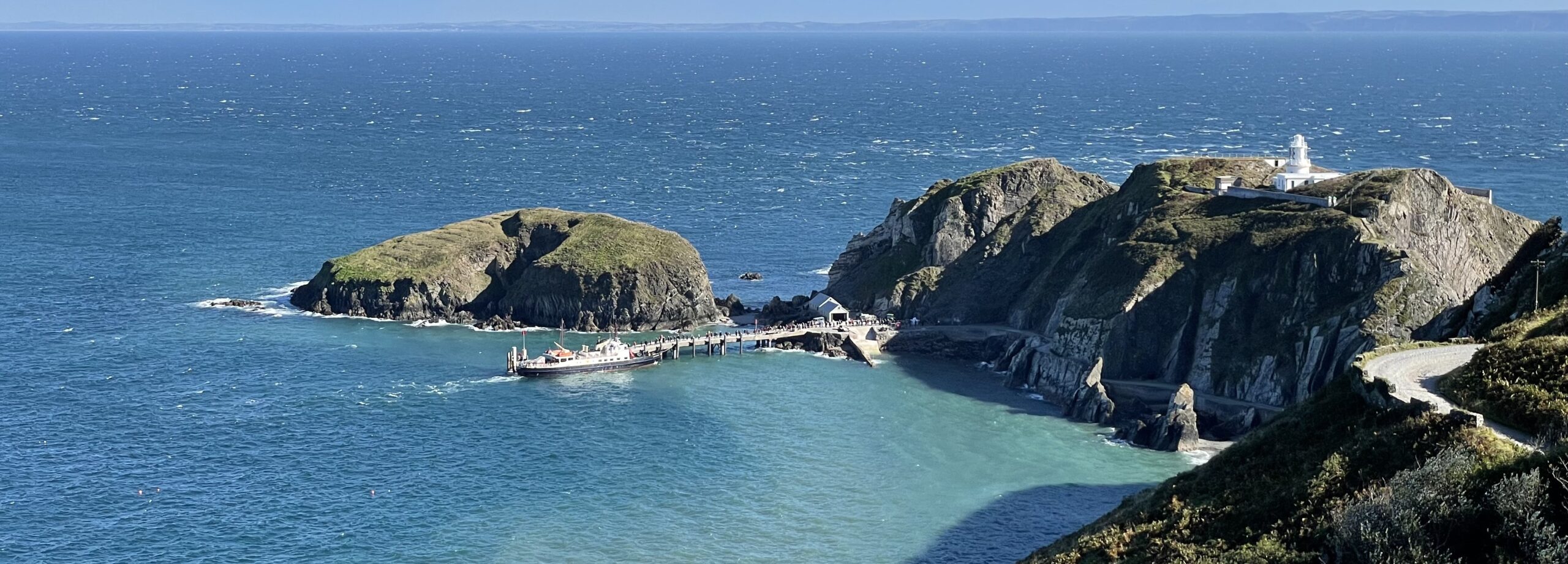
New for 2027, following our successful private group tour in April 2026, is this tour to Lundy Island, situated in the Bristol Channel a few miles off Devon’s North coast. At Oriole Birding we pride ourselves in our tours to the UK’s top migration hotspots and we’re delighted to add this one to our roster – Lundy has a long track record for rare birds and with beautiful Landmark Trust accommodations and stunning coastal scenery this trip really brings a sense of adventure to our portfolio.
Starting with two nights based in Devon, we will birdwatch around the environs of the Exe Estuary looking for passage waterbirds, enjoy a morning on the edge of Dartmoor looking for Redstarts and Pied Flycatchers and visit coastal habitats home to the localized Cirl Bunting. We then head up to Ilfracombe and take the MS Oldenburg over to Lundy, a journey which takes around two hours and gives us the chance to see seabirds and cetaceans including some of the islands 15,000 breeding Manx Shearwaters.
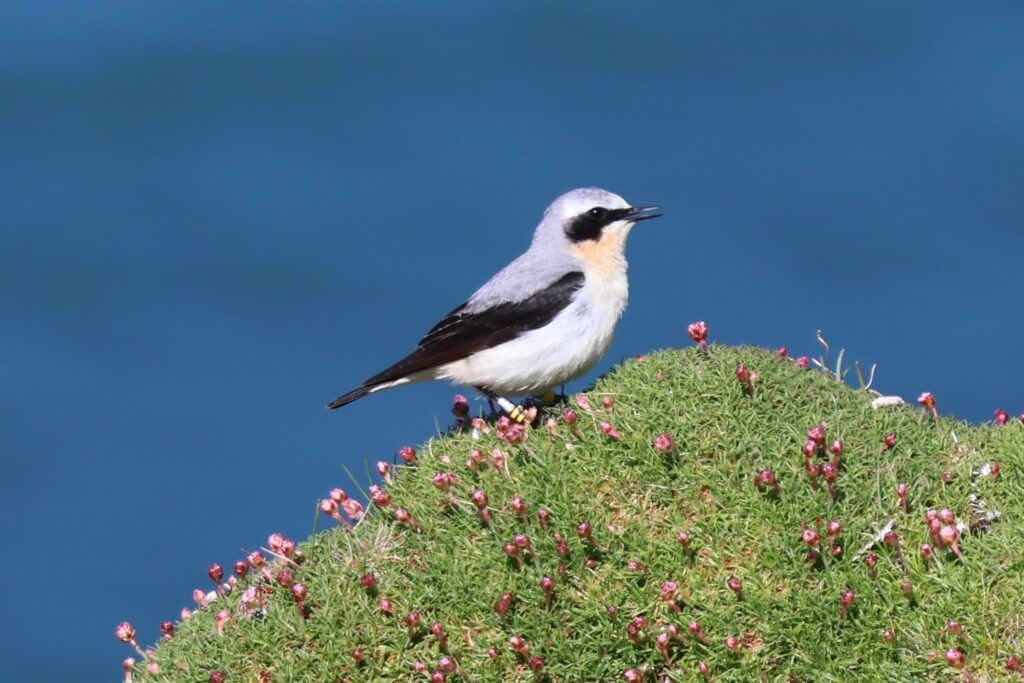
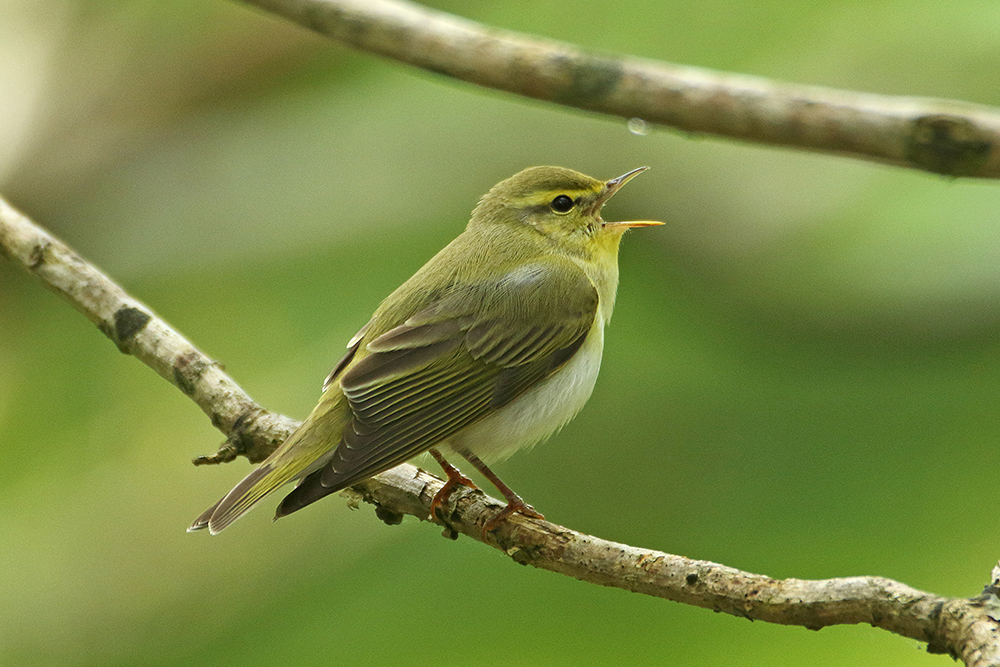
Based in beautiful self-catering houses at the edge of the best birding spot on the island, we will go searching for migrants and rarities each day, plus enjoy some stunning coastal walks and seek the islands breeding Puffins and other seabirds. In the right weather conditions common migrants such as warblers, flycatchers, chats and pipits can arrive in numbers and scarcer species such as Golden Oriole, Firecrest, Wood Warbler, Hoopoe, Woodchat Shrike and Wryneck are regular. We will join the observatory warden team for an evening excursion to one of the Manx Shearwater colonies where we will learn first hand about these amazing seabirds and hopefully see some being ringed as they come in to their burrows after dark. Of course there’s also the chance of a real rarity turning up to and we will leave no stone unturned in typical Oriole fashion – we found a Western Bonelli’s Warbler on our recent 2026 tour! Your tour leaders will be Nick Parsons and Ashley Saunders.
DAY ONE
Arrival to Exeter around 3pm, with pick up from St David’s train station. There is also the option to travel down from Norfolk with us in the minibus free of charge with parking available at our offices (departure 8.30am). We don’t recommend driving by car for this trip due to the logistics. After check in at our hotel we will head to the Otter Estuary for a birding session. This is a good place for passage waders such as Common Sandpiper, Spotted Redshank, Whimbrel and small parties of Dunlin. A Spoonbill is often present and the area is generally good for rarities too.
Overnight near Exeter
DAY TWO
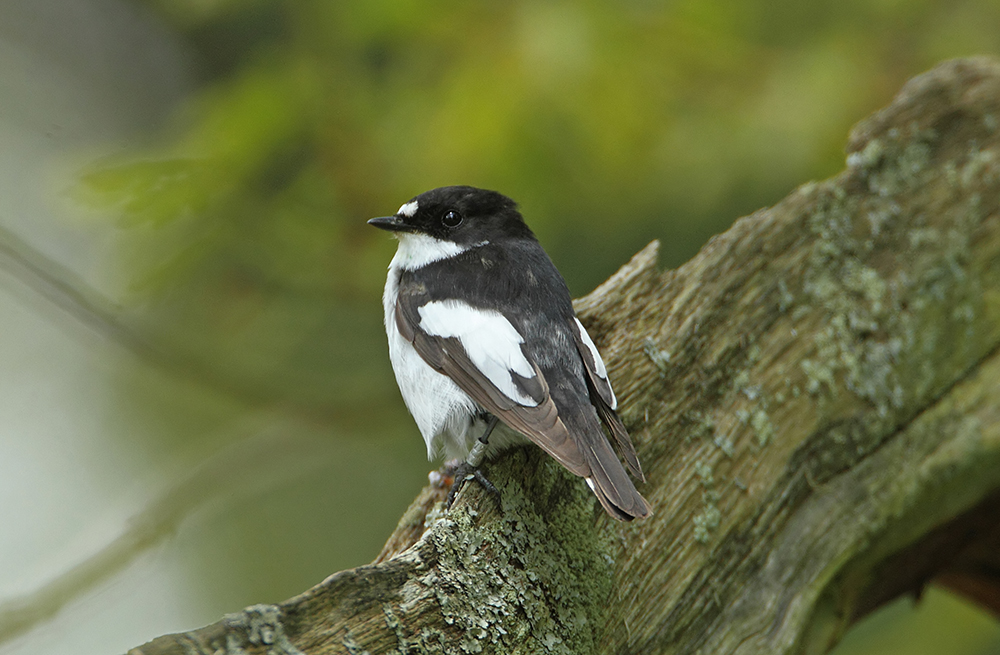
This morning we visit Yarner Wood on the edge of Dartmoor. This beautiful piece of habitat is home to the oak wood specialists, Pied Flycatcher and Redstart. The flycatchers use some of the many nest boxes and are generally easy to see and photograph here. Lesser Spotted Woodpecker can sometimes be seen and there is also a good chance of Tree Pipit, Willow Warbler, Marsh Tit and other woodland birds. After this we head to Labrador Bay to go and look for the localized Cirl Bunting, which will be delivering its dry tinny rattle from the hedgerows.
In the late afternoon we drive to Ilfracombe, where we stay the night.
DAY THREE
Today we head to Lundy Island! The ferry departs Ilfracombe at 10am and takes approximately two hours. On the way we will see our first Manx Shearwaters and Razorbills, two of the commonest breeding seabirds on Lundy. Cetaceans are often spotted and there is a small chance of Storm-Petrel too. On reaching the island, our luggage is sent on to our accommodation and we make the long steep walk up to the village, which is about 1 mile (all uphill, with steep steps!). We stay in two beautiful self catering properties operated by the Landmark Trust but eat our breakfasts and dinners in the adjacent Marisco Tavern. The properties are located in Millcombe valley, the prime birding spot on the island due to its sheltered position and extensive habitat of woodland and scrub. Bird ringing takes place here on calm days and we are likely to get the opportunity to see a range of migrant birds in the hand. Millcombe will be our adopted local patch for the week, and we will work it first thing in the morning and later in the afternoon, which is often when new migrant birds arrive. It is particularly good for Willow Warbler, Blackcap, Chiffchaff, Common Whitethroat, Garden Warbler and Spotted Flycatcher but frequently turns up rarer species – this is where we found a Western Bonelli’s Warbler and Wood Warbler in 2026 and Golden Orioles are annual in spring.
DAYS FOUR – SIX
We have three full days birding on the island, with our exact route each day dictated by the weather and birds. The best habitat for migrants is all concentrated in the southern half of the island, and this is where we will spend the majority of our time. Everything is done on foot, there is no vehicular transport on the island. This means you need to be physically capable as we will walk easily 6 miles per day and there is a lot of going up and down steps and steep inclines. Even tiny patches of cover can hold migrants, and the network of stone walls can provide shelter for birds too. Open fields attract Yellow Wagtails and pipits, while hirundine passage can be spectacular and number many thousands of birds in a day. On the islands eastern slope, two small copses and a series of quarries are superb spots to check while the west cliffs will shelter migrants in east winds. There is one significant freshwater body on the island which attracts some ducks and waders, and Whimbrel are frequently encountered on passage. If we make it all the way to the north end of the island, it wouldn’t be out of the question to bump into a Wryneck or Dotterel in the very open and sparsely vegetated moorland areas, while Raven and Peregrine both breed and patrol the cliffs. On the west side, Jenny’s Cove is the best spot for Puffins which will now be rafting on the water ready to come ashore to breed – Razorbills are more numerous though and along with the Shag, can be seen all around the island. Finally the Manx Shearwaters will be see after dark on a specially arranged excursion with the wardening team. They enter the colony using red light and capture birds for ringing as they leave their burrows, and we will be on hand to watch this amazing species being ringed.
DAY SEVEN
Today we must leave Lundy but we have two thirds of a day to birdwatch before we catch the ferry back – more than enough time to see another good bird or two! The ferry goes back into Bideford, where a coach will be waiting to take us back to Ilfracombe, a journey of about 40 minutes.
Overnight Ilfracombe
DAY EIGHT
We have a final morning for a bit of birding before drop offs back at Exeter station at lunchtime. We will likely visit Bowling Green Marsh or Exminster Marshes, both close to the city and spots where we may see a variety of waterbirds new for the list. We also have the flexibility to try again for Cirl Bunting if we missed it earlier in the trip, or maybe catch up with a rarity if there’s anything about. The tour concludes at 1pm for the onward journey home (arrival back in Norfolk 7pm).
WHAT’S INCLUDED
Seven night’s accommodation (please note that while we will do our best to give single travellers their own rooms, bathroom facilities in the houses will be shared), all meals from dinner on day one to breakfast on day eight (lunches on Lundy are made in-house with provisions from the general store, breakfast and dinners are taken in the Tavern), return ferry crossings, services of leaders, Manx Shearwater ringing experience and transport around mainland Devon.
NOT INCLUDED
*IMPORTANT NOTE* – in the event of the ferry being cancelled due to bad weather, the Landmark Trust offers helicopter travel from Hartland Point. This is subsidized but there is an additional charge of about £60 per person (each way) which is payable by the client. The trust provides a coach from Ilfracombe to Hartland Point included in the cost.
Also not included are drinks and souvenirs, and lunch on days one and eight.
WHAT TO EXPECT
This tour is an intensive migrant and rarity-hunting tour and is best suited to keen birders. Lundy is a beautiful island and offers a real sense of adventure but does involve a lot of walking – on our 2026 trip we averaged 6 miles per day. The vast majority of the walking is easy but the walk up from the jetty to the village is quite arduous due to the steep nature of the route. There are also some sections of the coastal paths that are very uneven, with large rocks, often loose underfoot or with steep steps. Anyone with a standard level of fitness can participate, but if you struggle with balance or have bad knees you would almost certainly have to sit some parts out.
We will be split across two properties – Millcombe House and Government House. The two houses are about 100yds apart with Millcombe set mid way down the valley and Government at the top – both properties have fabulous coastal views and overlook superb migrant habitat – its possible to birdwatch from the windows! We will do our best to accommodate anyone who does find the steps a challenge in Government as that does not require going up and down the slope too many times! Both houses are a few minutes walk to the tavern (government being very close, only 100 yards away from the village centre). One tour leader will stay in each house.