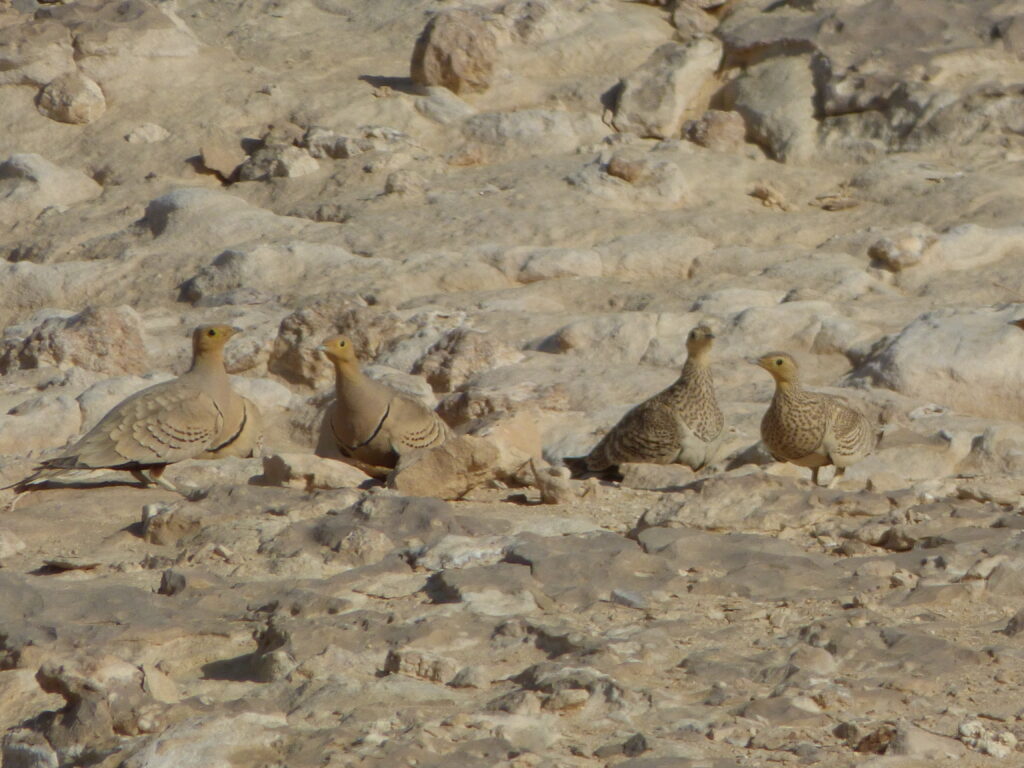
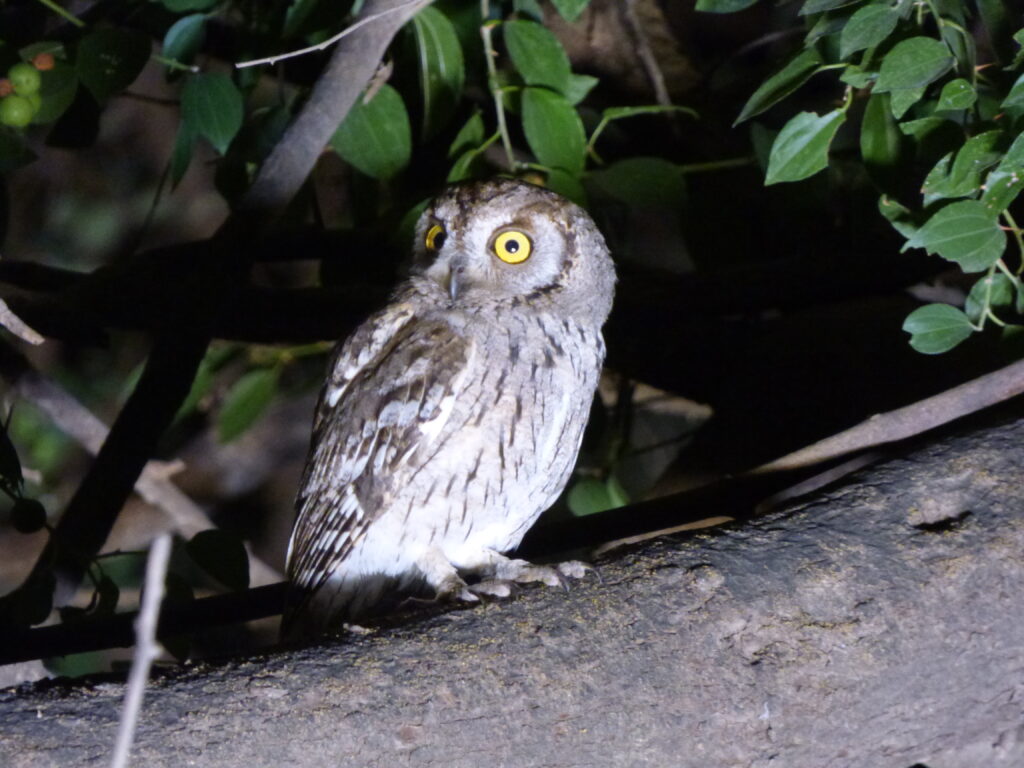
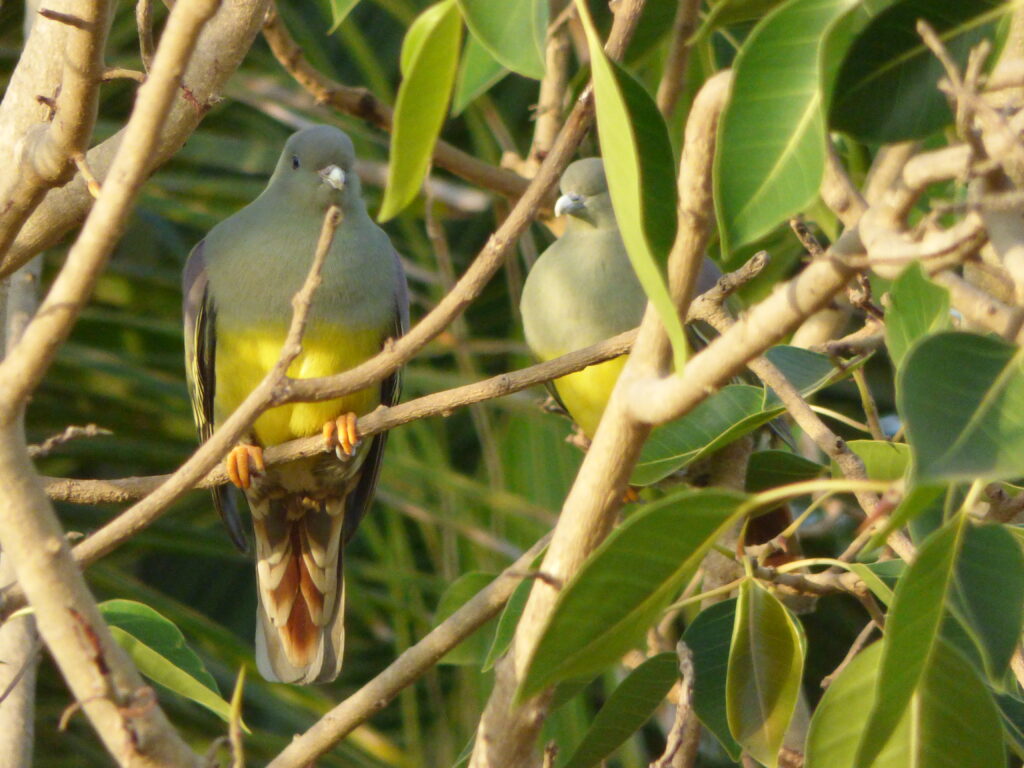
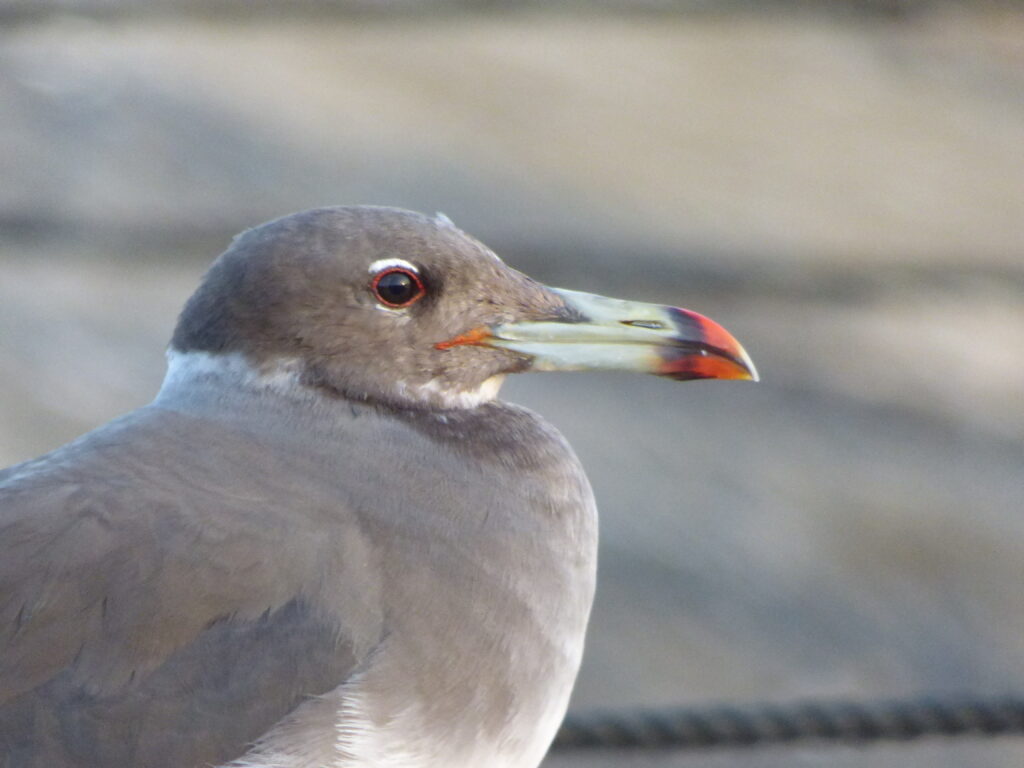
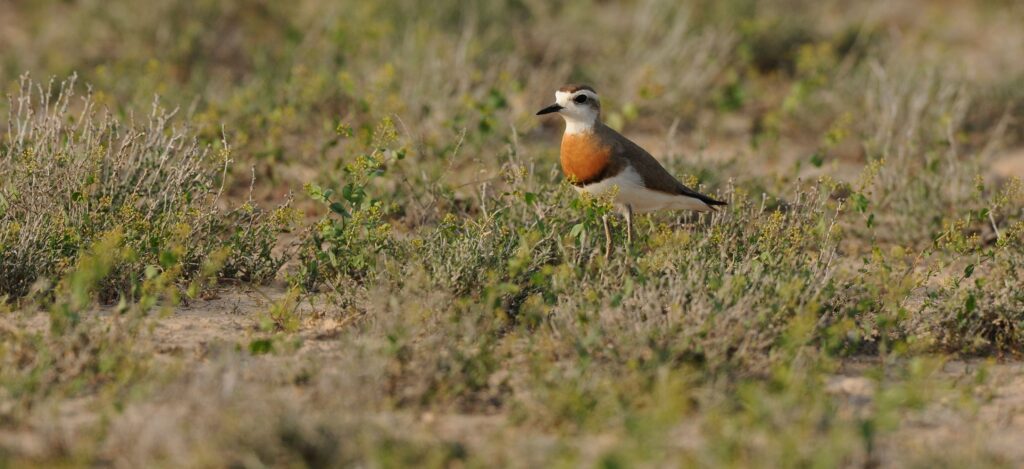
This exciting new itinerary offers Oriole clients a magnificent tour to one of the safest and friendliest destinations in Arabia. Oman offers some mouth-watering specialities which are tricky to see elsewhere, along with a true eastern flavour to the supporting cast, amid some spectacular, arid and rocky scenery and all with fairly easy travelling and good hotels. We visit in November, to combine some late autumn migrants with winter visitors, such as the enigmatic Grey Hypocolius and stately Pallas’s Gulls. Arid deserts are of course synonymous with this part of the World and indeed Oman is relatively sparsely populated country punctuated by rocky mountain gorges (wadis) and vast stretches of sandy desert. The mix of birds here is unrivalled in the Middle East and has influences of east and west. Mighty Lappet-faced Vultures and Bruce’s Green Pigeon bring a flavour of the African continent, while Purple Sunbird, Pallid Scop’s Owl and Indian Roller are a firm reminder that you’re in Asia. Coastal areas offer the chance to observe flocks of waders, gulls and terns that will include such mouth-watering species as Crab Plover, Great Knot, Lesser Sand Plover, Saunder’s Tern and Heuglin’s Gull, while we also factor in a pelagic trip to get to grips with some seabirds. Socotra Cormorant, Jouainin’s Petrel, Persian Shearwater and Red-billed Tropicbird are all likely on this exciting addition. Throw in the search for the Omani Owl, some fantastic desert birding with sandgrouse, larks and wheatears and you have the making’s of a memorable tour. We are teaming up with Carles Oliver for this tour, familiar to many of you through our tours with him in Spain. He has guided many of his own tours to Oman and knows the country well. He will be assisted throughout by Jonathan Farooqi and Chris Mills.
DAY ONE
Flight from London to Muscat International Airport (probably via Doha) arriving late evening. Overnight in a hotel close by.
DAY TWO
Morning birding in Al Qurm Park and other natural sites in the city. The list can include birds as good as Marsh Sandpiper, Clamorous Reed Warbler, Indian Roller, Isabelline Shrike, Lesser & Greater Sand Plovers, Pacific Golden Plover, Purple Sunbird, Indian Pond Heron, Indian Silverbill, Greater Crested & Lesser Crested Terns, Palla’s Gull, Oriental Honey-Buzzard, Red-vented Bulbul and Grey Francolin among many other species. In the evening we will look for the scarce Pallid Scops Owl.
DAY THREE
Today we will leave Muscat and head southwest to Nizwa. On the way we will explore the Al-Harar mountains. Here we have good chances to find Striolated Bunting, Plain Leaf Warbler, Persian Wheatear, Desert Lark, Lichtenstein’s Sandgrouse, Lappet-faced Vulture, Asian Desert Warbler, Menetries Warbler, Hume’s Wheatear, Arabian Babbler and maybe even Omani Owl nearby at Golden Tulip Nizwa Hotel. Overnight in Nizwa.
DAY FOUR
Today we travel to Masirah Island. The short crossing will give us seabird opportunities including Jouanin’s Petrel and Persian Shearwater. There is also a chance of Swinhoe’s or Leach’s Storm Petrel. The island itself is a great place to explore. There are extensive mudflats to check for waders including the much sought after Crab Plover. The island’s position just off the east coast of Oman means it is a rarity magnet, and it boasts an impressive list of firsts for the Sultanate, we will be checking several places to seek these out. Overnight on Masirah Island
DAY FIVE
We will spend the whole day exploring the island including looking for migrants and vagrants in local parks such as Al Shamkaiah and at the Hilf Sewage Works. We should also have time to work some coastal sites. Overnight on Masirah Island
DAY SIX
We will leave the Island this morning and head south along the coast to Duqm. We will make birding stops along the way. Duqm itself has an excellent local park well worth checking out for migrants. Overnight in Duqm
DAY SEVEN
Leaving Duqm we will drive southwest to Salalah. It is a travelling day, but we will make stops along the way to bird oases and other vegetated areas in the arid interior. We will explore areas to look for Chestnut-backed Sparrow, Cream -coloured Courser and Bimaculated Lark
DAY EIGHT
Our first full day in Salalah will be devoted to exploring some of the best birding spots in the country. During the morning we will visit the foothills of the Dhofar mountains, where we will look for Arabian Grosbeak, Delicate Prinia, Black-crowned Tchagra, Blackstart, Wryneck, Shining & Palestine Sunbirds, African Paradise Flycatcher and Red-tailed Shrike to name a few. A long list of specialties have been seen here, including Brown & Masked Shrikes, Red-breasted Flycatcher, White-breasted Waterhen, Pin-tailed Snipe, Upcher’s Warbler… This wonderful open forest is also home to the very scarce and difficult to see Arabian Grosbeak. In the afternoon we will explore some wetlands where we will look for Terek Sandpiper, Cotton Pygmy Geese, Red-knobbed Coot, Greater Spotted Eagles with lower chances for other species including Yellow Bittern, African Openbill and White-tailed Lapwing. Overnight in Salalah.
DAY NINE
During the day we will explore the impressive Dhofar mountains, where we can look for Yemen Serin, one of the most scarce birds in the region. The landscape around is also great for other birds including Singing Bush Lark, Long-billed Pipit, African Silverbill, Cinnamon-breasted Bunting, Tristam’s Starting but also Arabian & Hooded Wheatears. Raptors are a common view along the way and we may have Montagu’s Harrier, Short-toed Snake Eagle but also Eastern Imperial Eagle, Steppe Eagle or Bonelli’s Eagle flying around! Later in the morning we will explore some cliffs hosting Verreaux’s Eagle and Fan-tailed Raven as well as having a wonderful view over the Salalah Plain! Late in the afternoon we will go for some urban birding in Salalah. Here we may have Indian Pond Heron, Citrine Wagtail and Isabelline Wheatear but also Spotted Thick-knee and Bruce’s Green Pigeon to name a few. Overnight Salalah.
DAY TEN
This will be spent exploring the Northern Salalah area. An early morning start is required for our offshore trip out of Salalah. During the trip we expect to have good views of some really interesting species including the regional endemic Jouanin’s Petrel and Persian Shearwater. Masked & Brown Boobies, Red-billed Tropicbird and Red-necked Phalarope are all possible! The pelagic trip is also providing good chances for Green Sea Turtle and groups of Indo-Pacific Bottlenose or Spinner Dolphins at close range. In the afternoon we will drive South of Salalah to explore some coastal areas where Abdim’s Stork can be found. We may also find other interesting birds such as Bridled Tern, Arabian Wheatear or Desert Owl.
DAY ELEVEN
Further exploration around Salalah including an early morning start and transfer to the desert to explore a number of oases. There we will look for the iconic Grey Hypocolius along with other really interesting birds including Chestnut-bellied & Spotted Sandgrouse, Nile Valley Sunbird, African Collared Dove and Blackstart. Grey Hypocolius is an overwintering visitor to the area with small numbers visiting Oman in winter. During the daytimes we will also explore a number of fern farms in the desert, likely to attract a good variety of birds in winter but, since crops tend to be abandoned after few years (the soil is poor), these locations tend to be highly variable. Species such as Pied Wheatear or Tawny Pipit are likely. On the evening we will go for a nocturnal trip to look for Arabian Scop’s Owl & Arabian Eagle Owl close to Salalah.
DAY TWELVE
We take an internal flight back up to Muscat today and then connect with our flights back to the UK arriving later the same day.
“First of all, can you pass on a huge thanks to Jason and Carles.
They worked superbly as a team with good humour, great organisation and outstanding birding skills. The hotels were of a really good standard, and having two 4×4 vehicles worked very well in some of the trickier landscapes encountered. It goes without saying the birding was outstanding.” N. Clayton, 2022 tour