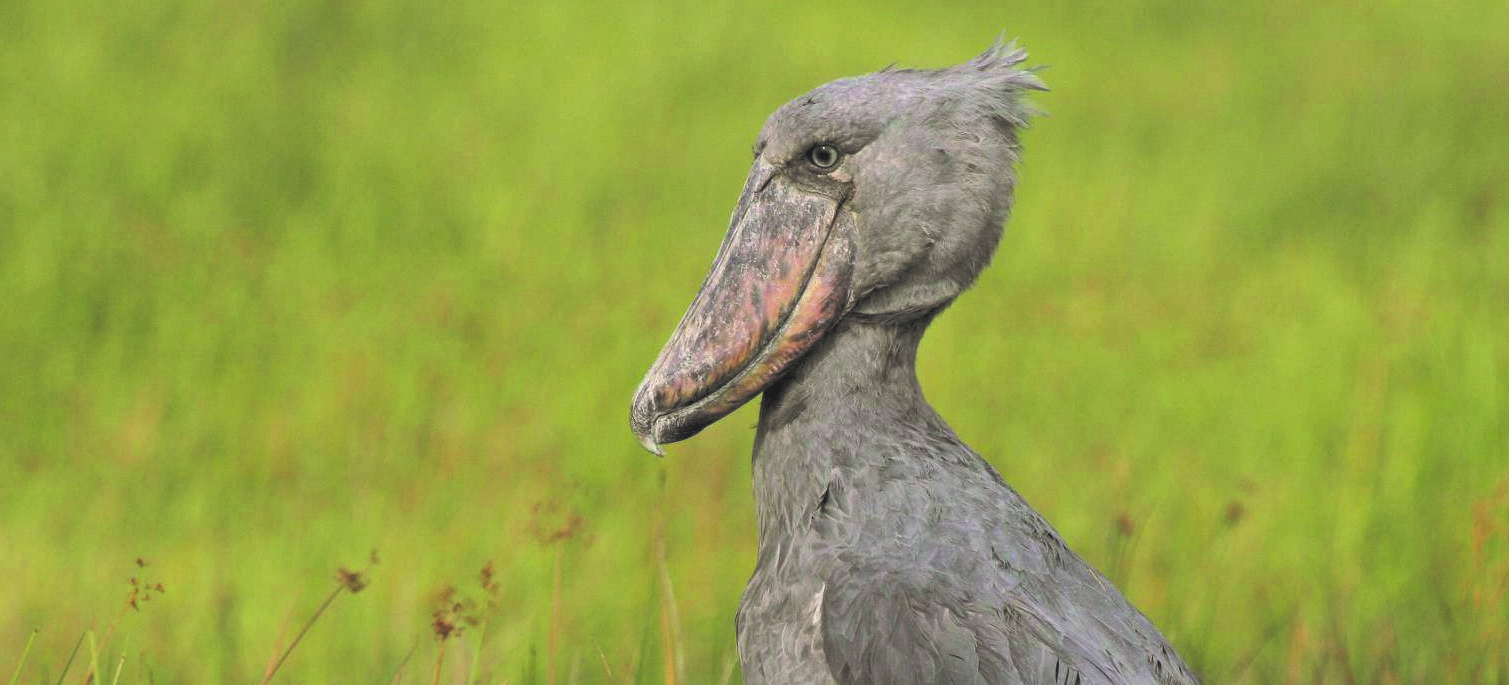
Uganda has been described as the Pearl of East Africa and is widely regarded as the most beautiful and potentially the richest country in the region. From the source of the White Nile on the huge papyrus fringed Lake Victoria to the snow capped Rwenzori Range, the luxuriant montane forests of the Virunga volcanoes; Uganda is an equatorial country of substantial contrasts. No other area in Africa can match its amazingly diverse range of habitats and this is reflected in an incredible bird list of over one thousand species. Amongst these are many sought after birds such as the Shoebill and the numerous spectacular endemics of the Albertine Rift Valley. The Albertine rift region straddles the borders of the Democratic Republic of Congo, Rwanda, Burundi, Uganda and Tanzania as well as stretching over a north south distance of one thousand kilometres, and supports one of Africa’s unique montane forest biome with a very high degree of endemism. This Albertine rift is also home to more than half of the African bird species and nearly forty per cent of the mammals in Africa. The mountain gorillas are one of the flagships of this area. The other species of special concern also include the chimpanzees and the elephants. This Albertine rift is also important not only for its biological diversity, but also for the ecological processes and the services it sustains. Our tour to this colourful, pleasant, hospitable and inviting part of Africa is led by renowned local birder Herbert Byaruhanga and Neil Glenn. Your accommodations are all in very comfortable hotels and lodges and the terrain is mostly easy though with it being Africa it will of course be hot and sometimes dusty. You can expect to see approximately 500 species of birds plus countless other wildlife.
DAY THREE
Shoebill at Mabamba swamp and travel to Masindi
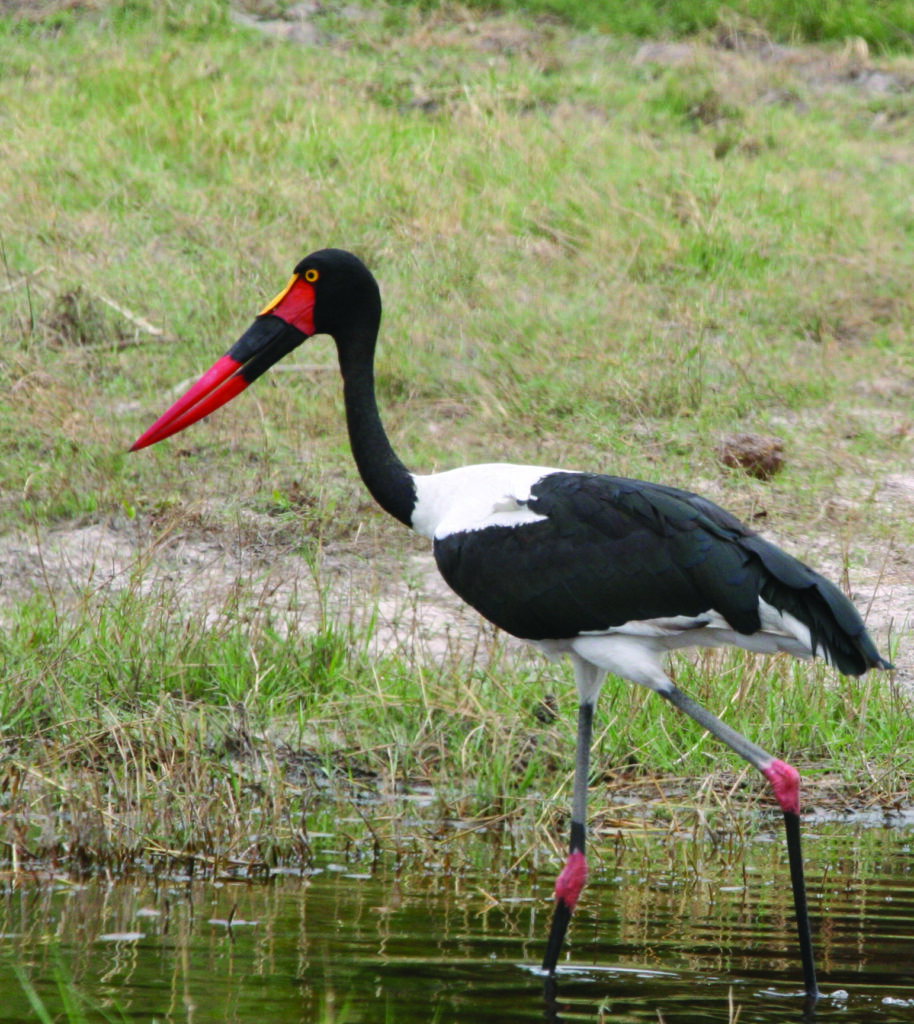
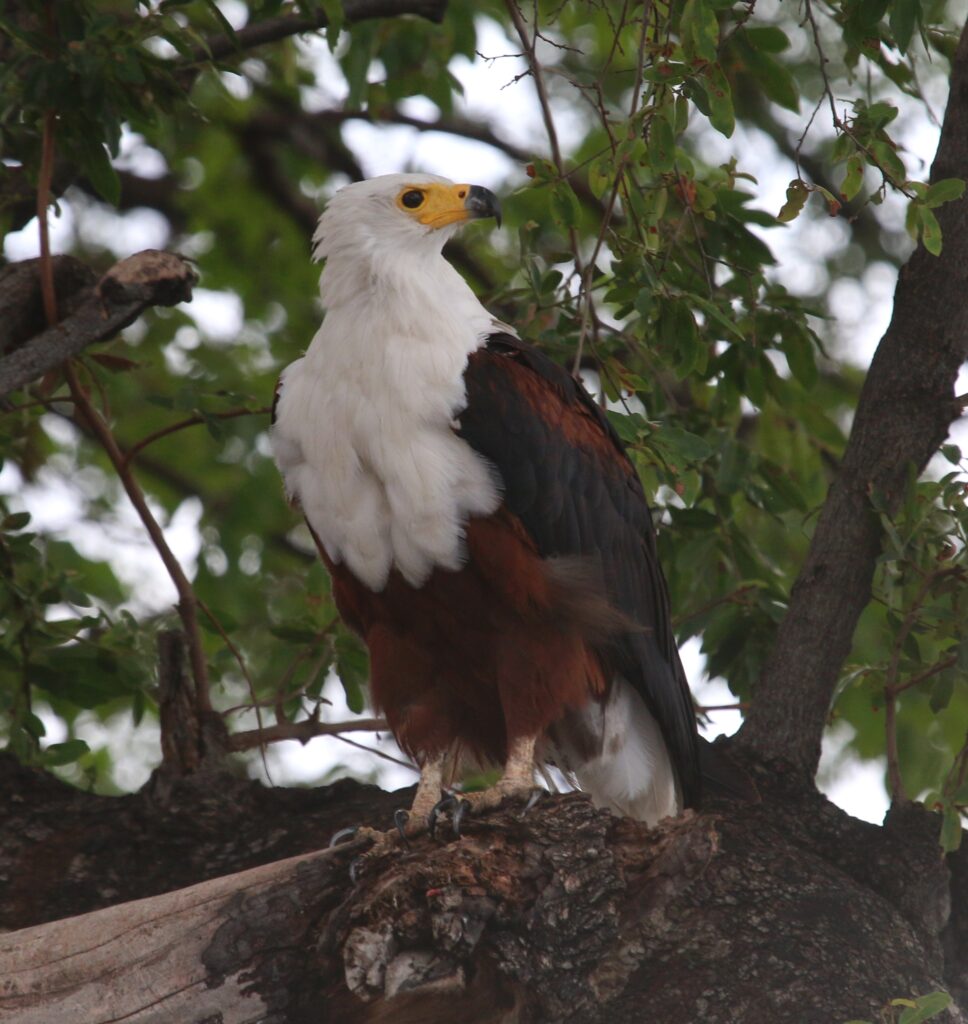
Early breakfast, then out to nearby Mabamba Wetlands on the shores of Lake Victoria. This is one of the few remaining swamps in the country protected by the local communities – an extensive papyrus swamp with its labyrinth of channels and lagoons, classified as an Important Bird Area, and home to several pairs of Shoebills, Uganda’s most famous avian resident. This charismatic monotypic species is certainly amongst the most sought-after birds in Africa, and we’ll make special efforts today to find it by paddling through the channels by boat. There will of course be a good selection of classic East African water birds, including Long-tailed Cormorant, Goliath Heron, African Open-bill, Saddle-billed and Marabou Storks, Hamerkop, White-faced Whistling-Duck, Yellow-billed Duck, African Fish-Eagle, African Marsh-Harrier, African Water Rail, Purple Swamphen, Allen’s Gallinule, African Jacana, Long-toed and Spur-winged Plovers. Apart from the numerous water birds, we are likely to see a nice variety of open country and water edge species, perhaps including Speckled Pigeon, African Green Pigeon, Eastern Plantain-eater, Malachite, Giant, and Pied Kingfishers, Blue-headed Coucal, Blue-breasted Bee-eater, Crowned Hornbill, Angola and Rufous-chested Swallows, Winding Cisticola, Greater, Grey-capped and Lesser Swamp-Warblers, Papyrus Yellow Warblers, Swamp Flycatcher, Scarlet-chested Sunbird, Papyrus Gonolek, Slender-billed, Northern Brown-throated, and Golden-backed Weavers, and Papyrus Canary.
Afternoon transfer to Masindi with some birding along the way.
Stay at Masindi Hotel
DAY FOUR
Whole day birding at Royale Mile. Stay at Masindi Hotel
After breakfast, we shall go for birding in Budongo forest – royal mile.
Special birds include Hairy-breasted Barbet, the Blue-breasted Kingfisher, the Nahan’s Francolin, the Cassin’s Spine tail, the Fire-crested Alethe, the Dwarf Kingfisher, the Black-capped Apalis, the Blue-throated Roller, the Blue-shouldered Robin, Chocolate-backed Kingfisher, Yellow-browed Camaroptera, Scaly breasted Illadopsis, Crowned Eagle and many others.
DAY FIVE
Birding to Murchison Falls National Park through Kanio Pabidi
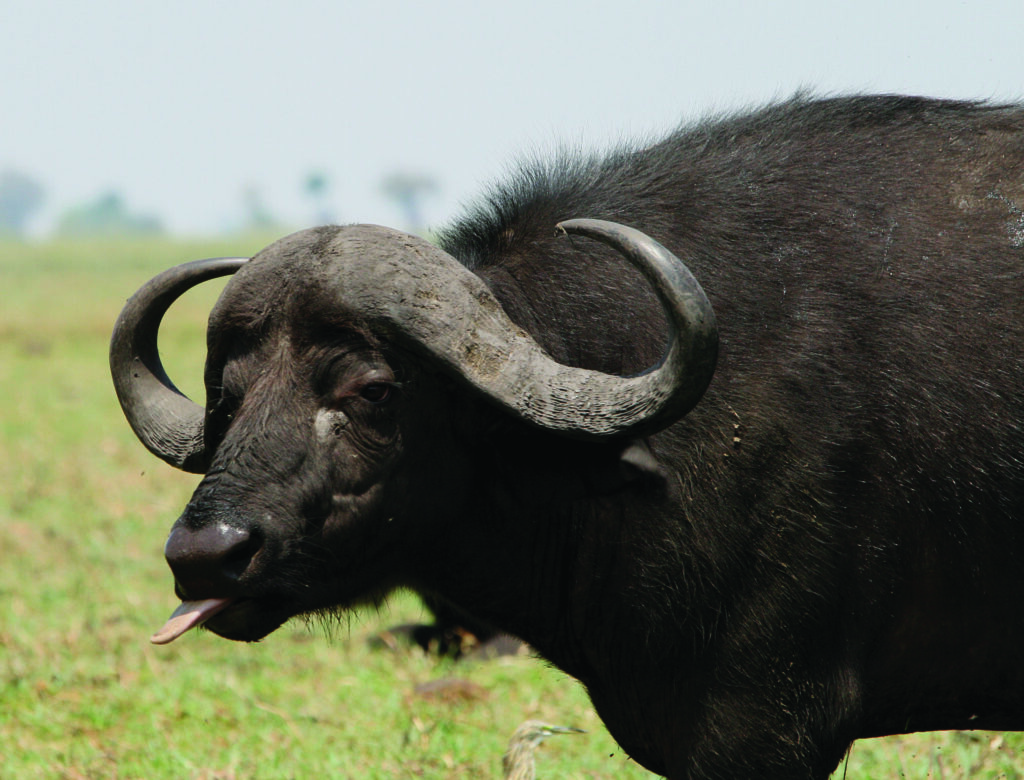
After breakfast, we head north to Murchison Falls National Park, through Kanio Pabidi forest area. After crossing the river, we drive through the vast Murchison Falls National Park with Buffalos, Hartebeests, Elephants, Lions, Oribi, Bush-duiker, Uganda Kobs, Stay at Pakuba Safari Lodge
DAY SIX
Birding and afternoon boat cruise to the bottom of the falls + game drive
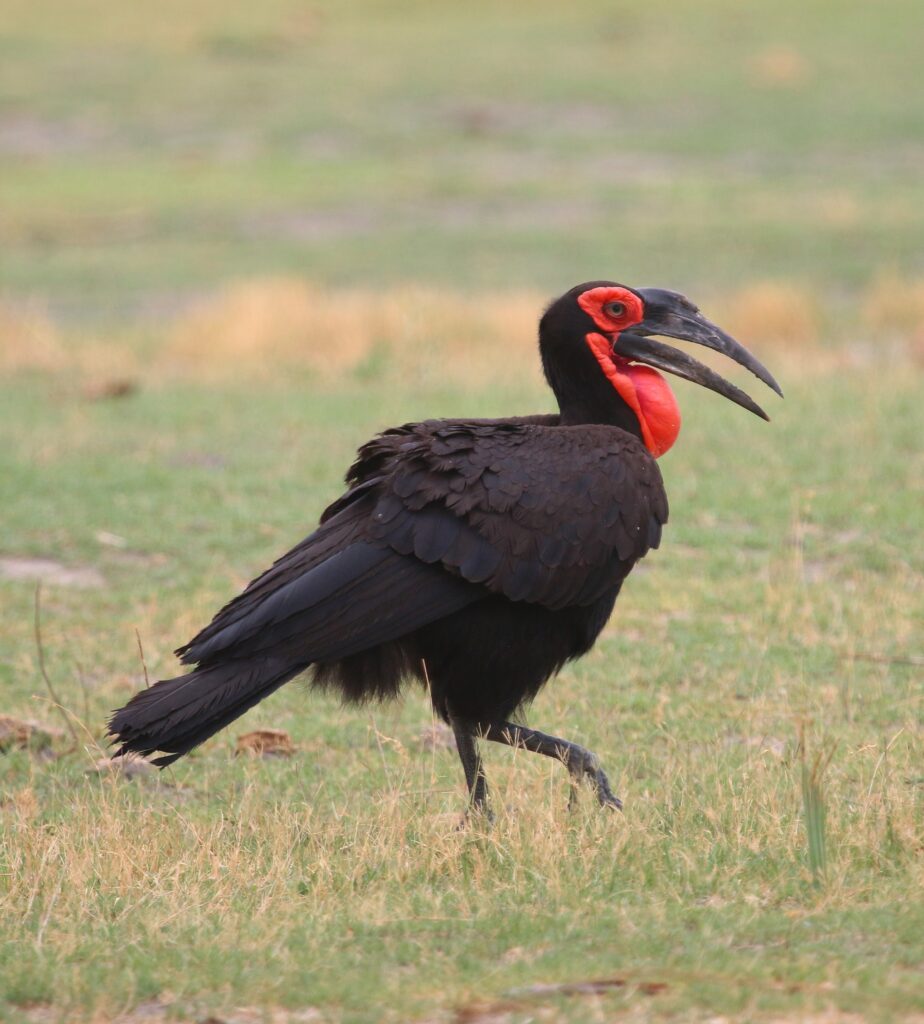
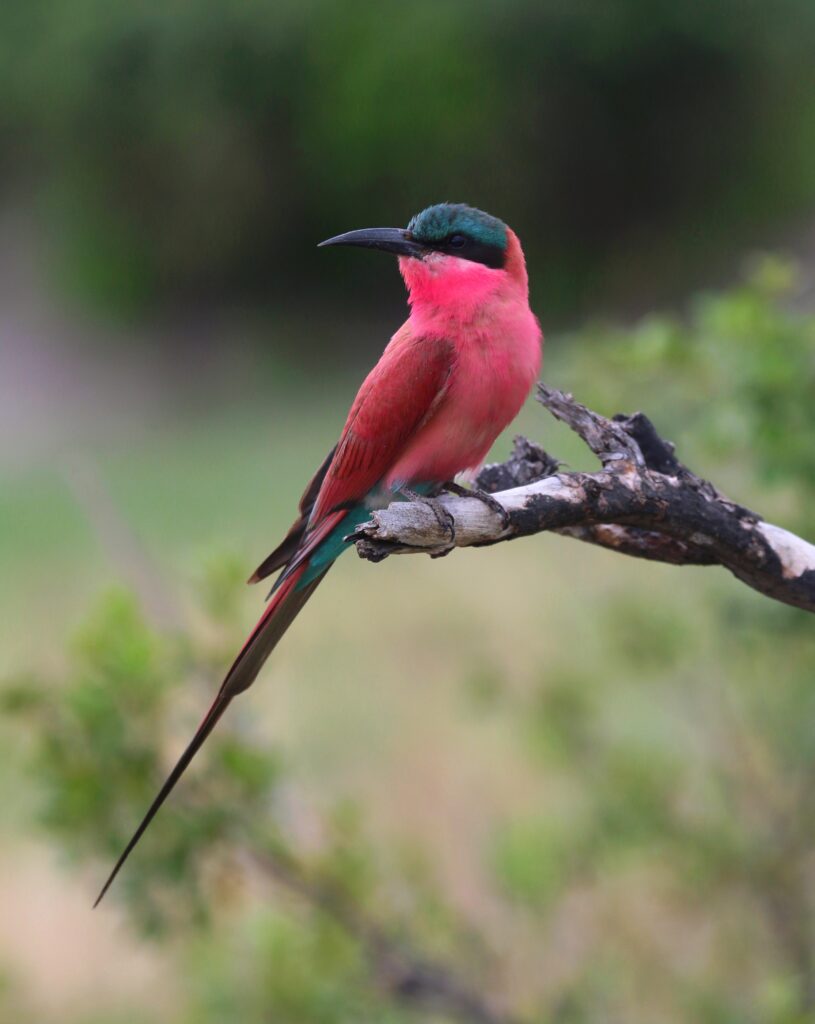
After an early breakfast, we will have a morning game drive. In the lush Bourassa’s grassland, you may be able to encounter elephant, buffalo, giraffe, and a variety of antelope. You may also see some lions if you are lucky. After enjoying a packed lunch, we will then have an afternoon boat trip to the bottom of the falls. Here, you have the best chances of sighting the rare shoebills (if lucky). You will also be dazzled with a variety of water birds including species like the Secretary Bird, Abyssinian Roller and Ground Hornbill, Pied Kingfisher, Red-throated Bee-eater, Goliath Heron, Saddle-billed Stork, Sacred Ibis, Fulvous Whistling-Duck, Senegal Thick-knee, Black-headed Lapwing, Long-toed Lapwing, Little Bittern, Osprey, Red-necked Falcon, Blue-breasted Bee-eater, Vinaceous Dove and Grosbeak Weaver. Other specialties include Buff-bellied Warbler, Yellow-fronted Tinkerbird, Bar-breasted Firefinch, Red-winged Grey Warbler, Spotted Morning-Thrush, Marabou Stork, Silverbird, Beautiful Sunbird, Black-headed Gonolek, Speckle-fronted Weaver, Golden-backed Weaver, White-rumped Seedeater, Pel’s Fishing Owl, White Crested Turaco, Bruce’s Green Pigeon, Chestnut-crowned and White-browed Sparrow Weaver, Carmine Bee-eater, White-rumped Canary etc.
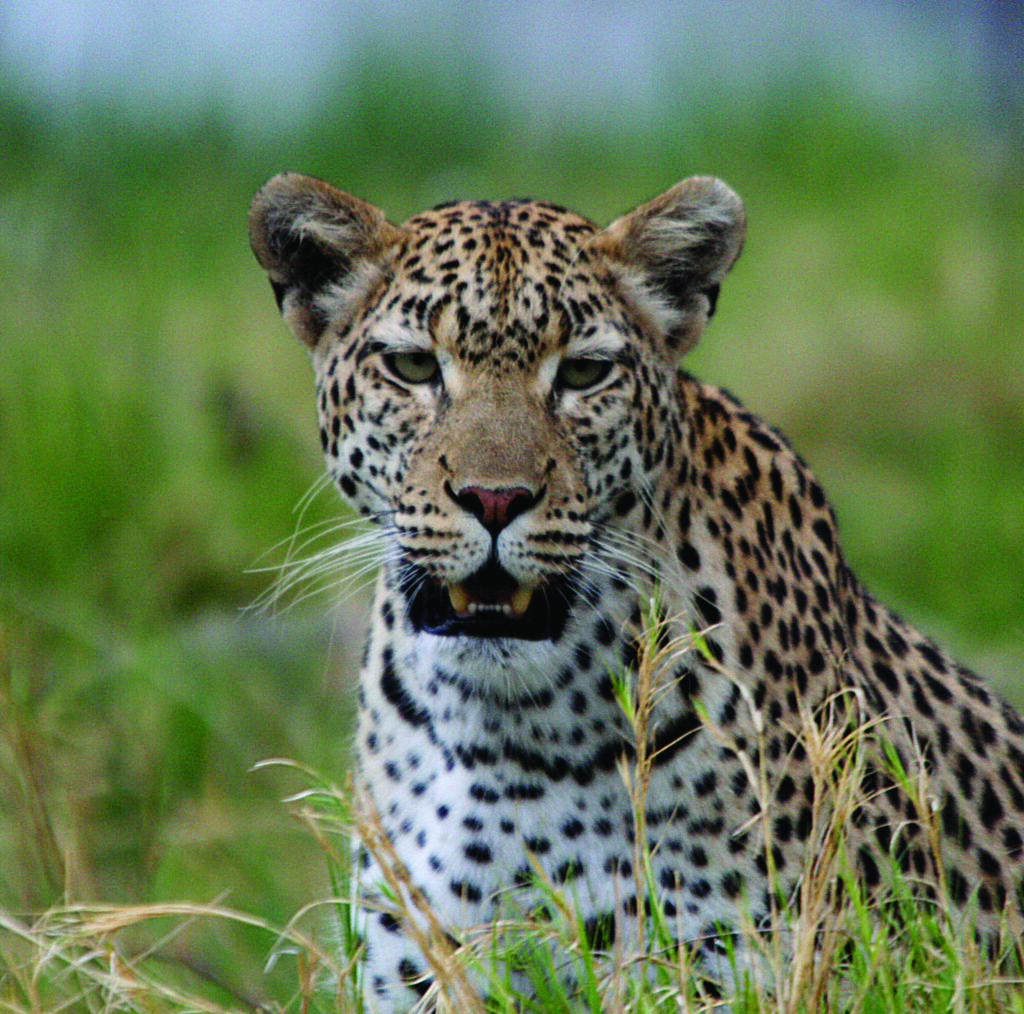
Evening game drive has chances of finding Hyenas, Leopards, White-tailed Mongoose and some bird species like Square-tailed, Long-tailed, Pennant-winged and Standard-winged Nightjars.
Stay at Pakuba safari Lodge
DAY SEVEN
Transfer to Kibale. Chimpanze Guest House
Kibale Forest National Park protects a diverse array of primates, from the minuscule, nocturnal Demidoff’s Galago to our closest living relative, the Chimpanzee. Here we will take expeditions to observe the Chimps and many other species of primates and birds. We have a chance of birding the main road or one of the trails in the forest. We might come across the African Emerald Cuckoo, Purple-headed Starling, Black-billed Turaco, Yellow-billed Barbet, Grey-throated Barbet, Blue-throated Roller, Narrow-tailed Starling, Western Black-headed Oriole, Yellow-throated and Yellow-rumped Tinkerbirds.Stay
DAY EIGHT
Chimp tracking and birding.
After an early breakfast we drive to Kibale National Park visitor center for briefing and chimp tracking. The activity may last from a few hours to several hours. Kibale forest is home to 13 primates of Uganda.
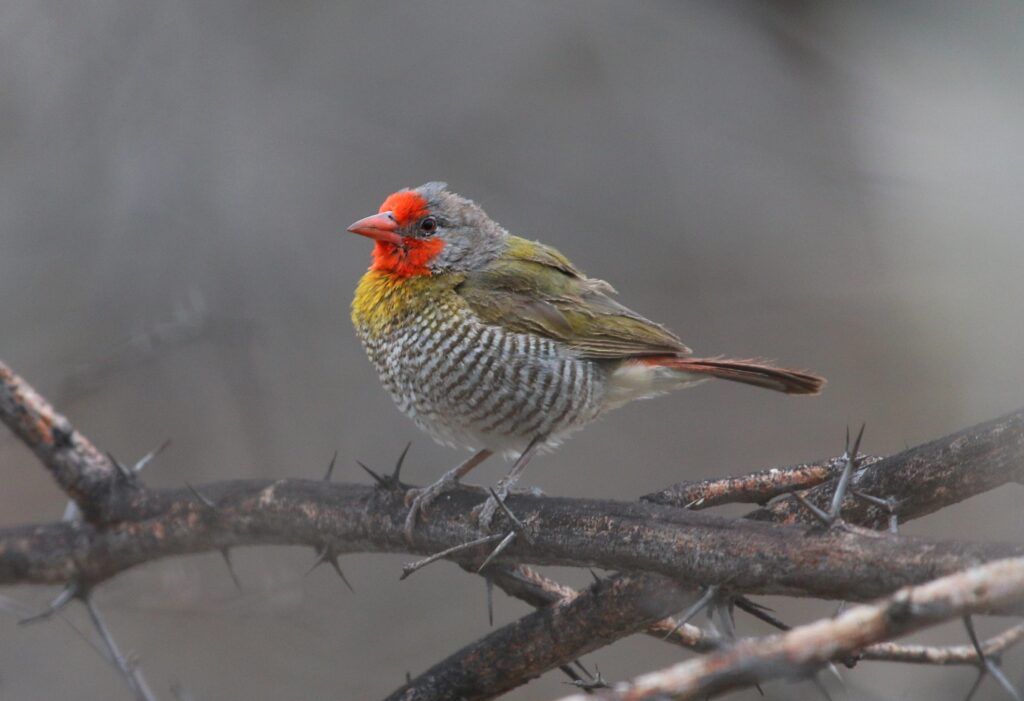
Birding in the afternoon along the main road may be productive. Depending on the weather predictions, birding Bigodi wetland or a near by trail, is also productive with riverine forest birds. Kibale National Park is a good site for a number of birds that are hard to find elsewhere including; the Speckle-breasted Woodpecker, Cabanis’s Greenbul and Joyful Greenbul as well as White-spotted Flufftail, Dusky and Olive Long-tailed Cuckoos, Lesser Honey guide, Blue-shouldered Robin-Chat, White-chinned Prinia, Grey Apalis, Olive-green Camaroptera and White-collared Oliveback.
DAY NINE
Kibale to Queen Elizabeth National Park.
After breakfast, we drive to Queen Elizabeth national park. The Park which is named after the Queen of England who visited it in 1954 is the second largest national park in Uganda. Queen Elizabeth national park boasts the highest biodiversity ratings of any game reserve in the world. This is evidenced by the presence of open savannah, rainforest, dense papyrus swamps and brooding crater lakes, and the vast Lake Edward. Queen Elizabeth National Park has almost 100 mammal species and a remarkable 612 bird species hence making it a superb safari territory, with elephants, a profusion of hippos, the elusive Giant Forest hog and handsome Uganda Kob all regularly sighted around the park. Stay at Enganzi Lodge
DAY TEN
Game drive in the park and Boat Cruise on Kazinga Channel .
The game drive takes us through a productive area of grassy plains, which support large flocks of a variety of stork species including the Spectacular Saddle-billed and Woolly-necked Storks. Other species include the Bateleur, Grey Kestrel, Lappet-faced, Ruppell’s Griffon, White-backed and Palm-nut Vultures, African Crake, Black Coucal, Common Button, Harlequin and Black-rumped Quails, Red-necked Francolin, Rufous-naped and Flappet Larks. Mammals we look for include Uganda Kob, Lion, Warthog, Bush Buck, Deffassa Waterbuck, Spotted Hyena, Leopard and many others.
In the afternoon we take a launch tour of the Kazinga Channel which is a natural magnet for herds of Elephant, Giant Forest Hog, Buffalo, Monitor lizard, Crocodiles and the abundant Hippopotamus. Birding here is excellent with great photographic opportunities. We might be blessed with congregations of African Skimmers, Great-white and Pink-backed Pelicans, Great and Long-tailed Cormorants, Open-billed Stork, African Skimmer, White-faced Whistling Duck, Marsh, Wood and Common Sandpipers, Malachite Kingfisher, African Jacana, African Wattled Plover, etc Stay at Enganzi Lodge
DAY ELEVEN
Birding to Bwindi
After an early breakfast, we will also drive through the Ishasha section where, if lucky, you may be able to view tree climbing lions and continue to Bwindi Impenetrable National Park. Bwindi Park is a UNESCO World Heritage Site and is home to approximately half of the world endangered population of Mountain Gorillas. This vast reserve offers arguably the most productive montane forest birding in Africa and supports 23 of Uganda’s 24 Albertine Rift endemic bird species. Once part of a much larger forest that included the Virunga Volcanoes in neighboring Rwanda, Bwindi Impenetrable National Park is now an ecological island within a sea of human cultivation and therefore of big conservation importance.
Forest birding in Bwindi ranks the best in Uganda. It is home to 23 highly localized Albertine Rift Endemics. Special birds include; Black-faced Rufous Warbler, Grauer’s Warbler, Banded Prinia, Black-throated Apalis, Mountain Masked Apalis, Red-throated Alethe, Yellow-eyed Black Flycatcher, Ashy Flycatcher, Dusky-blue Flycatcher, Chapin’s Flycatcher, Chin-spot Batis, Rwenzori Batis, Black-and-white-Shrike-flycatcher, Yellow-bellied Waxbill, Magpie Mannikin, Yellow-crowned Canary, Thick-billed Seed-eater, Streaky Seedeater, African Green Broadbill, Shelly’s Crimsonwing, Oriole Finch, Mountain Buzzard, Ayre’s Hawk Eagle, Handsome Francolin, Black-billed Turaco, Barred Long-tailed Cuckoo, African Wood Owl, Rwenzori Nightjar, Scarce Swift, Bar-tailed Trogon, Cinnamon-chested Bee-eater, Black Bee-eater, Western Bronze-naped Pigeon, Red-chested Owlet, Tullberg’s Woodpecker, Elliot’s Woodpecker, African Broadbill, Western Green Tinkerbird, African Green Broadbill, Lagden’s Bush Shrike, Petit’s Cuckoo Shrike, Grey Cuckoo Shrike, Archer’s Ground Robin, Toro Olive Greenbul, Ansorge’s Greenbul, Equatorial Akalat, White-bellied Robin-Chat, Olive Thrush, White-tailed Ant Thrush, Grauer’s Rush Warbler, Short-tailed Warbler, Neumann’s Warbler, and Red-faced Woodland Warbler to mention but a few.
Stay at Ride for a woman Hotel
DAY TWELVE
Gorilla tracking Bwindi.
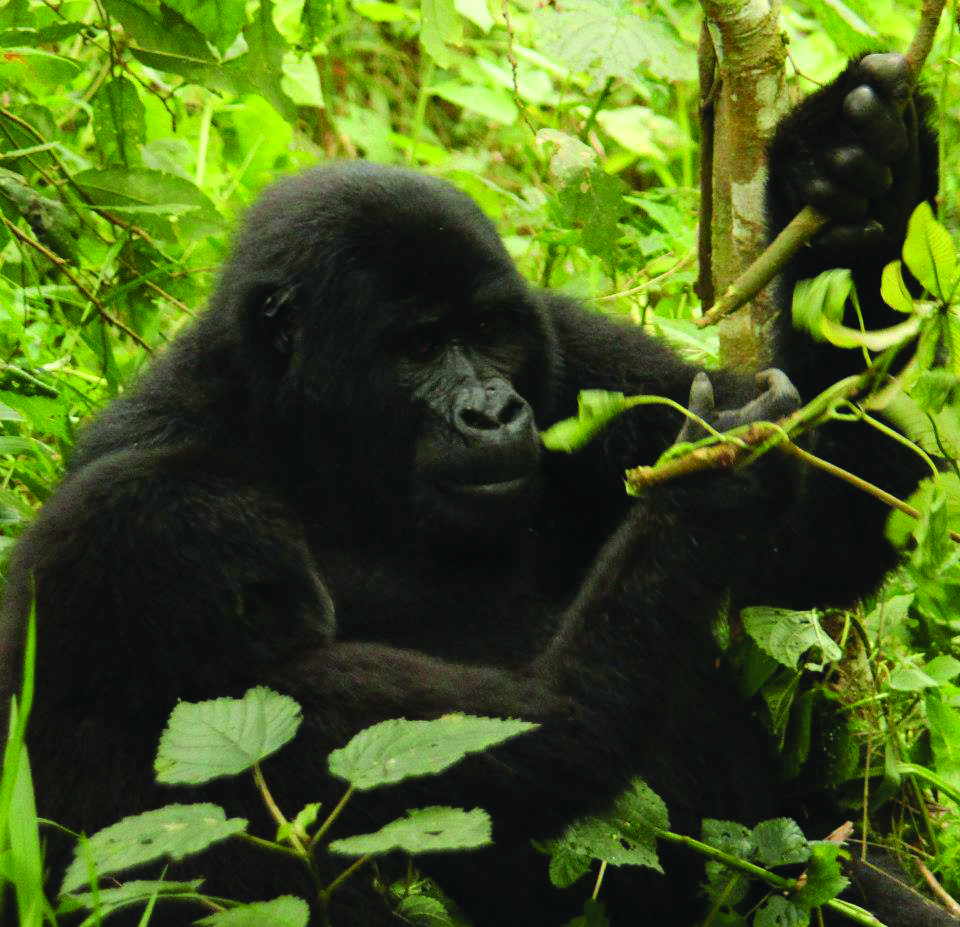
After breakfast, we shall assemble at the Park Offices for the briefing prior to this historic event. Gorilla tracking is a very captivating activity; It might take 1-8 hours which involves walking in the wilderness in search of these gentle giants. Gorilla Tracking can be a challenging activity, therefore ensure physical fitness. Eight people are permitted per group per day. On occasions the Gorillas prove elusive but often can be found within an hour by the tracker guides. It is a wonderful experience to stare in to the eyes of these gentle giants; watch them in awe as they play and go about their daily activities. Gorilla Tracking is indeed a “once in a lifetime” experience that you must never miss. Each encounter with the gorillas is different and has its own rewards, but you are likely to enjoy the close view of adults feeding, grooming and resting as the youngsters frolic and swing from vines in a delightfully playful display.
Stay at Ride for a woman Hotel
DAY THIRTEEN
Birding Main trail Bwindi
After breakfast, we shall go birding in the main forest of Bwindi. Species we will search for include Olive Long-tailed Cuckoo, Bar-tailed Trogon, Dusky Tit, Kivu Ground-Thrush, White-bellied Robin-Chat, Equatorial Akalat, White-tailed Ant-Thrush, Red-throated Alethe, White-eyed Slaty-Flycatcher, Gray-green Bushshrike, Northern Double-collared Sunbird, Black-billed Weaver and Magpie Mannikin. High exposed perches in the open forest are favored by African Goshawk; the dazzling Black Bee-eater, Blue-throated Roller, Sooty Flycatcher and forest starlings including Waller’s, Stuhlmann’s and Narrow-tailed. One of Bwindi’s star avian attractions is the diminutive, pitta-like Neumann’s Warbler, a vocal yet very secretive bird! Other under-storey birds we hope to see include displaying African Broadbill; Banded Prinia and the handsome Black-faced Rufous-Warbler. The mid-storey and canopy supports Elliot’s and Tullberg’s Woodpeckers; Cabanis’, Kakamega and Ansorge’s Greenbuls; the strange Grauer’s Warbler and White-browed Crombec. The rare Jameson’s Antpecker may also been seen probing under moss on dead branches or gleaning warbler-like in the canopy. Overhead, Scarce Swifts forage over the forest. Birding at Buhoma is a truly magical experience. Other wildlife that we may be fortunate enough to find here include the huge Yellow-backed Duiker, Mantled Guereza; L’Hoest’s, Blue and Red-tailed monkeys; Chimpanzee and several species of Squirrels including Fire-footed Rope, Carruthers’ Mountain, Ruwenzori Sun and Red-legged Sun Squirrel.
Stay at Ride for a woman Hotel
DAY FOURTEEN
Bwindi to Lake Mburo NP
Lake Mburo national park is a gem of a park. Though the park is just 370 sq km in size, its landscapes are varied and even a short drive is alive with interest and color.
Lake Mburo national park is the only park in Uganda to contain Impala and the only one in the rift region to host Burchell’s Zebra and Eland. In Uganda, Topi are only found in Lake Mburo and Queen Elizabeth national parks. Common wildlife species include; warthog, buffalo, Oribi and Deffassa Waterbuck.
Common conspicuous birds we will encounter on our journey to Lake Mburo include; Crested Francolin, Emerald Spotted Wood Dove, Brown Parrot, Bare-faced Go-away Bird, Blue-napped Mousebird, Lilac-breasted Roller, Green Wood hoopoe, Common Scimitar Bill, African Grey Hornbill, Spot-flanked Barbet, Nubian Woodpecker, Trilling Cisticola, Yellow-breasted Apalis, Northern Black Tit, Chin-spot Batis, Greater Blue-eared Starling, and Marico Sunbird. The woodland in the immediate vicinity of Rwonyo also supports many of these widespread species.
Stay at Rwakobo Rock Lodge
DAY FIFTEEN
Boat ride Lake Mburo NP
After breakfast, we will have a morning game drive in the Park looking for mammals including Zebras, Impalas, Elands, Topi and Buffaloes. We shall also look out for birds like Trilling and Tabora Cisticola, Crested, Spot-flanked, Black-collared and Red-faced barbet. In the afternoon, we will have a boat trip looking for bird specialties and other mammals in the Park, especially the rare African Finfoot, Giant, Pied and Shinning-blue Kingfishers, Black-crowned and White-backed Night-herons.
Stay at Rwakobo Rock Lodge
DAY SIXTEEN
Lake Mburo to Entebbe
After an early breakfast, we shall have a morning game drive in search of some species we may have missed the previous day. We drive out of the park having our lunch on the way. We shall stop over at the Equator for photographs and continue to Entebbe.
Stay at Boma Hotel
DAY SEVENTEEN
Departure
We fly Entebbe-London where the tour will conclude
WHATS INCLUDED
Fifteen nights en suite accommodation at various hotels, lodges and camps, non direct return flights from UK/Entebbe with one overnight on board the aircraft, all meals from breakfast on day two to dinner on day sixteen, all ground transport and boat trips in Uganda, Gorilla and Chimp tracking permits, services of leaders and reserve entrance fees.
NOT INCLUDED
Transport to/from UK airport and any overnight stay and car parking that might be involved, travel insurance, visa, drinks, laundry, gratuities and any personal items.
PASSPORT, VISA & HEALTH