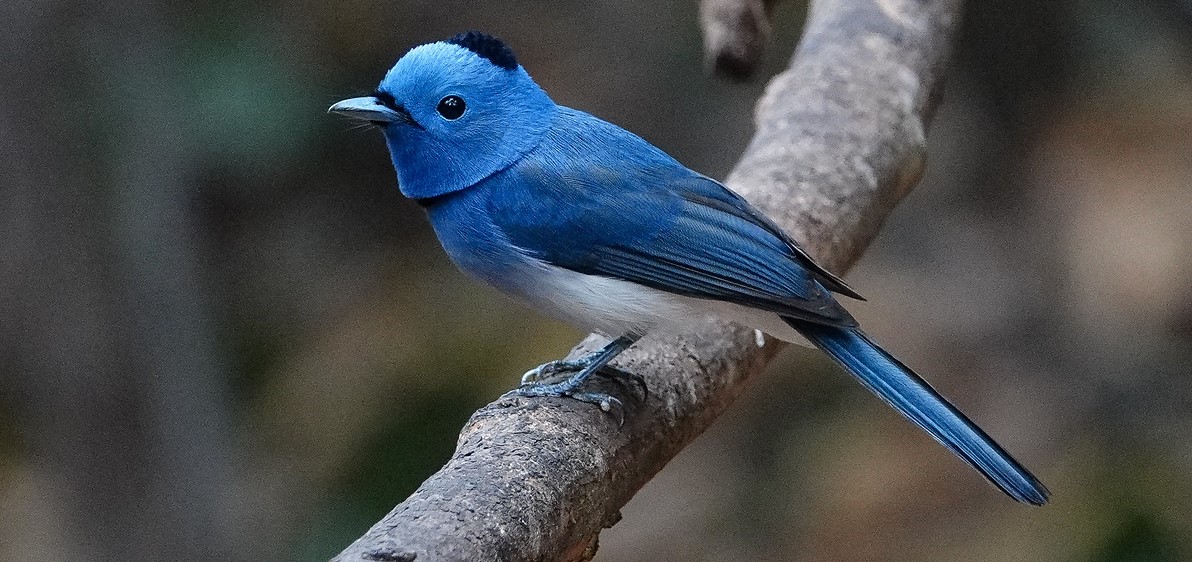
Thailand – Forktails, Flycatchers and Spoon-billed Sandpiper

Thailand – Forktails, Flycatchers and Spoon-billed Sandpiper

Book now

Thailand has long been a destination coveted by birders, and this itinerary focusing on the Northern mountains has it all to offer! Upon arrival in Bangkok, we will head north to Chang Mai and straight into the mountains to find flocks of colourful species, as well as taking in some fantastic views over the Thai-Myanmar border and visiting some hill tribe communities as we search for birds. This border region contains a wide variety of fabulous birds and mountain habitats including forest and farmland. As well as some real speciality species, our visit to the north will also allow us to find a variety of flycatchers, laughing thrushes, woodpeckers, bulbuls, babblers, game birds and wintering leaf warblers as well as rails and crakes and wildfowl.


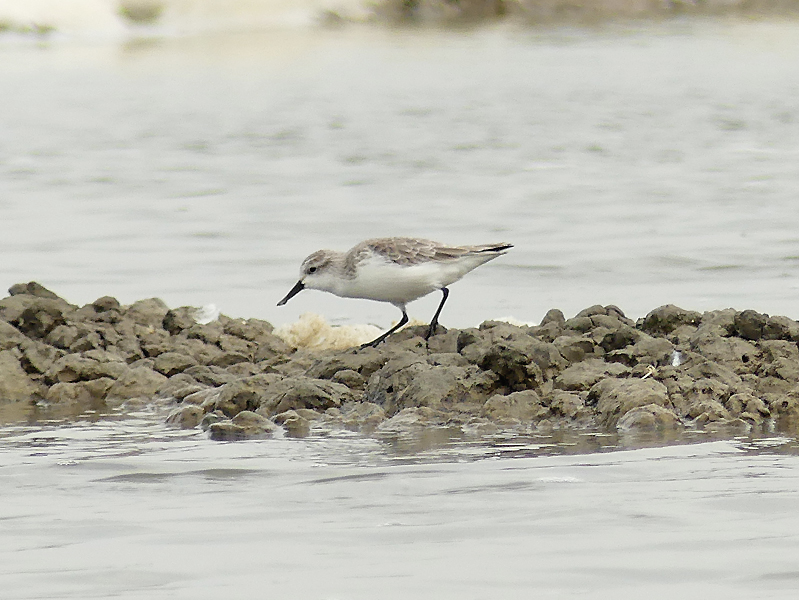
To compliment the northern part of the tour, we will also spend time on the Gulf of Thailand for a whole host of shorebirds including some exceptionally rare species (not least the chance of Spoon-billed Sandpiper) and the beautiful pristine jungle around Kaeng Krachan where we can expect some superb birding to include various broadbills, trogons, raptors, woodpeckers, hornbills and possibly pittas, among others, and there is a chance of big mammals too. Walks are not lengthy, but will be slow, along roads and dirt tracks and will on occasions be reached using 4 x 4 vehicles. At times we do need to move quickly to intercept birds and we will frequently stay out for lengthy periods, but there are no long walks. Some road and track walking is steep for short stretches. Your guides will be Marcus Nash and local guides, and you can expect to see around 450 species. 

DAYS ONE & TWO
Catch the overnight flight from London to Bangkok. Upon arrival in the early morning of day two, we fly on to Chiang Mai. After a short rest and check in, we will begin our birding at Mae Hia agricultural college, Chiang Mai, in late afternoon. This is a good place to see Burmese Shrike, Indochinese Bushlark, Wire-tailed Swallow, Striated Swallow, Long-tailed Shrike, Pied Bushchat, Yellow-eyed Babbler and a large number of commoner open country species like Black-collared Starling, Paddyfield Pipit, Green Bee-eater, Stejneger’s Stonechat and many more. This is a good, easy introduction to Thailand’s birds after a long journey.

Overnight on day one on board the aircraft and on day two at Chiang Mai.
 
DAY THREE
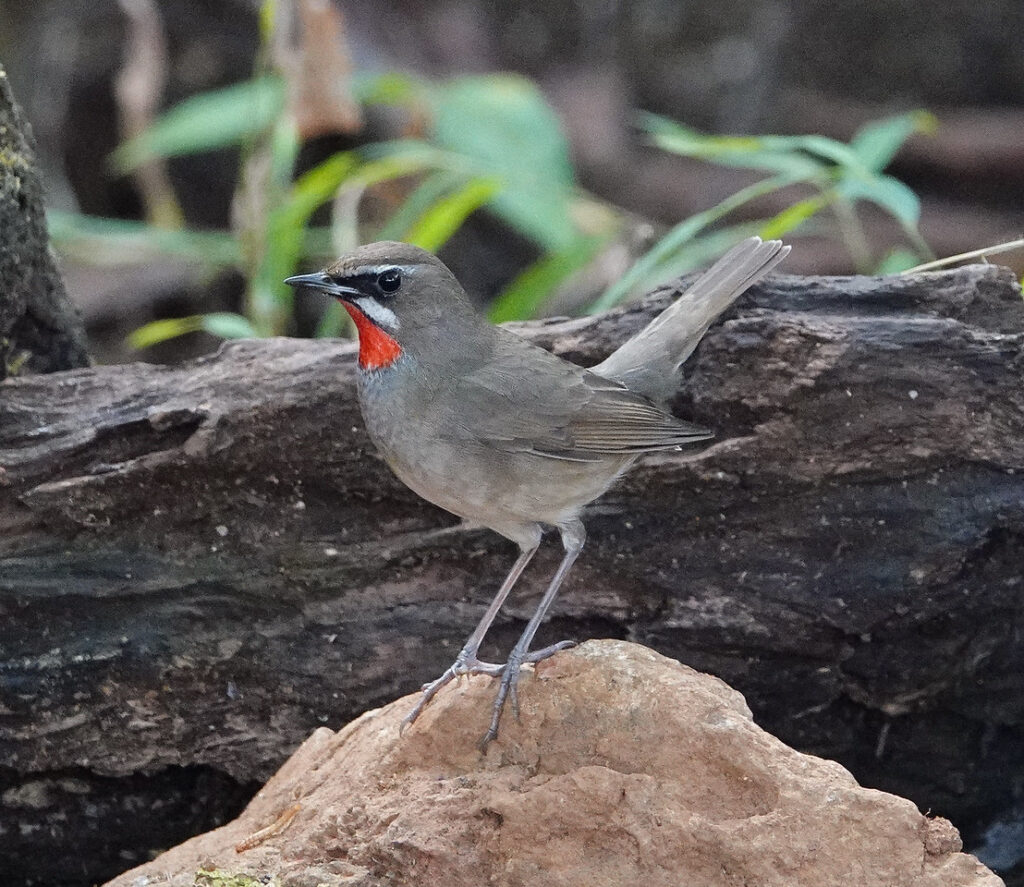
We leave the hotel at 6am and drive one hour to Mae Taeng Irrigation Project, where we will have breakfast in the field. This is a good spot for finding a wide range of open country and wetland species with birds such as Lineated Barbet, Asian Green Bee-eater, Coppersmith Barbet and Asian Koel usually perched out in the early morning sun. In the river there are usually a few wading birds such as Green Sandpiper, Black-winged Stilt and Little Ringed Plover but a flock of Small Pratincoles is normally the highlight. This is also a good place to see our first Amur Stonechats, Dusky Warblers and Pied Bushchats and our first chance to look for a few tricky birds typical of this habitat that include the stunning Siberian Rubythroat, Chestnut-capped Babbler and Eurasian Wryneck.
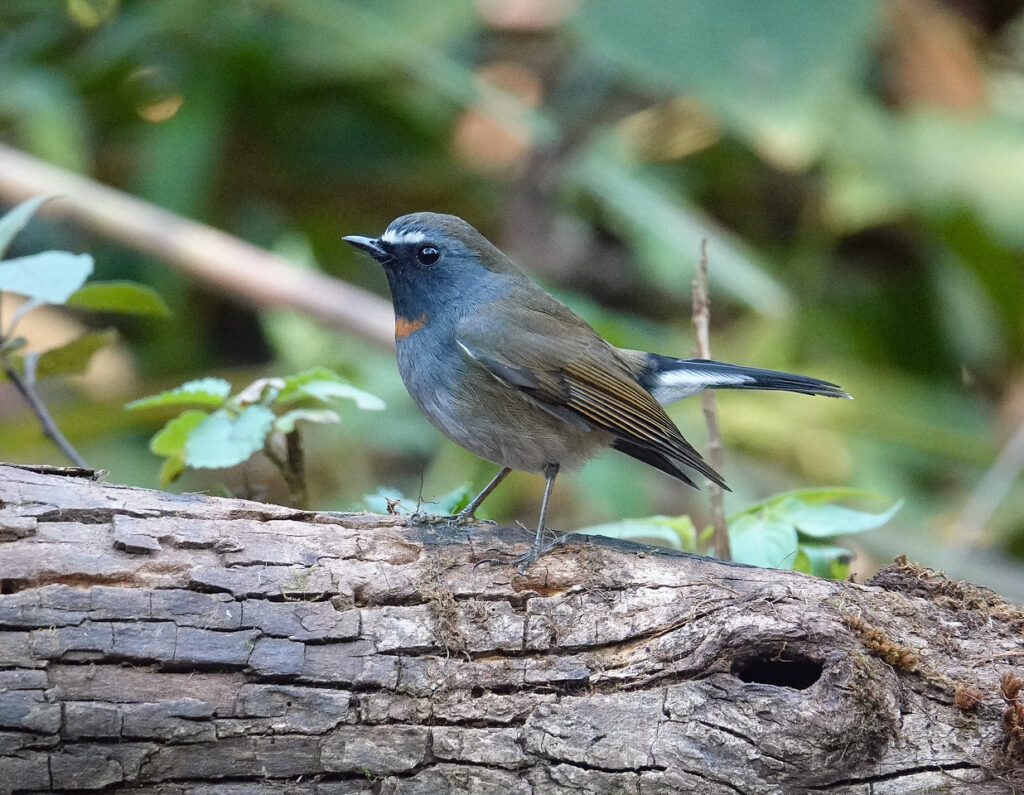
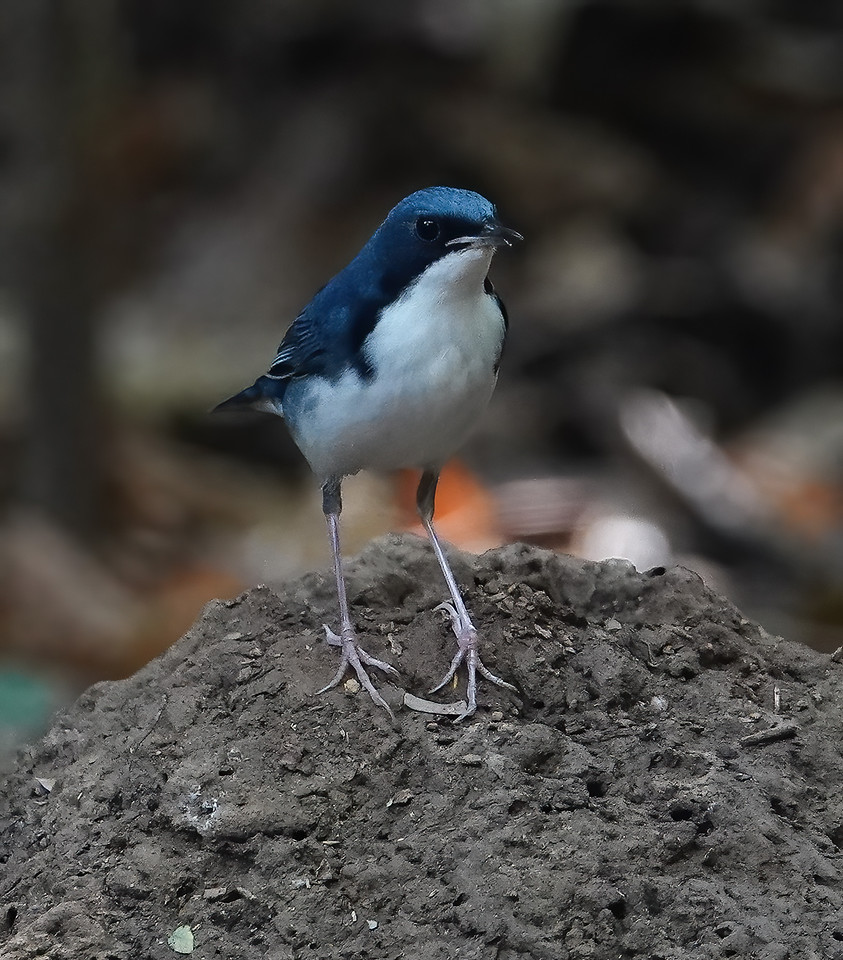
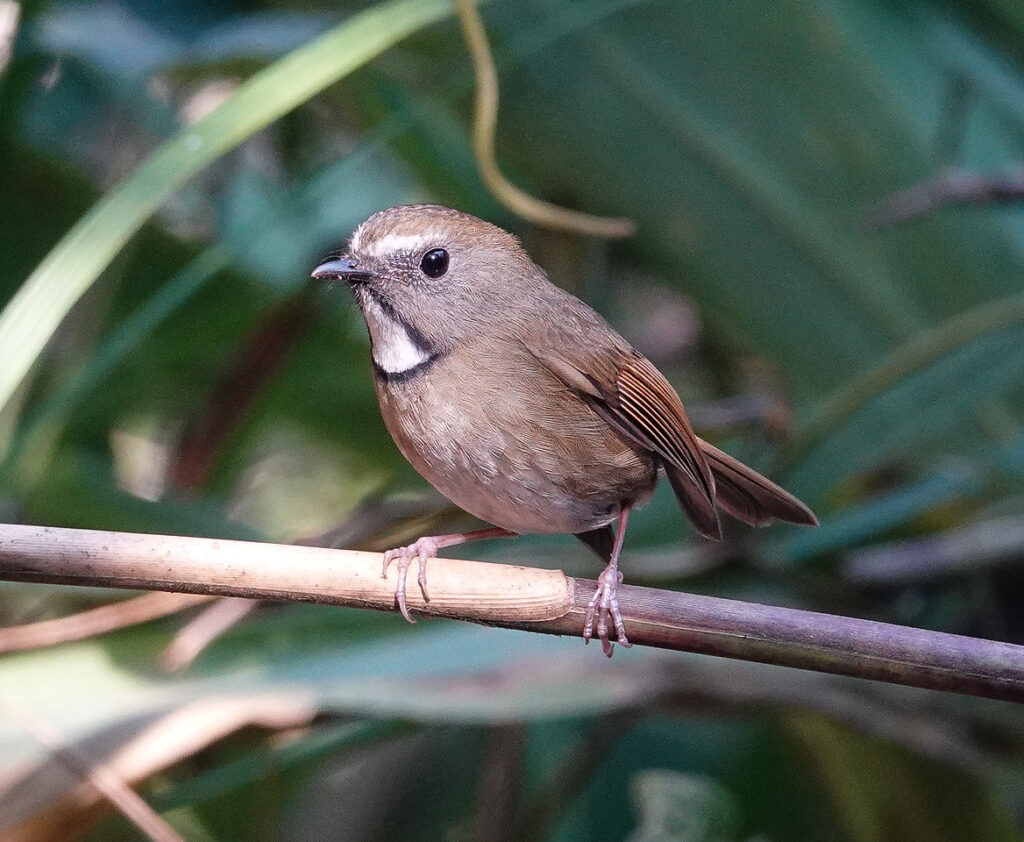
We then drive north (about 2.5 hours), having lunch at the town of Fang before heading up Doi Lang West to check out the stakeouts for species such as Ultramarine Flycatcher, Rusty-cheeked Scimitar Babbler, White-browed Laughingthrush, White-gorgetted Flycatcher, Rufous-gorgetted Flycatcher, Silver-eared Laughingthrush, Slaty-blue Flycatcher, White-bellied Redstart and the stunning Siberian Rubythroat. We should be able to connect with Spot-breasted Parrotbill and many other high altitude species such as Stripe-breasted Woodpecker, Claudia’s Leaf Warbler, Dark-backed Sibia, Blue-winged Minla, Hume’s Leaf Warbler and lots more. 
 
DAY FOUR
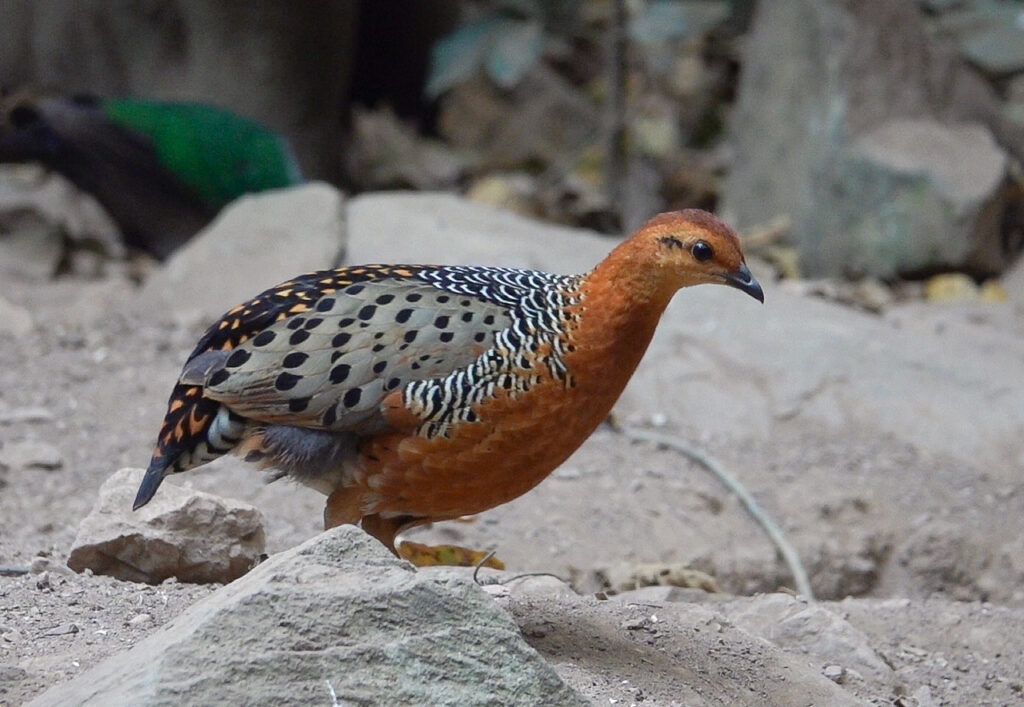
An early start to be in the right spot at Doi Lang West to target Mrs Hume’s Pheasant in pine forest. In this habitat we should also find another speciality, Giant Nuthatch, as well as Rufous-backed Sibia, Grey-crowned Warbler, Rusty-cheeked Scimitar Babbler, Olive-backed Pipit, Little Pied Flycatcher, Long-tailed Minivet and by checking out flocks here we might be able to find Himalayan Cutia and Grey-headed Parrotbill too. There is also a good chance of Mountain Bamboo Partridge in this area as well as Chestnut-bellied Rockthrush, Rufescent Prinia, Greater Yellownape, Large Cuckooshrike and many others.
Moving on to moister forest there are a wide range of other birds to look for including some that come to feeding stations such as Rufous-gorgetted Flycatcher, Hill Blue Flycatcher, Rufous-bellied Niltava and Silver-eared Laughingthrush. In nearby grassy areas we will look for Spot-breasted Parrotbill but as things get warmer it is good to retreat to the shady areas where flocks of small birds often range. Yunnan Fulvetta flocks often contain Golden Babblers and Marten’s Warbler while the song of Hume’s Treecreeper frequently gives it location away here. We will have our packed lunch in this area before descending and visiting a set of rice fields where we expect to see the critically endangered Yellow-breasted Bunting. This is also a great spot for Grey-headed Lapwing, Citrine Wagtail, Chestnut-tailed Starling and Pied Harrier.
 
DAY FIVE
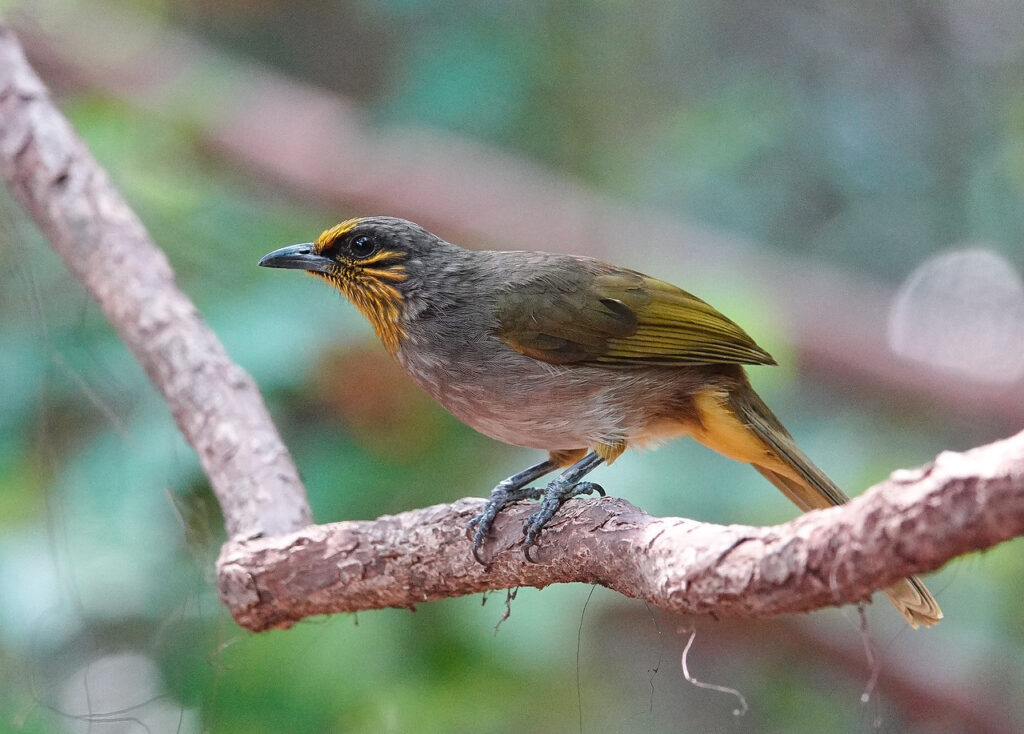
Today we will visit Doi Ang Kang. We leave at 6.15am to be at the right place by 7am for what should be an easy Giant Nuthatch. This is also a good spot for Chestnut-bellied Rockthrush, Eyebrowed Thrush, Rufous-gorgetted Flycatcher, Golden-throated Barbet, Striated Bulbul, Slender-billed Oriole, Buff-throated Warbler, Blyth’s Shrike-babbler and many other birds.
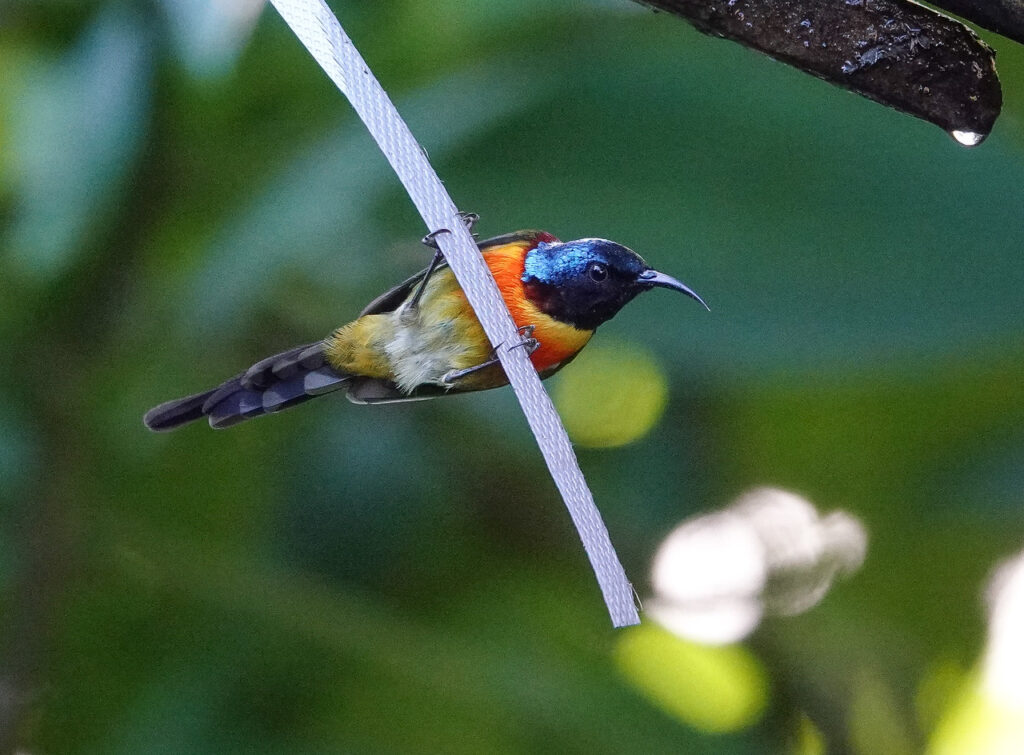
After this we visit the King’s Project area which usually gives us good views of Silver-eared Mesia, Yellow-bellied Warbler, Black-breasted Thrush, Hill Blue Flycatcher, Mrs Gould’s Sunbird, Black-throated Sunbird, Chestnut-flanked White-eye and it often provides some surprises – it is a very pretty area and birding here is pleasant.
We have time to visit a military camp for Yellow-streaked Warbler, Daurian Redstart and some nice views into Myanmar before having lunch in a nearby village. After this we can check out the Chinese cemetery area for Brown-breasted Bulbul, Little Bunting and a few other species before heading back down the mountain for an early finish. 
For those who do not want to finish early we can go to some nearby rice fields for the last hour or so of light where there is an excellent chance of seeing Oriental Skylarks in song flight and Pied Harrier.
 
DAY SIX
Breakfast at 6am, then make the short drive to the picturesque Fang Hot Springs, a reliable site for Spot-winged Grosbeak but also a good location for us to see Asian Barred Owlet, Eurasian (White-faced) Jay, Taiga Flycatcher, Striated Swallow, Coppersmith Barbet, Shikra, Golden-fronted Leafbird, Two-barred Warbler, Blue Rockthrush, Lineated Barbet, Long-tailed Minivet, Blue-bearded Bee-eater, Shikra and plenty of other species.
By mid-morning we will be finished here and then drive around 2 hours to the small town of Chiang Saen on the Mekong River where we will have lunch and we can usually see Brown-throated Martin from the restaurant. After checking in to our hotel we will spend the afternoon birding around Chiang Saen Lake looking for migratory ducks with Baer’s Pochard being the ultimate target. A few of these critically endangered birds winter in the area each year but finding them can be difficult and require some luck. Easier birds to see will be Indian Spotbilled Duck, Bronze–winged Jacana, Pheasant-tailed Jacana and Grey-headed Swamphen while in the evening we can wait for Pied and Eastern Marsh Harriers to come to roost.
 
DAY SEVEN
We can spend most of the day birding around Chiang Saen looking for groups of ducks that may contain Baer’s Pochard. Grey-headed Lapwing and Citrine Wagtail are often seen here as are large flotillas of Lesser Whistling Duck. Depending on up-o-date information we may also drive south an hour or so to visit another lake where rarer ducks often spend the winter and Cotton Pygmy Goose is regular too.
Exactly what we do on this day will depend on what has been seen in the area and where. Eventually we drive back to Fang.
 
DAY EIGHT
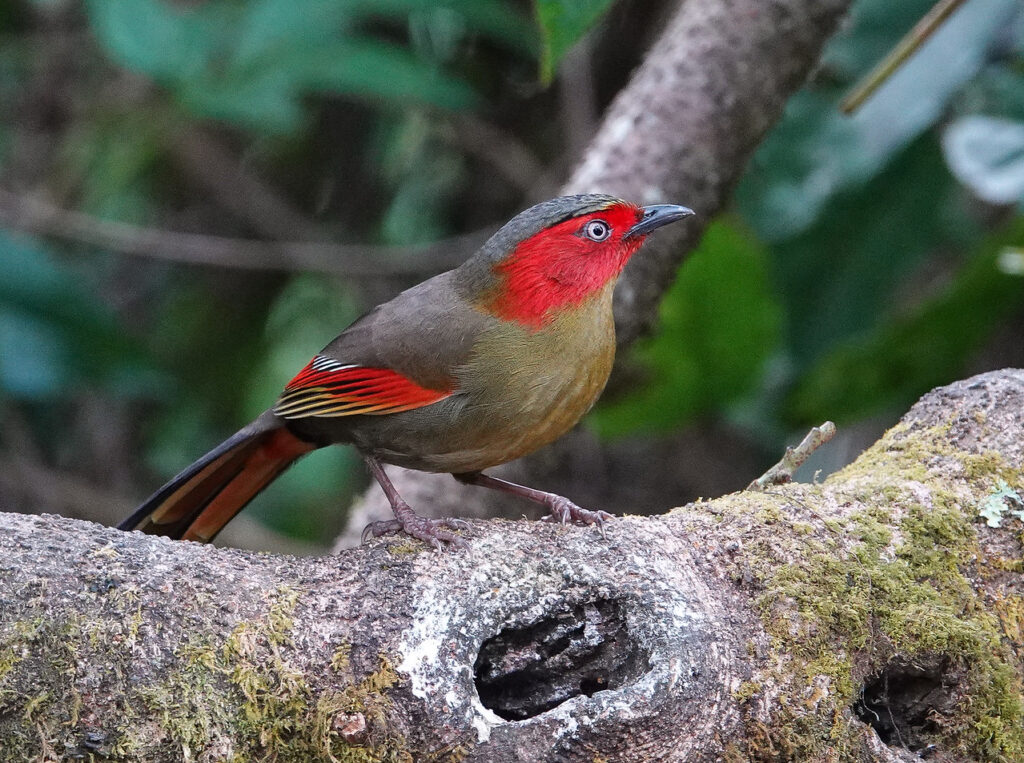
Today we have another visit to Doi Lang West. We can target Mrs Hume’s Pheasant if we did not see it the first time but if we did we will bird in a different part of the mountain where we have a good chance of finding Necklaced Woodpecker, Spot-breasted Parrotbill, Maroon Oriole and perhaps Scarlet-faced Liocichla in the early morning.
There are very many good birds on this mountain and it takes time to find them so this extra day allows us to locate rarer birds such as Himalayan Cutia, Black-throated Tit, Spectacled Barwing and many others.
 
DAY NINE

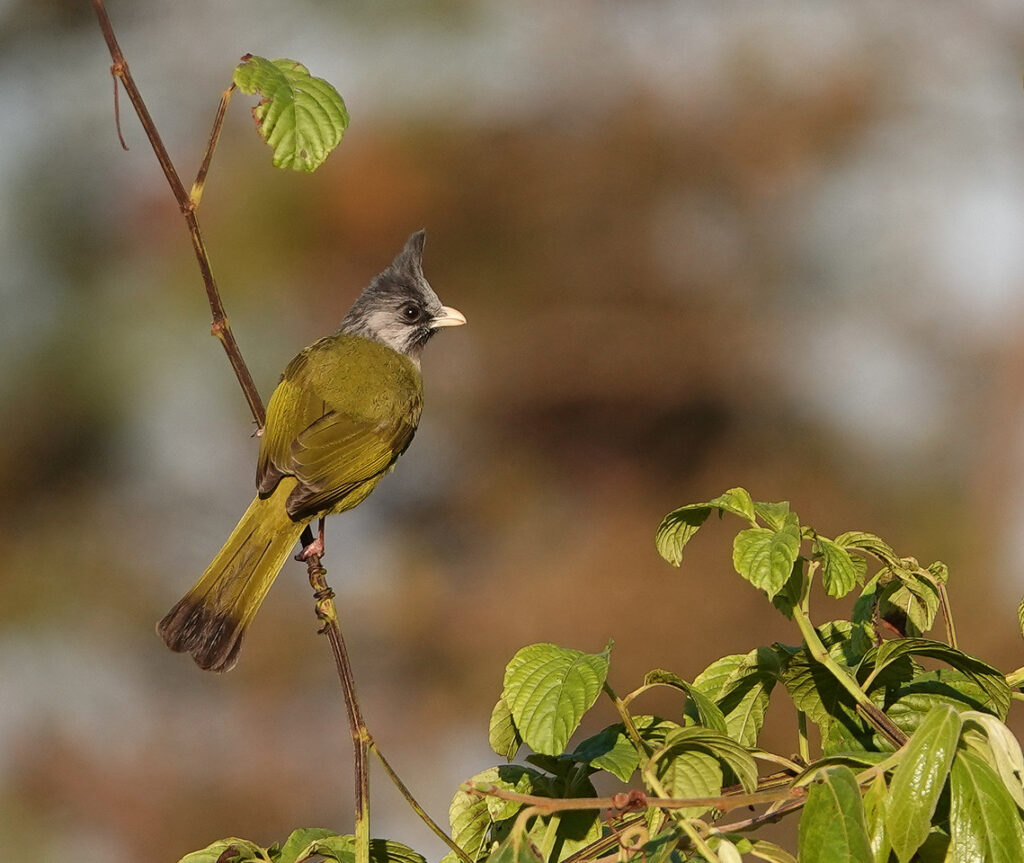
We can spend another morning on Doi Ang Kang looking for any species not previously seen. This is a good opportunity to spend the early hours at a different spot where we may be able to find Chestnut Bunting and White-browed Laughingthrush. Again, there are lots of options up here and this extra time will allow us the best chance of seeing key species such as Crested Finchbill and maybe get lucky with something rarer like Scaly Thrush.
By mid-morning we start the drive to our accommodation near Doi Inthanon, stopping along the way for lunch and check in (about 5 hour drive). After a little rest time we can look for Owls near our accommodation with Spotted Owlet and Asian Barred Owlet probable and Brown Boobook possible.


DAY TEN
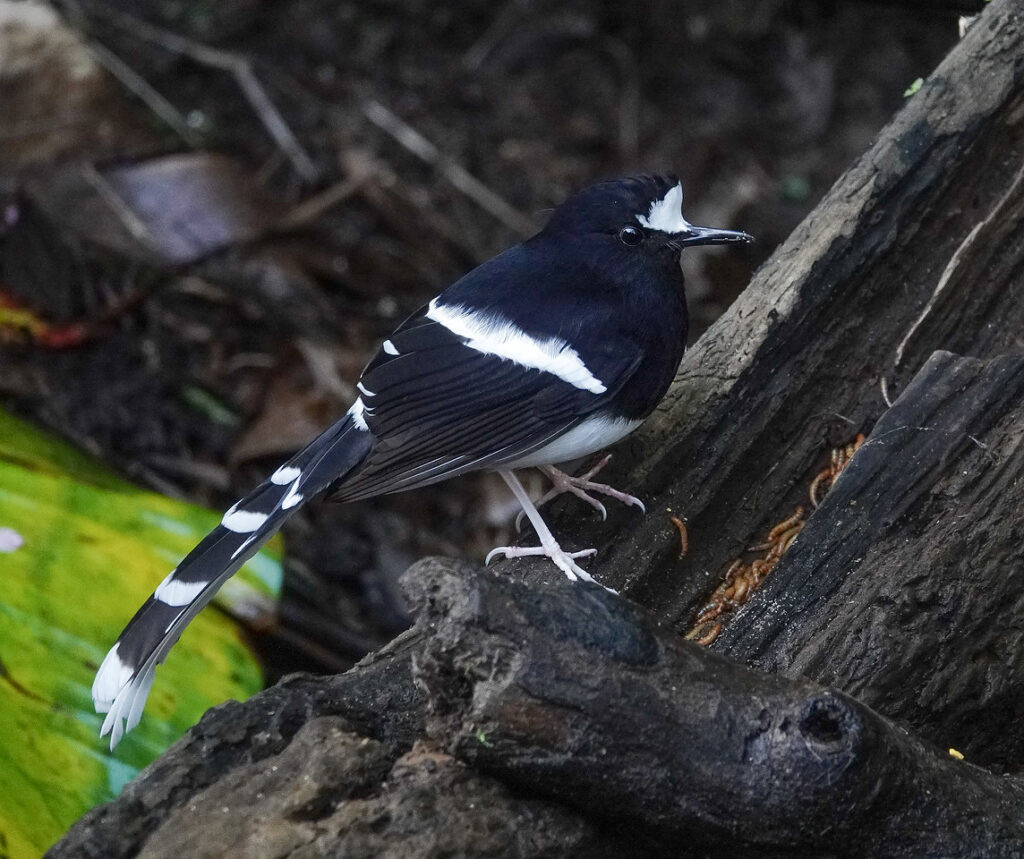
We will spend all day at Doi Inthanon National Park. On our way up the mountain we stop at a waterfall to search for Slaty-backed Forktail, White-capped Redstart and Plumbeous Redstart before walking a track at around 1800m. This takes us through a variety of forest types and is a good spot for Hume’s Treecreeper, Clicking Shrike Babbler, Silver-eared Mesia and a couple of skulkers including Pygmy Wren Babbler and Slaty-bellied Tesia. Other targets here will include Golden-throated Barbet, Short-billed Minivet, White-throated Fantail, Yellow-bellied Fantail, Large Niltava, Vivid Niltava, White-headed Bulbul, Wedge-tailed Green Pigeon and Asian Emerald Cuckoo.
After lunch we can visit the summit for the remainder of the afternoon to have our first chance at the specialities here. We can expect flocks of semi-tame birds to include Chestnut-tailed Minla, Ashy-throated Warbler, Rufous-winged Fulvetta, Blyth’s Leaf Warbler, Mrs Gould’s Sunbird, Green-tailed Sunbird and perhaps Yellow-browed Tit. On the summit boardwalk we get our first chance at Rufous-throated Partridge, White-browed Shortwing and some other skulkers before heading down to our accommodation.
 
DAY ELEVEN
We begin by reaching high altitude as the sun hits the trees and this should provide us with a sighting of a small flock of Speckled Woodpigeons. At the summit itself we will put in an effort to find Dark-sided Thrush, Pygmy Wren Babbler, Rufous-throated Partridge, White-browed Shortwing and Snowy-browed Flycatcher and check out any fruiting/flowering trees for Yellow-bellied Flowerpecker, Eyebrowed Thrush and Grey-sided Thrush.
Moving down the mountain, if we have not already seen them we can walk a short distance down a rather rutted trail to look for Slaty-bellied Tesia, Clicking Shrike Babbler and Small Niltava.
Head down the mountain and have lunch at our accommodation.
 
DAY TWELVE
A final morning at Doi Inthanon where we can spend some time at a nearby bird watching tower specifically constructed to give views of Blossom-headed Parakeets in the early morning. With luck there will be some Green Peafowl too and other birds should include Purple Sunbird, Golden-fronted Leafbird and Black-hooded Oriole to mention a few.
After a short morning we drive to Chiang Mai airport and after lunch take a flight to Bangkok and then travel on to Petchaburi for overnight ready for an early start the next day.
 
DAY THIRTEEN
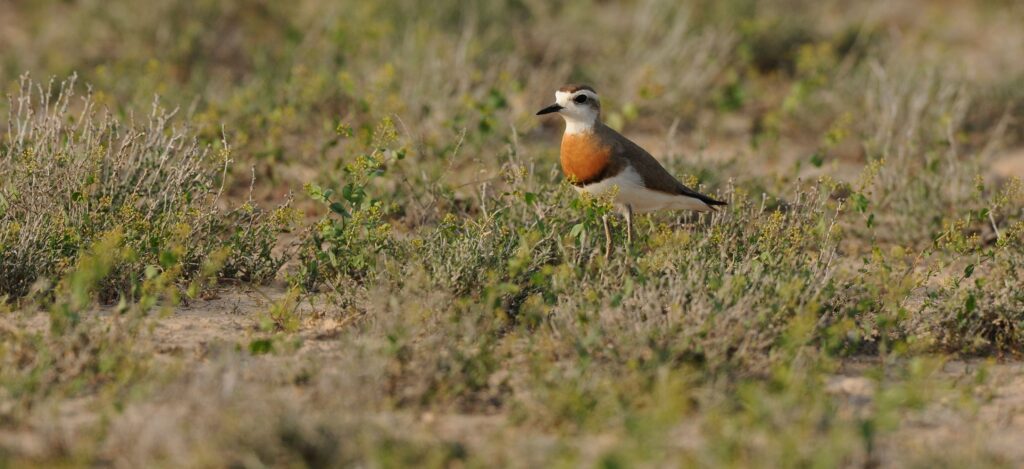
An early start will see us reach Pak Thale by about 7am where we will be perfectly placed to enjoy Spoon-billed Sandpiper. This area is probably the best shorebird site in the world and we should be able to see very large numbers of birds, large numbers of species as well as some very rare birds. Throughout the day we can see Great Knot, Nordmann’s Greenshank, Asian Dowitcher, Terek Sandpiper, Long-toed Stint, Far Eastern Curlew, Whimbrel, Lesser Sand Plover, Kentish Plover, Curlew Sandpiper, Broadbilled Sandpiper, Greater Sand Plover, Eurasian Curlew, Red-necked Stint, Temminck’s Stint, Pacific Golden Plover and many more.
There are also lots of terns, egrets, Painted Storks, Brown-headed Gulls and others to see here.
A short boat ride takes us to a location for Malaysian Plover, Collared Kingfisher, Great Crested Tern, Chinese Egret and White-faced Plover, while scrubland and pools could turn up Plain-backed Sparrow, White-shouldered Starling, Indochinese Bushlark, Painted Snipe and Indian Nightjar.
 
DAY FOURTEEN
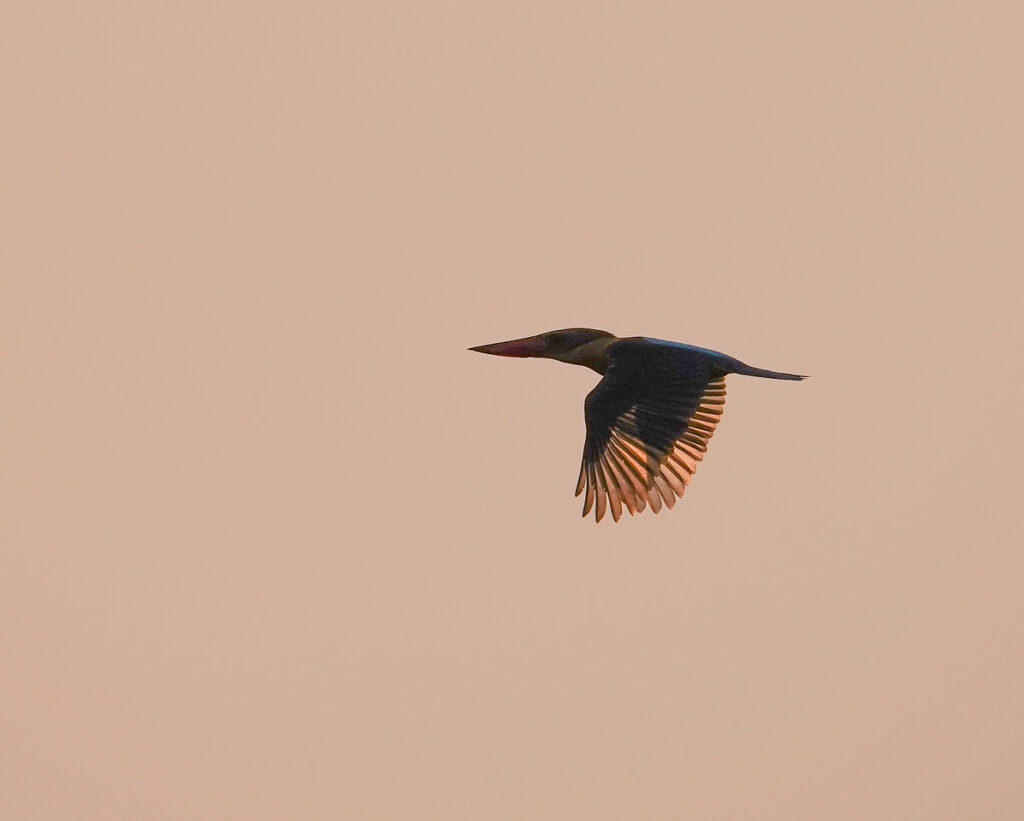
After breakfast we drive a short distance to some rice fields to look for a number of new species that should include Chestnut-capped Babbler, Oriental Darter, Cotton Pygmy Goose, Stork-billed Kingfisher, Black-capped Kingfisher, Bronze-winged Jacana, Yellow Bittern, Asian Openbill, Black-browed Reed Warbler, Asian Golden Weaver, Baya Weaver, Yellow-bellied Prinia and perhaps Cinnamon Bittern, White-browed Crake and Ruddy-breasted Crake.
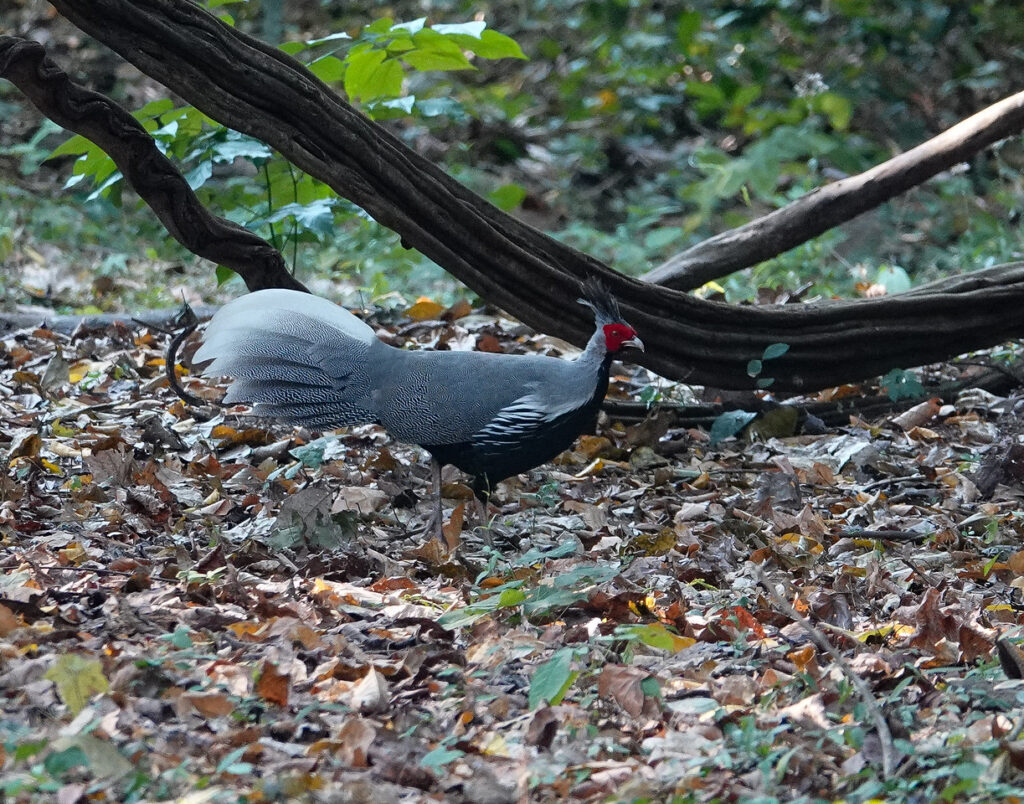
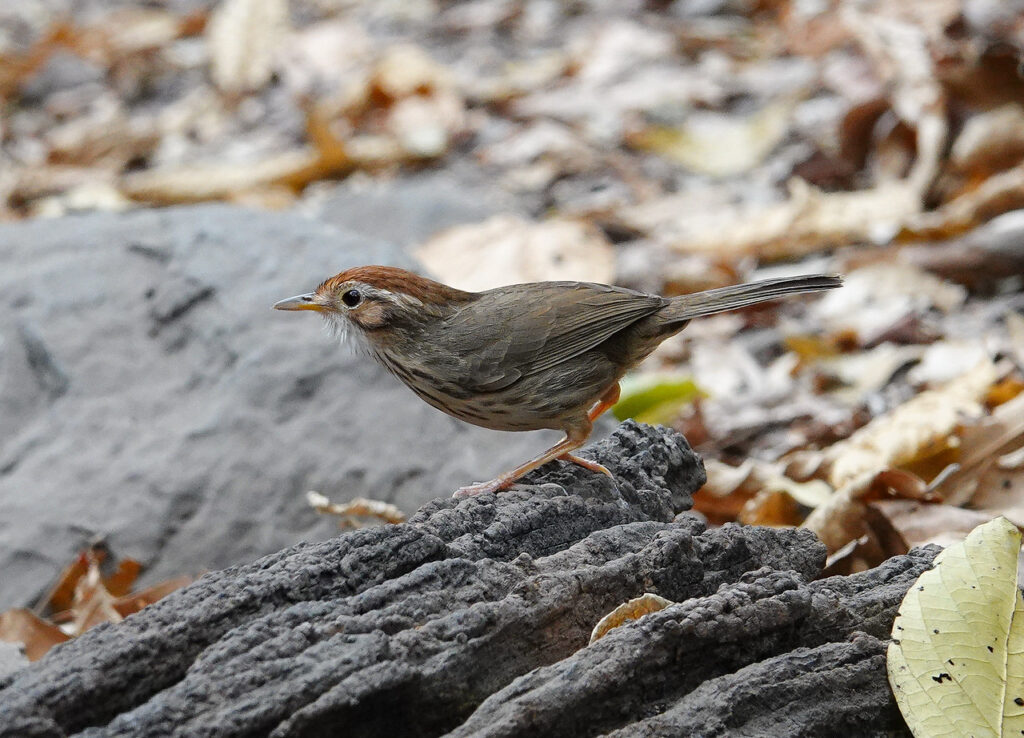
Depending how we have got on with the waterbirds will depend on what time exactly we depart the area to head to Baan Makka, our next base. Most likely we will head there in the afternoon and visit a nearby hide which overlooks a feeding and bathing area where we should see a lot of birds coming to visit. Likely species include Scaly-breasted Partridge, Large Scimitar Babbler, Lesser Necklaced Laughingthrush, Puff-throated Babbler, Red Junglefowl, Kalij Pheasant, Emerald Dove, Siberian Blue Robin, Greater necklaced Laughingthrush, Tickell’s Blue Flycatcher, Black-naped Monarch.
 
DAYS FIFTEEN – SEVENTEEN
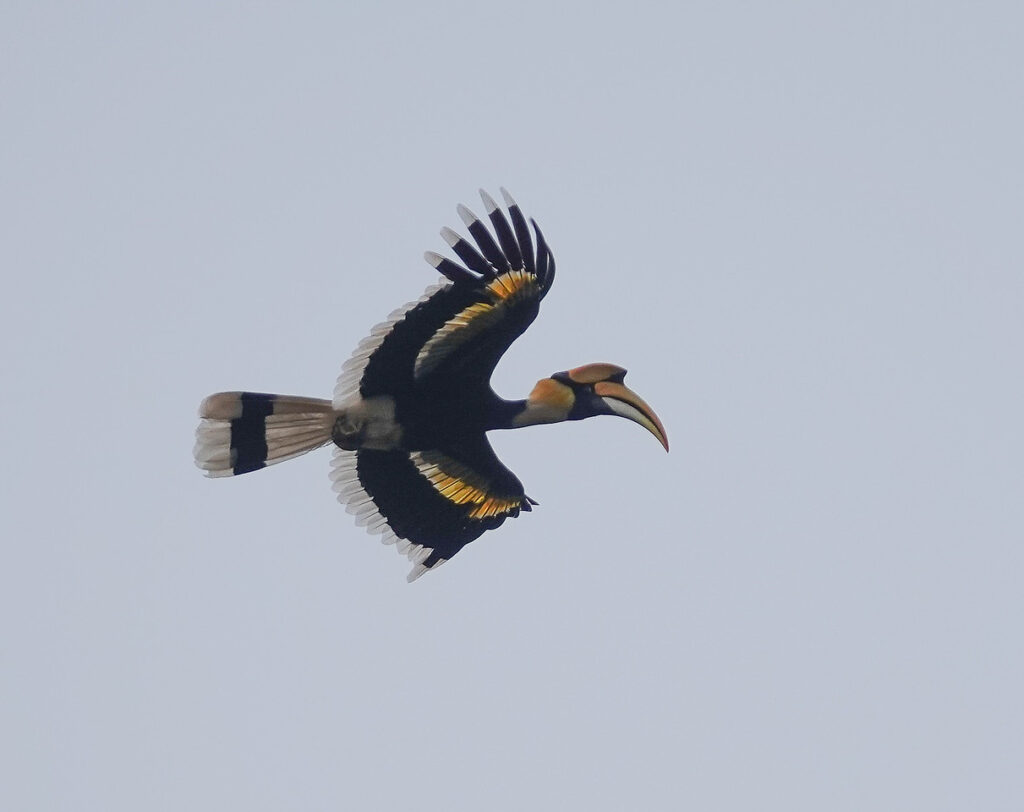
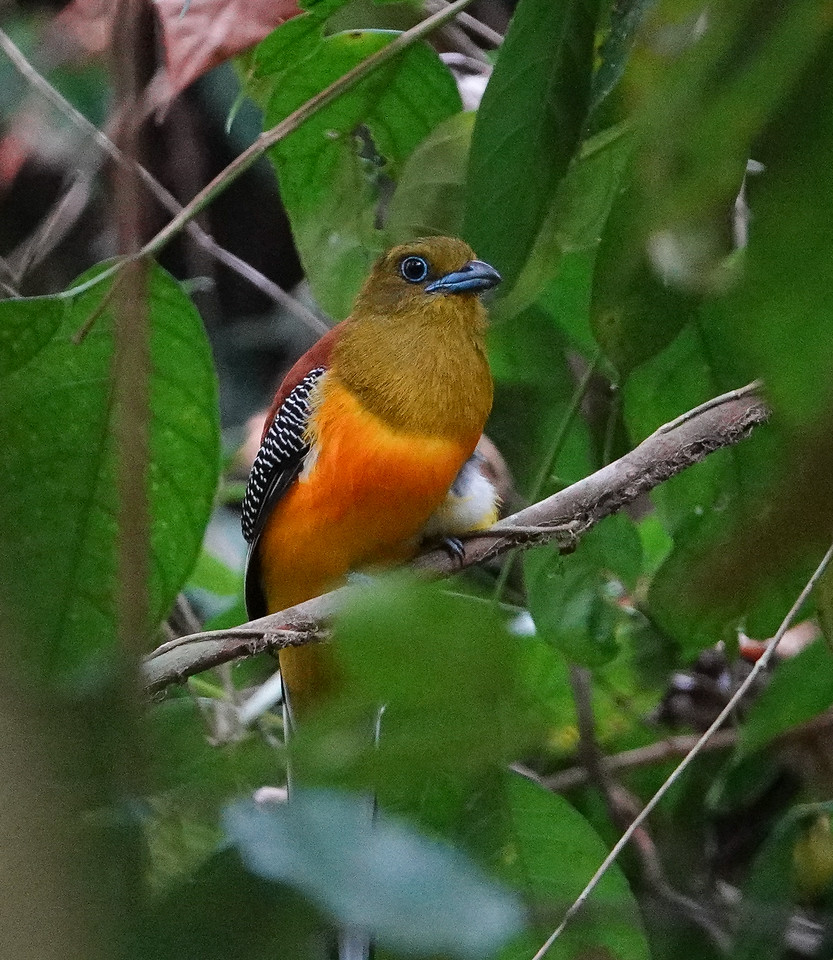
In the mornings we visit the lowlands of Kaeng Krachan National Park. This is mostly moist forest and plays host to a lot of exciting species. Target birds that we have a high chance of seeing include the fantastic Great Hornbill, Black-thighed Falconet, Sultan Tit, Grey-rumped Treeswift, Oriental Pied Hornbill, Black-and-yellow Broadbill, Greater Flameback, Common Flameback, Greater Yellownape, Orange-breasted Trogon, Black-and-red Broadbill, Green-eared Barbet, Blue-eared Barbet, Blue-bearded Bee-eater, Thick-billed Green Pigeon while common birds include Asian Fairy Bluebird, Ochraceous Bulbul, Ruby-cheeked Sunbird, Asian Brown Flycatcher, Green-billed Malkoha, Pin-striped Tit Babbler and many others.
In the afternoon we will spend time at higher altitudes (if accessible). Here there are some species that we are unlikely to find elsewhere on this tour including Red-headed Trogon, Ratchet-tailed Treepie, Rufous-browed Flycatcher, White-crested Laughingthrush, Black-throated Laughingthrush and a few others.
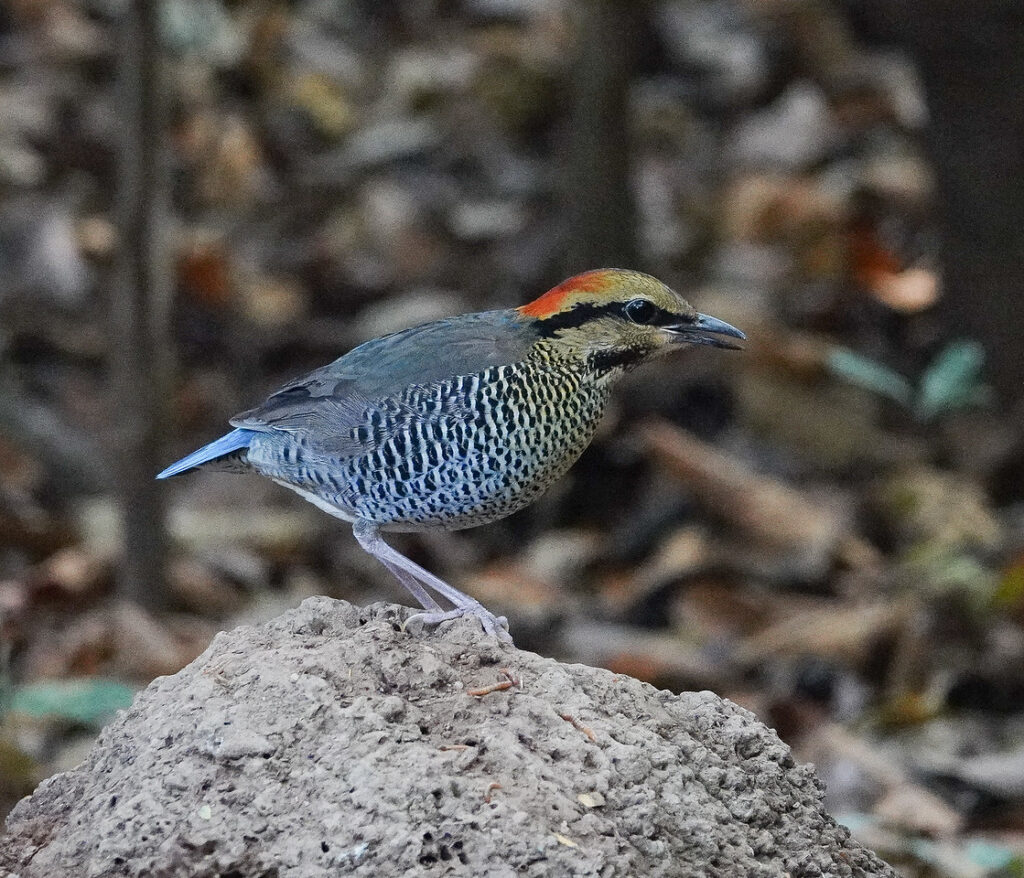
At lower altitudes there is a wealth of other species that are rarer but we have a fair chance of finding some of the following; Banded Kingfisher, Banded Broadbill, Tickell’s Brown Hornbill, Blue Pitta, Silver-breasted Broadbill, Crimson-winged Woodpecker, White-browed Piculet, Common Green Magpie, Wreathed Hornbill, Golden-crested Myna. 
 
DAY EIGHTEEN
On our final morning we can revisit the forest to look for any target species not yet found. It is likely that we will still be looking for Blue Pitta and some Broadbills.
We have lunch at our accommodation where we can look for Black-hooded Oriole before heading towards Bangkok. We have time to make a stop at a large fishpond where we should find Black-headed Ibis, Black-eared Kite and perhaps something rarer before making a final visit to the rice fields to look for large raptors including Greater Spotted Eagle, Steppe eagle and Eastern Imperial Eagle. If we are lucky we may still be able to add Freckle-breasted Woodpecker to our list to finish with.
Drive back to Bangkok and overnight in Bangkok.
 
DAY NINETEEN
We catch the lunchtime flight back to the UK, arriving in the early evening of the same day. The tour will conclude upon arrival.
WHAT’S INCLUDED
Return and internal flights London/Bangkok/Chiang Mai /Bangkok/ London, all accommodation, all meals including in flight meals on first and last days, drinking water, services of leaders, ground transport in Thailand, all reserve and hide entrance fees, boat trips and airport transfers.
 
NOT INCLUDED
Transport to/from London airport and any overnight stay that might be involved, travel insurance – must include cover for medical evacuation, drinks other than those stated, gratuities and any items of a purely personal nature.
 

PASSPORT, VISA & HEALTH

Visas are not required by UK nationals. Passports must have 6 months validity beyond the return travel date. Standard health and inoculation requirements apply for UK nationals, visit www.masta-travel-health.com to check these and if necessary, download a free health brief to take to a travel appointment at your local medical practice. 

I thoroughly enjoyed the trip. Spoon-billed Sandpiper has been long on the top of my list. The views we had were beyond my expectations. Both D’Teng and Marcus were excellent, knowledgeable guides, who helped make the trip special. I cannot praise the drivers enough. Always felt safe and well looked after. 

FC, UK
Latest Tweets

Our latest group to visit Brazil’s Pantanal are having a great time - here is one of their Jaguar encounters from yesterday!

This fantastic trip is superb for mammals as well as birds - check out next years itinerary details here 👉🏻 https://www.oriolebirding.com/tour/brazil-pantanal-cerrado/

Load More

Join our Newsletter

Don’t miss our latest offers, news and availability! To subscribe to our newsletter, simply follow the link below and you will automatically receive our next issue by email, as well as any news on fact finding tours not listed in our main programme. Past newsletters can be viewed by clicking here.

Subscribe to the Oriole Birding newsletter

ATOL Protected

All the flights and flight-inclusive holidays on this website are financially protected by the ATOL scheme. When you pay you will be supplied with an ATOL Certificate. Please ask for it and check to ensure that everything you booked [flights, hotels and other services] is listed on it.


Please see our booking conditions for further information