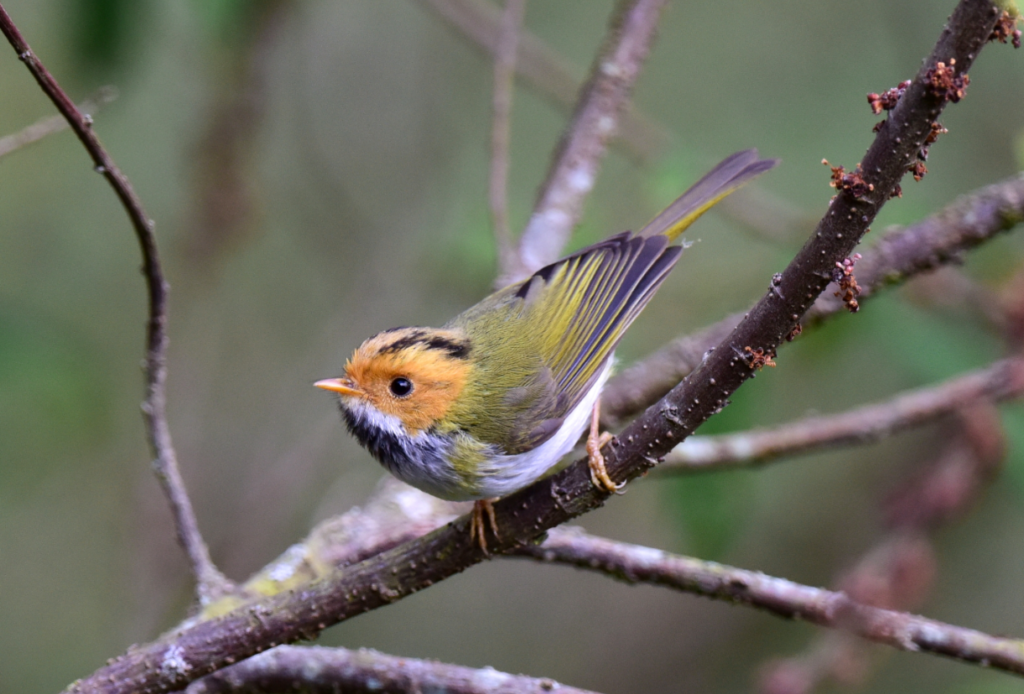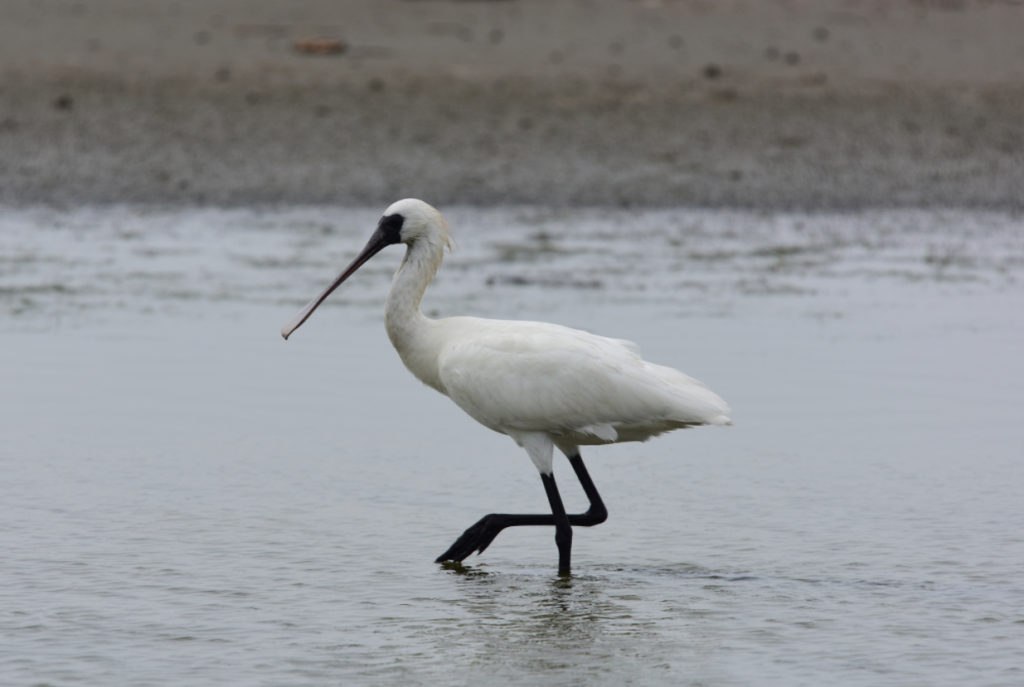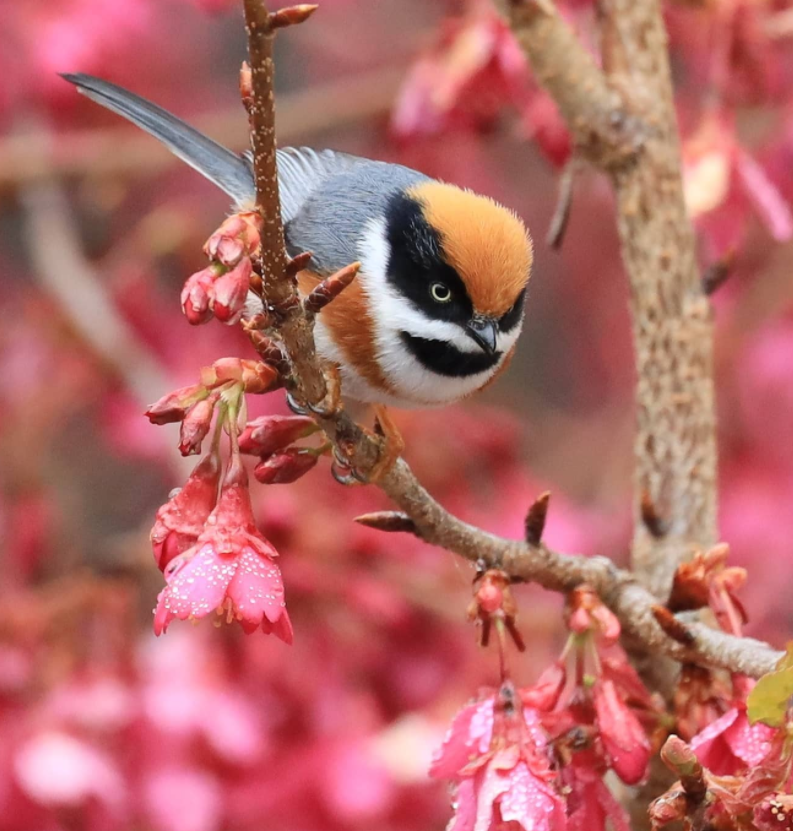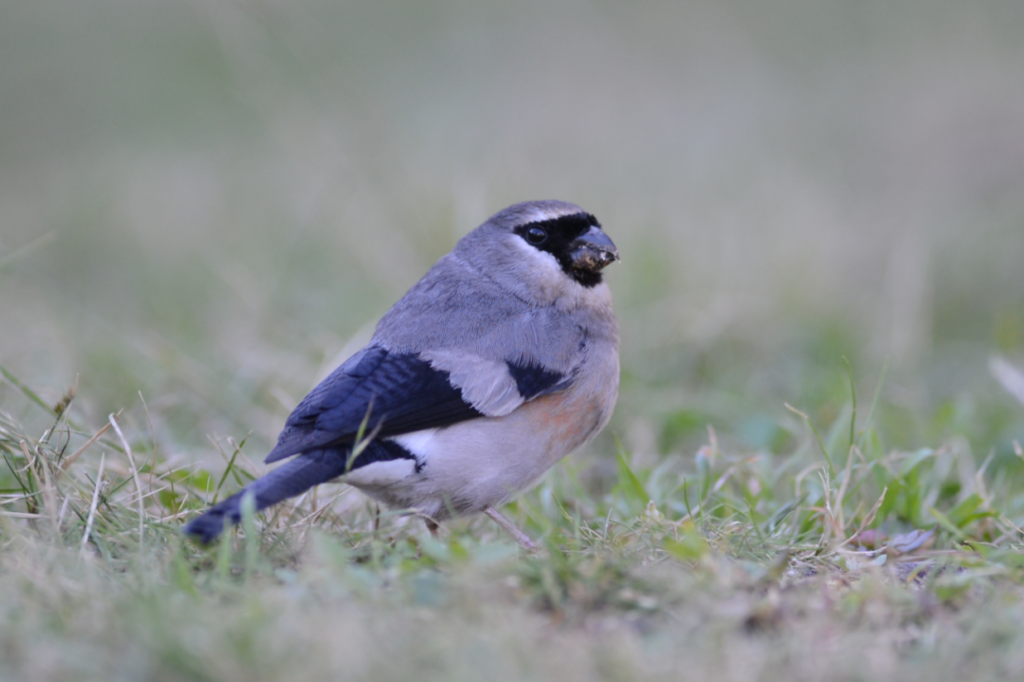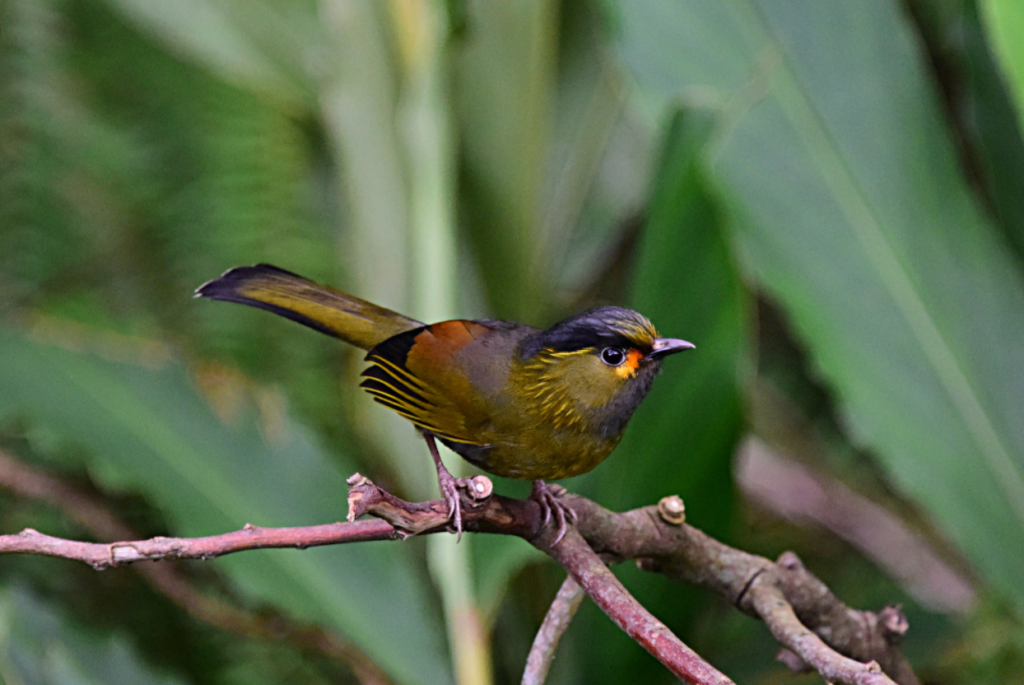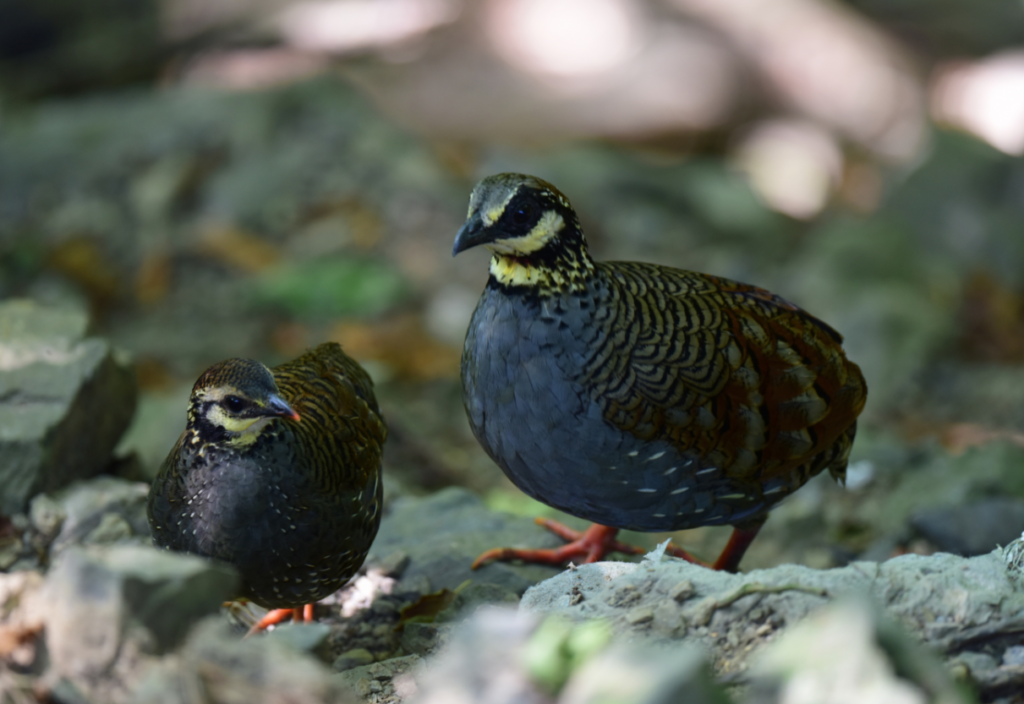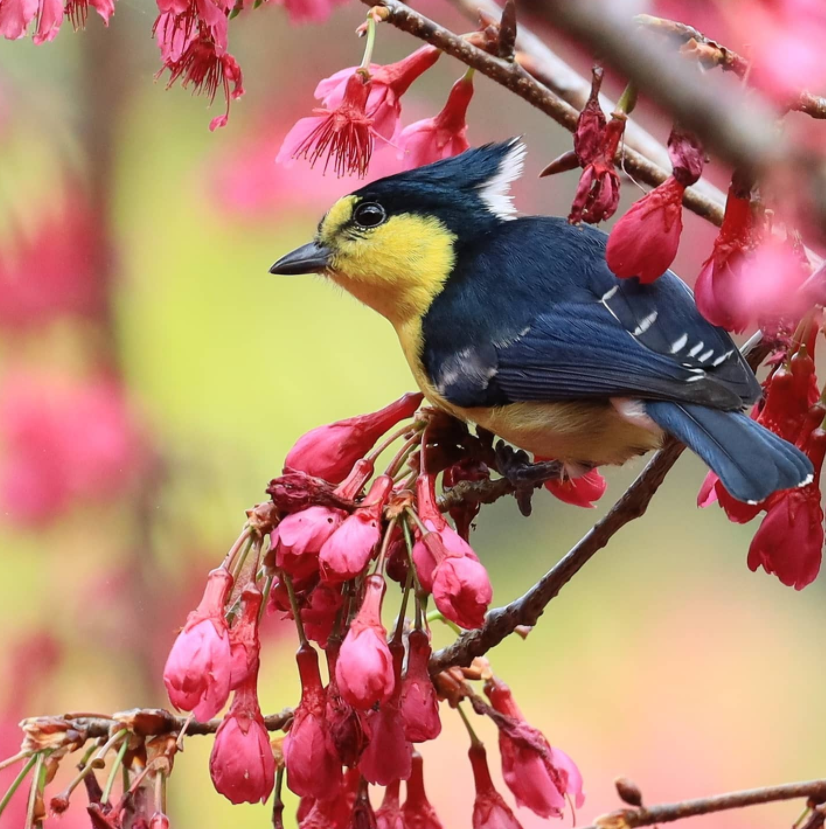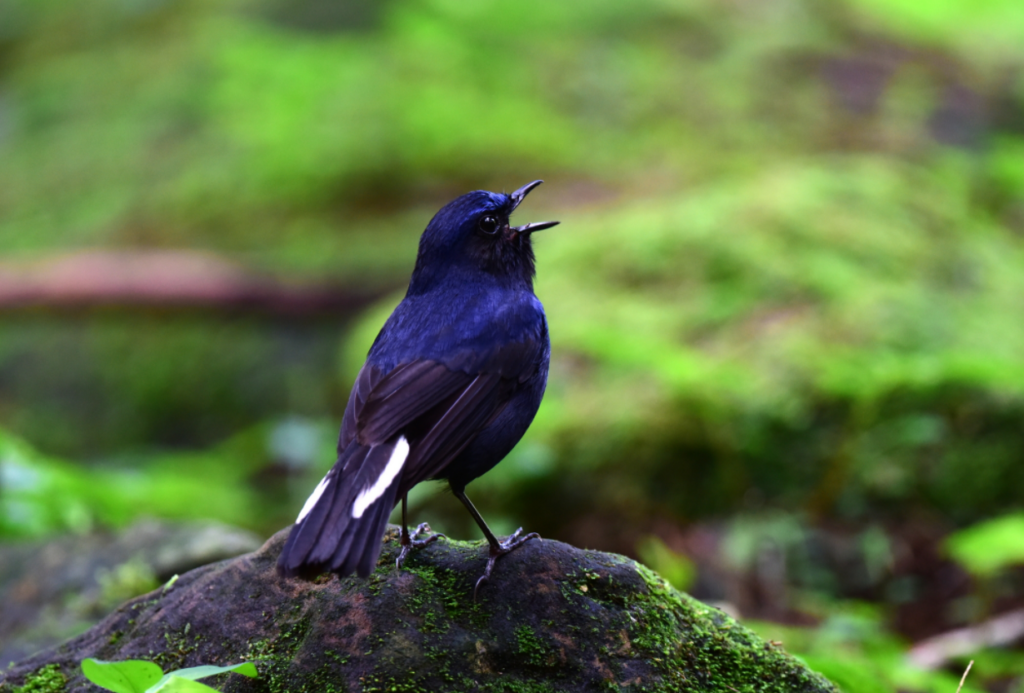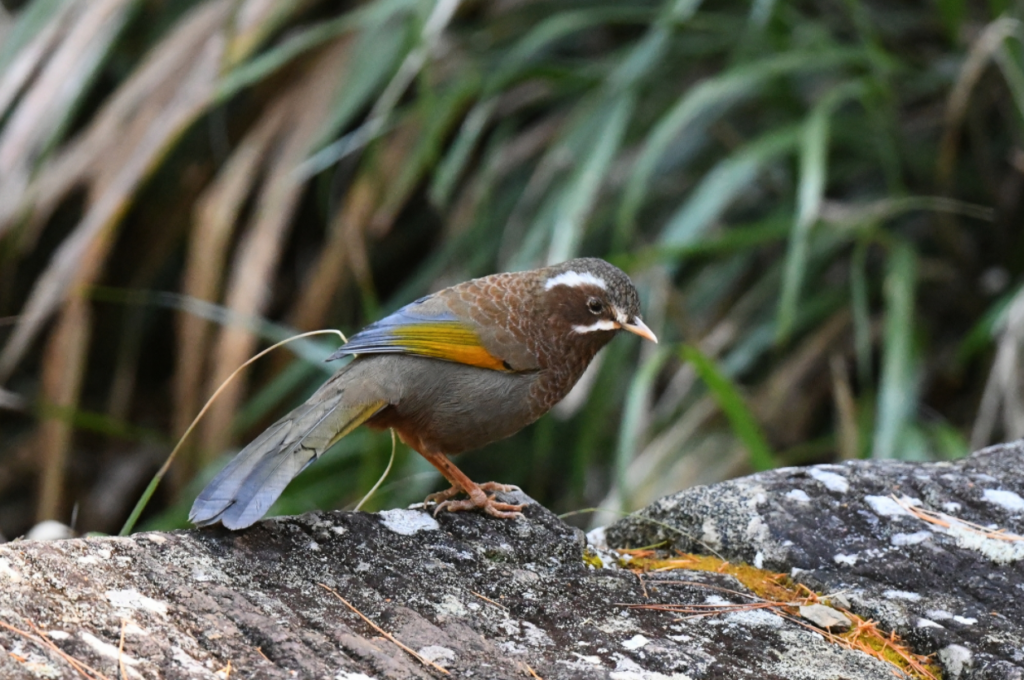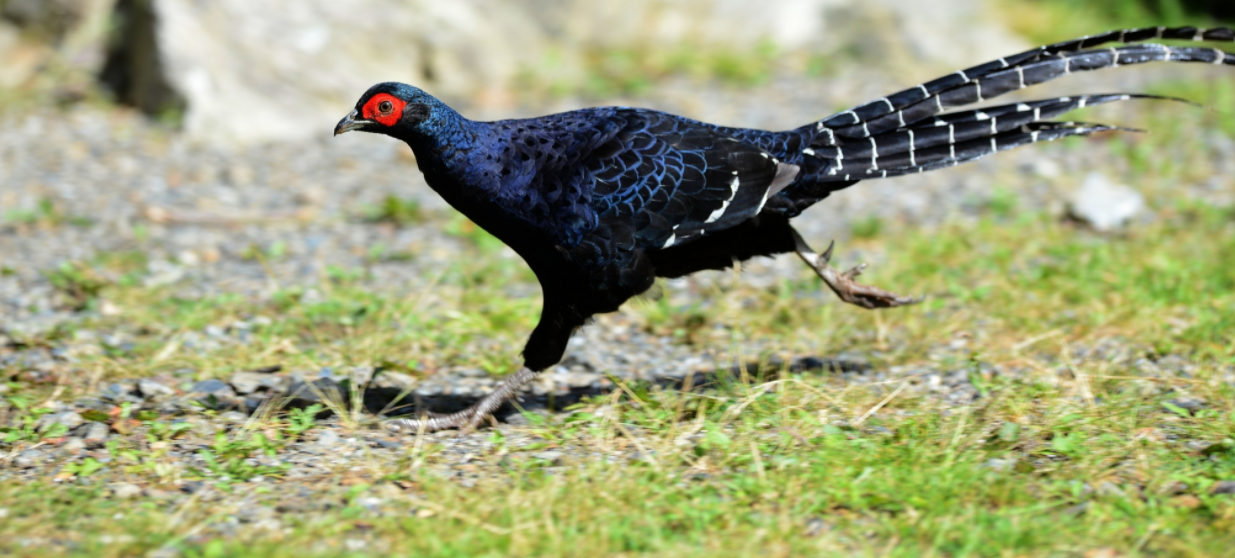
Taiwan, formerly known as Formosa, lies off the south east coast of China. The island is 245 miles long and only 90 miles wide at its broadest. Getting around is relatively easy, as the tourist infrastructure is well established. There is a mountainous backbone running down Taiwan, home to many endemic birds – over 30 endemic species in fact – increasing almost every year as Taxonomy advances. There are also many more endemic subspecies (of birds and butterflies). This Oriole Birding tour itinerary gives us the chance to encounter most of the endemic birds as we cover the key sites and habitats of this magnificent birding country, sample is local cuisine and enjoy it’s dramatic scenery. Endemic birds are high on the agenda of course, with many sumptuous bird names that will sound quite alien to anyone that has never birded this part of Asia before such as Taiwan Cupwing, Black-necklaced Scimitar-babbler, Steere’s Liocichla and and White-eared Sibia. Taiwan also has some exciting gamebirds, not least the endemic and dramatic Mikado Pheasant, and we will also of course be seeking the endangered Black-faced Spoonbill too.
The tour is also timed to coincide with spring migration, so we should encounter quite a few Asian and Siberian migrant birds returning north to breed. For European birders, this can include such mouth-watering possibilities as Black-faced and Yellow-browed Buntings, Brown Shrike, Eastern Yellow Wagtail, Olive-backed Pipit, Sharp-tailed Sandpiper and Great Knot. Come with us to this fascinating, friendly country to see many exotic birds along with one or two more familiar ones. Your tour leader will be Neil Glenn and local guide Kuan-Chieh (Chuck) Hung for this new adventure and you can expect to see around 200 species.
DAYS ONE AND TWO
We fly to Taiwan direct from London Heathrow with China Airlines, arriving on the afternoon on Day Two. Our local guide will meet us at the airport and transfer us to our comfortable hotel in Taipei. Dinner will be taken at the hotel or at a local restaurant.
DAY THREE
We will have an early breakfast in the hotel (or collect something from a local convenience store) before heading to the Yehliu Geopark, about an hour’s drive north from the hotel. On the way, we may see species such as Black Drongo and Crested Serpent Eagle.
Yehliu Geopark is a forested cape, famous for its rock formations, where we can expect to find some East Asian migrant birds, along with resident species. We might see Swinhoe’s White-eye, Grey Treepie, Daurian Redstart, Oriental Magpie, Blue Rock Thrush, Eastern Reef Egret, Arctic Warbler, Light-vented Bulbul, Tristram’s Bunting and the elusive Asian Stubtail. An array of Asian migrant birds are possible. Amazing Paper Kite butterflies are usually encountered here.
After lunch in a local restaurant, we will head for Jingshan Youth Park, with lots of grassland and parkland, where we can look for thrushes. As with Yehliu, anything is possible here, with species such as Japanese Robin, Red-throated Thrush, Yellow-browed Bunting, Daurian Redstart, etc. all being seen on previous trips.
We return to our hotel in Taipei in plenty of time to get ready for dinner – either in the hotel or at a local restaurant.
DAY FOUR
After breakfast, we will plan to be on the road by 6.45am to reach Quinshin Park by 7.15am (to catch the early birds). Our target birds here include the stunning Taiwan Blue Magpie, Taiwan Whistling Thrush, Malayan Night Heron and Oriental Turtle Dove.
After our leisurely stroll around Quinshin Park, we will return to our vehicle and drive uphill to Yangmingshan National Park if weather conditions allow. Here, we will walk a trail to look for Taiwan Bamboo Partridge. If visibility is poor, we will return to Taipei and do some birdwatching around the excellent Botanical Gardens. Lunch will be taken either at a convenience store or restaurant in the Yangminshan area or back in Taipai.
After lunch we will drive southward to Dongshih township, which is very close to the Dasyueshan region, hoping to arrive by mid-afternoon. We will spend some time looking for low elevation birds such as Taiwan and Black-necklaced Scimitar Babblers, Dusky and Grey-cheeked Fulvettas, Collared Finchbills, Swinhoe’s and Yellow-bellied Prinias and Rufous-capped Babblers.
Overnight at Chuan Fu Hotel in Dongshih township.
DAYS FIVE & SIX
These two days will be spent exploring Dasyueshan, a forested mountain rising to 2,650m (exploring by a mixture of driving and walking). Virtually all of Taiwan’s endemic species can be encountered here and we will do our best to find them! Taiwan Cupwing, Rufous-crowned Laughingthrush, Mikado & Swinhoe’s Pheasants and Yellow Tit are particularly difficult to find in other locations: either we see them here or we don’t see them at all!
The list of possibilities to be searched for around Dasyueshan is mouth-watering: Taiwan Partridge, Collared Bush Robin, Taiwan Yuhina, Flamecrest, Yellow-bellied Bush Warbler, Golden Parrotbill, Vivid Niltava, Steere’s Liocichla, White-whiskered Laughingthrush, White-eared Sibia, Taiwan Bullfinch and Taiwan Rosefinch and many more. We should also see endemic Formosan Rock Macaque and maybe even a Taiwan Giant Flying Squirrel!
Overnights at Anmashan Lodge in the Dasyueshan
DAY SEVEN
Before breakfast, there should be time for a bit of last minute birding before we say our goodbyes to Dasyueshan. We will drive back to Dongshih where we will pick up supplies for lunch.
We next head to Baxianshan – about an hour from Dongshih – which is the best area to find the endemic Chestnut-bellied Tit. Silver-backed Needletails are sometimes seen overhead and the pine trees in the park should also hold mixed flocks of species such as Black-naped Monarch, Bronzed Drongo, Grey-chinned Minivet, White-bellied Epornis, etc. We will spend as long as possible in Baxianshan in order to find the Chestnut-bellied Tit. We will also eat our picnic lunch in the park, where many stunning butterflies may keep us occupied while we are eating.
The afternoon is spent driving south to our overnight accommodation near Nantou with a couple of comfort/coffee stops along the way.
Overnight is at Cingjing Farm Area.
DAY EIGHT
Depending on what speciality species we haven’t seen (if any), we may have an early walk around the tea plantations at the rear of the hotel to look for Scimitar Babblers, Taiwan Hwamei and Taiwan Bamboo Partridge. Alternatively, we may make an early start and head for Wuling, not only the highest part of Taiwan but the whole of East Asia at 3,275 metres! Here, we look for Alpine Accentor (the endemic Taiwan subspecies). Depending on what we do, breakfast and lunch will be taken either in the hotel or with supplies from a convenience store.
We will finish birding the Cingjing area by 2pm. We will then drive to Douliu, where we meet up with a local guide who will take us to a traditional nesting area of the gorgeous Fairy Pitta. This is a special bird and this afternoon could be one of the highlights of the whole tour.
Overnight in downtown Douliu, Yunlin County
DAY NINE
If we fail to see the Fairy Pitta on DAY EIGHT, we will try again this morning. Breakfast will be taken at the aptly named Fairy Café. We may also see Black-necklaced Scimitar Babbler and Maroon Oriole in the area. If we are successful with the pitta, we will drive for fifteen minutes or so to Huben. This is a lowland area, where we may pick up species such as Dusky Fulvetta and another chance for the elusive Black-necklaced Scimitar Babbler.
After lunch in a restaurant or a convenience store, we drive a further sixty minutes to Xitou, where Island and Scaly Thrushes sometimes breed.
The afternoon will be spent driving to Budai on the west coast of the island. There may be time to do some late afternoon birdwatching at Aogu Wetlands where we hope to find lingering wildfowl and the Endangered Black-faced Spoonbill.
Dinner will be taken in Budai, a town famous for its seafood.
Overnight in Budai
DAY TEN
This morning, after a leisurely breakfast, we will spend half a day at the wetlands around Budai looking for wildfowl, Chinese Egret, Black-faced Spoonbill and waders such as Long-toed Stint, Red-necked Stint, Sharp-tailed Sandpiper, sandplovers and more familiar species such as Little Ringed Plover, Kentish Plover, Dunlin, etc.
After lunch (picnic or restaurant depending where we find ourselves), we will make the long drive south to Kending. We stop on the way at a small reserve with a long name: the Pheasant-tailed Jacana Ecological Park. No prizes for guessing the target species here but we may also find Chinese Pond Heron, Eastern Yellow Wagtail and maybe even a few Mallards!
We arrive at Kending late afternoon, where we may have a busy evening packing a small overnight bag – with enough clothes, medicines and toiletries for one night and not forgetting a towel! – and dinner at a local restaurant.
Overnight in Hengchun township.
DAY ELEVEN
After breakfast, we board the first ferry to Lanyu Island (Orchid Island) off the south east tip of Taiwan (we leave the bulk of our luggage at the hotel, which we will be using again on our return). The endemic Styan’s Bulbul should easily be seen around the town and harbour. The crossing takes approximately two hours. If we are lucky, seabirds such as Bulwer’s Petrel, and Wedged and Streaked Shearwaters may be seen during the crossing. However, the wind may be against us, in which case the sea may be fairly rough and the Captain may decide not to let us on deck.
We arrive on Lanyu at about 11.00am and have a leg stretch before transferring to a minibus. After lunch, we search the island for day-roosting Ryukyu Scops Owl; the subspecies botelensis only lives on this island, so is a very special bird to see! Other species we will look for include Lowland White-eye, Philippine Cuckoo-Dove, Whistling Green Pigeon and Japanese Paradise Flycatcher. If we miss the owl during the day, we will look for it again after dark.
Overnight on Lanyu Island either at a ‘home stay’property or a basic hotel.
DAY TWELVE
After breakfast, we will continue our exploration of Lanyu, trying to find any of the speciality birds we missed yesterday. The island is also famous for passage migrants, so we will search for those too.
We catch the afternoon ferry back to Kending, scanning for seabirds on the crossing, arriving back on the mainland by sunset. We transfer to our hotel and reunite with our main luggage.
Overnight in Hengchun township.
DAY THIRTEEN
The remaining days of the itinerary will be fairly fluid depending on how many of the endemic birds we have found earlier in the trip. If we haven’t caught up with Taiwan Partridge before, after breakfast we will drive north, straight to the Firefly Lodge at Guanhua where there is a feeding station and hide to view them. If we have already seen the partridges on previous days, we will spend some time at Longluan Lake (Kending area) looking for migratory buntings and starlings before heading north.
Whatever we choose to do, we end up at the Star Resort/Firefly Lodge, Alishan, with birding and comfort stops on the way.
Overnight in Star Resort/Firefly Lodge
DAY FOURTEEN
We have one last chance this morning to visit the partridge hide if needed. If not, we will make the two hour drive to Tataka, a mountainous area rising to about 2,600m in Yushan National Park. Here, we can look for alpine species we may have missed earlier in the tour, one of which might be Taiwan Shortwing.
The afternoon will be spent driving to our hotel near the airport. Dinner will be taken at a restaurant close to our hotel.
DAY FIFTEEN
Today, we depart Taiwan and fly home. We arrive in the UK on the same day as we leave South East Asia.