We are delighted to be offering an exciting itinerary to this fantastic country, surely one of the most pleasurable birding and wildlife destinations in the world. For a relatively small island – 437km long from north to south and only 235km at its widest – Sri Lanka boasts a wealth of habitats from the mountains of the south-central region which rise to 2500m, through verdant undulating hills, to dense rainforest, open plains, lowland forests, coasts and countless wetlands. Not only is Sri Lanka remarkably biodiverse, its isolated geographical position has also resulted in a high degree of endemism in the fauna and flora. For the birdwatcher, the island has the attraction of upwards of 30 endemic species (plus many endemic subspecies) and we will endeavour to encounter most, if not all, on our visit, including one of the most sought-after, the Serendib Scop’s Owl, discovered as recently as 2001.
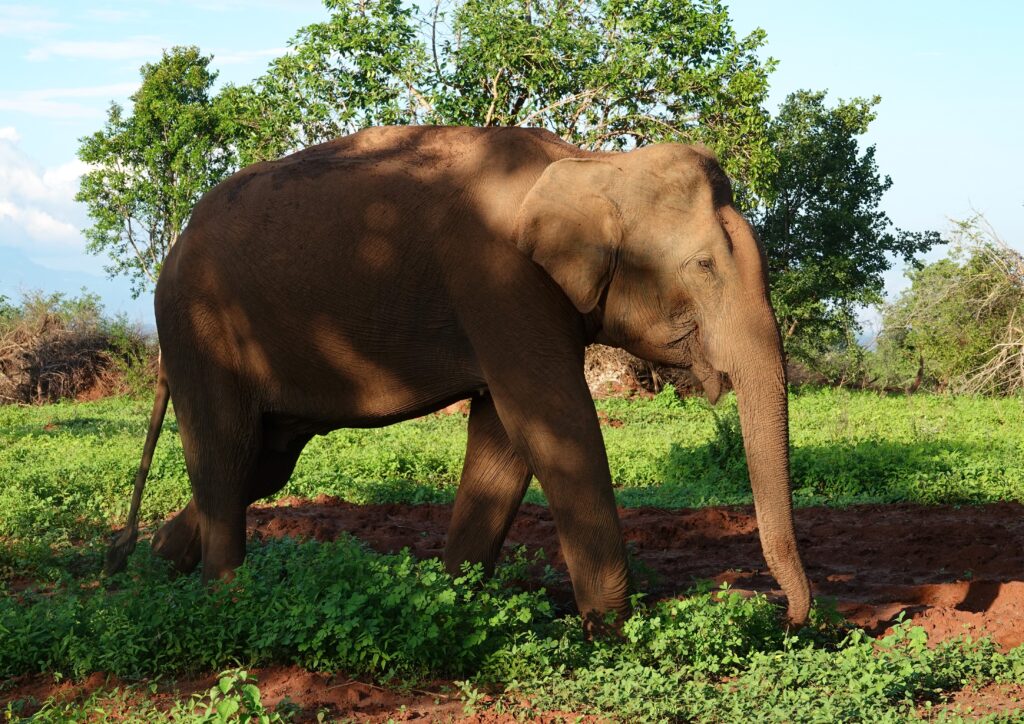
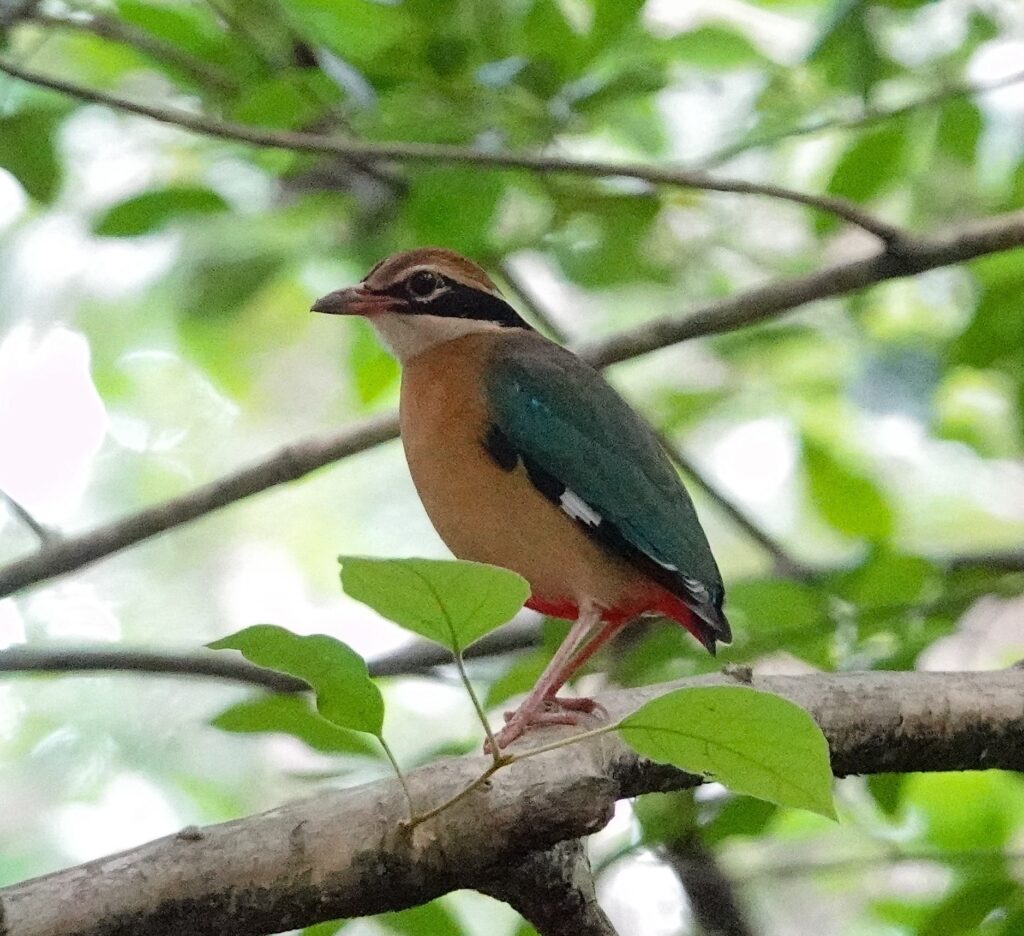
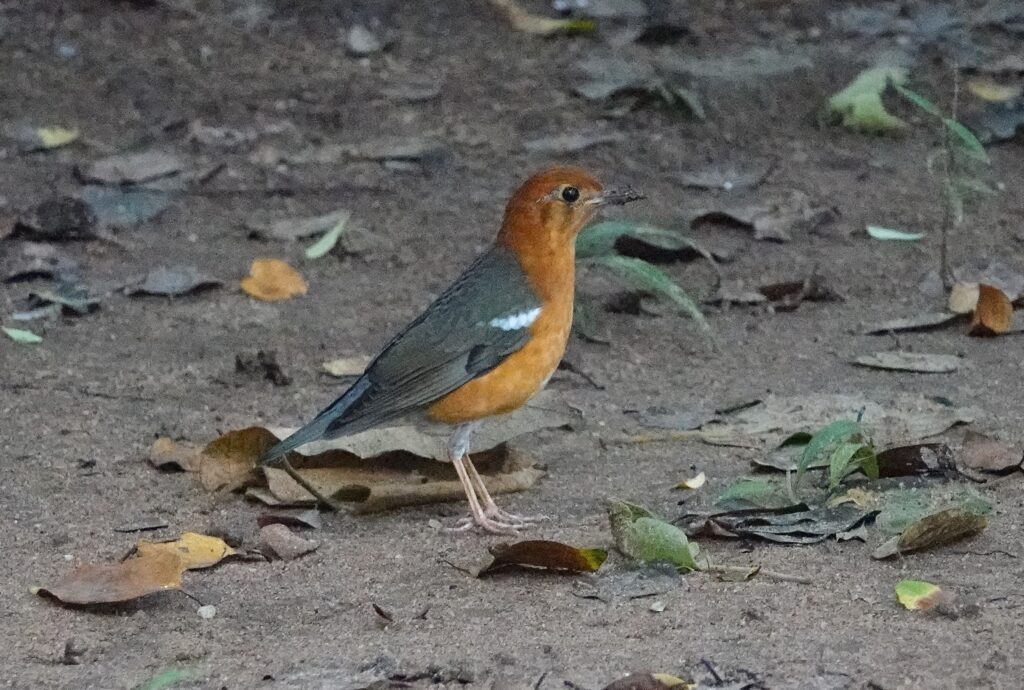
Northern migrants such as Indian Pitta, Pied Thrush, Orange-headed Thrush and Kashmir Flycatcher are another attraction, joining a host of resident species, many of which can be hard to see elsewhere. It’s not just birds, of course, and we will hope to see a good variety of mammals including Asian Elephant, Purple-faced Langur, Stripe-necked Mongoose and maybe even Leopard and Sloth Bear. Add to this a fascinating history, a vibrant culture, tasty cuisine and welcoming people, and you have the recipe for a hugely rewarding birdwatching holiday. On our tour we will visit all the key sites, including Sinharaja World Heritage Site, Bundala National Park, Yala National Park and Horton Plains. We will enjoy a number of game drives in some of the surprisingly expansive national parks, but will bird on foot as conditions dictate. The tour pace is mostly undemanding, but in common with most tropical birding destinations, early starts are the norm. However, there should usually be time to relax during the hotter middle of the day before a less intensive afternoon birding session. We will stay in a mixture of comfortable lodges and tourist hotels, all being en suite. We can expect to see around 230 species.
DAY ONE
London Heathrow to Colombo Bandaranaike on the direct overnight flight.
DAY TWO
Arriving at Colombo early afternoon, we will be met by our local guide and driver and transferred to our hotel at Katunayake. We will have rest time and an overnight stay here to prepare ourselves for the exciting tour ahead. Overnight at Vivanta Colombo Airport Garden.
DAY THREE
We head on to Sinharagama, just outside Wilpattu National Park. It’s likely we will make a few stops on the way, allowing us to start to familiarise ourselves with some of the typical birds of the region, for instance Painted Stork, Black-headed Ibis, various egret species, Red-wattled Lapwing, Brahminy Kite, Blue-tailed Bee-eater, White-throated Kingfisher, Spotted Dove, Asian Palm Swift, Rose-ringed Parakeet, Red-vented Bulbul, Black Drongo, Black-hooded Oriole, Common Myna and Rosy Starling, to name but a few. After we have checked in, we will use any remaining daylight to bird in the vicinity of the hotel, but will be looking forward to a tasty meal and a good night’s sleep in readiness for our first full day in Sri Lanka. Overnight at Lavendish Wild Hotel.
DAY FOUR
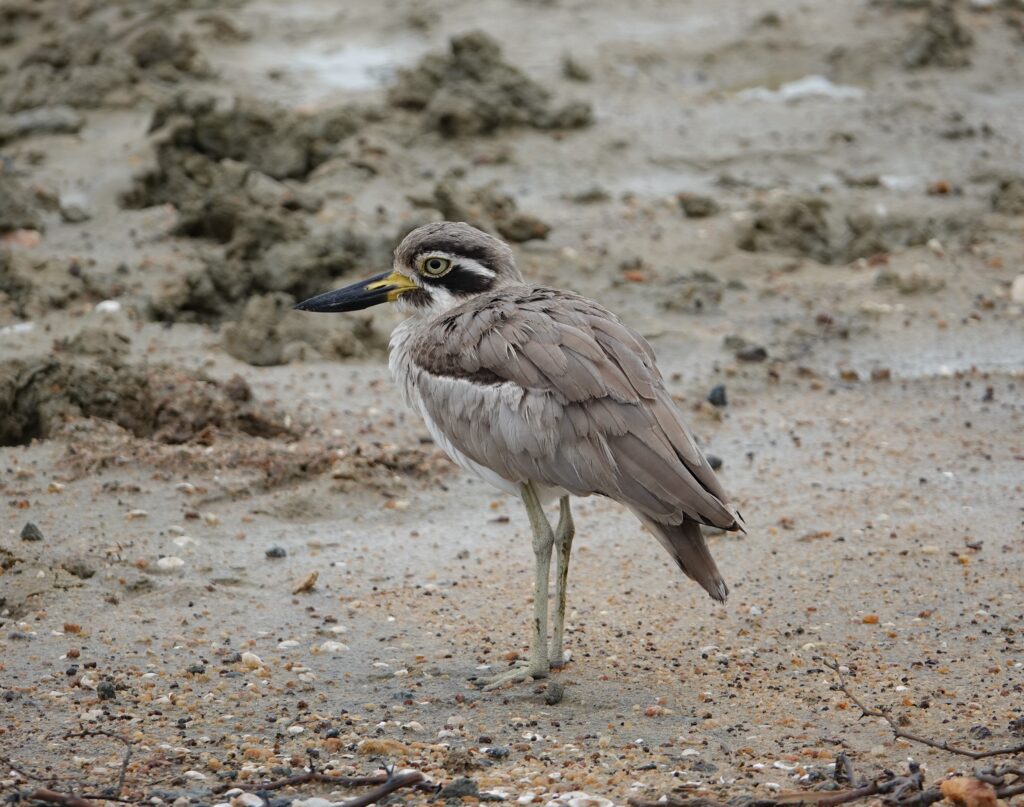
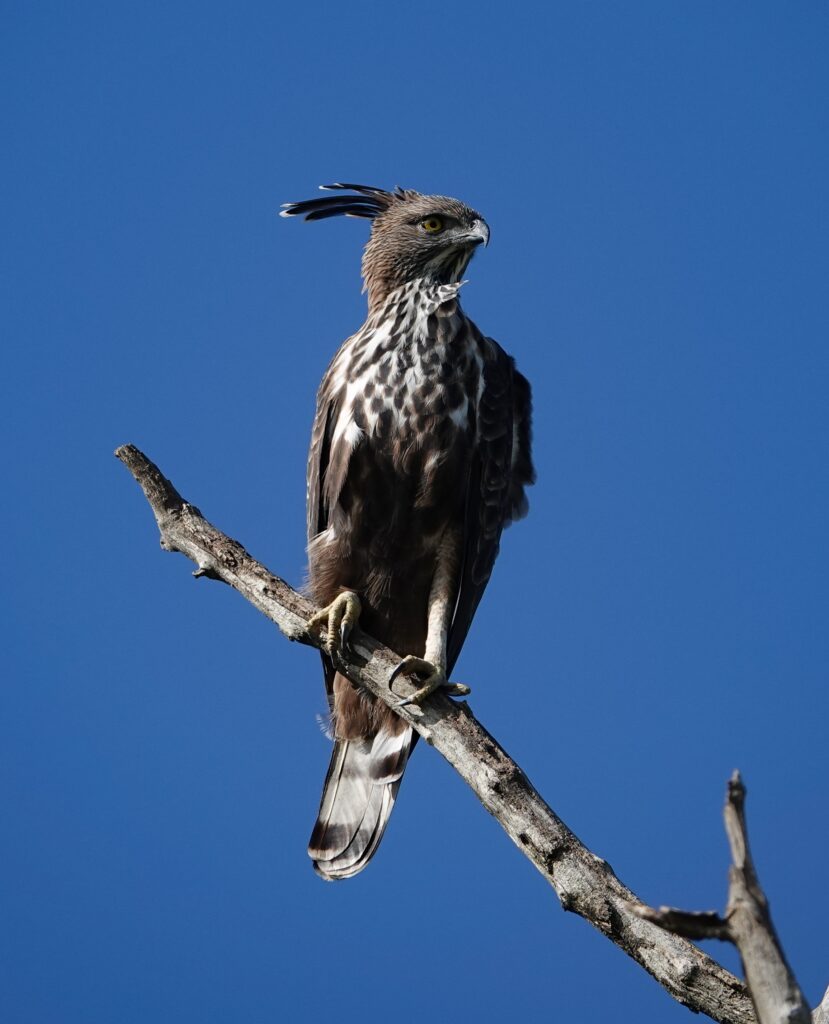
Following breakfast, we head to Wilpattu National Park, where we will spend most of the day taking a jeep safari. Wilpattu sanctuary was declared as a National Park in 1938 and is located on the west coast, close to the historical city of Anuradhapura. The main habitat is dry mixed evergreen forest, but also with villus (natural, sand-rimmed depressions that fill with rainwater), grassland, scrubland and riverine forest. Hopefully, we will soon encounter the endemic Sri Lanka Junglefowl, the national bird, with Indian Peafowls strutting their stuff and Barred Buttonquail possible. Waterbirds should be plentiful and varied, possibly including Lesser Whistling Duck, Cotton Pygmy-goose, Garganey, Woolly-necked Stork, Lesser Adjutant, Eurasian Spoonbill, Spot-billed Pelican, Darter, Pheasant-tailed Jacana, Great Thick-knee, Pin-tailed Snipe and Whiskered Tern. Raptors should be frequently encountered during the drive, with White-bellied Sea Eagle, Grey-headed Fish Eagle, Crested Serpent Eagle and Crested Hawk Eagle likely, and an outside chance of Spot-bellied Eagle Owl or Brown Fish Owl, for instance. We will hope to add a wealth of forest species, such as Sri Lanka Green Pigeon, Grey-bellied Cuckoo, Blue-faced Malkoha, Crested Treeswift, Chestnut-headed Bee-eater, Coppersmith Barbet, Malabar Pied Hornbill, Sri Lanka Woodshrike, Forest Wagtail, Green Warbler, Tawny-bellied Babbler, White-rumped Shama and Baya Weaver. There are approximately 30 species of mammals in the park for us to look for, including Asian Elephant and various deer, although we will need a slice of luck to come across iconic species such as Leopard and Sloth Bear. Having taken lunch in the park we will conclude our safari and reunite with our minibus for the 90-minute transfer to our next destination near Habarana. Overnight at The Other Corner Resort.
DAY FIVE
We rise at dawn, as will often be the case on this trip, in order to maximise that magical early period of crisp light and high bird activity. Our lodge-style accommodation is set in some quality forest and wetland habitat we will bird its vicinity pre-breakfast. There is a good chance of such choice species as Indian Pitta, Orange-headed Thrush and Brown-capped Babbler literally from our doorstep, with a host of other great birds possible, including Asian Paradise-flycatcher, Jerdon’s Leafbird, Brown-capped Pygmy Woodpecker, Small Minivet, Common Iora, Common Tailorbird, Sri Lanka Swallow, White-browed Bulbul, Oriental White-eye, Tickell’s Blue Flycatcher, Thick-billed Flowerpecker and Purple Sunbird. A tank (the local name for irrigation reservoirs) lies just a few strides away and should further boost our morning’s list, with species such as Grey-headed Swamphen, Stork-billed Kingfisher and Indian Cormorant. Later in the day we will visit the world-famous rock fortress and those who wish to take the 1000 or so steps to the top will be rewarded with stunning vistas, plus the chance of seeing the distinctive Shahin Falcon, the local race of Peregrine. Any remaining time will be spent birding forest tracks, where we could catch up with Oriental Dwarf Kingfisher, Velvet-fronted Nuthatch, Black-headed Cuckooshrike, Alexandrine Parakeet, Sri Lanka Green Pigeon, Black-rumped Woodpecker, Tawny-bellied Babbler, Jungle Prinia, Thick-billed Flowerpecker and Purple Sunbird. Depending on timing, we might stay in the field until dark in the hope of searching for nocturnal birds including Spot-bellied Eagle Owl, Oriental Scop’s Owl and Jerdon’s Nightjar. Overnight at The Other Corner Resort.
DAY SIX
After some early morning birding at a nearby site followed by breakfast, we will transfer to the old colonial hill town of Kandy, a journey of a little under three hours. After checking in to the hotel we will head for the Udawattekele Sanctuary, a tract of planted jak and mahogany, now forest. Highlights here could include Brown Fish Owl, Greater Sri Lanka Flameback, Yellow-fronted Barbet, Crimson-fronted Barbet, Layard’s Parakeet, Lesser Hill Myna, Yellow-browed Bulbul, Dark-fronted Babbler, Indian Blue Robin and Asian Brown Flycatcher. Before our evening meal we may wish to visit the Temple of the Sacred Tooth, one of the holiest shrines in the Buddhist world, followed by a Kandyan dance pageant. Overnight at Thilanka Hotel.
DAY SEVEN
Before transferring to Nuwara Eliya, we make use of the early part of the day to visit the hillside tea plantations above Kandy. This habitat can be surprisingly productive and we will walk a couple of tracks, possibly seeing species such as Streak-throated Woodpecker, Lesser Sri Lanka Flameback, Plum-headed Parakeet, Bar-winged Flycatcher-shrike, Yellow-eyed Babbler, Crested Treeswift, Oriental Magpie Robin, Indian Robin and Ashy Prinia. Checking out of our comfortable hotel we will make our way to Nuwara Eliya, an old colonial hill-station in the mountains at around 2000m elevation, roughly a two-and-a-half-hour drive away. After checking in at the hotel and lunch, we will spend the remainder of the afternoon at Victoria Park, formerly a botanical garden and named to commemorate Queen Victoria’s Diamond Jubilee. The park is renowned as one of the best places to see wintering montane forest specialists such as Kashmir Flycatcher, Pied Thrush, Indian Blue Robin, Indian Pitta and Forest Wagtail. Other possible noteworthy species could include Yellow-eared Bulbul, Grey-headed Canary-flycatcher, Sri Lanka White-eye and Sri Lanka Scimitar-babbler, while Grey Wagtail and Common Sandpiper along the stream may remind us of home. Overnight at Heaven Seven Hotel.
DAY EIGHT
A pre-dawn start will see us arrive at 06:30 at Horton Plains National Park, a high plateau featuring montane grassland and cloud forest, where fleeces may be the order of the day, at least in the chilly early morning period. Here we will search for choice species such as Dull-blue Flycatcher, Sri Lanka Woodpigeon, Hill Swallow, Sri Lanka Bush Warbler, Sri Lanka Whistling Thrush, Pied Bushchat and Sri Lanka Scimitar-babbler. Raptors could include Jerdon’s Baza, Himalayan Buzzard, Black Eagle and Oriental Honey-buzzard. Other possibilities could include Indian Jungle Crow, Paddyfield Pipit, Great Tit (race mahrattarum), Zitting Cisticola and Alpine Swift. For the remainder of the day we will visit other highland locations such as Hakgala Botanical Garden, where we might add some species missed elsewhere in the highlands, perhaps adding Large-billed Leaf Warbler or Indian Blackbird, for instance. Overnight at Heaven Seven Hotel.
DAY NINE
Following breakfast, we set off for the fairly long transfer to Tissamaharama (thankfully known as ‘Tissa’ for short), in the south-east of the island. After refreshing ourselves and taking lunch, we will spend the late afternoon and evening period on safari in Yala National Park. Entering the park, we can hope to see Mugger Crocodiles, which frequent the riverbanks here, plus troops of Grey Langur and various deer species. The birdlife is abundant, from Indian Peafowl, Lesser Adjutant and Black-necked Stork, to Indian Roller, Ashy-crowned Sparrow Lark and Greater Coucal, a fine variety is to be expected. Dry country birds could include Grey-bellied Cuckoo, Yellow-crowned Woodpecker, Marshall’s Iora, Sri Lanka Woodshrike and Sirkeer Malkoha, while the margins of waterbodies will host a range of waders. Although not guaranteed, we will be keeping our fingers crossed for a sighting of Leopard, which are often found dozing and draped over a shady tree in the afternoon heat. Towards dusk, we can try for Indian Nightjar. Overnight at Rain Tree Hotel.
DAY TEN
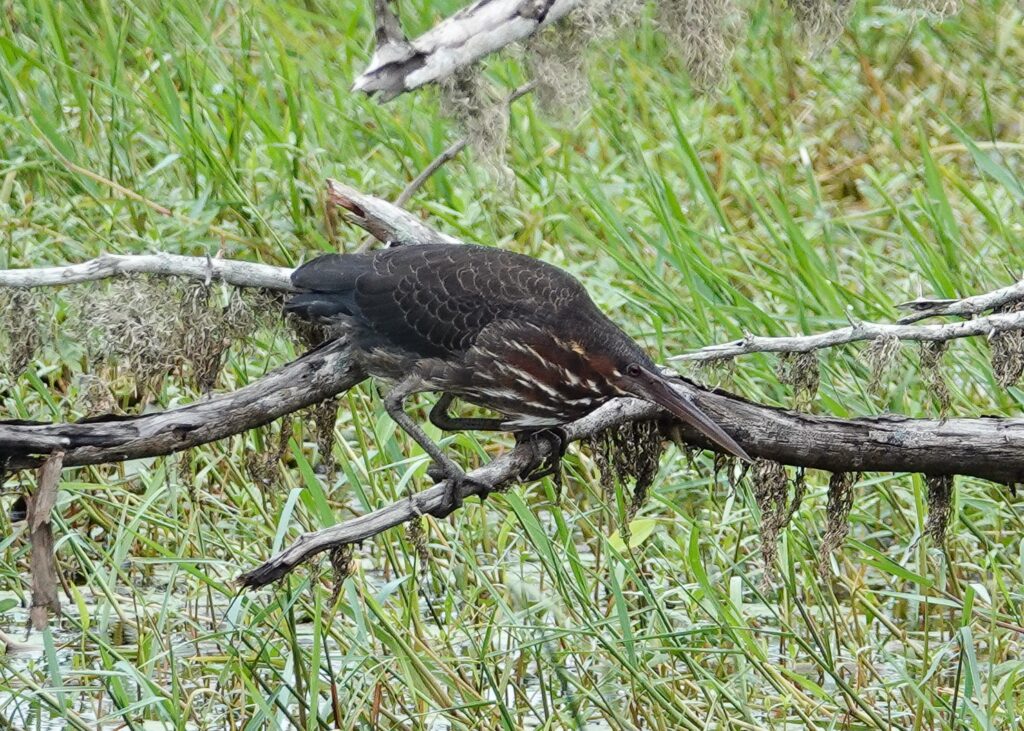
This morning we will take an early jeep safari (with picnic breakfast) to Bundala National Park, Sri Lanka’s first RAMSAR wetland. This fantastic reserve holds a wide range of habitats from scrub jungle to saltpans and 100 species is feasible in a morning’s drive. Entering the park through an area of wetland, we will soon encounter flocks of Marsh Sandpipers, Lesser Sandplovers and Little Stints, among others, with Hume’s Whitethroat in small groups in the scrub. Grey-headed Swamphens, Asian Openbill, Painted Storks and Black-necked Ibises will jostle for our attention, while numerous Whiskered Terns will be feeding over the shallows. Scrubby areas may hold Blue-faced Malkoha, Sri Lanka Junglefowl, Jacobin Cuckoo, Chestnut-winged Cuckoo, Asian Koel, Common Hoopoe and Brown-headed Barbet. Open areas near water should see Western Yellow Wagtail, Oriental Skylark and Ashy-crowned Sparrow Lark. After a while we will reach a productive area of saltpans where we will expect many waders – some familiar and some maybe not so (such as Small Pratincole and Great Thick-knee) – and roosting terns (including Caspian, Greater Crested and Lesser Crested). Vegetated freshwater areas could add species such as Black Bittern, Cinnamon Bittern, Watercock and Ruddy-breasted Crake, with numerous Clamorous Reed Warblers in the margins. Following lunch, we will spend the remainder of the day birding Tissa Lake and its environs. Here we will encounter a good variety of wetland species, with the possibility of Jungle Owlet, Brown Fish Owl and Indian Scops Owl also. To end the day, we will enjoy the incredible spectacle of many thousands of Indian Flying Foxes leaving their roost from trees at the edge of the lake, something not to be missed. Overnight Rain Tree Hotel.
DAY ELEVEN
We leave Tissa this morning for Udawalawe National Park, about a 90-minute drive away, where we will take a safari. Here we will explore some of the tracks through the dry savanna encountering a rich assemblage of species. Indian Peafowl will be conspicuous, while Crested Hawk Eagle and Black-winged Kite will survey their domain. Blue-tailed and Green Bee-eaters will be numerous, and we can also hope for Coppersmith Barbet, Alexandrine Parakeet and Orange-breasted Green Pigeon along the way. We will pause by a large tank to stretch our legs, enjoying a diversity of wetland species. Mammals will also feature, most notably close encounters with Asian Elephants, but with others such as Ruddy Mongoose, Jungle Cat and Golden Jackal also possible. In the afternoon we will transfer via some scenic tea country to our lodge at Sinharaja, which will be our home for the next three nights. After checking in, we will use the remaining daylight to bird in the vicinity of the hotel and maybe even see Serendib Scops Owl if our luck is in, should one have been located nearby. Overnight at Blue Magpie Lodge.
DAYS TWELVE & THIRTEEN
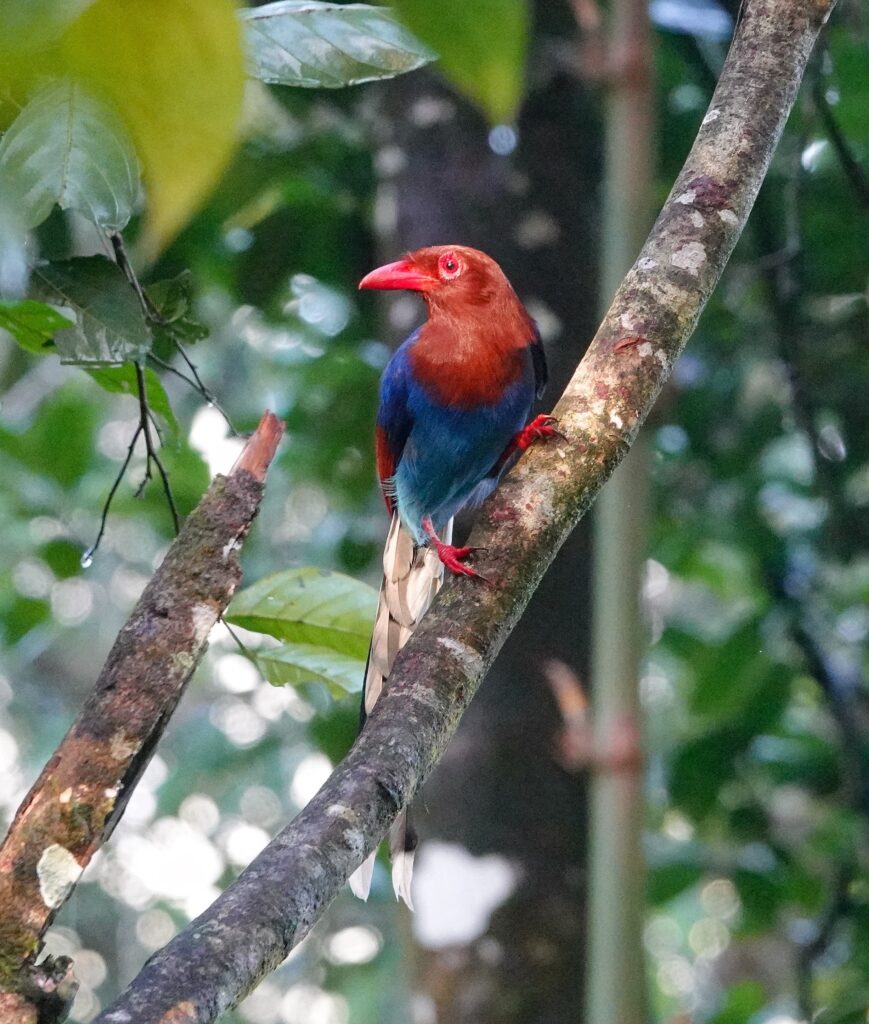
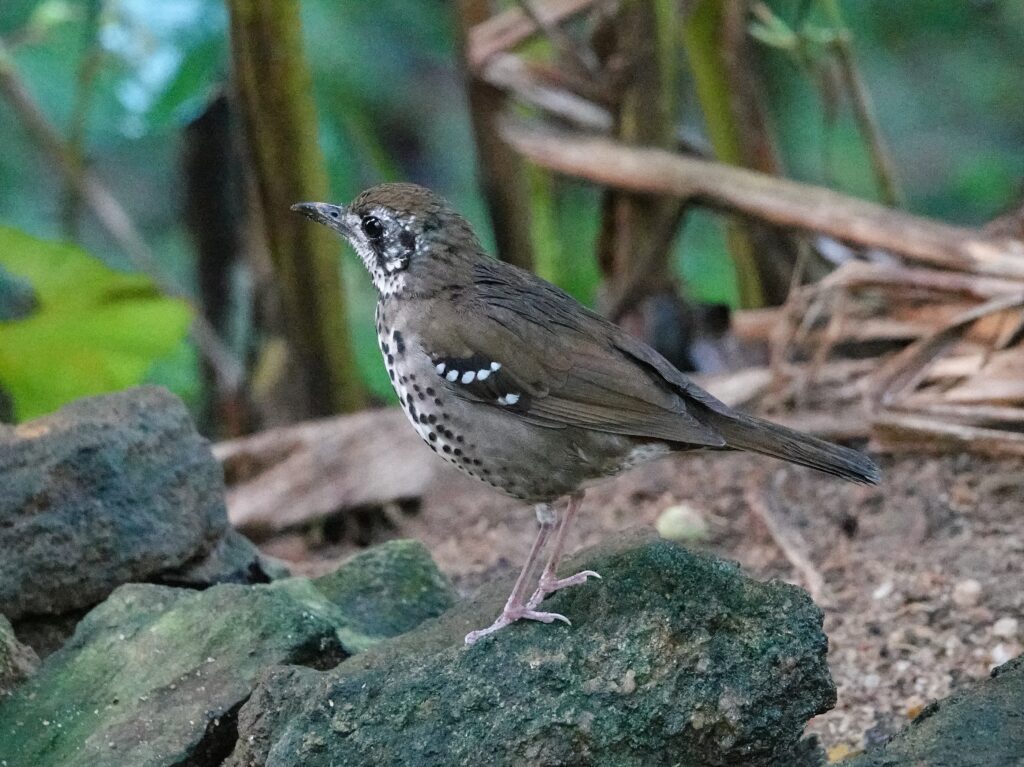
The justly famous Sinharaja Forest Reserve is a treasure trove of endemics, including the majority of Sri Lanka’s bird species, and we will spend the next two full days in the area to maximise our chances of connecting with them. Travelling in jeeps we will drive the rough tracks to the rainforest reserve, where we will explore the forest paths on foot, accompanied by a forest ranger. Mixed feeding flocks could hold such choice birds as Malabar Trogon, White-faced Starling, Ashy-headed Laughingthrush, Sri Lanka Hill Myna, Sri Lanka Blue Magpie, Orange-billed Babbler and Red-faced Malkoha. We may need to make a special effort for such elusive species as Sri Lanka Scaly Thrush and Sri Lanka Spurfowl, although the latter can sometimes be staked-out in a remote forest garden. Further forest notables could include Sri Lanka Hanging Parrot, Sri Lanka Scimitar-babbler, Brown-breasted Flycatcher, Sri Lanka Drongo, Green-billed Coucal, Black-capped Bulbul, Legge’s Flowerpecker, Indian Blue Robin, Orange Minivet, Sri Lanka Frogmouth and the sought-after Spot-winged Thrush. Birds of prey might be represented by Legge’s Hawk Eagle, Black Eagle and Rufous-bellied Eagle. No doubt at times our attention will be drawn to the wealth of other wildlife, which could include Purple-faced Langur, Sri Lanka Giant Squirrel, Yellow-striped Mouse-deer and a variety of colourful butterflies, such as Blue Mormon and Sri Lanka Birdwing. We will act on any local information to catch up with tricky species in the local area whilst here, while the birding around the lodge can also be productive. Two overnights Blue Magpie Lodge.
DAY FOURTEEN
Today we will make the lengthy transfer to Kitulgala, birding en route. Kitulgala is in the wet zone, located by the Kelani River, famed as the location for some of the filming of “The Bridge on the River Kwai”. After settling in, we will spend the rest of the afternoon birding the locality of the hotel. It will be possible at amass a decent list here in a couple of hours, which could include Sri Lanka Hanging Parrot, Indian Swiflet, Sri Lanka Grey Hornbill, Chestnut-headed Bee-eater, Rufous Woodpecker, White-bellied Drongo, Sri Lanka Swallow and Square-tailed Bulbul. As darkness falls, we will look for the endemic Chestnut-backed Owlet. Overnight at Kitulgala Rest House.
DAY FIFTEEN
This morning we will take the ferry across the Kelani River to visit Makandawa Forest Reserve. Here we will hope to catch up with any of the wet zone specialists which had previously eluded us. This could include Serendib Scops Owl, should we have been unlucky at Sinharaja, as well as Green-billed Coucal, Sri Lanka Crested Drongo, Black-naped Monarch, Orange Minivet, Yellow-fronted Barbet and Spot-winged Thrush. We will probably spend several hours at least in the forest before retracing our route over the river, hoping to maybe add a few new birds to the list; perhaps a Black-naped Oriole, Golden-fronted Leafbird, Brown Hawk Owl or even a Slaty-legged Crake? The remainder of the day will be spent enjoying more of the rich local birdlife, with another chance to look for Chestnut-backed Owlet in the evening, if necessary. Overnight at Kitulgala Rest House.
DAY SIXTEEN
Following a leisurely breakfast at the hotel, we transfer to Colombo Bandaranaike, where our direct flight arrives at London Heathrow the same day.